What Pests Must Be Kept Away from Potatoes: Essential Tips for a Healthy Harvest

Potatoes are a staple food across the globe, prized for their versatility and nutritional value. However, cultivating a healthy potato crop requires vigilance against a variety of pests that can threaten the yield and quality of your harvest. From destructive insects to root-destroying nematodes, understanding the threats to your potato plants is essential for any gardener or farmer. This article will explore the most common pests that target potatoes, along with effective strategies and tips to keep them at bay. By implementing these practices, you can ensure a bountiful and healthy potato harvest season after season.
Pests to Keep Away from Potatoes
Potatoes are a staple crop susceptible to various pests that can significantly affect their yield and quality. Among the most damaging are the Colorado potato beetle, aphids, potato tuber moth, and wireworms. The Colorado potato beetle larvae feed on the foliage, weakening the plant and reducing tuber development. Aphids not only suck sap from the plants but also transmit diseases that can devastate potato crops. The potato tuber moth lays its eggs in the tubers, leading to significant damage as the larvae feed inside the potatoes. Finally, wireworms are the larvae of click beetles that burrow into tubers, causing direct damage and making the potatoes more susceptible to disease.
Colorado Potato Beetle
The Colorado potato beetle is one of the most notorious pests of potato crops, known for its ability to rapidly develop resistance to insecticides. This beetle has a distinctive yellow and black striped appearance, and its larvae are equally recognizable as they tend to cluster on the undersides of leaves. They cause extensive damage by feeding on the foliage, which can lead to reduced photosynthesis and stunted growth, ultimately impacting tuber formation. Effective management strategies including crop rotation, using resistant varieties, and introducing natural predators can help keep their populations under control.
Aphids
Aphids are small, sap-sucking insects that can cause harm to potato plants through direct feeding and the transmission of viral diseases. They congregate on the young shoots and under leaves, which can lead to wilting and a decline in plant vigor. In addition to sucking the vital nutrients from the plant, aphids also secrete a sticky substance known as honeydew, which can result in sooty mold formation, inhibiting photosynthesis. Natural predators such as ladybugs and lacewings can be introduced to manage aphid populations, and maintaining healthy plant environments can also reduce their infestation.
Potato Tuber Moth
The potato tuber moth is a significant pest that targets potato crops, particularly affecting the quality of tubers during storage. Female moths lay eggs on foliage, and upon hatching, the larvae burrow into the tubers, creating holes and leading to rot. The presence of this pest causes not only physical damage but also increases the risk of secondary infections. To manage potato tuber moth infestations, practices such as trap cropping, the use of pheromone traps, and temperature control in storage can be effective in minimizing their impact.
Wireworms
Wireworms, the larval stage of click beetles, are notorious pests for their destructive feeding habits on potato tubers. They tend to reside in the soil for several years before emerging as adults, making them difficult to control once they infest a field. Their tunneling into the tubers can cause significant damage, leading to gaping wounds that invite pathogens, increasing the potential for decay. Crop rotation, soil cultivation, and the use of resistant potato varieties can help reduce wireworm populations and limit their damage to potato crops.
Flea Beetles
Flea beetles are small, jumping insects that can inflict considerable damage to young potato plants. They primarily feed on the leaves, creating characteristic holes that weaken the plants and reduce overall growth. Heavy infestations can stunt development and lead to poor yields if not managed properly. Cultural controls, such as intercropping with non-host plants and applying row covers, can be beneficial in preventing flea beetle attacks. Insecticide treatments may also be employed, though care should be taken to follow recommended guidelines to protect beneficial insects.
| Pest | Damage | Control Methods |
|---|---|---|
| Colorado Potato Beetle | Leaf damage, reduced tuber yield | Crop rotation, natural predators |
| Aphids | Weakening of plants, viral disease spread | Naturals predators, maintaining plant health |
| Potato Tuber Moth | Damage to tubers during storage | Pheromone traps, temperature control |
| Wireworms | Tunneling damage to tubers | Crop rotation, resistant varieties |
| Flea Beetles | Leaf feeding, stunt growth | Intercropping, row covers |
What is the most common pest in potatoes?
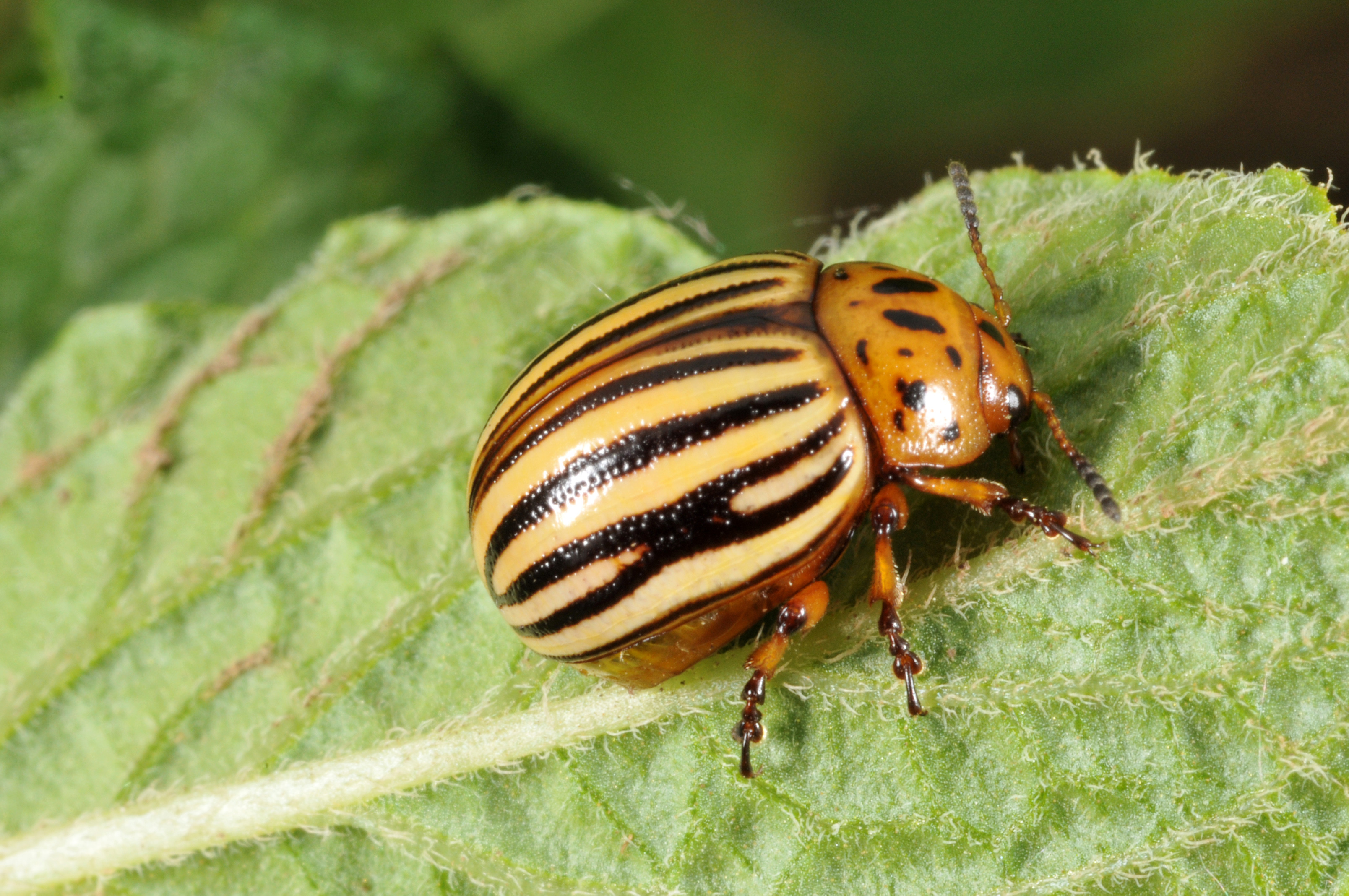
The most common pest in potatoes is the Colorado potato beetle (Leptinotarsa decemlineata). This small but impactful beetle is notorious for devastating potato crops and can cause severe yield losses if not managed effectively. Its larvae and adults feed voraciously on potato foliage, leading to defoliation and overall plant distress.
Life Cycle of the Colorado Potato Beetle
The life cycle of the Colorado potato beetle consists of four main stages: egg, larva, pupa, and adult. This pest has a rapid reproductive rate, which contributes to its pest status.
See also:
- Eggs: Females lay yellow eggs on the undersides of leaves.
- Larvae: After hatching, larvae emerge and begin to consume foliage.
- Pupae: Larvae burrow into the soil to pupate, where they transform into adults.
- Adults: Newly emerged adults return to the plants to feed and lay more eggs.
Symptoms of Infestation
Identifying a Colorado potato beetle infestation early can help mitigate damage. Common symptoms include:
- Defoliation: The most visible sign, with leaves being chewed down to the veins.
- Larval Presence: Clusters of orange-yellow larvae can be seen on affected plants.
- Wilting: Plants may exhibit wilting symptoms due to extensive leaf loss.
Control Measures
Effective control measures are essential for managing the Colorado potato beetle. Strategies include:
- Cultural Practices: Rotate crops and remove plant debris to disrupt life cycles.
- Insecticides: Chemical treatments can be effective; however, resistance is a concern.
- Biological Control: Natural predators, such as ladybugs and parasitic wasps, can help keep populations in check.
Economic Impact
The economic impact of the Colorado potato beetle is significant for potato farmers. Several factors contribute to this:
- Yield Loss: Infestations can lead to reduced yields, impacting profitability.
- Increased Costs: Farmers may need to spend more on pesticides and other control measures.
- Market Quality: Damaged potatoes may not meet market standards, affecting sales.
Resistance Management
The Colorado potato beetle has developed resistance to many insecticides, making management increasingly challenging. Recommendations for resistance management include:
- Rotate Insecticides: Use different classes of insecticides to limit resistance development.
- Integrate Control Methods: Combine chemical, cultural, and biological controls for effective management.
- Monitor Populations: Regularly scout fields for beetles to make informed control decisions.
What is pest control for potatoes?
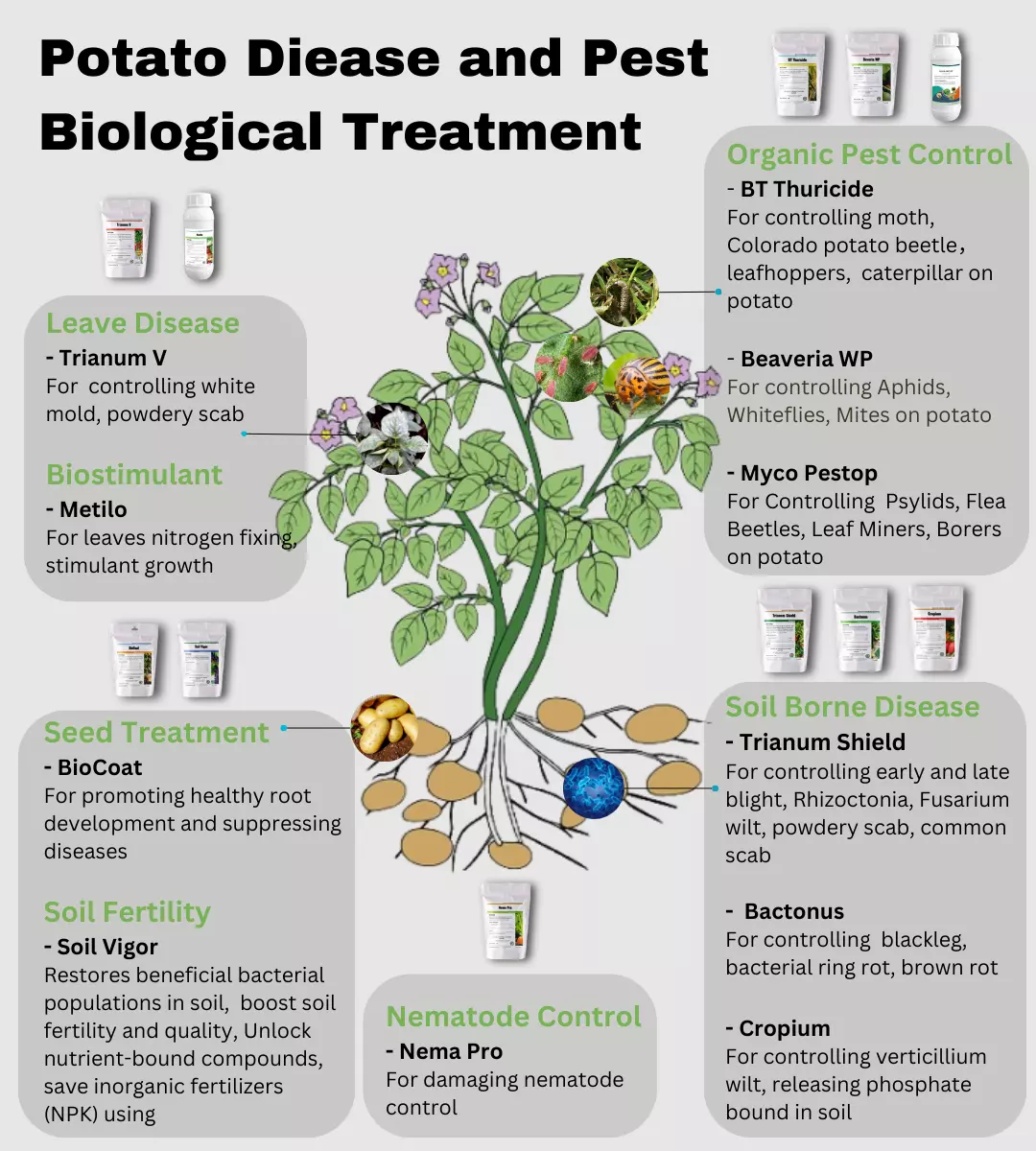
Pest control for potatoes involves a range of strategies and practices aimed at managing pests that can damage potato crops. The goal is to protect the potatoes from various insects, diseases, and weeds that can affect their growth and yield. Effective pest control measures are crucial for achieving healthy plants and maximizing productivity.
Understanding Common Potato Pests
Many pests target potato crops, affecting their health and yield. Some of the most common include:
- Colorado Potato Beetle: This is a significant pest that feeds on leaves, leading to defoliation.
- Potato Tuber Moth: Larvae of this moth can burrow into tubers, causing physical damage and rot.
- Aphids: These insects can transmit viruses and weaken plants through their feeding activity.
Integrated Pest Management (IPM) Techniques
Integrated Pest Management (IPM) is a holistic approach to pest control that combines various strategies. Key components include:
- Cultural Practices: Crop rotation and intercropping can reduce pest populations.
- Biological Control: Introducing natural predators can help keep pest numbers in check.
- Monitoring: Regularly inspecting potato plants for signs of pests ensures timely intervention.
Chemical Control Options
When pest populations exceed threshold levels, chemical controls may be necessary. Important considerations are:
- Pesticides: Use appropriate chemical treatments that are approved for potatoes to effectively reduce pest populations.
- Application Timing: Proper timing of pesticide application can enhance effectiveness while minimizing harm to beneficial insects.
- Resistance Management: Rotating different pesticide classes can help prevent pests from developing resistance.
Utilizing Resistant Potato Varieties
Planting varieties of potatoes that are resistant to specific pests can be a proactive strategy. The advantages include:
See also:
- Reduced Pest Damage: Resistant varieties can withstand pest attacks, resulting in healthier crops.
- Lower Pesticide Use: These varieties may require fewer chemical applications, reducing costs and environmental impact.
- Improved Yield: By minimizing pest-related damage, resistant varieties can lead to better overall crop yields.
Environmental Considerations in Pest Control
Pest control strategies should consider environmental impact to ensure sustainability. Key points include:
- Non-target Effects: Care should be taken to avoid harming beneficial organisms when applying pest control methods.
- Soil Health: Practices that maintain soil health can prevent pest problems in the first place, promoting a healthy ecosystem.
- Water Usage: Efficient pest control should also consider the usage of water and its potential impact on local water resources.
What are the bad bugs in potatoes?
Common Potato Pests
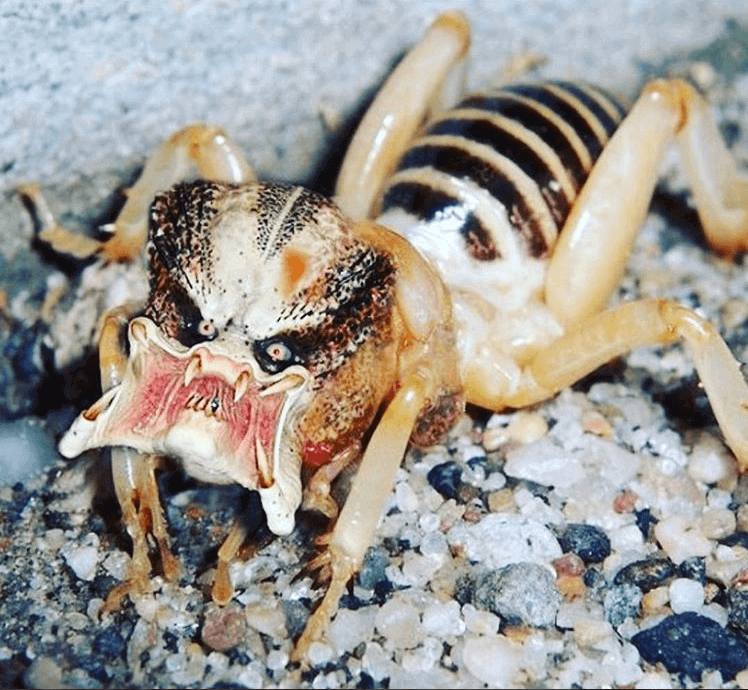
Potatoes are susceptible to a variety of pests that can cause significant damage to the crop. The most common pests include:
- Colorado Potato Beetle: One of the most notorious potato pests, these beetles can quickly defoliate a potato plant.
- Wireworms: The larvae of click beetles, wireworms bore into potatoes, causing internal damage.
- Potato Aphids: These small insects suck the sap from potato leaves, weakening the plant and potentially transmitting diseases.
- Flea Beetles: They can create small holes in the leaves, which can lead to further complications and stress for the plant.
- Cutworms: These caterpillars feed on young potato plants, often cutting them off at the base.
Symptoms of Infestation
Identifying the presence of pests in a potato crop is crucial for effective management. Some common symptoms include:
- Leaf damage: Look for holes or discoloration in the leaves, which could indicate pest activity.
- Wilting plants: Infested plants may show signs of wilting or stunted growth due to sap loss or damage.
- Visible pests: Spotting pests themselves on the plants or in the soil can provide a direct clue to an infestation.
- Deformed potatoes: Below-ground damage may manifest as deformed or necrotic tubers when harvested.
- Increased disease incidence: If diseases spread through pests, observing increased disease presence can alert growers.
Pest Control Strategies
Effective management of pests is essential to protect potato crops. Some strategies include:
- Crop rotation: Switching planting locations yearly helps disrupt the life cycles of soil-borne pests.
- Pesticides: Application of appropriate insecticides can reduce pest populations significantly.
- Biological control: Introducing natural predators, such as ladybugs, can help manage pest levels sustainably.
- Physical barriers: Using row covers or nets can physically block pests from reaching the plants.
- Monitoring and scouting: Regularly checking for pests allows for early intervention and management.
Preventative Measures
Taking preventive measures can significantly reduce the risk of pest infestations in potato crops. Key practices include:
- Healthy seed selection: Always choose disease-free, high-quality seed potatoes to reduce potential issues.
- Soil health management: Healthy soil promotes robust plants, making them less susceptible to pests.
- Proper irrigation: Avoid over-watering, which can create conditions conducive to pests.
- Regular inspections: Checking plants regularly allows for early detection and management of pests.
- Intercropping: Planting potatoes alongside other crops can confuse pests and reduce infestations.
Conclusion of Impact on Yield
The presence of pests not only affects the health of potato plants but can also significantly impact crop yield. Management strategies need to be effectively implemented to mitigate these effects.
Questions from Our Readers
What are the most common pests that affect potatoes?
The most common pests that affect potatoes include aphids, Colorado potato beetles, wireworms, and potato tuber moths. These pests can cause significant damage by feeding on the leaves, stems, and tubers, leading to reduced crop yields.
How can I prevent pests from damaging my potato crop?
To prevent pests from damaging your potato crop, implement crop rotation, use resistant varieties, and introduce natural predators. Additionally, maintaining good garden hygiene and monitoring for early signs of infestations can also be effective in controlling pest populations.
What organic methods can be used to control pests on potatoes?
Organic methods to control pests on potatoes include using insecticidal soaps, applying diatomaceous earth, and employing companion planting. These strategies help to create a less inviting environment for pests while minimizing chemical usage.
See also:
When should I inspect my potato plants for pests?
You should inspect your potato plants for pests regularly, especially during the early stages of growth and around harvest time. Regular monitoring can help you identify and deal with any pest issues before they escalate, ensuring a healthier crop.

If you want to read more articles like What Pests Must Be Kept Away from Potatoes: Essential Tips for a Healthy Harvest, we recommend you check out our Gardeners category.
Leave a Reply
Related Articles