How Long Does It Take for a Banana to Grow? A Complete Guide to Banana Growth Stages

Bananas are one of the most popular fruits worldwide, known for their sweetness, versatility, and nutritional benefits. But have you ever wondered how long it takes for a banana to grow from a small plant to the delicious fruit we enjoy? Understanding the stages of banana growth can provide valuable insights for farmers, gardeners, and fruit enthusiasts alike. In this complete guide, we will explore the various phases involved in banana development, including planting, flowering, and fruit maturation. Join us as we delve into the timeline and factors that influence banana growth, ensuring a fruitful harvest.
How Long Does It Take for a Banana to Grow?
Growing a banana takes approximately 9 to 12 months from planting until the fruit is ready for harvest. The process begins with the banana plant developing a robust root system followed by the growth of a pseudostem that brings forth large, striking leaves. Once the plant reaches maturity, a flowering structure known as the inflorescence emerges, leading to the development of clusters of bananas. Environmental factors such as temperature, humidity, soil quality, and water availability play a significant role in the growth timeline, as bananas thrive in tropical climates.
Factors Affecting Banana Growth Time
The growth rate of bananas is influenced by several factors that include climate, soil health, and water supply. Bananas grow best in warm, tropical regions where temperatures range between 26°C and 30°C (79°F to 86°F). Adequate rainfall or irrigation is also crucial, as bananas require a lot of water. Additionally, nutrient-rich soil with good drainage enhances the growth rate, allowing the bananas to develop and ripen within the ideal 9- to 12-month timeframe.
Stages of Banana Plant Development
The banana plant undergoes multiple stages from planting to harvest, beginning with the rhizome stage, where a sucker or a tissue-cultured plant is sown into the soil. This is followed by the vegetative stage, lasting about 6 months, where it develops leaves and a strong stem. Then comes the flowering stage, occurring around 7 to 9 months after planting, where the inflorescence develops, ultimately leading to the formation of the fruit. Finally, the fruiting stage can take an additional 2 to 3 months before the bananas are ready to be harvested.
Ideal Growing Conditions for Bananas
Bananas require specific growing conditions for optimal growth, which include warm temperatures, sufficient sunlight, and nutrient-dense soil. They thrive in full sun with at least 12 hours of sunlight daily. The ideal soil is loamy, rich in organic material with a pH between 5.5 and 7.0. Proper spacing between plants is also essential for adequate air circulation and light penetration, which can further enhance the growth speed and health of the banana plants.
Harvesting and Ripening Process
Once the bananas reach maturity, which is typically 3 to 4 months after flowering, they undergo a harvesting process. Bananas are usually harvested while still green to allow for transport. After harvesting, they continue to ripen, a process accelerated by exposure to ethylene gas. This ripening phase is where the bananas transition from green to yellow and develop their sweet flavor.
Common Varieties of Bananas and Their Growth Times
There are multiple varieties of bananas, with some taking longer to grow than others. The most common variety, the Cavendish, typically takes 9 months from planting to harvest in ideal conditions. Other varieties, like the Red Banana or Burro Banana, may take slightly longer due to differences in growth requirements and characteristics. Here’s a comparative table showing the average growth times of different banana varieties:
| Banana Variety | Growth Time (Months) |
|---|---|
| Cavendish | 9 |
| Red Banana | 10-12 |
| Burro Banana | 10-11 |
| Lady Finger Banana | 10-12 |
| Apple Banana | 9-11 |
How fast can a banana grow?

Bananas grow relatively quickly compared to many other fruit-bearing plants. The growth rate can vary depending on various factors such as the species of banana, environmental conditions, and cultivation practices. Typically, a banana plant can take about 9 to 12 months from planting to produce a mature bunch of bananas. Once the plant is established and conditions are favorable, its growth rate can be astonishing, with some plants growing up to 1 inch per day under optimal conditions.
The Lifecycle of a Banana Plant
The lifecycle of a banana plant can be divided into several key stages:
- Planting: When a banana plant is first planted, it goes through a juvenile phase where it develops roots and leaves.
- Vegetative Growth: This stage is marked by rapid leaf production and plant height increase, which can occur over several months.
- Flowering: After about 6 to 8 months, the plant will begin to flower, a critical point in its lifecycle.
- Fruit Development: Once the flowers are pollinated, the bananas begin to form, maturing over the next few months.
- Harvest: Finally, the bananas can be harvested after approximately 9 months of growth from planting.
Factors Influencing Growth Rate
Several factors can significantly impact how quickly a banana plant grows:
- Climate: Bananas thrive in tropical climates with warm temperatures and high humidity, which accelerates growth.
- Soil Quality: Well-drained, nutrient-rich soil is ideal; poor soil quality can slow growth rates.
- Water Availability: Consistent watering is vital, as bananas require a lot of moisture to grow.
- Sunlight: Full sun exposure is essential, as insufficient light can stunt growth.
- Fertilization: Regular feeding with the right nutrients can boost the growth process significantly.
Common Banana Varieties and Their Growth
Different banana varieties exhibit varying growth traits, affecting their time to maturity:
- Cavendish: This is the most common commercial variety, taking about 9 months to reach maturity.
- Red Banana: These can take slightly longer, around 12 months, if conditions are ideal.
- Apple Banana: Known for their unique flavor, they also mature in about 9 to 11 months.
- Dwarf Variants: Some dwarf banana plants may mature more quickly, often taking about 8 to 10 months.
- Ornamental Bananas: These may take longer to fruit, often growing for over 12 months before yielding fruit.
Challenges in Banana Cultivation
Banana growth can face various challenges that impact the overall rate of development:
See also:
- Pests: Infestations from pests such as the banana weevil can hinder growth.
- Diseases: Fungal infections like Panama disease can devastate banana crops.
- Environmental Changes: Extreme weather conditions such as droughts or floods can delay growth.
- Nutrient Deficiency: Lack of vital nutrients can lead to stunted growth and poor fruit quality.
- Competition: Nearby plants can compete for resources, affecting nutrient and water availability.
Tips for Accelerating Banana Growth
To promote faster growth in banana plants, consider the following suggestions:
- Choose the Right Location: Select a sunny spot with good drainage for planting.
- Regular Watering: Ensure consistent moisture without waterlogging.
- Use Quality Fertilizers: Apply balanced fertilizer rich in potassium to enhance growth.
- Control Pests and Diseases: Regularly inspect plants and treat any infestations promptly.
- Thin Crowded Plants: Ensure adequate spacing between plants to reduce competition.
How many bananas does a banana tree produce in a year?
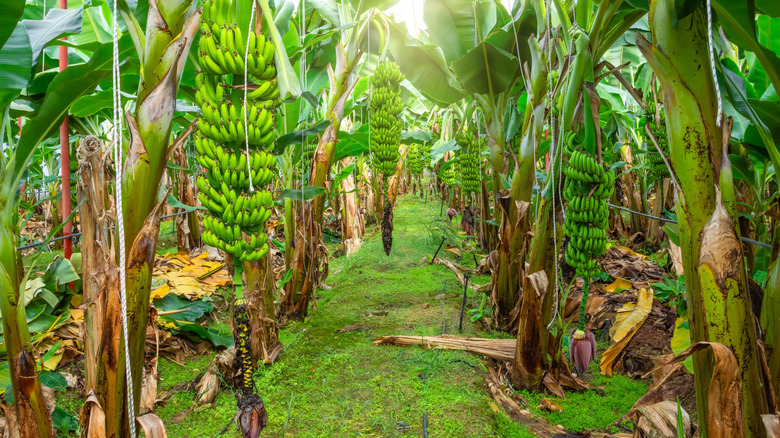
The number of bananas produced by a banana tree in a year can vary significantly based on multiple factors, including the variety of banana, growing conditions, and the care given to the plants. Typically, a healthy banana tree can yield 30 to 50 bananas per bunch, and each tree can produce about 9 to 15 bunches in a year. Therefore, the total production can range from 270 to 750 bananas annually per tree.
Factors Affecting Banana Production
The yield of bananas from a tree depends greatly on various environmental and agricultural factors.
- Climate: Ideal temperatures for banana trees are between 26°C to 30°C. Temperature fluctuations can impact growth.
- Soil Quality: Nutrient-rich soil, with good drainage, promotes better growth and higher yields.
- Water Availability: Proper irrigation is crucial, as banana trees require a lot of water for optimal growth.
Different Varieties of Bananas
Banana trees come in several varieties, which can significantly influence their yield.
- Cavendish: The most commonly cultivated variety, it generally produces higher yields.
- Red Bananas: These have a unique flavor but a typically lower production rate than Cavendish.
- Apple Bananas: These also offer a distinct taste and generally yield fewer bananas per tree compared to Cavendish.
Growing Conditions
The growing conditions heavily impact the overall productivity of banana trees.
- Sunlight: Banana trees require full sun for at least 12 hours a day for optimum growth.
- Spacing: Trees should be planted with enough space to avoid competition for nutrients and light.
- Wind Protection: Strong winds can damage banana trees; thus, they should be planted in sheltered areas.
Care and Maintenance
Proper care and maintenance practices are necessary to achieve maximum yield from banana trees.
- Fertilization: Regular feeding with fertilizer tailored to banana trees can significantly enhance growth.
- Weed Control: Keeping the area around the trees free of weeds will help avoid competition for nutrients.
- Pest Management: Monitoring for pests and diseases is crucial to maintain healthy trees and maximize yields.
Harvesting Techniques
Effective harvesting techniques also contribute to the yield of bananas from a banana tree.
- Timing: Harvesting at the right time is essential; bananas must be picked when they are full-sized but still green.
- Method: Using sharp tools helps minimize damage to the tree and allows for cleaner cuts.
- Handling: Careful handling during harvest prevents bruising, ensuring more bananas reach the market in good condition.
How long does it take for a banana plant to give fruit?

A banana plant typically takes about 9 to 12 months from planting to produce fruit. This duration can vary based on several factors, including the specific banana variety, environmental conditions, and care given to the plant. After the initial growing period, it takes an additional 2 to 6 months for the bananas to mature once the flower clusters appear. Hence, the total time from planting to harvesting could be approximately 12 to 18 months.
Factors Affecting Fruit Production
The time it takes for a banana plant to bear fruit can be influenced by several factors:
- Climate: Banana plants thrive in tropical climates with warm temperatures and high humidity. Colder climates can delay fruiting.
- Soil Quality: Nutrient-rich, well-drained soil promotes healthy growth and quicker fruiting.
- Watering: Adequate watering is crucial, as both over-watering and under-watering can hinder growth.
Banana Varieties
Different varieties of banana plants can also affect how long it takes them to produce fruit:
- Cavendish: This variety is among the most commonly grown and usually produces fruit in about 9 to 12 months.
- Red Bananas: They often take a little longer, approximately 12 to 15 months to reach fruit maturity.
- Apple Bananas: Known for their sweet taste, they typically take around 10 to 16 months to bear fruit.
Plant Care for Optimal Growth
Proper care is essential for maximizing the growth and fruiting potential of banana plants:
See also:
- Nutrient Management: Regular fertilization with potassium-rich fertilizers promotes better fruit development.
- Pest Control: Protecting the plant from pests like banana weevils can prevent damage and ensure healthy fruit production.
- Support Structures: Providing stakes or supports for the plant can help prevent it from toppling over, especially during fruiting.
Signs of Upcoming Fruit
As banana plants mature, certain signs indicate that they are ready to produce fruit:
- Flower Development: The emergence of flower clusters or hands signals the fruiting phase is imminent.
- Leaf Quality: Healthy, vibrant leaves indicate a strong plant, which is more likely to fruit sooner.
- Height and Sturdiness: A well-grown banana plant, typically over 5 feet, is more likely to produce fruit.
Harvesting Time
Once the bananas begin to develop, it generally takes a few months before they are ready for harvesting:
- Fruit Size: Bananas should be fully sized but still green when ready to harvest.
- Color Change: As they mature, bananas should start transitioning from bright green to a lighter green.
- Flower Decay: The flower at the end of the banana bunch will fall off as the fruit matures.
Can I grow a banana tree from a banana?

Banana plants cannot be grown from the banana fruit itself. Instead, they propagate through their underground rhizomes or from suckers that arise from the base of the plant. The banana fruit does contain seeds, but these are typically not viable for growing new plants in commercially cultivated varieties. Below are related sections that provide more insight into the topic.
Understanding Banana Plant Propagation
The primary method of propagating banana plants is through vegetative propagation. This process involves using parts of the plant rather than seeds. Typically, banana plants send out shoots from the base, known as suckers, which can be separated and planted as new trees.
- Suckers - These are young shoots that grow from the base of the mother plant.
- Rhizomes - These are underground stems that can produce new shoots and roots.
- Tissue Culture - A scientific method used to propagate plants in a controlled environment.
The Role of Seeds in Banana Plants
While many people think bananas are grown from seeds, this is not the case for most cultivated varieties. The bananas we typically consume are nearly seedless, as they have been selectively bred for their edible flesh. The seeds in these bananas are small and not functional for growing new plants.
- Seeds - In wild varieties, seeds are present and can theoretically produce plants.
- Viability - Most commercial bananas have non-viable seeds, thus making them unsuitable for planting.
- Genetics - The genetic modification and breeding processes have created seedless bananas.
Steps to Grow a Banana Plant from a Sucker
To successfully grow a banana tree, it's recommended to use a sucker from a healthy, mature banana plant. This method is more reliable than attempting to grow a plant from fruit.
- Select a healthy sucker - Choose a sucker that is at least 3 feet tall.
- Remove the sucker - Carefully dig it out without damaging the roots.
- Plant the sucker - Place it in well-draining soil, ensuring it has enough space to grow.
Care Requirements for Banana Plants
Banana plants require specific conditions to thrive, which include proper light, temperature, and water. Understanding these requirements is essential for successful growth.
- Sunlight - Banana plants need in full sun for at least six hours per day.
- Water - Regular watering is crucial, as they prefer moist but well-drained soil.
- Nutrients - Use a balanced fertilizer to promote healthy growth during the active growing season.
Common Challenges in Growing Banana Trees
Growing banana plants can come with its challenges, including pests, diseases, and environmental factors. Awareness of these can help in managing a healthy plant.
- Pests - Watch out for common pests like aphids and spider mites.
- Diseases - Fungal diseases like Panama disease can be detrimental to banana plants.
- Environmental factors - Extreme temperatures and wind can damage banana plants.
Questions from Our Readers
How long does it take for a banana to fully grow?
Banana plants typically take between 9 to 12 months to grow and produce fruit. However, this timeframe can vary depending on factors such as climate, soil quality, and the specific banana variety being cultivated.
When are bananas ready to be harvested?
Bananas are generally considered ready for harvest when they are still green and the fruits have reached their full size, which is usually around 75% mature. They are often harvested before they ripen to ensure they can be transported without damage.
Does growing bananas depend on weather conditions?
Yes, growing bananas is highly dependent on weather conditions. These plants thrive in warm, tropical climates with consistent rainfall; temperatures below 50°F (10°C) can stunt growth and affect the overall health of the plant.
Can bananas grow in non-tropical regions?
While bananas primarily grow in tropical regions, they can be cultivated in subtropical and even temperate areas, provided that the growing conditions are managed, such as using protective measures against cold temperatures and ensuring proper irrigation.
See also:

If you want to read more articles like How Long Does It Take for a Banana to Grow? A Complete Guide to Banana Growth Stages, we recommend you check out our Seeds category.
Leave a Reply
Related Articles