What is the Best Month to Plant Hydrangeas? A Comprehensive Guide for Gardeners
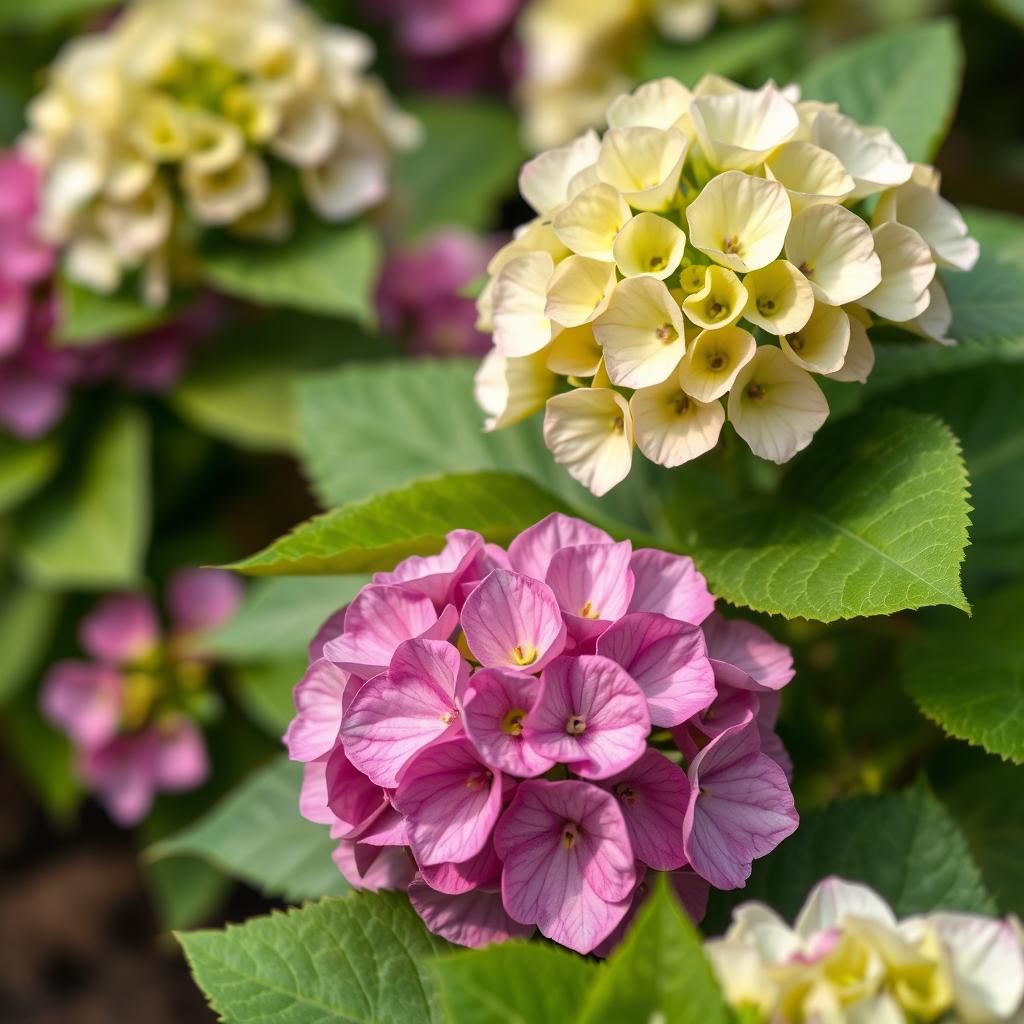
Choosing the optimal time to plant hydrangeas can significantly impact their growth and blooming potential. These stunning flowering shrubs are a favorite among gardeners for their lush foliage and vibrant blossoms. However, understanding the best month to plant hydrangeas is crucial for ensuring their health and longevity. This comprehensive guide will explore the factors that influence planting times, including climate zones, soil temperature, and plant variety. Whether you are a seasoned gardener or a novice, this article will provide the essential information needed to successfully cultivate these beautiful plants and enhance your garden’s aesthetic appeal.
What is the Best Month to Plant Hydrangeas?
Planting hydrangeas at the right time is crucial for their healthy growth and blooming. The best time to plant them is typically in the spring or fall. In spring, after the last frost, the soil begins to warm, which encourages strong root development. Fall is also an excellent time as it allows the plants to establish themselves before the cold winter sets in. If you live in a warmer climate, planting in the early fall gives hydrangeas ample time to settle in before the heat of the next summer. By choosing the right month based on your local climate, you can ensure your hydrangeas thrive.
Spring Planting Benefits
Spring planting allows hydrangeas to take full advantage of the warmer temperatures and longer daylight hours as they grow. The soil is typically warming, which promotes quicker root establishment. This is especially important for varieties that require more time to acclimatize. Additionally, planting in spring allows you to enjoy blooms during the same growing season.
Fall Planting Advantages
Planting hydrangeas in the fall has unique benefits, particularly in regions with mild winters. During fall, plants can focus on developing roots without the stress of extreme heat, making it a prime time for establishing a strong foundation. Moreover, fall planting ensures that hydrangeas will be ready to thrive as soon as the spring flowers bloom.
Regional Climate Considerations
The best month to plant hydrangeas greatly depends on your local climate. In regions with harsh winters, it's advisable to plant in late spring when the danger of frost has passed. Conversely, in warmer areas, early fall may be the perfect time, allowing the plants to settle in before the summer heat intensifies. Always consider the specific conditions of your zone to optimize planting success.
Soil Temperature and Hydrangea Growth
The temperature of the soil significantly influences the growth of hydrangeas. Ideal soil temperatures for planting should be consistently above 60°F (15°C). Monitoring soil temperature is key when deciding the exact month for planting. If planted too early, cold soil can hinder root growth, while well-timed planting in appropriate temperatures encourages vigorous growth.
See also:
Watering and Care Post-Planting
Regardless of whether you choose spring or fall for planting hydrangeas, proper watering and care after planting is essential. Newly planted hydrangeas need regular watering to help establish their roots, especially during the first few weeks. It's important to monitor soil moisture and adjust your care routine accordingly to ensure the health of your plants throughout their establishment period.
| Season | Best Timing | Advantages |
|---|---|---|
| Spring | After last frost | Quick root establishment |
| Fall | Early fall | Strong root foundation |
What month do I plant hydrangeas?

To plant hydrangeas, the best time is typically in the spring or fall. For the most optimal results, you should aim to plant them in April or May in the spring, once the danger of frost has passed. In the fall, planting can be done from September to October. This timing allows the plants to establish their roots before the extremes of winter or summer.
Optimal Planting Seasons
Planting seasons play a crucial role in the successful growth of hydrangeas. The ideal time frames for planting are:
- Spring: April to May is recommended as the weather becomes milder.
- Fall: September to October is also a favorable planting period before the cold sets in.
- Climate Considerations: The precise timing can vary based on local climate conditions.
Soil Preparation
Proper soil preparation is essential before planting hydrangeas. The following steps should be followed:
- Test Soil pH: Hydrangeas thrive in slightly acidic to neutral soil.
- Add Organic Matter: Incorporate compost or well-rotted manure into the soil to improve texture and nutrients.
- Good Drainage: Ensure that the soil drains well to prevent root rot.
Choosing the Right Location
The location for planting hydrangeas significantly influences their growth and blooming. Consider these factors:
See also:
- Sunlight: Hydrangeas prefer locations with partial shade to avoid scorching.
- Protection from Wind: A sheltered spot can help safeguard them against harsh weather.
- Spacing: Ensure there is enough distance between plants for air circulation.
Watering Guidelines
Hydrangeas have specific watering needs, especially after planting. Follow these guidelines:
- Initial Watering: Water thoroughly right after planting to help establish roots.
- Regular Moisture: Keep the soil consistently moist but not soggy throughout the growing season.
- Mulching: Apply mulch around the base to retain moisture and suppress weeds.
Aftercare Tips
Once your hydrangeas are planted, proper care ensures their health and vibrant blooms. Here are key tips:
- Fertilization: Use a balanced fertilizer in early spring for robust growth.
- Pruning: Depending on the variety, prune at the right time to encourage new growth.
- Monitoring for Pests: Check regularly for pests and diseases to act promptly.
Questions from Our Readers
What is the best month to plant hydrangeas?
The best month to plant hydrangeas is typically in spring after the last frost, usually around April or May. This timing allows the plants to establish their roots before the summer heat sets in, promoting healthier growth.
Can hydrangeas be planted in the fall?
Yes, hydrangeas can be planted in early fall, usually in September or October, depending on your local climate. This gives the plants enough time to settle in before the cold winter months, though it's essential to ensure they have adequate water.
What conditions do hydrangeas require when planting?
Hydrangeas thrive in well-drained soil and prefer partial shade to full sun, with many varieties benefiting from protection against intense afternoon sun. Ensuring the right moisture levels and nutrient-rich soil can significantly improve the growth and blooming of your hydrangeas.
How do I care for newly planted hydrangeas?
After planting, it's crucial to keep the soil consistently moist but not soggy. Applying a layer of mulch can help retain moisture and regulate soil temperature, while regular pruning in the appropriate season can encourage better bloom in the following year.
See also:

If you want to read more articles like What is the Best Month to Plant Hydrangeas? A Comprehensive Guide for Gardeners, we recommend you check out our Gardeners category.
Leave a Reply
Related Articles