Ultimate Caterpillar Identification Chart Australia: Step-by-Step Guide to Recognizing Common Species
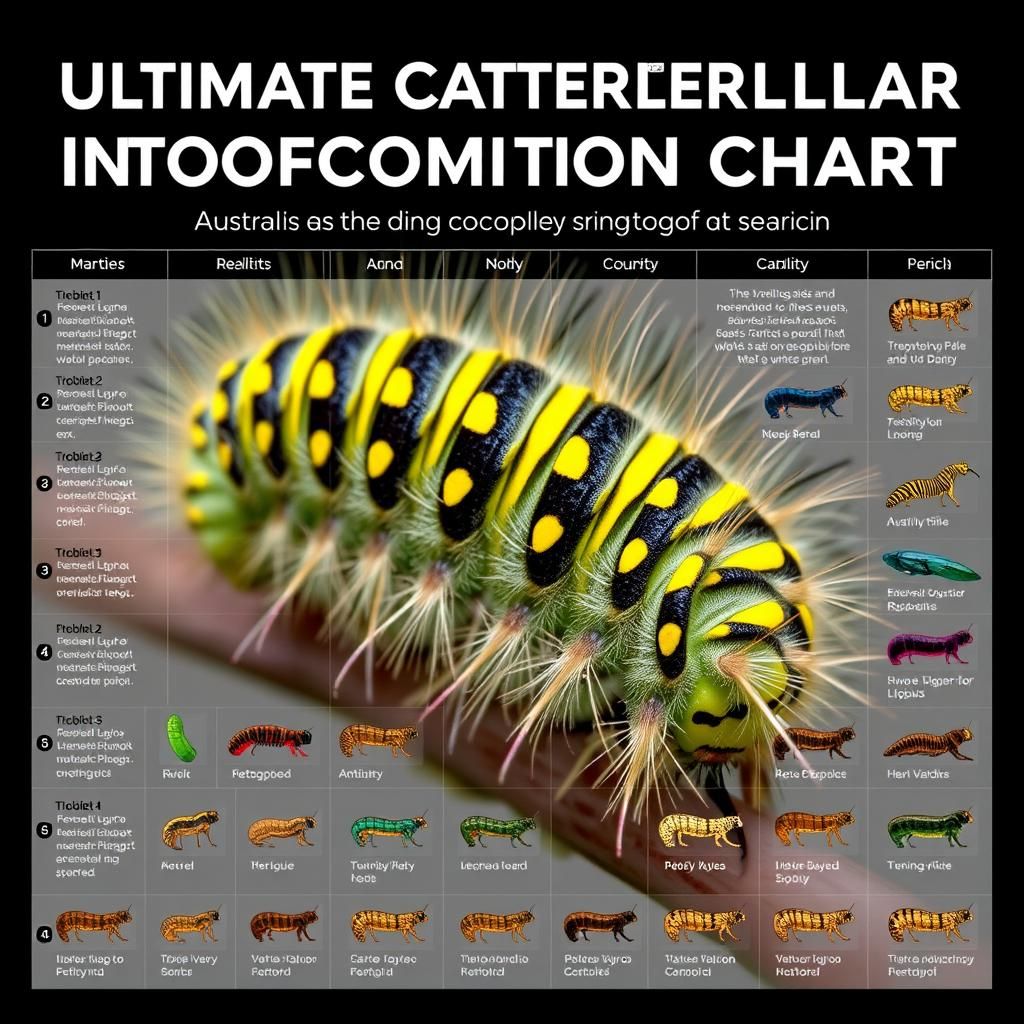
Caterpillars are fascinating creatures that play a vital role in Australia's ecosystem. Identifying them can be an exciting yet challenging task, as many species exhibit strikingly similar features. This ultimate caterpillar identification chart serves as a comprehensive guide, providing step-by-step instructions to help enthusiasts and nature lovers recognize common species found across the continent. Whether you are a budding entomologist, a gardening aficionado, or simply curious about the natural world, this guide will equip you with the knowledge to differentiate between various caterpillars. Dive into the colorful world of these extraordinary larvae and enhance your understanding of Australia's unique biodiversity.
Caterpillar Identification Chart for Australia
Identifying caterpillars in Australia can be a fascinating endeavor, as the diverse ecosystems host a wide variety of species, each with unique characteristics. A caterpillar identification chart can be a valuable tool for enthusiasts and researchers alike, enabling them to accurately determine the species based on color, size, and specific markings. Australian caterpillars often feature bright colors and distinctive patterns, which serve as both camouflage and warning signals to predators. By utilizing this chart, one can learn about their habitats, behaviors, and ecological roles within the Australian environment, making it easier to appreciate the intricate life stages of butterflies and moths.
Identifying Common Australian Caterpillars
Many common Australian caterpillars can be identified by their specific morphological features. Key characteristics to observe include body shape, coloration, and the presence of hair or spines. For example, the Cabbage White caterpillar appears green with a slight fuzziness, while the Sphinx Moth caterpillar is known for its distinctive horn and stout body. Knowing these traits allows for correct identification, which is crucial for conservation and gardening purposes.
Understanding Caterpillar Life Cycles
Caterpillars undergo a fascinating life cycle consisting of four stages: egg, larva, pupa, and adult. After hatching from eggs, caterpillars enter the larval stage, which is primarily focused on feeding and growth. This stage can last from a few weeks to several months, depending on the species and environmental conditions. During this time, caterpillars may molt several times, shedding their skin as they outgrow it. Understanding this cycle is essential for anyone wishing to study or conserve these insects.
Common Plants and Host Preferences
Caterpillar identification charts often include information on host plants, as different caterpillar species have specific dietary preferences. For instance, the Common Mistletoe caterpillar feeds exclusively on mistletoe, while the Painted Lady caterpillar prefers thistles. Knowing which plants caterpillars are associated with can enhance identification efforts and aid in gardening practices, allowing enthusiasts to create favorable habitats for butterflies.
Ecological Importance of Caterpillars
Caterpillars play a significant role in the ecosystem, serving as a food source for various birds, mammals, and insects. They are also crucial for pollination processes, indirectly supporting plant reproduction. Furthermore, as they feed, caterpillars contribute to nutrient cycling within their habitats, breaking down plant material and providing organic matter that enriches the soil. Understanding the ecological importance of these larvae is vital for promoting biodiversity and conservation efforts.
Safety and Handling of Caterpillars
When handling caterpillars, caution is advised due to the potential presence of toxins or irritants in certain species. Some caterpillars possess hair or spines that can cause skin irritation or allergic reactions if touched. It's important to use tools like tweezers or gloves when working with unknown species. Additionally, ensuring you minimize stress to the caterpillar will aid in promoting its healthy transition to the next life stage. Practicing safe handling is essential for both the observer and the insect.
| Caterpillar Species | Host Plants | Coloration | Identification Features |
|---|---|---|---|
| Cabbage White | Broc, Kale | Green | Fuzzy Texture |
| Sphinx Moth | Nightshade | Green/Brown | Distinctive Horn |
| Common Mistletoe | Mistletoe | Green | Long and Delicate |
| Painted Lady | Thistles | Varied | Striped Body |
How do I find out what kind of caterpillar I have?

To identify the kind of caterpillar you have, you can follow several systematic steps. Begin by observing its physical characteristics, behavior, and the environment where it was found. Here’s how you can proceed:
Observe Physical Characteristics
One of the most critical steps in identifying a caterpillar is examining its physical features. Different species exhibit various colors, patterns, and body shapes. Consider the following:
- Color: Notice if the caterpillar is green, brown, black, or brightly colored.
- Size: Measure the length and girth, as some species vary significantly in size.
- Hairiness: Check if the caterpillar is smooth, hairy, or spiny, as these traits can help narrow down species.
Document Geographic Location
The location where you found the caterpillar can be crucial in determining its species, as many caterpillars have specific habitat preferences. Make sure to note:
- Region: Identify if you are in a rural, suburban, or urban area.
- Type of Vegetation: Take note of nearby plants, as many caterpillars are host-specific.
- Season: The time of year can affect which caterpillars are present.
Use Identification Guides and Resources
There are numerous resources available, including field guides and online databases, that can aid in caterpillar identification. Utilize these tools:
- Field Guides: Purchase or borrow local field guides that specialize in caterpillars and moths.
- Online Databases: Websites like Butterflies and Moths of North America provide extensive directories and images.
- Mobile Apps: Consider downloading apps specifically designed for insect identification, which often allow you to upload photos for help.
Consult with Experts
Sometimes, reaching out to experts can be the quickest way to identify your caterpillar. There are options available:
- Entomologists: Contact local universities or research institutions to speak with an entomologist.
- Online Forums: Post clear pictures and descriptions on entomology forums or social media groups dedicated to insects.
- Nature Centers: Visit local nature centers, which often have staff knowledgeable about local fauna.
Engage in Observation Behavior
Understanding how the caterpillar behaves can sometimes provide clues for its identification. Look for:
See also:
- Movement Patterns: Notice if it moves quickly or slowly and whether it has distinct ways of navigating.
- Feeding Habits: Observe the plants it is eating, as many species are specialized feeders on certain types of plants.
- Resting Position: Take note of how it rests; some caterpillars have unique positions they assume when not feeding.
How do I identify an Australian caterpillar?
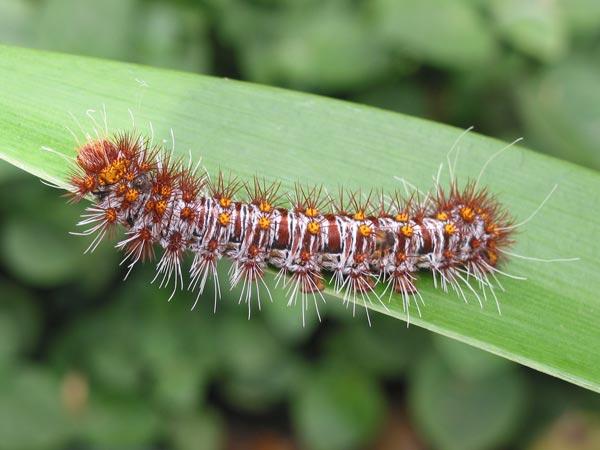
To identify an Australian caterpillar, there are several steps and characteristics to consider. Australian caterpillars can vary significantly in appearance based on their species, but many share common features that can help in their identification.
Physical Characteristics
When examining a caterpillar, focus on its physical traits, which can provide significant clues for identification.
- Color: Australian caterpillars can exhibit a wide range of colors including green, black, brown, and even vibrant hues like yellow or orange.
- Size: Measure the caterpillar's length; they can range from a few millimeters to several centimeters.
- Body shape and texture: Observe whether the caterpillar has a smooth body or if it's covered in spines, hairs, or bumps. Some may even have body extensions that mimic twigs or leaves.
Host Plants
Identifying the host plants that caterpillars feed on can be extremely useful.
- Specificity to plants: Certain caterpillars are exclusive to particular plants, localizing their identification based on where they are found.
- Plant types: Common host plants include eucalypts, wattles, and native shrubs. Knowing these plants can guide you in identifying associated caterpillars.
- Feeding signs: Look for signs of feeding such as holes or damaged leaves, which may indicate the presence of caterpillars nearby.
Behavioral Traits
Behavior can also be a clue in identifying caterpillars.
- Movement style: Some caterpillars move in a distinctive looping manner, while others may sway back and forth to mimic a leaf.
- Defensive behaviors: Observe if the caterpillar displays any defensive mechanisms, such as dropping to the ground or curling up when disturbed.
- Feeding times: Understanding when caterpillars are most active can also aid in identification, as some are primarily nocturnal.
Lifespan and Development Stages
The lifecycle of a caterpillar can reveal valuable information.
- Egg stage: Research if you can find eggs on the host plant. Identifying the eggs can lead to understanding which caterpillar species they hatch into.
- Different instars: Caterpillars go through several stages called instars, and their appearance can change significantly throughout these stages, which is crucial for accurate identification.
- Pupal stage: Understanding the pupal phase can provide insight into the complete life cycle and help recognize specific caterpillar species.
Online Resources and Guides
Utilizing online resources can significantly enhance your identification process.
- Identification websites: Websites dedicated to Australian wildlife often have detailed information and images of various caterpillar species.
- Mobile apps: Several apps allow for quick identification using photographs, making it easier to learn while in the field.
- Community forums: Engaging with online forums or local entomology groups can provide assistance and insights from those knowledgeable about Australian caterpillars.
What are the big hairy caterpillars in Australia?
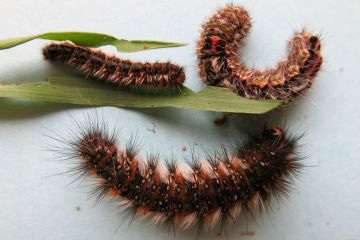
Identification of Big Hairy Caterpillars
Big hairy caterpillars in Australia are often found among various species, with several notable ones gaining attention for their distinct characteristics. These caterpillars typically have a fuzzy or hairy appearance that serves as a defense mechanism against predators. Common species include:
- Lonomia obliqua
- Hyalophora gloveri
- Harpagophorus trachyscelis
Each of these species has unique color patterns and hair types that aid in their identification.
Habitat and Distribution
Big hairy caterpillars can be found across various ecosystems in Australia, thriving in environments that support their life cycle. They commonly inhabit:
- Open forests
- Woodlands
- Gardens and parks
These habitats provide them with ample food sources, primarily consisting of leaves from native plants.
Life Cycle and Development
The life cycle of these caterpillars is intriguing, consisting of four main stages: egg, larva, pupa, and adult moth. The development process includes:
- Egg stage: Females lay eggs on host plants.
- Larval stage: Caterpillars hatch and begin to feed voraciously.
- Pupal stage: Caterpillars enter a cocoon to undergo metamorphosis.
The transformation from caterpillar to moth can take several weeks, influenced by environmental conditions.
See also:
Diet and Feeding Habits
Big hairy caterpillars are primarily herbivorous, feeding on the foliage of specific plants. Their feeding habits include:
- Grazing on leaves: Caterpillars consume a significant amount of leaf material.
- Selective feeding: They often prefer young, tender leaves from particular host plants.
- Impact on vegetation: Their feeding can sometimes lead to noticeable damage in local flora.
Understanding their diet is essential for the management of these species in natural ecosystems.
Potential Dangers and Precautions
While big hairy caterpillars may be fascinating, they can also pose risks to humans and pets. Some species have urticating hairs or venomous spines that can cause skin irritation or allergic reactions. Awareness includes:
- Handling precautions: It's advisable not to touch caterpillars unless you are certain they are harmless.
- Symptoms of irritation: Be aware of symptoms like redness, itching, or swelling following contact.
- Education: Learning about local species can help avoid negative encounters.
Taking these precautions can enhance safety while observing these fascinating creatures in their natural habitats.
How do you tell how old your caterpillar is?
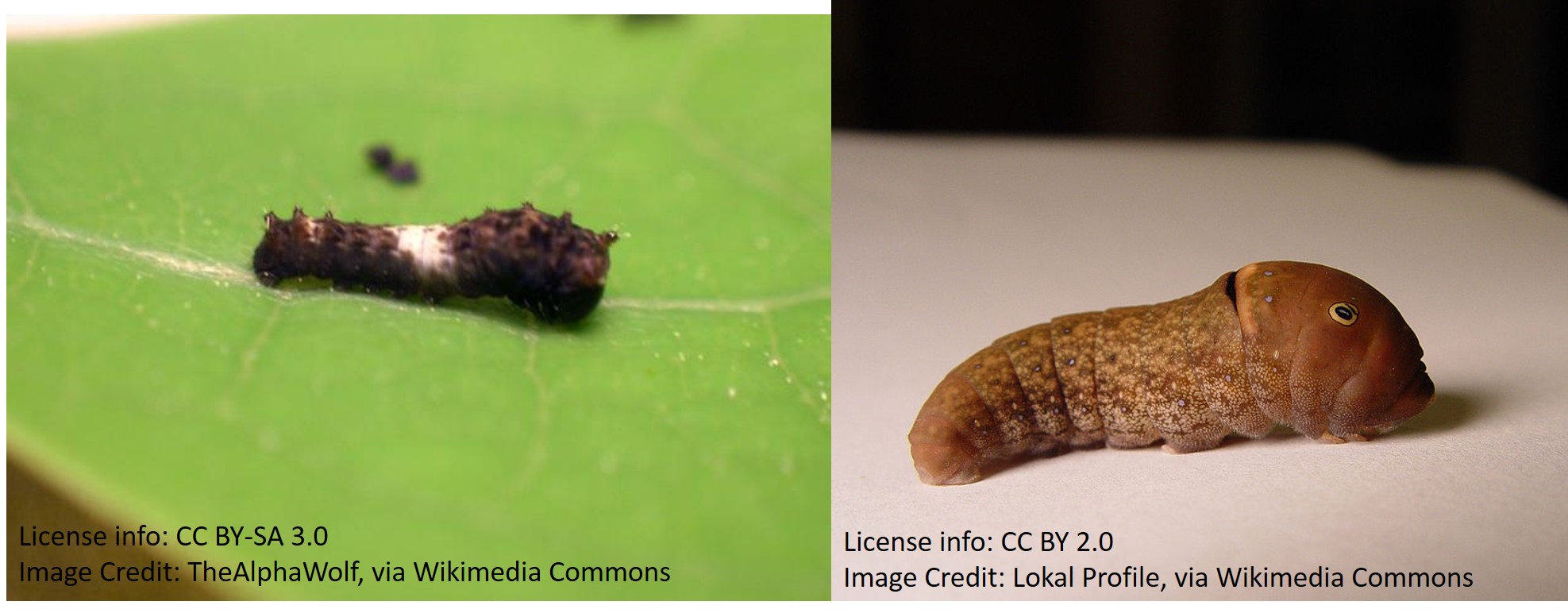
To determine the age of a caterpillar, one must observe several key factors, including their size, instar stages, behavior, and feeding habits. Understanding these aspects can help you estimate how long the caterpillar has been growing. Here’s a detailed breakdown:
Understanding Instar Stages
The instar stage is a crucial factor in estimating the age of a caterpillar. Caterpillars grow by molting, shedding their skin several times throughout their development. There are typically five to six instar stages before they become pupae.
- First Instar: Typically occurs shortly after hatching from the egg.
- Fifth Instar: The final stage before pupation; caterpillars are usually much larger and more active.
- Instar Duration: Each instar stage lasts a different amount of time, depending on species and environmental conditions.
Observing Growth Patterns
Caterpillars exhibit distinct growth patterns which can provide insight into their age. Noting changes in size and body structure can significantly help in gauging their age.
- Size Increase: As caterpillars grow older, they will increase in size noticeably.
- Body Changes: They may become more robust or change color as they transition between stages.
- Moulting Frequency: Caterpillars that have molted several times are older compared to those that have not.
Feeding Habits
The feeding habits of a caterpillar can also indicate its age. Younger caterpillars may feed less voraciously compared to older ones, who tend to consume more leaves and grow rapidly.
- Amount of Consumption: Older caterpillars will consume larger quantities of leaves.
- Feeding Behavior: They may be more aggressive in seeking food sources.
- Diet Variety: Older caterpillars might explore a wider variety of plants compared to younger ones.
Coloration and Texture
The coloration and texture of a caterpillar can change as it matures. Observing these changes can provide clues about its developmental stage and approximate age.
- Color Changes: Many caterpillars darken or change color as they age.
- Skin Texture: Older caterpillars may develop a smoother or more wrinkled appearance.
- Spotting and Markings: Unique patterns may emerge in older caterpillars, indicating maturity.
Environmental Factors
Environmental factors can play a significant role in the growth and development of caterpillars. These can sometimes affect their age indirectly.
- Temperature: Warmer conditions may speed up growth, leading to a faster maturation process.
- Food Availability: Rich food sources can enhance growth rates and affect age.
- Seasonal Changes: Caterpillars may develop differently based on the time of year and climatic conditions.
Questions from Our Readers
What is a caterpillar identification chart?
A caterpillar identification chart is a visual guide that helps individuals recognize various species of caterpillars based on their physical characteristics, such as color, size, and markings. This tool is particularly useful for gardeners, entomologists, and nature enthusiasts interested in identifying and studying these intriguing larvae.
Why is it important to identify caterpillars in Australia?
Identifying caterpillars is crucial for several reasons, including understanding their role in the ecosystem and determining whether they are pests or beneficial insects. In Australia, certain caterpillars can cause significant damage to crops, while others may be valuable for biodiversity and serve as food for birds and other wildlife.
Where can I find a caterpillar identification chart specific to Australia?
You can find caterpillar identification charts specific to Australia through various sources, such as educational websites, field guides, and local nature organizations. Additionally, many universities and research institutions provide resources online that feature detailed illustrations and descriptions of Australian caterpillar species.
See also:
How can I use a caterpillar identification chart effectively?
To use a caterpillar identification chart effectively, first observe the caterpillar's size, color, and any distinctive markings. Then, compare these features with those on the chart to narrow down potential matches. It may also be helpful to note the host plant it was found on, as this can offer further clues about its identity.

If you want to read more articles like Ultimate Caterpillar Identification Chart Australia: Step-by-Step Guide to Recognizing Common Species, we recommend you check out our Weeds category.
Leave a Reply
Related Articles