What Conditions Do Pineapples Need to Grow: Essential Growing Requirements for Successful Cultivation
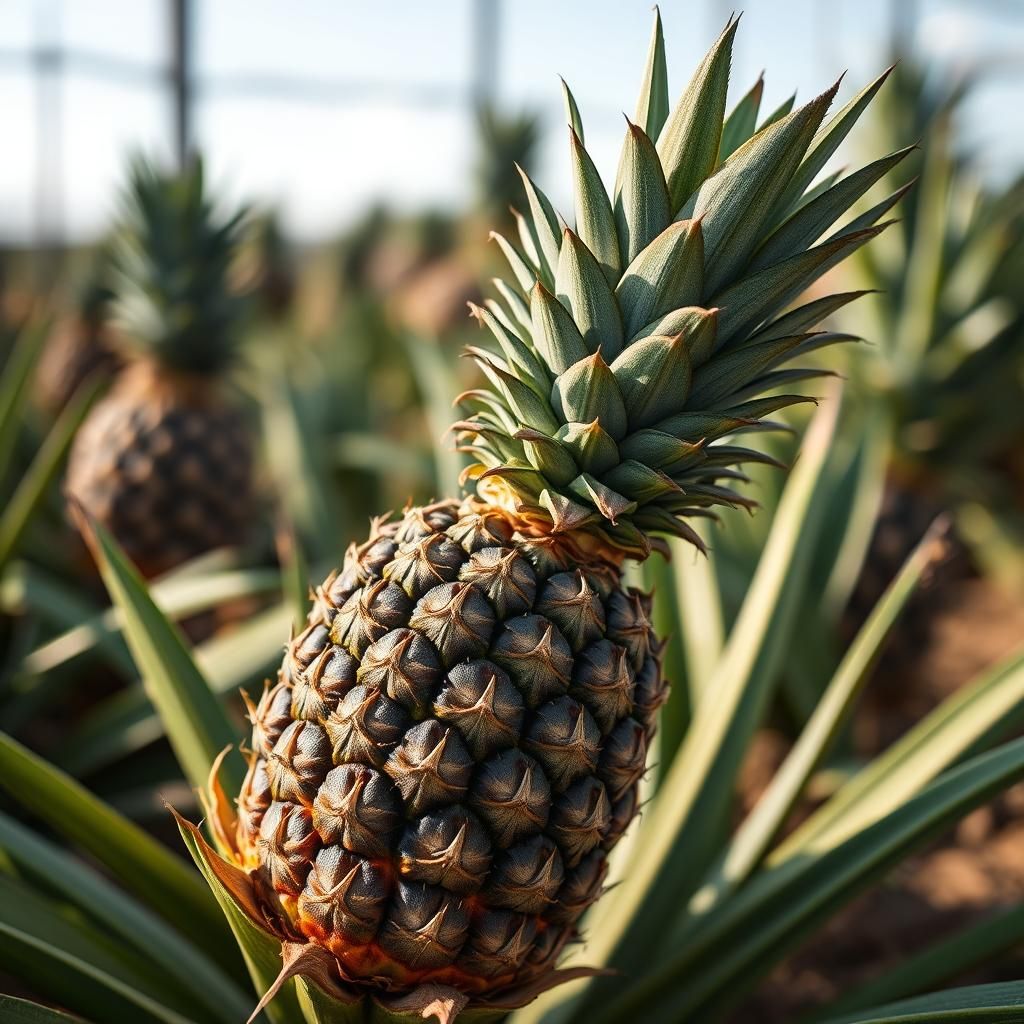
Pineapples are a tropical delight cherished for their sweet flavor and unique texture. However, successful cultivation of this exotic fruit requires careful attention to specific growing conditions. Understanding the essential requirements is crucial for both amateur gardeners and commercial growers aspiring to produce high-quality pineapples. In this article, we will explore the key conditions for pineapple growth, including climate, soil type, watering needs, and pest management. By delving into these factors, readers will gain valuable insights into nurturing healthy pineapple plants and maximizing yield, ensuring a fruitful harvest of this beloved tropical fruit.
Essential Growing Conditions for Pineapples
Pineapples thrive in specific conditions that ensure their healthy growth and high fruit yield. They require a warm climate with temperatures ranging between 65°F to 95°F (18°C to 35°C), and they benefit from full sunlight exposure for at least six hours a day. Pineapples prefer well-draining sandy or loamy soil with a slightly acidic pH of around 4.5 to 6.5. Adequate watering without waterlogging is crucial, as pineapples are susceptible to root rot if overwatered. Providing these ideal conditions will help in growing robust pineapple plants that are capable of producing sweet and juicy fruits.
Temperature Requirements
Pineapples need a stable temperature to grow effectively, ideally maintained between 65°F and 95°F (18°C to 35°C). They are sensitive to cold and can suffer damage if exposed to temperatures below 32°F (0°C) for extended periods. During cooler months, it is important to protect the plants from cold drafts and extreme weather to ensure healthy growth.
Sunlight Exposure
For optimal development, pineapples require full sunlight for a minimum of six hours a day. Sunlight helps in the process of photosynthesis, which is essential for the growth of this tropical fruit. Insufficient sunlight can lead to weak plants with stunted growth and fewer fruits. It is best to plant pineapples in areas where they receive abundant sunlight throughout the day.
Soil Requirements
Pineapples flourish in well-draining soil, ideally sandy or loamy, with a pH level of approximately 4.5 to 6.5. Poorly draining soil can lead to root rot, which significantly affects the plant's health. Soil should be rich in organic matter to provide the necessary nutrients, but it must also allow excess water to drain quickly to avoid water accumulation around the roots.
Watering Needs
While pineapples are drought-tolerant, they require consistent watering to establish strong roots, especially during the initial growth phase. It is crucial to maintain a balance, ensuring the soil is moist but not waterlogged. Overwatering can lead to root rot, while underwatering can stress the plant, resulting in poor fruit development. The best approach is to water when the top inch of the soil feels dry.
Nutrient Requirements
Pineapples benefit from regular fertilization to meet their nutrient needs. They particularly thrive with a balanced fertilizer containing nitrogen, phosphorus, and potassium. Applying fertilizers every few months during the growing season can help promote healthy growth and fruit production. Additionally, adding organic matter like compost can improve soil structure and supply essential nutrients.
| Condition | Ideal Range |
|---|---|
| Temperature | 65°F to 95°F (18°C to 35°C) |
| Sunlight | At least 6 hours per day |
| Soil pH | 4.5 to 6.5 |
| Watering | Moist but not waterlogged |
| Nutrients | Balanced fertilization |
Soil Quality and Composition for Pineapple Growth
The cultivation of pineapples requires well-draining soil that is rich in organic matter, which provides essential nutrients while preventing waterlogging. Ideal soil types include sandy loam or loamy soil with a pH level between 4.5 and 6.5. Ensuring good drainage is crucial, as excess moisture can lead to root rot. Additionally, incorporating compost or aged manure can enhance the soil's nutrient profile, promoting healthy root development and fruit quality.
Temperature Requirements for Pineapple Cultivation
Pineapples thrive in warm climates, with optimal temperatures ranging between 65°F to 95°F (18°C to 35°C). They are sensitive to frost, and temperatures below 20°F (-6°C) can severely damage the plant. Consistent warmth supports growth and fruit ripening, making it essential to monitor temperature fluctuations, especially in regions prone to cold snaps.
Sunlight Exposure for Healthy Pineapple Plants
Sunlight is vital for pineapple growth; these plants require full sun for at least 6 to 8 hours daily to produce quality fruit. Inadequate sunlight can lead to weak plants with poor fruit yield. Proper exposure to sunlight not only boosts photosynthesis but also enhances the pineapple's sugar content, resulting in a sweeter end product.
Watering Needs and Irrigation Techniques
Pineapples require moderate watering to maintain optimal moisture levels in the soil. Overwatering can cause root rot, while underwatering may stunt growth. A consistent watering schedule is essential, particularly during dry spells, with an emphasis on allowing the soil to dry out slightly between waterings. Utilizing drip irrigation can help deliver the right amount of water directly to the roots, thus optimizing growth conditions.
Fertilization Strategies for Optimal Growth
To ensure healthy growth, pineapples benefit from regular fertilization with a balanced fertilizer rich in potassium and phosphorus. Applying fertilizer during the growing season, typically every 6 to 8 weeks, can promote robust plant health and enhance fruit development. Soil tests can help determine the nutrient needs of the plants, ensuring that any deficiencies are effectively addressed.
Pest and Disease Management in Pineapple Cultivation
Effective pest and disease management is crucial for successful pineapple cultivation. Common pests such as mealybugs and aphids can adversely affect plant health, while diseases like pineapple wilt and root rot can hinder growth. Utilizing integrated pest management strategies, including regular inspections and the introduction of beneficial insects, can help mitigate these risks and ensure a healthy pineapple crop.
Questions from Our Readers
What climate conditions are ideal for growing pineapples?
Pineapples thrive in a tropical climate with warm temperatures ranging from 65°F to 95°F (18°C to 35°C). They require adequate sunlight for most of the day and should be protected from frost, as cold temperatures can harm the plant.
How much water do pineapples need during their growth?
Pineapples need consistent moisture but also require well-drained soil to prevent root rot. Regular watering is essential, especially during dry periods, but care should be taken to avoid overwatering, allowing the soil to dry slightly between watering sessions.
What type of soil is best for pineapple cultivation?
The best soil for growing pineapples is well-draining sandy loam with a slightly acidic pH of around 4.5 to 6.5. This type of soil ensures that nutrients are available while preventing water from pooling around the roots, which can lead to disease.
Do pineapples need fertilizer, and if so, what kind?
Yes, pineapples benefit from fertilization, particularly during the growing season. A balanced fertilizer with equal parts nitrogen, phosphorus, and potassium helps promote healthy growth, while organic options such as compost can also improve soil fertility and structure.

If you want to read more articles like What Conditions Do Pineapples Need to Grow: Essential Growing Requirements for Successful Cultivation, we recommend you check out our Gardeners category.
Leave a Reply
Related Articles