Does Coffee Count Towards 30 Plants a Week? Exploring the Benefits and Misconceptions

As the focus on plant-based diets continues to grow, many individuals wonder about the inclusion of beverages like coffee in their weekly consumption of plant foods. With recommendations suggesting 30 different plants per week for optimal health, questions arise: does coffee count? This article delves into the benefits and common misconceptions surrounding coffee as a plant-based product. By exploring its nutritional properties, potential health impacts, and role in a balanced diet, we aim to clarify whether your daily cup of joe contributes to the plant diversity that nutrition experts advocate for. Join us as we sift through the facts and myths surrounding this beloved beverage.
Does Coffee Count Towards 30 Plants a Week?
Many people wonder if coffee should be included in the recommendation of consuming 30 different plants each week, as proposed by various health guidelines. While coffee comes from the coffee bean, which is a plant, it is typically consumed in a concentrated form, meaning it doesn't offer the same variety of nutritional benefits as whole fruits, vegetables, grains, and legumes do. In essence, while coffee might add to your plant count, it primarily functions as a beverage rather than a source of diverse plant-derived nutrients. Therefore, while it can technically be included, one should not rely solely on coffee to meet the requirements of consuming a wide range of plant foods.
The Definition of 30 Plants in a Diet
The concept of consuming 30 plants a week generally refers to incorporating a variety of whole foods from multiple categories, such as fruits, vegetables, nuts, seeds, herbs, and spices. This diversity is crucial as it ensures a wide range of phytonutrients, vitamins, and minerals that support overall health. The idea is not only to consume these foods but to diversify within each category, thus promoting a balanced and nutrient-rich diet that helps to support the body's different functions and health needs.
Health Benefits of Including Variety in Your Diet
Incorporating a broad range of plant-based foods provides numerous health benefits, including improved digestive health, enhanced immune function, and a lower risk of chronic diseases like heart disease and diabetes. Each plant offers unique bioactive compounds that can have synergistic effects when consumed together. For instance, different fruits and vegetables provide various antioxidants that help combat oxidative stress and inflammation in the body, promoting better overall health.
How Coffee Compares to Other Plant Foods
While coffee does possess certain antioxidant properties, its nutritional profile is quite different from that of whole fruits and vegetables. Coffee is primarily composed of caffeine and various bioactive compounds, but it lacks many of the essential vitamins and minerals found in other plant foods. Hence, while it may provide some benefits, relying on coffee alone to fulfill part of the 30 plants requirement would not provide the same comprehensive health advantages as consuming a diversified array of whole foods.
Recommended Sources of Plant Foods
To effectively meet the goal of 30 plants a week, it's advisable to include a range of food sources such as leafy greens (like spinach and kale), a variety of colorful vegetables (like bell peppers and carrots), different fruits (including berries and citrus), whole grains (like quinoa and barley), legumes (such as lentils and chickpeas), nuts, and a variety of herbs and spices. A diverse intake from these categories ensures that you obtain a balance of nutrients and phytonutrients essential for optimal health.
Creative Ways to Incorporate More Plants Into Your Diet
To achieve the goal of consuming 30 different plants a week, consider incorporating more plants into meals through simple strategies such as adding a handful of spinach to smoothies, including mixed vegetables in stir-fries, or using herbs and spices in cooking. Additionally, try exploring international cuisines that emphasize vegetable-based dishes, and prepare snacks with fruits, nuts, and seeds to diversify your intake effortlessly. Meal prepping can also help in making sure that you include a variety of plant options each week, making it easier to reach your nutritional goals.
| Food Source | Type |
|---|---|
| Spinach | Leafy Green |
| Carrots | Vegetable |
| Blueberries | Fruit |
| Quinoa | Whole Grain |
| Lentils | Legume |
Does coffee count as 30 plants?

Coffee does not count as 30 plants on its own; it is a single species within a large family of plants. The term 30 plants might refer to the numerous varieties and species of coffee, but when we refer to coffee as a beverage or cultivation, it typically pertains to the Coffea genus, particularly Coffea arabica and Coffea canephora (commonly known as Robusta).
Coffee Plant Varieties
The Coffea genus includes over 100 species of coffee plants, but only a few are cultivated for commercial use. The two most significant among them are:
- Coffea arabica - known for its smoother, milder flavor and higher acidity.
- Coffea canephora - commonly known as Robusta, recognized for its stronger, harsher taste and higher caffeine content.
In addition to these, there are other less common varieties such as Coffea liberica and Coffea excelsa, which are grown in specific regions and offer distinctive flavors.
Botanical Classification
Coffee belongs to the Rubiaceae family, which encompasses many plants, but this doesn’t imply that coffee itself represents 30 different plants. In terms of botanical classification:
- The genus is Coffea.
- There are multiple species within this genus, beyond just the commonly cultivated types.
- Different cultivars can arise from breeding different species or from selective growing practices.
The genetic diversity is significant, but it reflects within species and not across an arbitrary number of plants.
Impact of Climate on Coffee Growth
The growth of coffee plants is significantly influenced by climate conditions. Optimal conditions include:
See also:
- A tropical climate, usually found in the Coffee Belt, which is conducive to excellent growth.
- Moderate altitudes, generally between 600 to 2000 meters, which impact flavor profiles.
- Appropriate rainfall, typically 1500-3000 mm annually, providing necessary moisture.
These factors ensure the plant thrives, producing quality beans but do not contribute to the count of plant varieties.
Coffee Cultivation Practices
Coffee cultivation varies significantly around the world, with methods tailored to the environmental conditions of specific regions:
- Shade-grown coffee: This method uses larger trees to provide shade, which benefits biodiversity.
- Sun-grown coffee: Involves planting coffee in full sun, often increasing yield but potentially harming ecosystems.
- Organic farming practices: Focus on sustainable agriculture without synthetic chemicals, promoting health in both plants and soil.
These practices impact the farming landscape and biodiversity related to coffee but do not change the basic fact that coffee is one genus with multiple species.
Coffee's Genetic Variation
Within the coffee species, there is an array of genetic variations that impact overall coffee quality and characteristics:
- Hybrid varieties: Developed to combine desirable traits, like disease resistance or flavor.
- Diversity in growing conditions: Leads to variances in bean characteristics due to soil type and climatic differences.
- Selection pressure: Farmers often choose plants that yield better quality beans, influencing genetic diversity.
While this genetic variety enriches the coffee experience, counting coffee as 30 distinct plants simplifies the complexity of these variations within the species.
What counts as 30 plant foods a week?
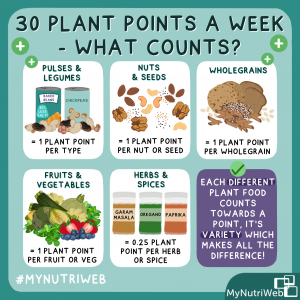
To achieve the goal of consuming 30 plant foods a week, it is important to diversify your diet across various categories of plant-based foods. This not only enhances nutrition but also keeps meals interesting. Below is a breakdown of what can be included in the count.
Types of Plant Foods
Eating 30 different plant foods a week can encompass a wide range of options. Here is a list of categories to consider:
- Fruits: Include a variety such as apples, bananas, berries, oranges, and mangoes.
- Vegetables: Aim for leafy greens like spinach, kale, and romaine, along with other colorful veggies such as carrots, bell peppers, and zucchini.
- Whole Grains: Incorporate grains like quinoa, brown rice, whole wheat bread, oats, and barley.
- Nuts and Seeds: Add diversity with almonds, walnuts, chia seeds, flaxseeds, and pumpkin seeds.
- Legumes: Beans, lentils, and chickpeas can be excellent sources of protein and fiber.
How to Track Your Intake
Keeping track of the variety of plant foods you consume can be beneficial. Use the following methods:
- Food Diary: Maintain a daily log of all plant-based foods eaten.
- Meal Planning: Plan meals for the week that incorporate different fruits, vegetables, and grains.
- Visual Chart: Create a chart that allows you to mark off each plant food as you consume it.
Benefits of Variety
Incorporating 30 plant foods has numerous benefits:
- Nutrient Diversity: Different plants offer unique vitamins and minerals that promote overall health.
- Gut Health: A variety of fibers from different plants can enhance digestion and gut microbiome.
- Flavor and Texture: Different foods provide unique tastes and textures, making meals more enjoyable.
Strategies for Incorporating More Plant Foods
Here are some practical strategies to increase your plant food intake:
- Add to Meals: Enhance dishes with extra vegetables, legumes, or grains.
- Smoothies: Blend various fruits and leafy greens for a nutrient-packed drink.
- Snack Smart: Choose plant-based snacks such as nuts, seeds, or fruit instead of processed snacks.
Sample Weekly Plan
Creating a structured plan can facilitate achieving the 30 plant foods goal:
- Monday: 2 fruits, 3 vegetables, 2 whole grains, 1 legume.
- Tuesday: 2 fruits, 2 vegetables, 1 nut, 1 legume, 1 whole grain.
- Wednesday: 3 vegetables, 2 fruits, 1 whole grain, 1 seed.
- Thursday: 2 fruits, 3 vegetables, 2 legumes.
- Friday: 2 grains, 2 fruits, 1 nut, 1 vegetable.
Does tea count as one of 30 plants?
Tea, made from the leaves of the Camellia sinensis plant, is considered one of the most consumed beverages worldwide. In the context of herbal or medicinal plants, tea does fit into the broader category of plants that are valued for their beneficial properties. This classification is important in various domains, including herbal medicine, botany, and agriculture. It is worth noting that while tea is a traditional beverage, its role as a plant of significance often gets categorized differently depending on the criteria being used.
See also:
What defines the 30 plants category?
The 30 plants category often refers to a selection of plants recognized for their nutritional, medicinal, or cultural significance. Depending on the context, these plants are usually chosen based on:
- Nutritional Value: Many plants in this category are recognized for their rich content of vitamins and minerals.
- Medicinal Properties: Several of these plants are utilized in traditional medicine for their healing effects.
- Cultural Importance: Some plants hold a significant place in historical and cultural practices of various societies.
Tea's nutritional profile
Tea, particularly green and black varieties, is loaded with beneficial compounds. Its nutritional profile includes:
- Antioxidants: Tea is rich in polyphenols, which help combat oxidative stress.
- Flavonoids: These compounds contribute to cardiovascular health and lower blood pressure.
- Minerals: Variety of minerals such as magnesium and potassium are found in tea.
Medicinal uses of tea
Historically, tea has been used for its numerous medicinal properties. Some common uses include:
- Immune Support: Various types of tea can enhance immune function.
- Digestive Health: Herbal teas are often consumed to soothe digestive issues.
- Relaxation: Certain teas, like chamomile, are popular for inducing calmness and aiding sleep.
Cultural significance of tea
Tea has deep cultural ties in many societies, making it more than just a beverage. Its significance can be highlighted through:
- Traditional Ceremonies: Cultures like the Japanese have elaborate tea ceremonies.
- Social Rituals: In many countries, tea drinking serves as a cornerstone for hospitality.
- Historical Events: Tea has played a role in significant historical events, such as the Boston Tea Party.
Comparison with other plants
When considering if tea fits within the 30 plants context, it is essential to compare its characteristics with those of other notable plants:
- Diversity: Like other plants, tea has numerous varieties, each with unique properties.
- Uses: Similar to other medicinal plants, tea serves various health purposes.
- Global Reach: Much like staple crops, tea is globally recognized and cultivated.
Does honey count towards 30 plants a week?
Understanding the Concept of 30 Plants a Week
The concept of consuming 30 plants a week is rooted in the idea of increasing dietary diversity, primarily focusing on plants, fruits, vegetables, nuts, and seeds. This approach stems from various health guidelines aimed at improving overall well-being and reducing the risk of chronic diseases. To effectively incorporate this strategy, individuals are encouraged to explore a variety of plant-based foods to maximize nutrient intake.
- Enhances Nutritional Diversity: Including multiple plant types helps ensure a wide range of vitamins and minerals.
- Supports Gut Health: A diverse plant diet is linked to a healthier gut microbiome.
- Promotes Sustainable Eating: Emphasizing plants contributes to a more sustainable dietary pattern.
Is Honey Considered a Plant-Based Food?
Honey is a unique substance that originates from plants, specifically nectar collected by bees. Despite its plant origins, it is primarily a concentrated form of sugar and does not contain any of the actual constituents of the plant sources it derives from. Therefore, while honey may contribute to some plant-based dietary practices, it does not directly align with the goal of achieving 30 distinctive plant servings.
- No Nutritional Varieties: Honey does not provide the nutrients associated with whole plant foods.
- Lacks Fiber Content: Unlike fruits and vegetables, honey contains no dietary fiber.
- Mostly Sugar: Honey is predominantly comprised of sugars, which may not fulfill the objectives of the 30 plants approach.
Benefits of Including Honey in Your Diet
Although honey may not count towards the 30 plants goal, it still offers several health benefits when consumed in moderation. Its potential antioxidant properties may help in protecting cells from damage, and it can serve as a natural sweetener for various dishes. However, it is essential to recognize its limitations in broader dietary diversity.
- Natural Sweetener: Honey can replace refined sugars in recipes.
- Antimicrobial Properties: Certain types of honey have been shown to possess antimicrobial effects.
- Soothing Effect: Honey is known for its soothing properties, particularly in throat infections.
Alternatives to Honey for Plant Diversity
For those aiming to reach the 30 plants a week goal, exploring various plant-based sweeteners can be beneficial. Alternatives such as maple syrup, agave nectar, or fruit purees can contribute to the diversity of plant intake while providing natural sweetness.
- Maple Syrup: Derived from the sap of maple trees, it offers unique flavor and nutrients.
- Agave Nectar: A plant-based syrup that is sweeter than honey and has a low glycemic index.
- Fruit Purees: Mashed fruits can add natural sweetness while increasing plant variety.
How to Track Your 30 Plants
Tracking your intake of 30 distinct plants can be simplified by maintaining a food journal or utilizing specific apps designed for this purpose. These tools can help you identify gaps in your dietary patterns and suggest alternatives.
- Use a Food Diary: Write down each plant-based food consumed to visualize your intake.
- Utilize Apps: Several apps provide tracking functionalities for plant-based diets.
- Plan Meals: Create weekly meal plans incorporating diverse plant sources.
Questions from Our Readers
Does coffee count as one of the 30 plants a week?
Coffee is made from the seeds of the Coffea plant, but it is often debated whether it should count as one of the 30 different plants to include in your diet. While it does come from a plant source, many nutritional guidelines focus on whole foods like fruits, vegetables, legumes, and grains. Thus, while it may not fully qualify, it can be enjoyed alongside other plant-based foods.
What types of plants should I focus on for my 30 plants a week?
To effectively reach the goal of 30 plants a week, aim to include a variety of fruits, vegetables, grains, nuts, and legumes in your diet. Incorporating an array of colors and types will provide a range of essential nutrients and health benefits, enhancing your overall well-being.
Can I drink coffee every day while including 30 plants a week?
Yes, you can still enjoy your daily coffee while aiming for 30 plant types per week. Just ensure that you are also consuming a wide variety of other plants in your meals and snacks to meet your goal, as coffee alone won't provide the diverse nutrition that comes with whole foods.
See also:
Are there health benefits to consuming 30 plants a week?
Absolutely! Consuming 30 different plants a week can significantly improve your diet, leading to better health outcomes. This practice can enhance your intake of essential vitamins, minerals, and antioxidants, which may reduce the risk of chronic diseases and support overall wellness.

If you want to read more articles like Does Coffee Count Towards 30 Plants a Week? Exploring the Benefits and Misconceptions, we recommend you check out our Gardeners category.
Leave a Reply
Related Articles