Discovering What Colors Do Butterflies Like to Land On: A Guide for Butterfly Enthusiasts
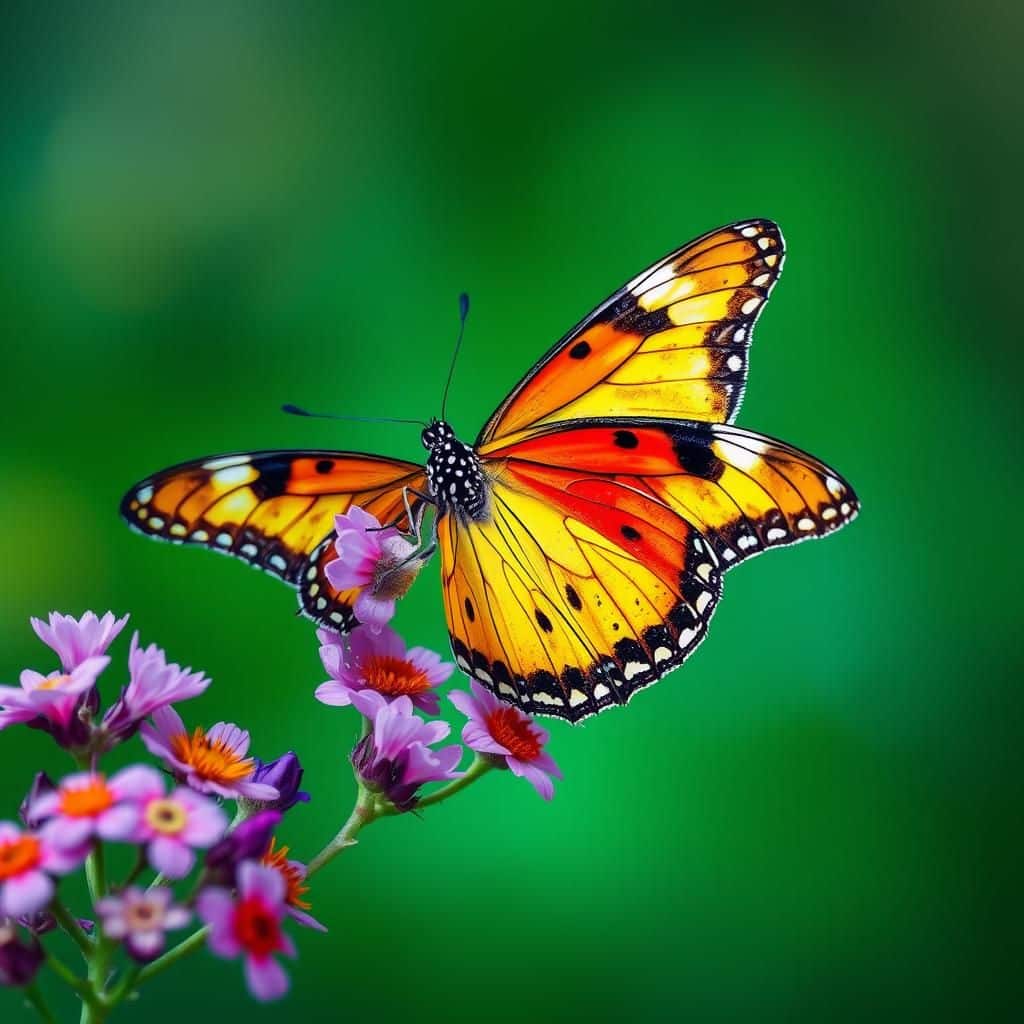
Butterflies captivate us with their vibrant colors and graceful movements, but have you ever wondered which hues they are particularly attracted to? For butterfly enthusiasts and nature lovers, understanding the color preferences of these delicate creatures can enhance the experience of observing and attracting them to gardens and landscapes. This guide delves into the fascinating world of butterfly behavior, exploring the colors they favor when it comes to landing and feeding. By unveiling the science behind their color preferences, we aim to help enthusiasts create inviting habitats that not only celebrate these beautiful insects but also support their essential role in our ecosystems.
What Colors Attract Butterflies?
Butterflies are inherently attracted to a variety of colors, primarily vibrant shades of yellow, orange, pink, and purple. These colors are found extensively in flowers, which serve as essential sources of nectar for butterflies. Bright colors not only catch the eye of these insects but also signal a rich food source that is crucial for their survival. Interestingly, the attractiveness of colors may also depend on the species of butterfly, as different species have evolved to favor specific hues that coincide with their most common floral resources. Consequently, planting a diverse range of colorful blossoms can significantly enhance butterfly activity in gardens and natural habitats.
Why Do Butterflies Prefer Bright Colors?
Butterflies prefer bright colors because they are often associated with abundant nectar sources. The colors act as visual cues that help butterflies quickly identify flowers that can provide them with the sustenance they need. Research shows that certain wavelengths of light, particularly in the yellow, blue, and orange spectrums, are more easily seen by butterflies, making these colors the most attractive to them compared to duller, less vibrant shades.
Impact of Flower Colors on Butterfly Behavior
The colors of flowers have a significant impact on butterfly behavior, influencing not only where they land but also their foraging efficiency. Flowers that exhibit bright and contrasting colors tend to draw more butterflies, as these insects are biologically predisposed to gravitate towards these vibrant hues. This interaction is crucial for pollination, where butterflies contribute to the reproductive success of many plants by transferring pollen while they feed on nectar from brightly colored blossoms.
Species-Specific Color Preferences
Different species of butterflies exhibit specific color preferences that can be attributed to their evolutionary adaptations and habitat choices. For example, the monarch butterfly often favors orange and red flowers, while the swallowtail butterfly is frequently seen on purple and yellow blooms. Understanding these preferences helps in creating butterfly-friendly environments that can support their diverse needs based on their particular species.
How Garden Design Influences Butterfly Attraction
Garden design plays a critical role in influencing butterfly attraction, and the careful selection of flower colors can create an inviting habitat. Incorporating a variety of vibrant colors—such as pinks, yellows, and blues—can establish a biodiverse ecosystem that lures butterflies. Additionally, ensuring a well-planned garden layout that clusters similarly colored blooms together can serve to increase visibility and attract butterflies more effectively than scattered flower arrangements.
The Role of Color in Butterfly Pollination
Color plays an essential role in butterfly pollination, with bright flower hues acting as signals that indicate the availability of nectar. As butterflies visit flowers with vibrant colors, they inadvertently transfer pollen from one flower to another, facilitating the pollination process. This mutualistic relationship not only benefits the butterflies by providing food but also ensures that plant species can reproduce and sustain their populations, highlighting the importance of colorful flowers in maintaining healthy ecosystems.
| Color | Butterfly Species | Preferred Nectar Source |
|---|---|---|
| Yellow | Swallowtail | Sunflowers |
| Orange | Monarch | Milkweed |
| Pink | Fritillary | Clovers |
| Purple | Common Buckeye | Lavender |
| Blue | Blue Morpho | Wildflowers |
What color do butterflies like to land on?
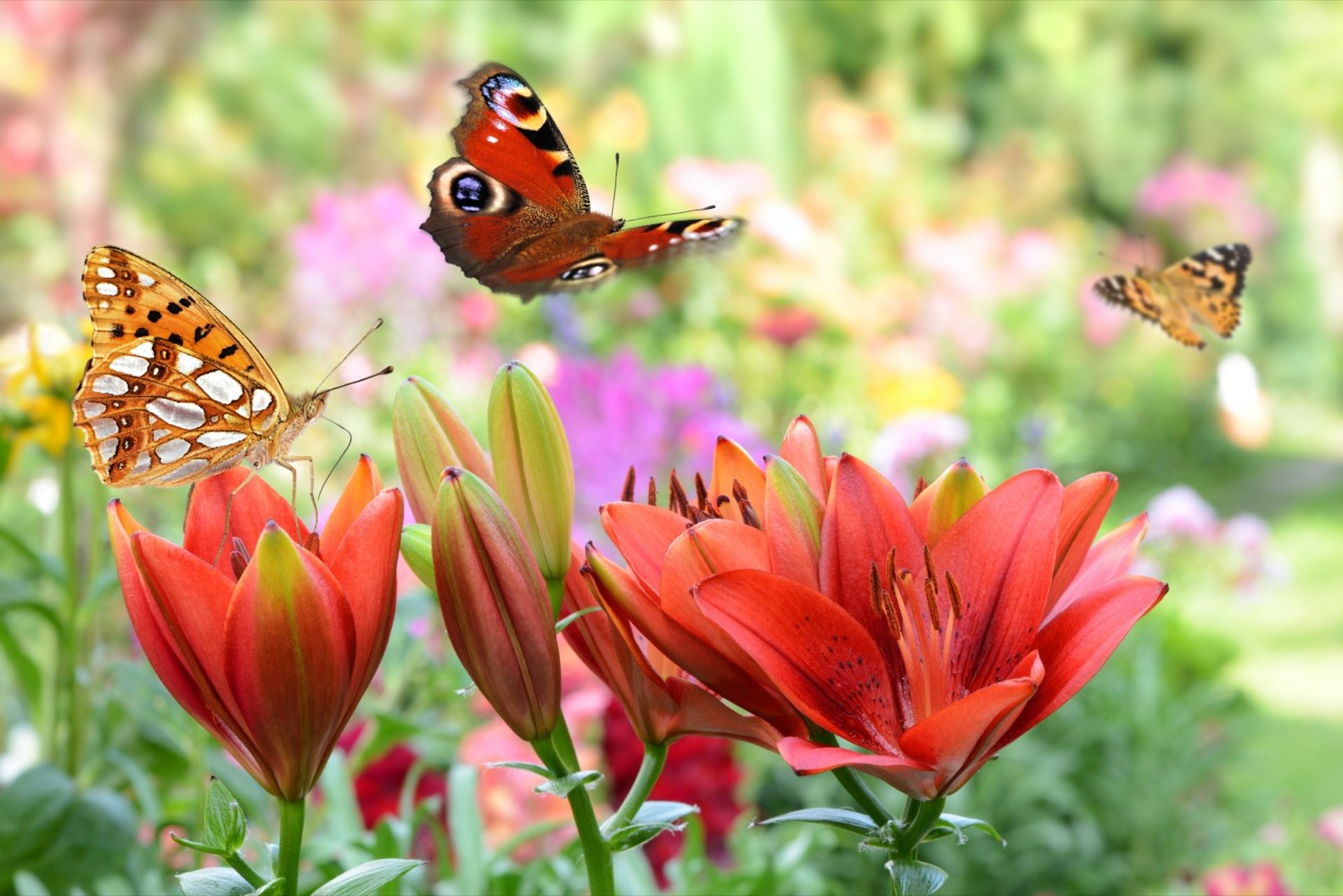
Butterflies are drawn to specific colors primarily due to their visual perception and their attraction to certain floral patterns. Research indicates that butterflies tend to prefer landing on colors that are vibrant and bright. The most favored colors include yellow, purple, blue, and pink. Each of these colors plays a significant role in attracting butterflies, often because they associate them with nectar sources.
Color Preferences of Butterflies
Butterflies possess complex eyes that allow them to see a broader spectrum of colors compared to humans. This unique visual capability enhances their ability to identify various flowers. Some of the most popular colors they are attracted to include:
- Yellow: A highly visible color representing many blooming flowers.
- Purple: Often signifies flowers rich in nectar, enticing butterflies.
- Blue: This color is visually appealing to many butterfly species, acting as a beacon.
- Pink: A softer color that still captures the attention of butterflies.
The Role of Nectar Availability
The availability of nectar in flowers is a crucial factor influencing where butterflies land. Certain colors not only appeal to their eyes but also signal substantial nectar supplies. For butterflies, food is paramount, so they often gravitate towards flowers that indicate a rich food source. This connection between color and nectar availability includes:
- Floral Coloration: Brightly colored flowers are more likely to contain high nectar levels.
- Species-Specific Preferences: Different butterfly species have unique preferences for certain colored flowers.
- Nectar Guides: Some flowers exhibit patterns known as “nectar guides” that influence butterfly landings.
Environmental Factors Affecting Color Attraction
The environment where butterflies reside significantly impacts their color preferences when landing. Light conditions, surrounding flora, and habitat type can alter how butterflies perceive color. These factors contribute to their choices in landing locations:
- Brightness: In brighter conditions, vibrant colors are more easily perceived.
- Contrast: High-contrast colors against backgrounds can enhance landing propensity.
- Habitat Diversity: Diverse habitats offer varied flower colors, influencing butterfly attraction.
Effects of Seasonal Changes on Color Preferences
Seasonal changes can also impact which colors butterflies prefer. As different flowers bloom throughout the year, the available colors shift, which can affect butterfly behavior and attraction. Seasonal preferences may include:
- Spring Blooms: Vibrant yellows and pinks are common in early bloomers.
- Summer Colors: A wider variety of flowers showcases deeper colors such as purples and blues.
- Fall Migration: Butterflies may seek out specific colors that signal the end of the blooming season.
Butterfly Conservation and Color Selection
Understanding the color preferences of butterflies has implications for conservation efforts. Planting a diverse range of colorful flowers that attract butterflies is crucial for their habitat preservation. Efforts in this area include:
- Native Plants: Supporting local butterfly species by planting native flowers in preferred colors.
- Pollinator Gardens: Creating gardens with a variety of blooming plants to sustain feeding populations.
- Reducing Habitat Fragmentation: Encouraging continuous habitats with plentiful colors and resources.
What to wear to get butterflies to land on you?

To attract butterflies to land on you, the clothing you wear can play a significant role. Here are some important factors to consider when choosing what to wear:
Color Selection
The colors you wear can greatly influence butterfly attraction. Butterflies are naturally drawn to bright, vivid colors.
- Bright Colors: Wearing colors like yellow, orange, pink, or red can attract butterflies since they are instinctively drawn to these hues.
- Floral Patterns: Clothing with floral designs can mimic the environment that butterflies are used to, making you more appealing.
- Pastels: Soft pastel tones can also work but are less effective than brighter shades.
Fabric Choices
The type of fabric you choose can impact both comfort and attraction to butterflies.
- Natural Fabrics: Opt for materials like cotton or linen, as these feel more comfortable and less restrictive, allowing for a pleasant experience.
- Flowy Styles: Clothing that is loose and flowing can be more attractive as it mimics the fluttering of flowers.
- Lightweight Materials: Choose breathable fabrics that won’t cause you to overheat, keeping you outdoors longer where butterflies may be present.
Accessorizing Wisely
Accessories can enhance your butterfly-attracting appearance.
- Hats: A wide-brimmed hat in bright colors can not only protect you from the sun but also add to your vibrant look.
- Jewelry: Choose vibrant, colorful jewelry that complements your outfit and can catch a butterfly's attention.
- Scented Accessories: Wearing plants or flowers as accessories might attract butterflies due to their strong sense of smell.
Fragrances and Scents
Scent is a powerful attractant for butterflies, influencing their landing behavior.
- Natural Scents: Using light floral or citrus scents can appeal to butterflies’ sense of smell, enhancing your chances of attracting them.
- Avoid Strong Scents: Stay away from strong synthetic fragrances, as they can deter butterflies.
- Scented Lotions: Consider using lotions or oils with natural fragrances that mimic the scents of flowers.
Environmental Considerations
The environment around you is essential to the type of butterflies that may be attracted to your clothing and presence.
- Butterfly Gardens: Wearing clothes in a butterfly garden or near plants that attract butterflies can significantly improve your chances.
- Sunny Locations: Spacing out your visits to sunny, open areas will allow butterflies to be more active and may increase their attraction to you.
- Timing: Visiting during peak butterfly activity times like warm afternoons can help ensure your outfit is effective.
How to attract a butterfly to land on you?

To attract a butterfly to land on you, there are several methods you can employ that create a welcoming environment and make you an appealing target for these delicate creatures. Butterflies are drawn to specific scents, colors, and environments. By understanding their preferences, you can enhance your chances of having a butterfly land on you.
Choose the Right Clothing
Wearing the correct attire is a fundamental step in attracting butterflies. They are naturally drawn to bright colors and floral patterns, which can mimic the flowers they typically visit. Consider the following tips for your clothing:
- Opt for bright colors—colors like yellow, orange, pink, and red are especially appealing.
- Select clothing with floral patterns to mimic the flowers that attract butterflies.
- Avoid dark or muted tones which are less attractive to butterflies.
Create a Butterfly-Friendly Environment
Transform your surroundings into an inviting space for butterflies. Butterflies are naturally drawn to areas filled with their preferred plants. Here are some strategies to entice them:
- Plant nectar-rich flowers such as milkweed, coneflowers, and marigolds in your garden.
- Include plants that serve as host plants where females can lay eggs, enhancing your chances of attracting them.
- Ensure that your garden has sunlight as butterflies prefer warm, sunny spots for basking.
Use Scented Products
Butterflies have an acute sense of smell, and certain scents can attract them to you. Consider these aromatic options:
- Apply fragrant lotions or oils, particularly those with floral scents.
- Use essential oils, such as lavender or citrus, to lure butterflies with their alluring scents.
- Avoid strong perfumes, as they can be off-putting to butterflies.
Stay Still and Patient
Butterflies are skittish and often shy away from sudden movements. Your behavior can significantly influence their willingness to land on you. Here’s how to create a welcoming presence:
- Remain calm and still when a butterfly approaches, as sudden movements can scare them away.
- Choose a comfortable, open area to sit or stand, providing a safe spot for the butterfly to perch.
- Wait patiently; butterflies may take time to approach and land on you.
Offer Natural Food Sources
Another effective way to attract butterflies is by providing food sources on your person. This can make you more appealing as a landing spot. You can:
- Try using fruits like oranges or bananas, which can attract butterflies when held out or placed nearby.
- Consider lightly rubbing sugar water onto your skin to create a sweet treat for butterflies.
- Set up a nectar feeder nearby, encouraging butterflies to associate you with food sources.
What are the favorite colors of butterflies?
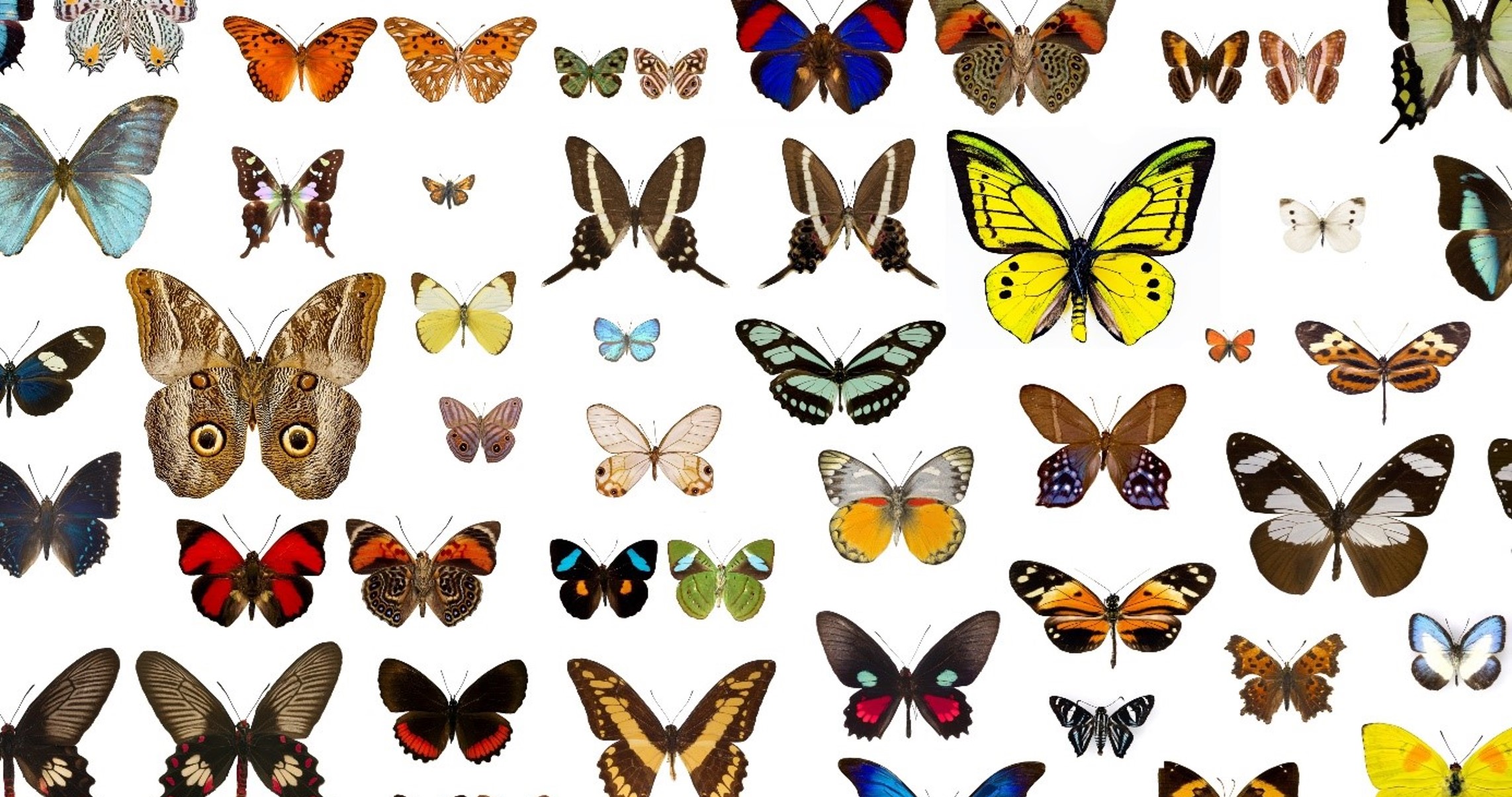
Butterflies exhibit a wide range of colors, and while they do not have favorite colors in the same way humans might, their colors serve important functions in their lives. The colors of butterflies can be largely attributed to their environments, mating behaviors, and the evolutionary advantages they provide.
Role of Pigmentation in Butterflies
The color of a butterfly is primarily determined by two types of structures: pigments and structural colors. Pigments are chemicals that absorb certain wavelengths of light and reflect others, giving the butterfly its vivid colors. Structural colors arise from microscopic structures that reflect light, creating hues that can change with the angle of view.
- Melanin: Commonly found in black and brown butterflies.
- Xanthins: Responsible for yellow and orange pigments.
- Cyanins: Produce blue shades.
Attraction to Flowers
Butterflies are often seen fluttering around flowers, which serve as sources of nectar. Their color preferences can influence their feeding habits. Research indicates butterflies may be drawn to specific colors that match their visual spectrum.
- Red: Attracts many species due to high nectar content.
- Blue: Frequently observed in flowers favored by butterflies.
- Yellow: Often bright and vivid, attracting numerous pollinators.
Colors and Mating Displays
In the context of mating, colors play a significant role in attracting mates. Male butterflies often display bright colors to signal their fitness to potential female partners. This flashy display can include vibrant hues and intricate patterns.
- Sexual Dimorphism: Color differences between males and females.
- Pattern Complexity: More complex patterns can signify healthier specimens.
- Brightness: Brighter males may be preferred by females.
Camouflage and Protection
Coloration serves as a form of defense against predators. Some butterflies possess colors and patterns that help them blend into their environment, making them less visible.
- Brown and Green: Common shades for camouflage in natural habitats.
- Disruptive Patterns: Break up the outline of the butterfly.
- Warning Colors: Bright colors may signal toxicity or unpalatability.
Influence of Environmental Factors
The environment affects butterfly coloration through factors like climate, plant availability, and sunlight exposure. Different regions may showcase varying colors based on these influences.
- Temperature: High temperatures can affect pigmentation.
- Habitat: Different habitats host butterflies with adapted colors.
- Seasonal Changes: Colors may change with the seasons, affecting visibility and camouflage.
Questions from Our Readers
What colors do butterflies prefer to land on?
Butterflies are particularly attracted to bright colors such as yellow, orange, pink, and purple. These colors often resemble the flowers they feed on, which makes them appealing for landing and feeding.
Do butterflies have a favorite flower color?
Yes, butterflies tend to favor flowers in warm hues like red, orange, and yellow. These colors not only attract them visually but also signal the presence of nectar-rich flowers.
How does color influence butterfly behavior?
Color plays a significant role in butterfly behavior, as bright colors can attract them from a distance, helping them locate food sources. The visibility of colors can guide butterflies to their preferred flowers for nectar.
Are all butterfly species attracted to the same colors?
While many butterfly species are drawn to similar bright colors, preferences can vary by species. Some may show strong attraction to specific colors based on their habitat and feeding habits, making flexibility in color preferences common.

If you want to read more articles like Discovering What Colors Do Butterflies Like to Land On: A Guide for Butterfly Enthusiasts, we recommend you check out our Gardeners category.
Leave a Reply
Related Articles