Top Invasive Tree Species in Australia Gardens: How to Identify and Manage Them
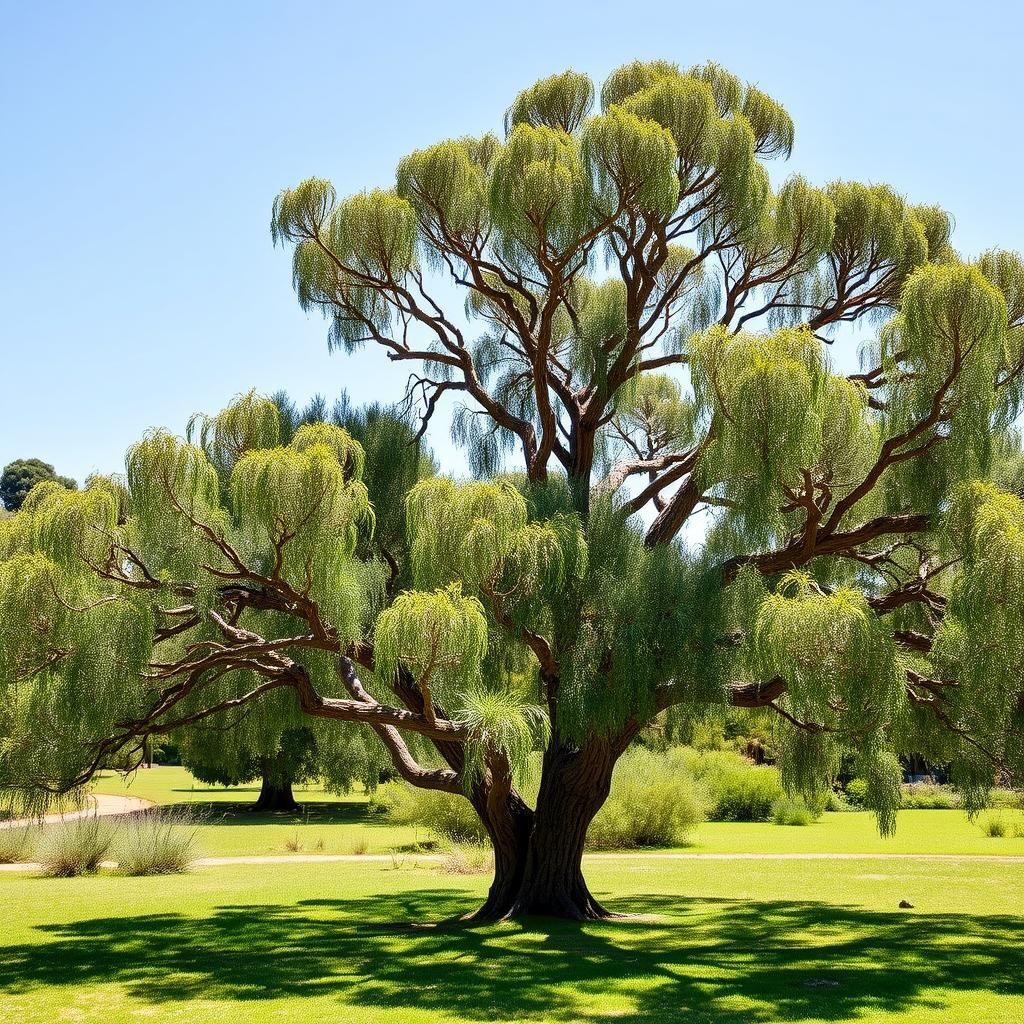
Australia’s unique ecosystems, while rich in biodiversity, are increasingly threatened by invasive tree species. These non-native plants can outcompete indigenous flora, disrupt local habitats, and pose significant challenges to garden maintenance. In this article, we will explore the top invasive tree species commonly found in Australian gardens, providing readers with essential identification tips and effective management strategies. Understanding how to recognize these problematic trees is crucial for maintaining a healthy garden environment and preserving the natural balance. Join us as we delve into the characteristics of these invasive species and learn how to mitigate their impact in your green spaces.
Invasive Tree Species Threatening Australian Gardens
In Australian gardens, the presence of invasive tree species poses a significant challenge to local biodiversity and ecosystem balance. These species often outcompete native vegetation for resources, disrupt local habitats, and can even alter soil chemistry. They thrive in various conditions and spread rapidly, making them difficult to manage. Homeowners may initially plant these trees for their ornamental value or quick growth, unaware of their potential to become problematic. Effective management strategies need to be implemented to control their spread and to restore ecological integrity in affected gardens.
Understanding Invasive Tree Species
Invasive tree species are defined as non-native trees that, once introduced to a new environment, thrive to the extent that they disrupt local ecosystems. These trees benefit from a lack of natural predators or diseases that would ordinarily keep their populations in check in their native habitats. In Australia, species such as the Camphor Laurel and Chinese Tallow Tree exemplify how such invasions can lead to significant ecological consequences, affecting both native flora and fauna.
Impact on Local Ecosystems
The introduction and spread of invasive tree species can drastically alter the dynamics of local ecosystems. They often outcompete native plants for light, water, and nutrients, leading to reduced biodiversity. As invasive trees dominate various habitats, they can create monocultures, diminishing the variety of plant species that are critical for maintaining healthy local wildlife. This disruption can affect pollinators, birds, and insects that rely on native flora for food and shelter.
Management Strategies for Homeowners
Managing invasive tree species in Australian gardens involves a combination of prevention and proactive measures. Homeowners are encouraged to conduct thorough research before planting any new tree species, opting for native plants that support local ecosystems. If invasive species are already present, strategies may include physical removal, targeted herbicide applications, or restoration of the area with native flora. It is crucial to educate oneself and participate in community efforts to control the spread of these species, ensuring the health of local gardens.
See also:
Common Invasive Tree Species in Australia
Several species of trees have gained a notorious reputation as invasive in Australia. The Camphor Laurel, a fast-growing tree originally from Asia, is one such example known for its rapid spread and detrimental effects on local habitats. Other invasive species include the Black Locust, which can dominate and alter ecosystems, and the Chinese Tallow Tree, known for producing vast quantities of seeds that spread rapidly. Awareness of these species is vital for effective control and management.
Legal Regulations and Community Awareness
Australia has implemented various legal regulations aimed at managing invasive tree species and protecting native ecosystems. Local councils often have bylaws in place that require property owners to control or eradicate specific invasive species on their land. Community awareness programs also play a crucial role, educating the public about the impacts of invasive trees and promoting local native plants as alternatives. Collaborative efforts between governmental bodies and community organizations are essential to address this pervasive issue effectively.
| Invasive Species | Impact | Control Method |
|---|---|---|
| Camphor Laurel | Displaces native species | Physical removal |
| Chinese Tallow Tree | Produces large quantities of seeds | Herbicide application |
| Black Locust | Dominates ecosystems | Restoration with natives |
Effective Strategies for Managing Invasive Trees in Australian Gardens
Managing invasive tree species in Australia is crucial for maintaining the health of native ecosystems and ensuring the biodiversity of local gardens. Many of these species can outcompete native plants for resources, leading to declines in local flora and fauna. To effectively manage these invasive trees, gardeners should first accurately identify the species present in their gardens. This involves understanding their growth habits, flowering patterns, and potential for spread. Once identified, strategies such as physical removal, applying targeted herbicides, and fostering the growth of native species can mitigate the impact of these invasives and restore ecological balance.
Common Traits of Invasive Tree Species
Invasive tree species often share common traits that make them successful in non-native environments. Fast growth, prolific seed production, and a lack of natural predators are key factors in enabling their rapid spread. These trees tend to have robust root systems, allowing them to outcompete native plants for nutrients and water. Additionally, many invasive species can thrive in poor soil conditions and adapt easily to a range of climates, which further enhances their ability to dominate garden spaces.
Identifying Invasive Trees in Your Garden
Properly identifying invasive trees is the first step toward effective management. Homeowners should familiarize themselves with the common invasive species in their area, such as the African Tamarisk or Camphor Laurel. Characteristics to look for include unusual leaf shapes, growth form, and the overall size of the tree. Many invasive species can be distinguished by their fruit or flowering patterns, which may differ significantly from native species. Utilizing local botanical resources or consulting with gardening experts can enhance identification skills.
See also:
Physical Removal Techniques
One of the most effective methods for controlling invasive trees is through physical removal. This involves cutting down the trees and ensuring complete root removal to prevent regrowth. For smaller trees, hand tools such as saws and axes may suffice, but for larger or more established trees, heavy machinery might be required. It’s essential to wear protective gear and follow safety guidelines during this process to avoid injury. Once removed, gardeners should monitor the area for any signs of resurgence and be prepared for follow-up actions.
Herbicide Use for Invasive Trees
In situations where physical removal is not feasible, the use of targeted herbicides can effectively manage invasive tree species. It’s important to select herbicides that are specifically designed for the target species and to apply them following the manufacturer’s instructions. Timing of application is critical; applying herbicides in the early spring or late fall can be more effective when trees are actively taking up nutrients. Care should be taken to limit drift to non-target plants, and local regulations regarding herbicide use should always be adhered to.
Encouraging Native Plant Growth
Restoring the balance in a garden affected by invasive trees involves encouraging the growth of native plants. After the removal of invasive species, it’s vital to plant a diverse array of native species that can outcompete any remaining invaders. By using native plants, you not only help to restore local biodiversity but also provide habitats for native wildlife. Creating a healthy ecosystem requires regular maintenance, such as mulching and watering, to support the establishment of these desirable plants. Over time, this approach can significantly reduce the chances of re-infestation by invasive species.
Questions from Our Readers
What are invasive tree species in Australian gardens?
Invasive tree species in Australian gardens are non-native plants that can disrupt local ecosystems, compete with native flora, and pose a threat to biodiversity. These species often spread rapidly, making them difficult to manage and leading to negative impacts on the environment and local wildlife.
How do invasive trees affect native flora?
Invasive trees can severely affect native flora by outcompeting local plants for resources such as light, water, and nutrients. This competition can lead to a decline in native species, altering habitats and potentially resulting in the loss of biodiversity in the area.
See also:
What steps can be taken to manage invasive tree species?
Managing invasive tree species involves strategies such as identification, removal, and prevention of their spread. This can include employing physical removal methods, using herbicides, or engaging in restoration efforts to promote the growth of native plants that can help displace the invasive species.
Why is it important to remove invasive trees from gardens?
Removing invasive trees from gardens is crucial to maintaining ecological balance and protecting native ecosystems. These trees can adversely impact local wildlife, interfere with garden health, and hinder the growth of native plants, making their removal essential for promoting a more sustainable garden environment.

If you want to read more articles like Top Invasive Tree Species in Australia Gardens: How to Identify and Manage Them, we recommend you check out our Weeds category.
Leave a Reply
Related Articles