Explore the Tranquility of Eucalypt Lawn Royal Botanic Gardens Sydney: A Hidden Gem in Nature
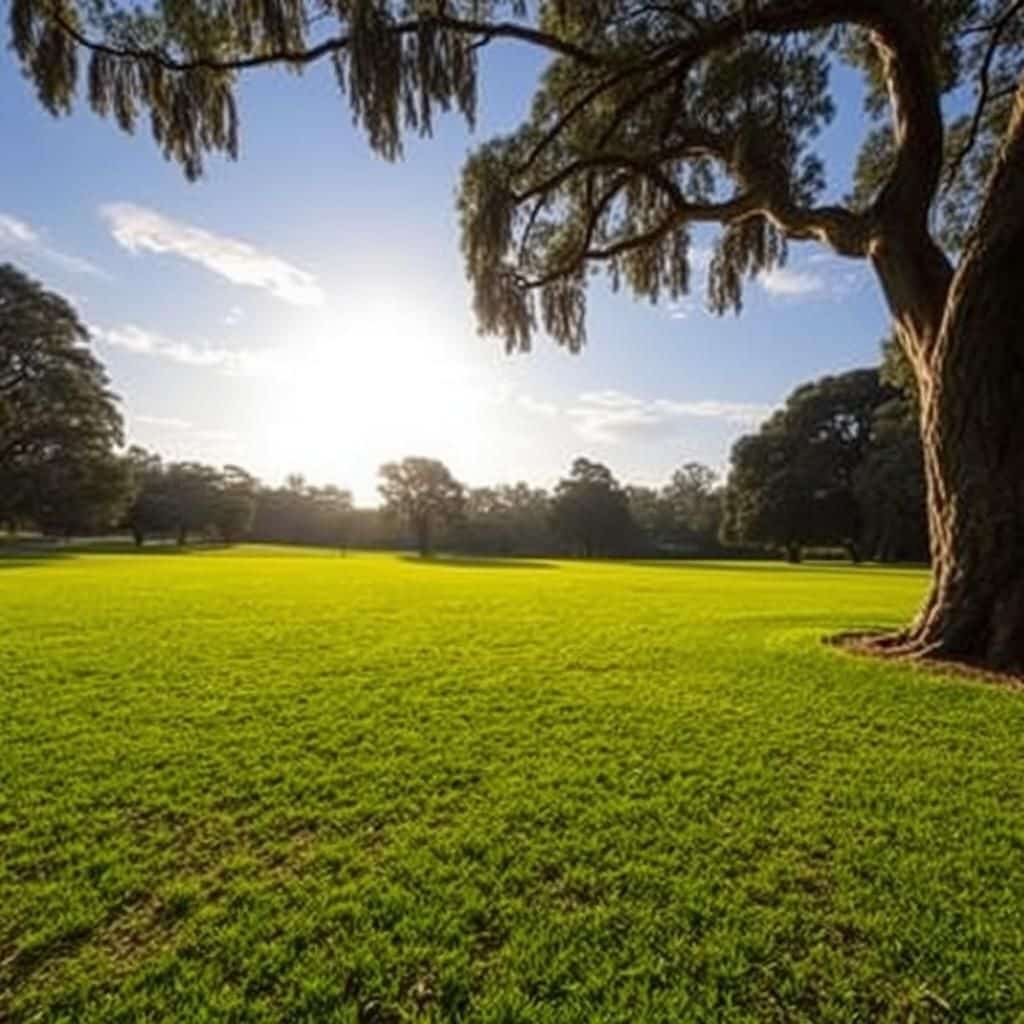
Nestled within the bustling heart of Sydney, the Eucalypt Lawn at the Royal Botanic Gardens offers a serene escape into nature’s embrace. This hidden gem, often overlooked by visitors, showcases the unique beauty and tranquility of Australia’s iconic eucalyptus trees. With sprawling lawns, vibrant flora, and panoramic views of the harbor, the Eucalypt Lawn invites guests to relax, reflect, and reconnect with the natural world. Whether you're seeking a peaceful spot for a picnic, a quiet place to read, or simply a moment to breathe, this enchanting space serves as a perfect retreat from the city’s hustle and bustle.
Eucalypt Lawn at the Royal Botanic Gardens Sydney
The Eucalypt Lawn at the Royal Botanic Gardens in Sydney is a stunning open area that showcases the diversity of eucalyptus species native to Australia. This tranquil space is not just a beautiful sight for visitors but also serves as an important ecological feature, representing a habitat for various wildlife while also providing educational opportunities about native vegetation. As guests stroll through the lawn, they are surrounded by the aromatic scents of eucalyptus, offering a sensory experience that connects visitors to the Australian landscape. The lawn is often used for public events and gatherings, creating a vibrant atmosphere within the serene garden environment.
Significance of Eucalyptus Trees
The eucalyptus trees are a keystone species in Australia, playing a vital role in local ecosystems. They provide food and habitat for a range of native fauna, including koalas, and are essential for the preservation of biodiversity. Recognized for their resilience and adaptability, eucalyptus species thrive across Australia's diverse climates. Their ability to regenerate after bushfires also underscores their importance in environmental sustainability and land management practices in Australia.
Visitor Experience at Eucalypt Lawn
Visitors to the Eucalypt Lawn are treated to a unique experience, as the area is designed for leisure and education. Guests can enjoy picnic spots while learning about the different eucalyptus varieties through informative signage placed throughout the lawn. The open design invites families and friends to gather, relax, and engage in recreational activities, making it a popular destination for both tourists and locals alike.
Activities and Events
The Eucalypt Lawn hosts a variety of events throughout the year, ranging from educational workshops to cultural festivals. These events often highlight the significance of eucalyptus trees and promote awareness about environmental conservation efforts in Australia. The spacious area is also suitable for yoga classes, outdoor concerts, and seasonal celebrations, making it a dynamic hub of community activity within the Royal Botanic Gardens.
Flora and Fauna in the Area
The Eucalypt Lawn is home to a rich diversity of flora and fauna. Apart from eucalyptus trees, various understory plants thrive in this ecosystem, creating a habitat for numerous species of birds, insects, and small mammals. The presence of these species contributes to the ecological balance of the garden, while also offering visitors the chance to observe wildlife in a natural setting. Informational displays educate visitors on the interdependence of flora and fauna, enhancing their appreciation for the natural world.
Conservation Efforts
Conservation efforts at the Royal Botanic Gardens focus on maintaining the health of the Eucalyptus Lawn and its surroundings. Initiatives include habitat restoration projects and public education programs that emphasize the importance of eucalyptus forests in combating climate change. The gardens work closely with local conservation groups to advocate for sustainable practices that protect native plant species and promote biodiversity. By fostering a connection between visitors and the natural environment, these efforts aim to inspire a commitment to preserving Australia’s unique ecosystems.
| Aspect | Description |
|---|---|
| Native Species | Home to various native eucalyptus trees and plants. |
| Wildlife | Supports diverse fauna including birds and insects. |
| Activities | Hosts events, workshops, and recreational activities. |
| Visitor Engagement | Educational signage and picnic areas for public use. |
| Conservation | Focuses on preserving native ecosystems and biodiversity. |
How much does it cost to go to the Royal Botanic Garden Sydney?
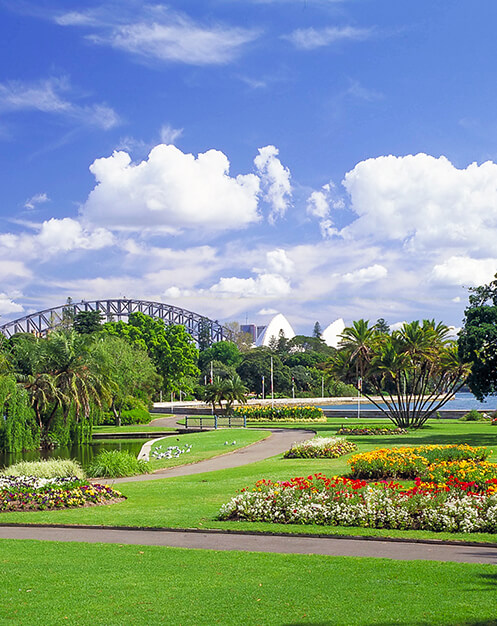
The Royal Botanic Garden Sydney is one of the most beautiful and serene locations in Australia. Visiting this stunning garden can be an enjoyable experience, and understanding the costs involved is essential for planning your visit.
Admission Fees
The Royal Botanic Garden Sydney offers free admission to the main garden areas. However, certain events, workshops, or guided tours may incur costs. It's important to check the garden's official website for the most current information regarding special events that may have entrance fees.
Guided Tours
If you are interested in exploring the garden with a knowledgeable guide, you can participate in guided tours. These tours can help enhance your experience by providing detailed insights into the garden's flora and history.
- Standard guided tours usually cost around AUD 20-30 per person.
- Specialized subject-focused tours might carry different fees, so it is advisable to check in advance.
- Group discounts may be available, providing cost-effective options for larger parties.
Events and Workshops
Throughout the year, the garden hosts various events and workshops designed for educational purposes and entertainment. These events often attract additional fees.
- Workshops can range from AUD 15-100, depending on the type and duration.
- Seasonal events, especially during holidays, may have higher ticket prices due to their popularity.
- Some events may offer free entry, so it’s worth checking the calendar for what's available during your visit.
Parking Fees
While visiting the Royal Botanic Garden, consider the parking fees if you plan to drive. The garden has limited parking options, and costs can accumulate.
See also:
- Standard parking rates are around AUD 7-10 per hour in nearby parking areas.
- It is recommended to use public transport when possible to avoid these additional costs.
- Look for nearby parking discounts or deals, especially if you plan an all-day visit.
Public Transport Costs
Using public transport to reach the garden is not only economical but also convenient. Transport options include buses, trains, and ferries that bring you close to the entrance.
- Bus and train fares vary based on distance but generally range from AUD 2.50-5 each way.
- Ferry service from Circular Quay offers stunning views, with fares starting at around AUD 7.50 one-way.
- Using an Opal card can provide further savings on multiple trips throughout the day.
Is Royal Botanic Garden worth it?
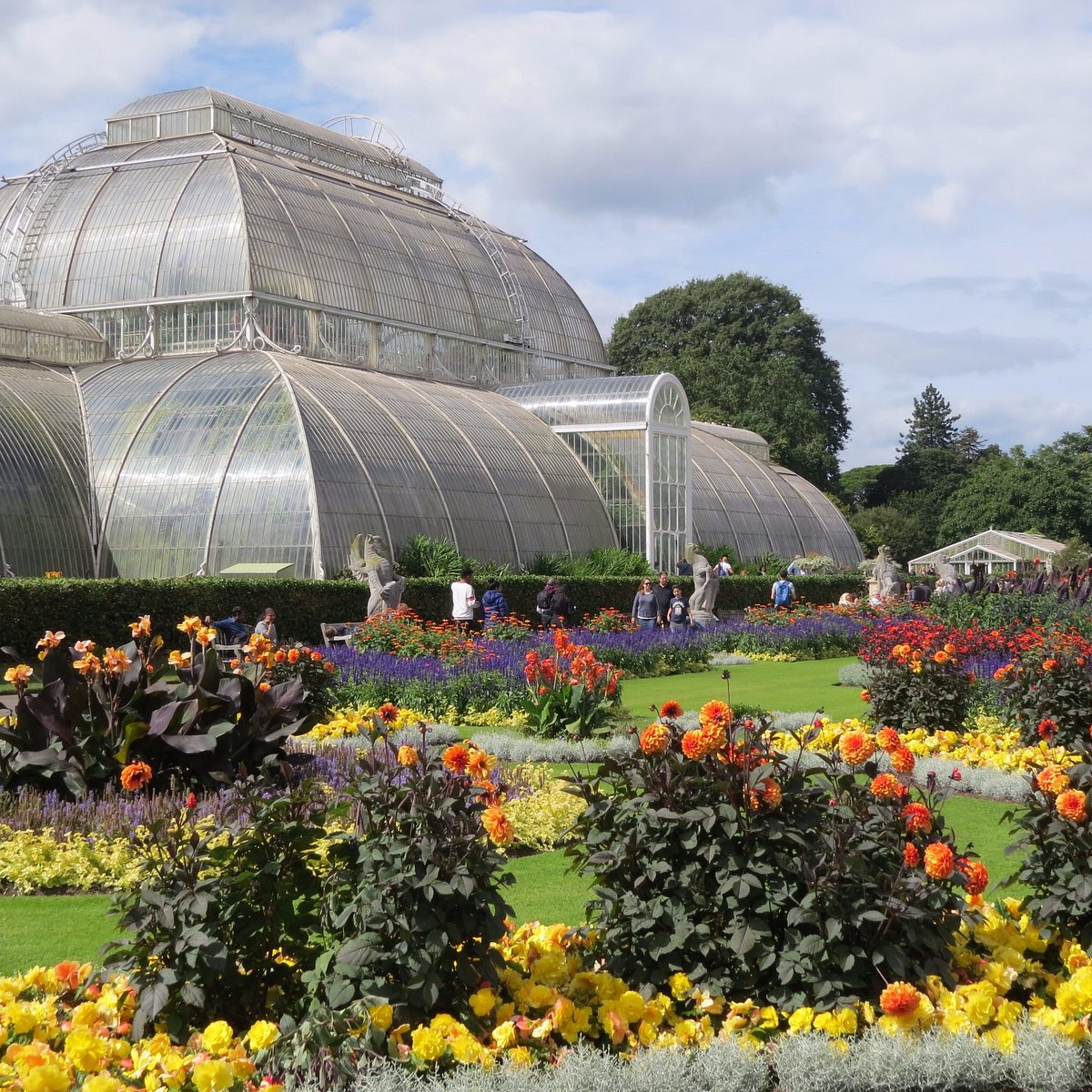
The Royal Botanic Garden is an extensive and beautifully curated space that showcases a diverse collection of plants from around the world. Whether it is worth visiting depends on various factors including personal interests, the specific location of the garden, and what experiences you are looking for. Below are some insights into why it could be considered worth your time and visit.
1. Unique Plant Collections
The Royal Botanic Gardens house a significant variety of plant species that are usually not found in a typical park. This diversity offers visitors the chance to see rare and exotic plants in beautifully designed landscapes.
- Botanical Diversity: Explore thousands of different species from various climates and regions.
- Special Exhibits: Many gardens feature rotating exhibits that showcase specific themes or types of plants.
- Native Flora: Learn about local ecology and the plants that are indigenous to the area.
2. Educational Opportunities
Royal Botanic Gardens are not just for looking at plants; they also offer a wealth of educational resources for visitors of all ages. From guided tours to workshops, there are numerous opportunities to learn.
- Guided Tours: Experienced guides provide insights into the history and significance of the collections.
- Workshops and Classes: Participate in gardening classes, plant care workshops, and more.
- Information Centres: Access detailed literature and resources about the plants and their ecosystems.
3. Scenic Beauty and Relaxation
The gardens are designed to be visually stunning and offer tranquil spaces for relaxation. Visitors can take in the landscape while enjoying a leisurely stroll or a peaceful picnic.
- Stunning Landscapes: Enjoy beautifully manicured gardens, water features, and scenic pathways.
- Quiet Retreat: Find peaceful spots to unwind amidst nature's beauty.
- Photography Opportunities: Capture stunning images of plants, flowers, and overall scenery.
4. Cultural and Community Events
Royal Botanic Gardens often host a variety of cultural events, festivals, and community gatherings that enhance the visitor experience. These events can provide a deeper connection to the gardens.
- Seasonal Festivals: Participate in events that celebrate specific seasons, such as spring flower shows.
- Art Exhibitions: Explore art installations that complement the natural beauty of the gardens.
- Community Engagement: Attend events that focus on sustainability, conservation, and local culture.
5. Accessibility and Amenities
Many Royal Botanic Gardens are designed with accessibility in mind, making them welcoming for all visitors. Amenities such as cafes and gift shops enhance the overall experience.
- Accessible Pathways: Well-maintained trails cater to visitors with mobility challenges.
- Cafes and Rest Areas: Relax and enjoy refreshments during your visit.
- Visitor Centers: Get guidance on plant collections and upcoming events.
Is entry to Royal Botanic Gardens free?

Entry to the Royal Botanic Gardens is not completely free. Various botanical gardens around the world have different policies regarding entrance fees. In the case of the most renowned Royal Botanic Gardens, such as the ones in Kew, London, visitors are required to purchase a ticket for entry.
General Admission Fees
The entry fees to the Royal Botanic Gardens vary depending on several factors:
- Age Groups: Different pricing structures are in place for adults, children, and seniors.
- Membership Options: Frequent visitors may consider a membership, which offers unlimited access and other benefits.
- Special Events: Some events may have separate admission fees or be included with regular tickets.
Free Entry Days
Occasionally, the Royal Botanic Gardens may host free entry days, allowing visitors to explore the gardens without an admission fee:
- Public Holidays: Some significant public holidays may feature free entry to attract more visitors.
- Special Community Events: Programs might be organized to encourage local participation, sometimes offering free access.
- Educational Programs: Certain educational groups or school trips may get complimentary access as part of their learning experience.
Additional Costs Inside the Gardens
While entry might be the first expense, other costs can arise once inside the gardens:
See also:
- Food & Beverage: Cafés and restaurants within the gardens typically offer a range of dining options at various price points.
- Guided Tours: For a more in-depth experience, guided tours usually require an additional fee.
- Souvenirs & Merchandise: Gift shops within the gardens provide an array of items that may appeal to visitors.
Access to Special Exhibitions
Visitors should be aware that special exhibitions within the gardens might also incur separate fees:
- Temporary Exhibits: These are often featured for a limited time and may have their own ticket pricing.
- Workshops & Classes: Participating in botanical workshops may require advance registration and a fee.
- Seasonal Festivals: Events like flower shows or seasonal festivals could include different ticketing structures.
Accessibility Programs
The Royal Botanic Gardens often implement programs to ensure that various community members can enjoy their space:
- Discounted Rates: Providing discounts for students or low-income families to foster inclusivity.
- Free Tours for Schools: Educational institutions may partner with the gardens for free or subsidized tours and activities.
- Accessibility Features: The gardens may also offer services and resources for individuals with disabilities, ensuring accessibility.
What is the smelly flower in the Botanic Gardens Sydney?
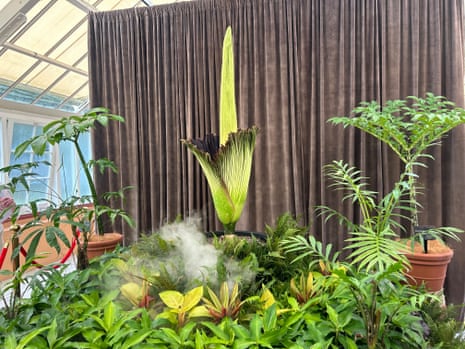
The smelly flower in the Botanic Gardens Sydney is the Corpse Flower, scientifically known as Amorphophallus titanum. This flower is notorious for its distinctive and unpleasant odor, which is often compared to the smell of rotting flesh. The Corpse Flower is native to the rainforests of Sumatra, Indonesia, and is known for its remarkable size and bloom size, with a single flower sometimes reaching over three meters in height.
The Corpse Flower is a member of the Araceae family and is one of the largest flowering structures in the world. It only blooms infrequently, usually every few years, and the bloom lasts for just 24 to 48 hours. This infrequent and dramatic blooming period is a significant draw for visitors to the Botanic Gardens Sydney, where it is showcased during its rare flowering.
Characteristics of the Corpse Flower
The Corpse Flower is characterized by its massive size, unique structure, and foul odor. The bloom comprises a central spike called a spadix surrounded by a large petal-like structure known as a spathe. The spathe varies in color from deep burgundy to greenish-yellow and can reach a height of 3 meters. Here are some key characteristics:
- Size: Can grow up to 3 meters tall.
- Odor: Produces a scent similar to rotting meat.
- Color: The spathe can vary from burgundy to greenish hues.
Pollination Process
The Corpse Flower relies on specific pollinators, primarily carrion beetles and other insects that are attracted to its pungent smell. The foul odor mimics the scent of decaying animals, effectively attracting these insects to aid in the pollination process. During its flowering period, the flower releases heat, which intensifies the smell and helps to disperse the fragrance further. The pollination process involves:
- Attraction: Produces a scent to attract pollinators.
- Heat Production: Generates warmth to enhance fragrance dispersion.
- Pollination: Insects transfer pollen from one flower to another.
The Flowering Cycle
The blooming cycle of the Corpse Flower is both fascinating and unpredictable. It typically takes several years for the plant to reach maturity and produce a flower. Blooming can occur as infrequently as every 3 to 10 years, making each appearance an exciting event for botanic gardens and plant enthusiasts. The cycle includes:
- Growth Phase: The plant grows a large leaf, storing energy.
- Flower Initiation: Begins the process of preparing to bloom.
- Blooming: Lasts only 24-48 hours and then quickly fades.
Location in the Botanic Gardens Sydney
At the Botanic Gardens Sydney, the Corpse Flower is carefully cultivated and displayed, often in a dedicated section that emphasizes its unique attributes. The gardens provide an optimal environment for the plant, mimicking its natural rainforest habitat. The location attracts numerous visitors during blooming seasons, and educational programs are offered to highlight its fascinating biology. Features of the location include:
- Dedicated Gardens: Specific care tailored for the Corpse Flower.
- Visitor Access: Opportunities for the public to view the rare bloom.
- Educational Programs: Information about the plant's biology and ecology.
Conservation and Challenges
The Corpse Flower faces several conservation challenges, primarily due to habitat destruction and over-collection in the wild. As a result, these plants are included in various conservation programs to ensure their survival. Botanic gardens play a crucial role in breeding and educating the public about the importance of plant conservation. Key challenges and efforts include:
- Habitat Loss: Threatened by deforestation and land-use changes.
- Over-Collection: Harvesting for horticultural demand must be regulated.
- Conservation Programs: Initiatives aimed at protecting this species and educating the public.
Questions from Our Readers
What is the Eucalypt Lawn at the Royal Botanic Gardens Sydney?
The Eucalypt Lawn is a beautifully designed area within the Royal Botanic Gardens Sydney, featuring a variety of native Australian eucalyptus trees. This expansive lawn offers visitors a serene space to relax while enjoying the stunning natural surroundings, showcasing the unique flora of Australia.
Are there any activities available at the Eucalypt Lawn?
Yes, the Eucalypt Lawn serves as an excellent venue for leisure activities, such as picnics, casual gatherings, and outdoor yoga sessions. The scenic backdrop of the gardens enhances the experience, making it a popular spot for both locals and tourists alike.
Can I host an event at the Eucalypt Lawn?
Absolutely! The Eucalypt Lawn can be rented for various events, including weddings, corporate functions, and private gatherings. With prior arrangements, you can enjoy this picturesque setting for your special occasion amidst the beauty of nature.
See also:
What is the best time to visit the Eucalypt Lawn?
The best time to visit the Eucalypt Lawn is during the spring and autumn months when the weather is mild and pleasant. These seasons bring vibrant colors and offer a perfect climate for enjoying the lush greenery and the fragrant eucalyptus trees.

If you want to read more articles like Explore the Tranquility of Eucalypt Lawn Royal Botanic Gardens Sydney: A Hidden Gem in Nature, we recommend you check out our Landscaping category.
Leave a Reply
Related Articles