Discovering Backhousia Citriodora Lemon Scented Myrtle: Benefits, Uses, and Care Tips

Backhousia citriodora, commonly known as Lemon Scented Myrtle, is a captivating Australian native plant celebrated for its aromatic leaves and versatile uses. With a distinct lemon fragrance, this small tree or shrub has garnered attention not only for its ornamental appeal but also for its numerous health benefits. From culinary applications to natural remedies, the aromatic oils derived from its leaves are increasingly used in various products. In this article, we will explore the benefits, uses, and essential care tips for cultivating Backhousia citriodora in your garden, allowing you to fully appreciate its unique qualities and contributions to both health and aesthetics.
Understanding Backhousia Citriodora: The Lemon Scented Myrtle
Backhousia citriodora, commonly known as lemon scented myrtle, is a native Australian shrub renowned for its fragrant leaves that emit a strong lemon aroma when crushed. This delightful scent is attributed to the essential oils found in its leaves, which have made it a popular choice not only in gardens but also in the culinary and aromatherapy fields. The shrub thrives in subtropical and tropical climates and can reach a height of up to 10 meters in the wild. Its leaves are rich in antioxidants and have been used in traditional medicine for their potential health benefits. The lemon scented myrtle is also recognized for its attractive, white to cream flowers that bloom in summer, adding aesthetic value to any landscape.
Botanical Description
Backhousia citriodora belongs to the Myrtaceae family and features narrow, glossy leaves that can measure up to 10 centimeters long. The flowers are small and white, typically appearing in clusters, which attract various pollinators. The bark of the tree is smooth and light grey, contributing to its visual appeal. As a fast-growing species, lemon scented myrtle can adapt to a variety of soils, though it prefers well-drained, sandy loam. Its overall structure can be bushy or slightly open, allowing for a diverse range of garden designs.
Uses in Culinary Applications
The leaves of Backhousia citriodora are often used as a culinary herb, imparting a unique, zesty flavor to dishes. They can be utilized fresh or dried, commonly added to sauces, marinades, and desserts. The essential oil extracted from the leaves is also gaining popularity among chefs for its intense lemon flavor, serving as a natural flavor enhancer in gourmet cooking. Furthermore, it is often incorporated into beverages, including teas and cocktails, offering a refreshing twist that complements various palates.
Health Benefits
Lemon scented myrtle is not only cherished for its flavor but also for its numerous potential health benefits. The essential oils contain antimicrobial properties, which can help combat various pathogens. Additionally, it is rich in antioxidants, which are beneficial for reducing oxidative stress in the body. Traditional uses also include applications in aromatherapy, where the uplifting scent is believed to relieve stress and anxiety. Researchers continue to explore the phytochemical constituents of the plant, aiming to substantiate its health claims.
Cultivation and Care
For those interested in growing Backhousia citriodora, proper care is essential to ensure its thriving development. This plant prefers a full sunlight exposure but can also tolerate partial shade. It requires regular watering, especially during dry periods, but it is crucial to avoid waterlogging as the plant is sensitive to excessive moisture. Fertilization can be done with a balanced, slow-release fertilizer to promote healthy growth. Pruning can be beneficial to maintain its shape and remove any dead or damaged branches, ensuring a robust and attractive plant.
Environmental Importance
As a native species, Backhousia citriodora plays a significant role in its ecosystem. It provides habitat and food for various Australian wildlife, including birds and insects. The plant also contributes to the biodiversity of local flora, making it a valuable addition to natural landscaping efforts. Furthermore, its cultivation can help promote the conservation of native ecosystems, as using native species reduces the risk of introducing invasive plants that can disrupt local habitats.
| Characteristic | Description |
|---|---|
| Common Name | Lemon Scented Myrtle |
| Botanical Family | Myrtaceae |
| Height | Up to 10 meters |
| Flower Color | White to cream |
| Popular Uses | Culinary and aromatherapy |
How big do backhousia citriodora lemon myrtles get?
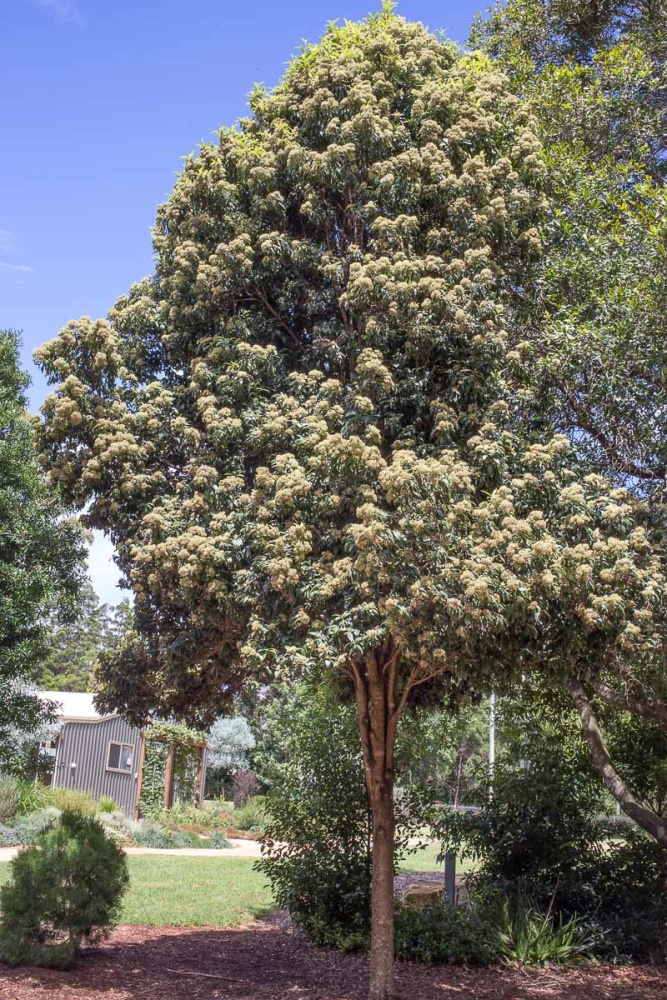
Backhousia citriodora, commonly known as lemon myrtle, is a native Australian tree known for its aromatic leaves and essential oil. These trees can reach a significant size depending on various factors such as environmental conditions, soil quality, and care provided.
Dimensions of Lemon Myrtle Trees
Backhousia citriodora typically grows to an average height of 10 to 30 meters (about 32 to 98 feet). However, under optimal conditions, they can even reach up to 40 meters (approximately 131 feet) tall. The tree's width can vary, with an average spread of 5 to 10 meters (around 16 to 33 feet).
- Size can depend on environmental conditions.
- Typical height ranges from 10 to 30 meters.
- Under ideal conditions, some can grow up to 40 meters tall.
Growth Rate of Backhousia citriodora
The growth rate of lemon myrtle is generally considered to be moderate, often growing between 30 to 60 centimeters (around 12 to 24 inches) per year. While this rate can vary based on care and climate, they are relatively fast-growing compared to other native Australian trees.
- Growth rate can vary depending on the care and climate.
- Moderate growth is typical at 30 to 60 centimeters yearly.
- Considered fast-growing among native Australian trees.
Factors Influencing Size
Several factors influence how large Backhousia citriodora can grow, including soil quality, moisture availability, and sunlight exposure. Proper care regarding these elements can enhance the growth potential of the tree.
- Soil quality plays a crucial role in growth.
- Availability of moisture is essential for healthy growth.
- Sunlight exposure can significantly impact tree height and spread.
Uses of Lemon Myrtle
The size and growth of Backhousia citriodora make it suitable for various uses. The tree’s leaves are commonly used for culinary purposes and in the production of essential oils due to their high aromatic properties.
See also:
- Leaves are used in cooking and flavoring.
- Essential oils extracted are used for aromatherapy.
- Can also be utilized in traditional medicine.
Care Requirements for Optimal Growth
To achieve substantial growth, Backhousia citriodora requires proper care, including adequate watering, fertilization, and occasional pruning. These practices help maintain tree health and encourage growth towards its potential height and width.
- Regular watering is important, especially in the first few years.
- Fertilization should be done during the growing season.
- Pruning helps manage size and encourages bushier growth.
Where is the best place to plant a lemon myrtle tree?
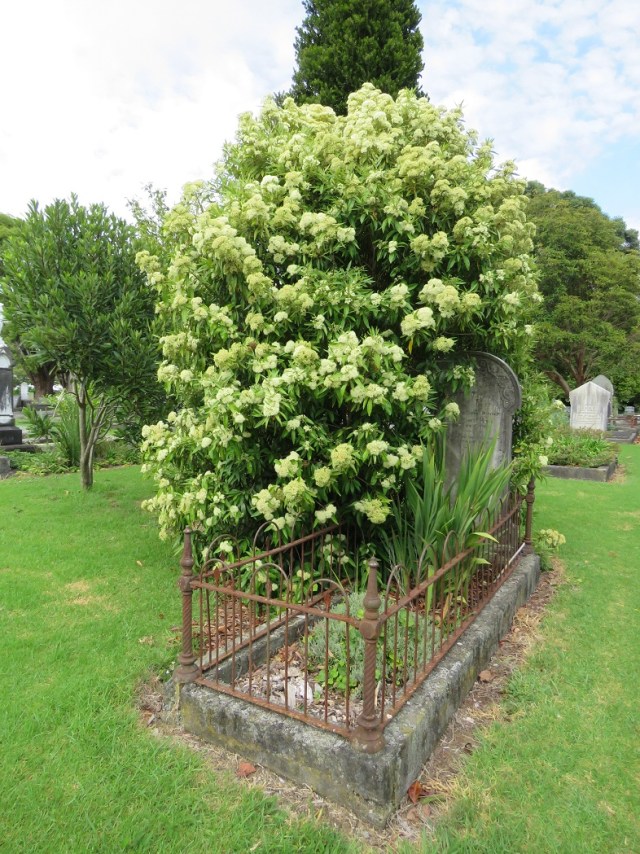
To determine the best place to plant a lemon myrtle tree (Backhousia citriodora), it is essential to consider its environmental needs and growth conditions. Lemon myrtle thrives in a range of conditions but has specific preferences that can optimize its growth and health.
1. Climate Considerations
Lemon myrtle trees are best suited for warm climates. They typically flourish in regions with a temperature range between 15°C to 30°C (59°F to 86°F). Adequate protection from frost, especially during the early stages of growth, is crucial. It's advisable to plant lemon myrtle in areas where:
- The average annual temperature is mild.
- Frost occurs infrequently, or when it does, it can be easily mitigated.
- They won’t be affected by extreme heat without sufficient moisture.
2. Soil Type
The soil used for planting lemon myrtle should be well-draining to prevent root rot. The ideal soil is loamy or sandy with good organic matter content. Here are some key points to consider regarding soil conditions:
- Use a pH range between 5.5 and 6.5.
- Amend soil with organic compost to improve fertility.
- Avoid heavy clay soils that retain water.
3. Sunlight Requirements
Lemon myrtle trees require full sun to thrive, which means they need at least 6 to 8 hours of direct sunlight each day. Here’s how to ensure they get enough light:
- Choose a location that is free from shading by buildings or other plants.
- Consider planting in areas that get morning sunlight to avoid harsh afternoon heat.
- Monitor the growth; if the tree becomes leggy, it may need more sun exposure.
4. Watering Needs
While lemon myrtle is relatively drought-tolerant once established, consistent watering is crucial during its initial growth phase. Consider these watering practices for optimal results:
- Water deeply but infrequently to encourage deep root growth.
- Mulch around the tree to retain soil moisture.
- Adjust watering based on weather conditions, especially during dry spells.
5. Spacing and Placement
When planting lemon myrtle, proper spacing is vital for its growth and maintenance. Ensure adequate space by considering the following:
- Plant lemon myrtle at least 2 to 3 meters (6 to 10 feet) away from other trees and structures.
- Allow enough room for the tree to spread out, as it can grow up to 5 meters (16 feet) tall.
- Consider planting in a spot where the tree can be easily accessed for pruning and harvesting leaves.
How big does lemon scented myrtle grow?
Lemon scented myrtle, scientifically known as Backhousia citriodora, is a small to medium-sized tree native to Australia. Typically, this tree can grow anywhere from 3 to 15 meters tall (approximately 10 to 50 feet). Factors such as soil type, climate, and care provided can influence its growth size. In its natural habitat, lemon scented myrtle thrives in well-drained soil, receiving ample sunlight, which can help it reach its maximum height of up to 15 meters.
Growth Habit and Structure
The growth habit of lemon scented myrtle is characterized by its dense foliage and lush appearance.
- Upright Form: It generally has an upright and bushy form, which makes it suitable for hedging or as a specimen tree in gardens.
- Branching: The branches tend to spread out laterally, providing good shade once the tree reaches maturity.
- Foliage: The leaves are aromatic, with a sweet lemon scent when crushed, contributing to its popularity in landscape design.
Height Variability in Different Environments
The height of lemon scented myrtle can vary significantly based on environmental conditions.
- Soil Quality: In rich, well-draining soils, this tree can grow taller compared to poorer soils.
- Climate: Warm and humid environments tend to encourage more vigorous growth.
- Water Availability: Regular watering can promote healthier growth and potentially increase height.
Cultivation Practices
Effective cultivation practices can significantly affect the growth of lemon scented myrtle.
See also:
- Pruning: Regular pruning can help shape the tree and encourage healthy growth.
- Fertilization: Applying balanced fertilizers during the growing season can enhance growth and foliage density.
- Pest Management: Keeping the tree healthy by managing pests can prevent stunted growth.
Impact of Space and Location
The available space and specific location where lemon scented myrtle is planted can also influence its growth.
- Competing Vegetation: Proximity to larger plants may hinder its growth due to competition for resources.
- Sun Exposure: Adequate sun exposure is crucial as insufficient light can restrict its vertical growth.
- Wind Protection: Planting in sheltered areas can enhance its stability and growth potential.
Potential Size in Landscapes
In designed landscapes, lemon scented myrtle can be utilized effectively, exhibiting considerable size variations.
- Specimen Tree: When planted alone, it can achieve its maximum height, becoming a standout feature in gardens.
- Hedging: When trimmed regularly as a hedge, it can be kept smaller while still making a significant aesthetic impact.
- Mixed Planting: Planting together with other native species can create a diverse environment, which may influence the overall growth due to the shared ecosystem.
Does lemon myrtle smell like Lemongrass?
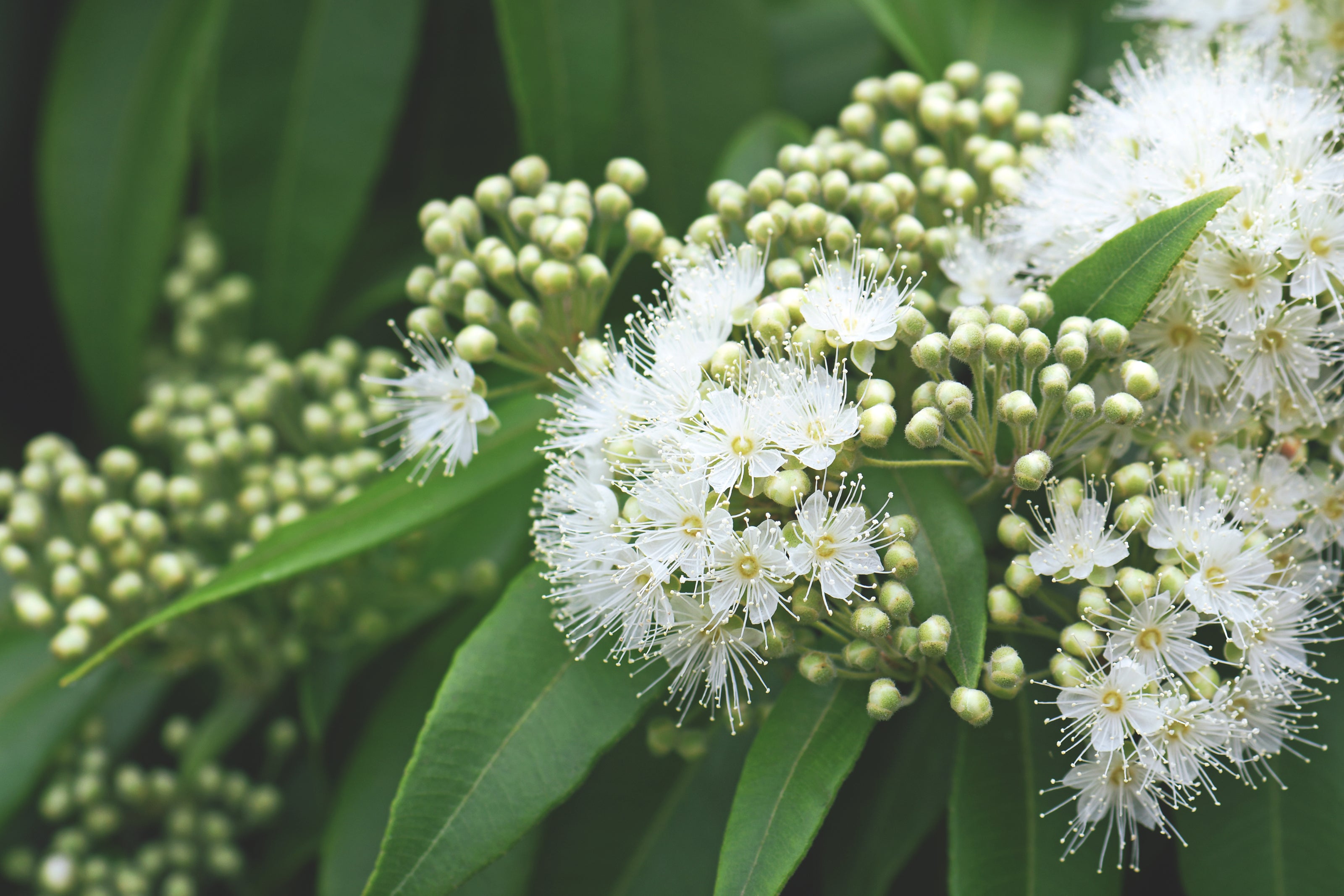
Does lemon myrtle smell like lemongrass? The answer is not straightforward, as both these plants belong to different botanical families and have distinct aromatic profiles, despite some similarities. Lemon myrtle (Backhousia citriodora) is native to Australia and is renowned for its strong lemon-scented aroma. On the other hand, lemongrass (Cymbopogon citratus) is commonly found in tropical regions and has a citrus scent that is less intense than that of lemon myrtle. While they both offer citrusy fragrances, the essence and intensity of their aromas can differ significantly.
Differences in Botanical Classification
The classification of lemon myrtle and lemongrass shows their distinct characteristics:
- Lemon Myrtle: Belongs to the Myrtaceae family.
- Lemongrass: Part of the Poaceae family.
- Implication: Their differing classifications can influence their chemical composition and scent profiles.
Aromatic Profiles
The scent profiles of lemon myrtle and lemongrass diverge in intensity and notes:
- Lemon Myrtle: Features a strong, sweet, and refreshing lemon fragrance.
- Lemongrass: Provides a more subtle, earthy citrus scent that can also be described as grassy.
- Description: While both have citrus notes, lemon myrtle's scent is typically more sharp and vibrant.
Uses in Culinary Applications
Both herbs are popular in cooking, but they are often used differently:
- Lemon Myrtle: Used in desserts, teas, and marinades, known for enhancing flavor with its powerful scent.
- Lemongrass: Commonly utilized in soups, curries, and beverages, typically in a fresher form that complements savory dishes.
- Flavor Impact: The stronger aroma of lemon myrtle can dominate a dish more than the subtler notes of lemongrass.
Fragrance Applications and Essential Oils
Lemon myrtle and lemongrass have different applications in aromatherapy and fragrance industries:
- Lemon Myrtle Oil: Known for its purifying properties and strong lemon scent, often used in cleaning products and cosmetics.
- Lemongrass Oil: Sought after for its refreshing and uplifting qualities, common in candles and skincare products.
- Popularity: Both oils are appreciated, but lemon myrtle is often preferred for its intense aroma.
Growing Conditions and Cultivation
The growing conditions for these two plants highlight their adaptability:
- Lemon Myrtle: Thrives in warm, subtropical climates and requires well-drained soil.
- Lemongrass: Grows in tropical and subtropical climates, often found in regions with high humidity.
- Care Requirements: While both plants need sunlight, lemon myrtle typically demands more care in colder climates.
Questions from Our Readers
What are the main uses of Backhousia citriodora?
Backhousia citriodora, commonly known as lemon-scented myrtle, is primarily used for its essential oil, which is extracted from its leaves. This oil is valued for its aroma and is commonly used in aromatherapy, cosmetics, and as a natural flavoring in food products.
Where is Backhousia citriodora native to?
Backhousia citriodora is native to the rainforests of eastern Australia, particularly in regions like Queensland and New South Wales. It thrives in these areas due to the humid climate and well-drained soils typical of rainforest environments.
How can I cultivate Backhousia citriodora in my garden?
To cultivate Backhousia citriodora in your garden, ensure you provide it with a location that offers full sun to partial shade and well-drained soil. Regular watering is important, especially during dry periods, as this plant prefers a moist environment to flourish.
Are there any medicinal properties associated with Backhousia citriodora?
Yes, Backhousia citriodora is believed to possess various medicinal properties due to its high concentration of antioxidants and antimicrobial compounds. Traditionally, it has been used to help with digestive issues and as a remedy for coughs and colds, although more scientific research is needed to fully understand its benefits.
See also:
If you want to read more articles like Discovering Backhousia Citriodora Lemon Scented Myrtle: Benefits, Uses, and Care Tips, we recommend you check out our Shrubs category.
Leave a Reply
Related Articles