The Best Time of the Year to Prune Apple Trees for Optimal Growth and Yield
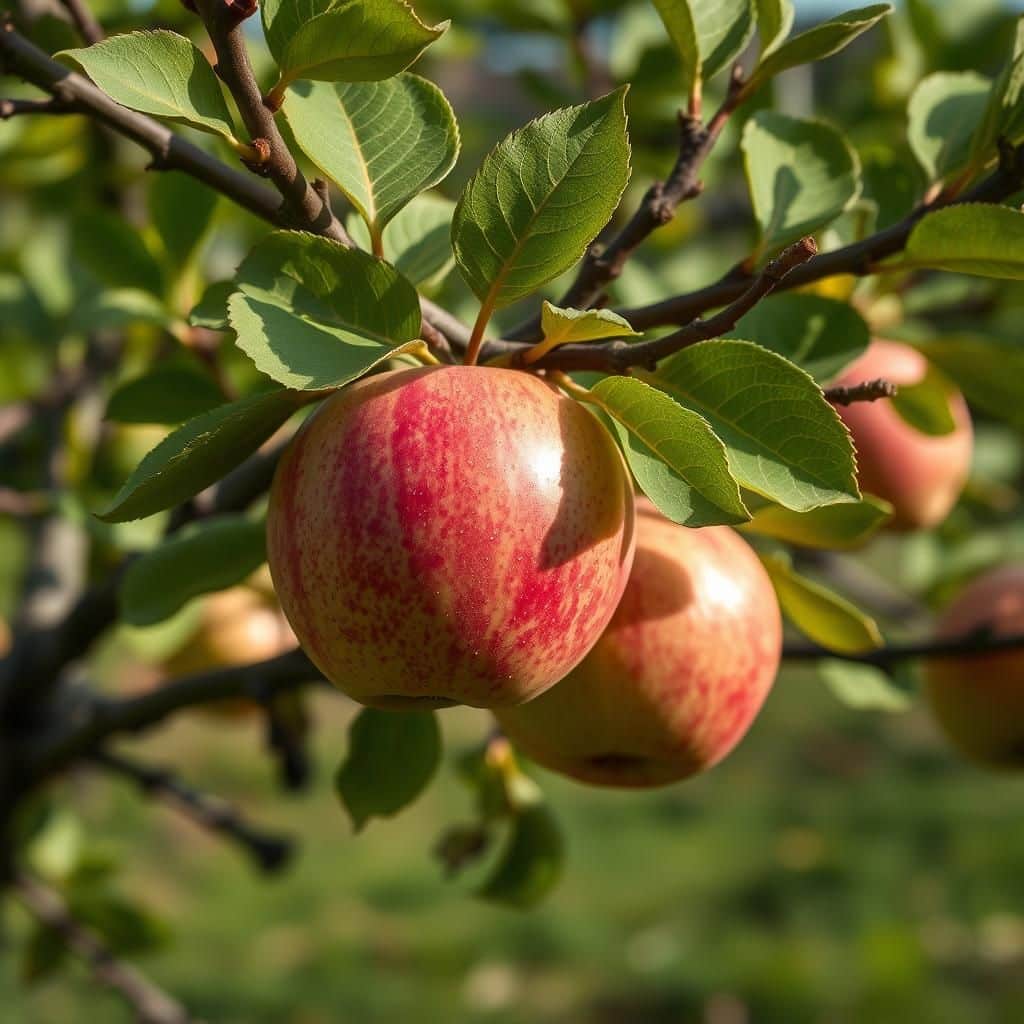
Pruning apple trees is a vital practice that significantly influences their growth, health, and fruit production. Understanding the best time of the year to undertake this important task can mean the difference between a thriving orchard and a struggling one. This guide will explore the optimal seasons for pruning, taking into consideration the specific needs of apple trees at different growth stages. By aligning your pruning efforts with the natural cycles of the tree, you'll encourage robust growth, enhance fruit quality, and ultimately achieve a bountiful harvest. Let’s delve into the timing and techniques that will best support your apple trees.
Best Time of the Year to Prune Apple Trees
Pruning apple trees is crucial for maintaining their health and productivity, and the best time of the year to do this is typically during the late winter or early spring, specifically when the trees are still dormant but just before the bud break. This timing minimizes stress on the tree and helps in maximizing the flow of nutrients once growth resumes. During this period, it is easier to identify the tree’s structure and plan the cuts effectively, ensuring that sunlight can penetrate the canopy to promote healthier growth. Additionally, late winter pruning reduces the risk of disease and pest infestations, as fewer insects are active at this time.
Understanding Dormancy in Apple Trees
Understanding dormancy in apple trees is essential for effective pruning. Dormancy refers to the period when the tree is inactive and not growing. During this phase, the tree conserves energy and resources, making it an ideal time for pruning without causing undue stress. Pruning during dormancy allows for better healing and encourages robust growth in the spring. This phase typically occurs from late fall to early spring, particularly in regions with cold winters, providing a window where pruning can successfully take place.
The Risks of Pruning at the Wrong Time
Pruning apple trees at the wrong time can lead to several issues, including increased susceptibility to pests and diseases. For instance, pruning during late spring or summer, when the tree is actively growing, can cause excessive sap loss and stress. Additionally, pruning during this period may stimulate unwanted growth, diverting energy away from fruit production. It is vital to adhere to the late winter-to-early spring timeline to avoid these risks and ensure the tree remains healthy and productive.
Signs of When to Prune
Observing certain signs can help determine the optimal time for pruning apple trees. One key indicator is the temperature; consistently cold temperatures, typically below 30°F (-1°C), signify that the tree has entered dormancy. Furthermore, the absence of leaf buds swelling is another cue that the tree is ready for pruning. In some climates, the arrival of the first buds around late February or early March may also serve as a prompt to begin the pruning process, allowing the tree adequate time to recover before the growing season begins.
See also:
Specific Tools for Pruning Apple Trees
Using the right tools is crucial for effective pruning. Essential tools include pruning shears, loppers, and saws, each selected based on the thickness of the branches being cut. Sharp and clean tools help make precise cuts, which are essential for reducing the risk of disease and promoting quicker healing. Investing in quality tools not only improves the pruning experience but also results in better outcomes for the tree's overall health and growth.
Best Practices for Pruning
Implementing best practices for pruning is vital to achieving optimal results when managing apple trees. Begin by removing any dead, diseased, or damaged branches, followed by thinning overcrowded areas to improve air circulation and sunlight exposure. It is advisable to cut at an angle to promote water drainage and prevent rot. Additionally, always make cuts just above the growth node or bud to stimulate new growth in the right direction. Regular annual pruning, following these best practices, will enhance the shape and yield of the apple tree over time.
| Time of Year | Pruning Benefits | Potential Risks |
|---|---|---|
| Late Winter - Early Spring | Encourages strong growth and reduces disease. | Minimal stress on the tree. |
| Late Spring - Summer | Unwanted growth may occur. | Higher risk of disease and sap loss. |
The Importance of Timing in Apple Tree Pruning
Pruning apple trees at the right time is crucial for ensuring optimal growth and fruit yield. The best periods for pruning are usually late winter to early spring before the buds swell, which allows for cleaner cuts and reduces the likelihood of damage to the tree. Additionally, pruning during this time encourages the tree to focus its energy on growing and ripening fruit during the warmer months. Pruning at the wrong time, such as during active growth, can lead to excessive sap bleeding, which not only stresses the tree but can also make it vulnerable to pests and diseases. Hence, understanding the best time of year for pruning is key to maintaining the health and productivity of apple trees.
Factors to Consider When Pruning Apple Trees
When determining the best time to prune apple trees, several factors come into play. The climate of the region plays a significant role; for instance, trees in milder areas may require pruning earlier than those in colder climates where winter lasts longer. Additionally, the age and health of the tree should be considered; young trees might need more frequent pruning to shape them correctly, while mature trees could benefit from fewer, more strategic cuts. Awareness of disease cycles and pest patterns is also important, as pruning can affect the tree's susceptibility to these issues.
Signs Your Apple Trees Need Pruning
Detecting when apple trees need pruning is vital for their health and productivity. Look for overcrowded branches, as this indicates that adequate sunlight and air circulation are being compromised, both of which are essential for fruit development. If you notice dead, diseased, or damaged branches, they should be pruned immediately to prevent further spread of pathogens. Other signs include excessive vertical growth and a lack of blossom production, both of which can signal that the tree is not in an optimal state for yielding fruit.
See also:
Common Mistakes in Apple Tree Pruning
Many people make common mistakes when pruning apple trees, often due to a lack of knowledge or experience. One prevalent mistake is heavy pruning during the growing season, which can shock the tree and decrease yield. Another error is not using the right tools, which can lead to tearing the bark and leaving the tree vulnerable to infections. Failing to understand the structure of the tree and making indiscriminate cuts can also result in a poorly shaped tree and reduced fruit production. Avoiding these pitfalls is essential for successful pruning and maintaining a healthy apple orchard.
The Role of Seasonal Changes in Pruning
Seasonal changes significantly influence the pruning process of apple trees, as each season has a different impact on tree health. In winter, trees are dormant, making it the perfect time to prune without stressing the tree. As spring approaches, the emergence of new growth calls for minimal pruning, focusing more on removing only the most critical branches. In the summer, some growers might opt for light pruning to manage tree size and encourage fruit ripening. In autumn, the focus shifts to managing any tree damage before winter, indicating that understanding seasonal cycles is essential for effective tree care.
Best Practices for Apple Tree Pruning
Implementing best practices for apple tree pruning enhances both the growth and yield of the trees. Always start by using sharp, clean tools to make precise cuts that minimize damage. It's advisable to prune in dry weather to reduce the risk of introducing disease. Understanding the art of thinning—removing branches to allow light penetration—is essential for producing high-quality fruit. Additionally, applying tree wound sealant on larger cuts can help protect against infection. Following these best practices not only facilitates immediate growth but also ensures long-term productivity of the apple trees.
Questions from Our Readers
When is the best time to prune apple trees?
Pruning apple trees is most effectively done in late winter or early spring before the buds break. This timing helps minimize the risk of pest infestations and diseases, while also allowing the tree to heal more quickly from the cuts.
Why is winter considered a good time for pruning apple trees?
Winter pruning is beneficial because the trees are dormant, which reduces stress on them and makes it easier to see their structure without leaves. Additionally, pruning in this season encourages healthy growth once spring arrives.
See also:
Can I prune apple trees in the fall?
It is generally not recommended to prune apple trees in the fall as this can stimulate new growth that may not have enough time to harden off before the winter cold sets in. This can leave the tree vulnerable to cold damage and diseases.
What happens if I prune apple trees at the wrong time?
Pruning apple trees at the wrong time, such as during the growing season, can result in excessive sap loss and a higher susceptibility to pests and diseases. This can weaken the tree, potentially leading to a decrease in fruit production.
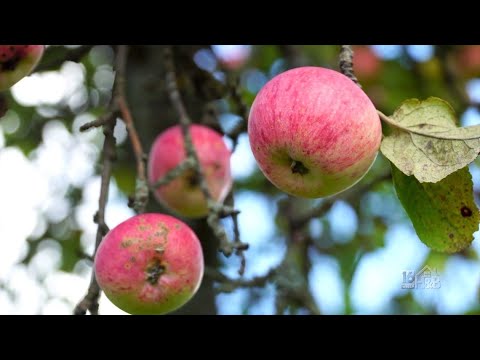
If you want to read more articles like The Best Time of the Year to Prune Apple Trees for Optimal Growth and Yield, we recommend you check out our Pruning category.
Leave a Reply
Related Articles