Exploring What are the Disadvantages of Lilly Pilly? A Comprehensive Guide
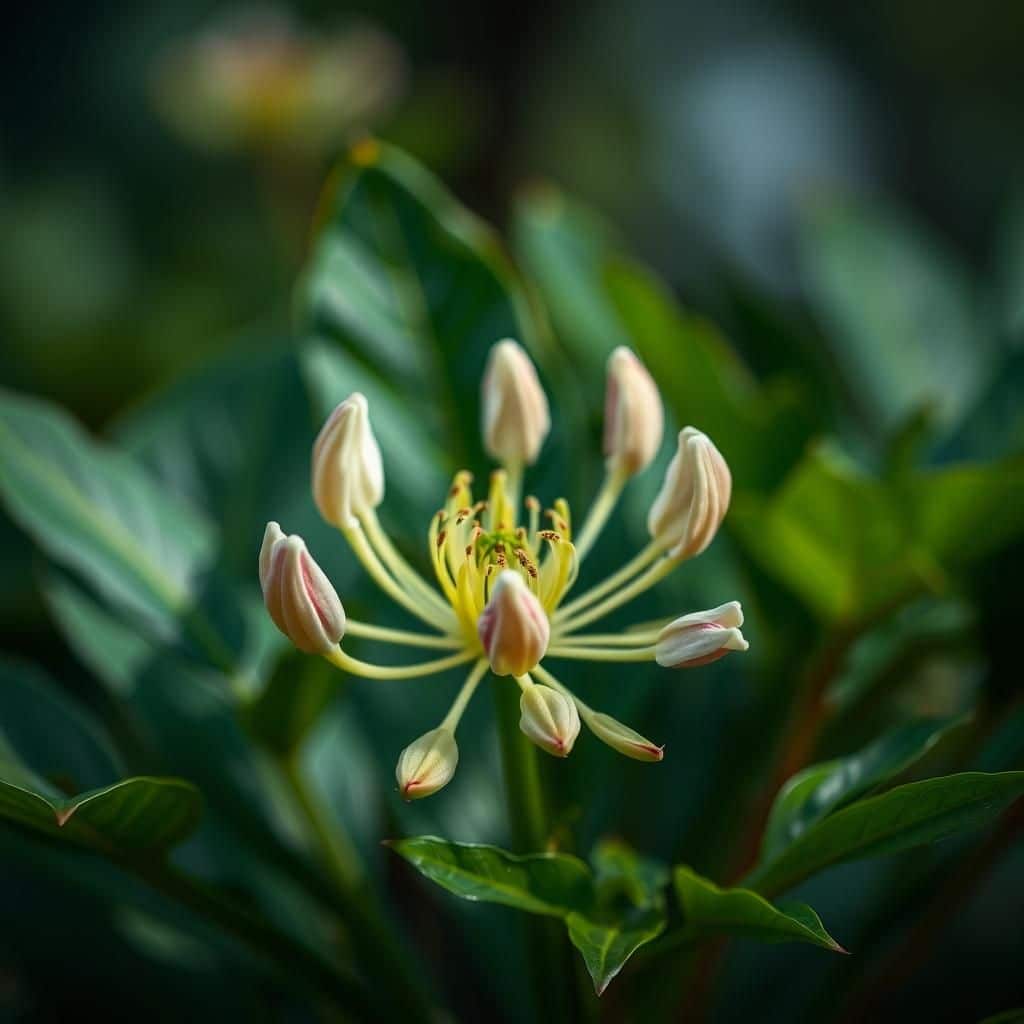
Lilly Pilly, known for its lush foliage and vibrant berries, is a popular choice for landscaping in many gardens. While its aesthetic appeal is undeniable, it's essential to consider the potential disadvantages that come with this plant. This comprehensive guide delves into the drawbacks associated with Lilly Pilly, including issues related to maintenance, susceptibility to pests, and the impact on local ecosystems. By exploring these factors, readers will gain a better understanding of whether Lilly Pilly is the right choice for their garden, ensuring informed decisions that align with both aesthetic desires and environmental responsibilities.
Disadvantages of Lilly Pilly
Lilly Pilly, while popular for its attractive foliage and berries, has several disadvantages that potential gardeners should consider. One significant issue is its susceptibility to pest infestations, particularly by psyllids, which can lead to leaf curl and damage the tree's appearance. Additionally, Lilly Pilly can sometimes cause root problems in areas with heavy clay soil, as the roots may struggle to establish properly, resulting in poor growth. The tree may also require regular pruning to maintain its shape and prevent it from becoming too bushy, which can be a time-consuming task for gardeners. Lastly, Lilly Pilly's berries are not universally loved; while some birds enjoy them, the fruit can produce a strong staining effect if it falls onto patios or driveways.
Susceptibility to Pests
One of the primary disadvantages of Lilly Pilly is its susceptibility to pests like the psyllid, which infests the leaves. This pest can cause significant damage, leading to unsightly foliage and potential stress to the plant. Control measures may need to be implemented, including pesticides or natural remedies, which can add to the maintenance burden for gardeners.
Root Problems
Lilly Pilly plants often face root problems, especially in heavy, wet soils. This can hinder proper growth and establishment, leading to weakened plants susceptible to other issues like drought or stress. It's crucial to ensure that the planting site has well-draining soil to mitigate these problems and promote healthier root development.
Regular Pruning Required
To maintain an appealing shape and healthy growth, regular pruning is required for Lilly Pilly. This can be a demanding task since without consistent maintenance, the plant can quickly become overgrown and unmanageable. Pruning helps improve air circulation, light penetration, and the overall aesthetic of the tree but requires commitment from the gardener.
See also:
Staining from Berries
While the berries of the Lilly Pilly are enjoyed by some birds, they also present a staining problem for homeowners. If the berries fall onto surfaces like patios, sidewalks, or driveways, they can leave unsightly stains that are difficult to clean. This characteristic makes it less desirable for gardens in high-traffic areas where maintenance is a priority.
Potential for Invasive Growth
Another disadvantage is the potential for invasive growth. Lilly Pilly can spread rapidly if not properly managed, leading to overcrowding in a garden setting. This can overshadow other plants, depriving them of sunlight and resources, and may require frequent monitoring and management to keep the plant in check.
| Disadvantage | Impact |
|---|---|
| Pest Infestations | Can lead to leaf curl and damage |
| Root Problems | Poor growth in heavy soils |
| Regular Pruning | Time-consuming maintenance task |
| Staining Berries | Can stain patios and driveways |
| Invasive Growth | Potential overcrowding in the garden |
Understanding the Negative Aspects of Lilly Pilly
Lilly Pilly, while often admired for its aesthetic appeal and hardiness, does have certain disadvantages that potential growers should consider. One significant issue is the susceptibility of some varieties to pests and diseases, particularly during wet seasons. This can lead to a higher need for pesticides, which might contradict organic gardening practices. Additionally, their pruning requirements can be demanding, as they often need regular maintenance to promote healthy growth and prevent overcrowding. Furthermore, fruit drop can be a nuisance, attracting birds and other wildlife that may cause further disruptions in your garden.
Pest and Disease Vulnerability
Certain varieties of Lilly Pilly are prone to various pests, such as aphids and scale insects, as well as diseases like fruit fly infestation. This vulnerability not only affects the health of the plant but can also compromise the overall landscape aesthetics. Managing these issues may require the use of chemical treatments, which can be detrimental to the surrounding ecosystem if not managed responsibly.
Maintenance and Pruning Needs
Maintaining Lilly Pilly trees can necessitate regular pruning to ensure a healthy and visually appealing shape. This can be a significant commitment for homeowners, especially if they are aiming for a specific design or size in their landscape. Neglecting these pruning duties can result in overgrowth, reduced flowering, and a greater likelihood of pest issues due to poor air circulation.
See also:
Fruit Drop and Associated Mess
One often overlooked aspect of Lilly Pilly trees is the tendency to drop fruit during the growing season. While some may appreciate the edible berries, the resulting litter can create a mess on patios or walkways, requiring additional cleaning efforts. Moreover, fallen fruit may attract unwanted pests or animals, leading to further complications in maintaining a tidy garden space.
Potential for Invasiveness
Certain species of Lilly Pilly can become invasive, particularly in tropical and subtropical environments. Their ability to propagate quickly can outcompete native flora, resulting in a loss of biodiversity. Gardeners should carefully assess their local environment to avoid potential ecological issues associated with planting these trees.
Water and Soil Requirements
Lilly Pilly shrubs typically thrive in well-drained soil with consistent moisture. However, their sensitivity to drought and overwatering can make it challenging to meet their requirements, especially in regions with variable weather patterns. Improper watering can lead to poor growth or root rot, making it essential for gardeners to closely monitor soil moisture and adjust their watering schedule accordingly.
Questions from Our Readers
What are the common pests associated with Lilly Pilly?
Lilly Pilly can attract various pests, such as psyllids and scale insects, which can lead to damage on the foliage. These pests may cause yellowing of leaves and result in the premature drop of new growth. Regular monitoring and pest control measures are essential to maintain the health of Lilly Pilly plants.
Do Lilly Pillies require a lot of maintenance?
Yes, Lilly Pillies often require significant maintenance to keep them looking their best. This includes pruning to control their size and shape, as they can grow quite tall and bushy if not managed properly. Additionally, they may need fertilizing and periodic watering, especially in dry conditions, to thrive.
See also:
Are Lilly Pilly fruits safe for consumption?
While Lilly Pilly fruits are edible, they are not commonly consumed due to their variable taste and the presence of small seeds. Some people may enjoy them, but the fruits can also lead to stomach upset in certain individuals. Therefore, it is advisable to proceed with caution if considering them for culinary use.
Can Lilly Pilly cause allergic reactions?
Yes, some individuals may experience allergic reactions to Lilly Pilly, particularly when sensitive to the pollen or other parts of the plant. Symptoms can range from skin irritation to respiratory issues. It’s important for those with known allergies to be aware of this and to take necessary precautions when handling or planting these shrubs.

If you want to read more articles like Exploring What are the Disadvantages of Lilly Pilly? A Comprehensive Guide, we recommend you check out our Shrubs category.
Leave a Reply
Related Articles