Can You Put a Greenhouse Directly on Soil? Pros, Cons, and Best Practices
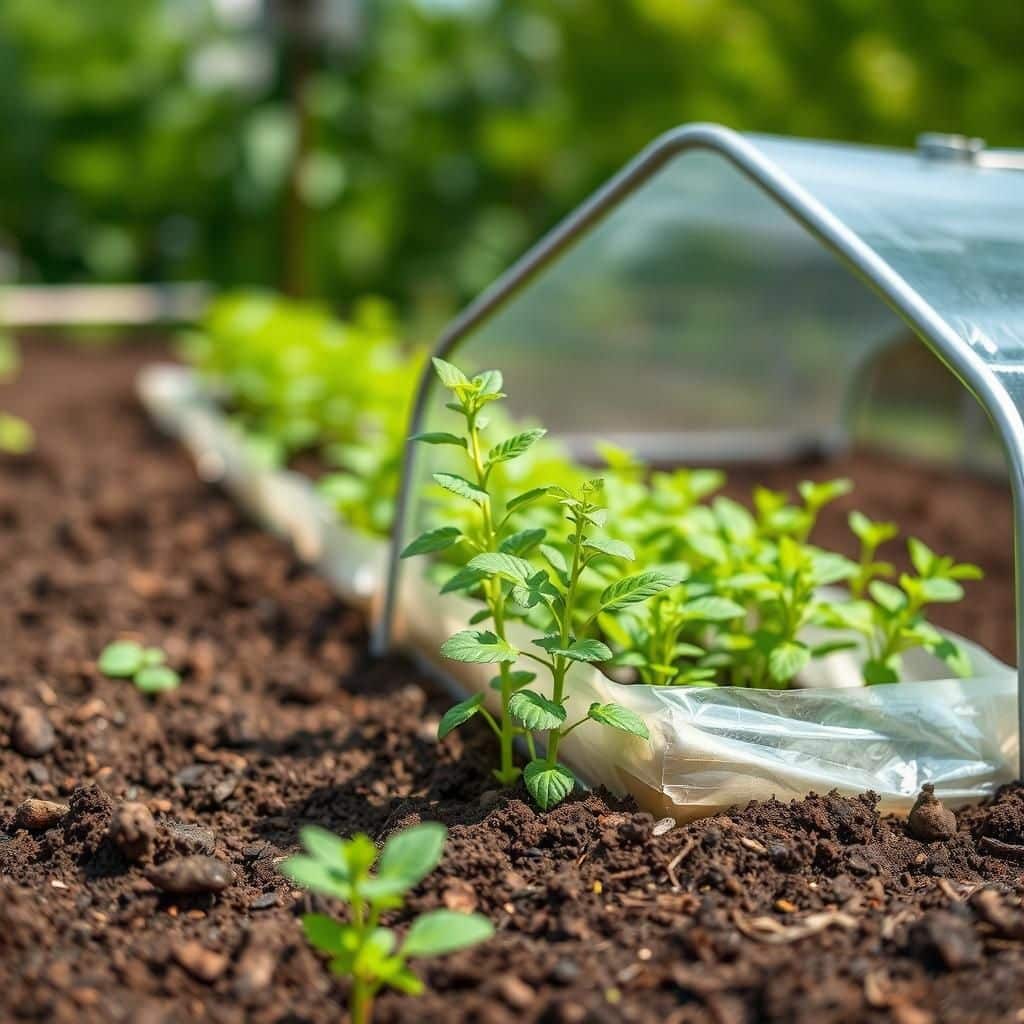
When considering the installation of a greenhouse, one key question often arises: can you place a greenhouse directly on soil? This decision carries a range of implications for both plant health and structural integrity. Understanding the pros and cons of this approach is essential for any gardener or horticulturist. Factors such as drainage, soil quality, and pest management all play a crucial role in determining the best practices for greenhouse placement. In this article, we will explore the benefits and drawbacks of placing a greenhouse on soil, while offering practical tips to maximize your gardening success.
Can You Put a Greenhouse Directly on Soil?
You can indeed put a greenhouse directly on soil, but there are several factors to consider to ensure proper drainage, ventilation, and stability. When placing a greenhouse on soil, it is essential to assess the soil type and condition, as well as the levelness of the ground. A solid foundation helps prevent a greenhouse from shifting or collapsing due to weather conditions. Additionally, soil placement may impact the greenhouse's heat retention and humidity levels, which are crucial for plant growth. It is also advisable to consider using a barrier or special foundation materials if your soil tends to retain excess water.
Advantages of Placing a Greenhouse on Soil
Placing a greenhouse directly on soil offers several advantages. One of the primary benefits is the natural insulation provided by the earth, which helps maintain a stable temperature within the greenhouse. It allows for better root systems for plants that can reach into the soil, utilizing its nutrients and moisture. Furthermore, a direct soil-to-greenhouse connection can facilitate better drainage, reducing the risk of waterlogging issues common with raised structures.
Disadvantages of Soil Placement
Despite its advantages, there are some noticeable disadvantages to putting a greenhouse directly on soil. Soil contact can lead to pests and disease infiltrating the greenhouse through the soil, which can pose a threat to your plants. Additionally, soil can erode or shift over time, potentially compromising the structural integrity of the greenhouse. Without proper preparation, issues like uneven settling can also arise, leading to complications in greenhouse management.
Best Soil Types for Greenhouse Installations
The best soil types for installing a greenhouse generally include well-drained, sandy loam or loamy soils. These types facilitate good drainage, which is essential for preventing water accumulation that could harm plant roots. It is recommended to avoid heavy clay soils, which tend to retain excess moisture and may lead to root rot or other issues. Performing a soil test prior to installation can help determine the best practices moving forward.
Preparing the Soil for Greenhouse Setup
Preparing the soil before setting up a greenhouse involves several important steps. Firstly, the area should be cleared of weeds, debris, and any obstructions that could affect the greenhouse structure. It is also crucial to ensure that the ground is level and firm; you may need to fill in low areas or remove high spots. Additionally, mixing in compost or organic matter can enhance the soil’s nutrient content, laying a better foundation for the plants that will be grown in the greenhouse.
Maintaining a Healthy Soil Environment
To maintain a healthy soil environment under a greenhouse, regular practices such as rotating crops, applying organic fertilizers, and ensuring adequate drainage are essential. Implementing cover crops in off seasons can also help improve soil structure and nutrient levels. Regular monitoring of moisture levels and soil health through testing can help prevent issues arising from overwatering or nutrient depletion. Creating a balanced ecosystem will further benefit plant growth and enhance overall greenhouse productivity.
| Aspect | Description |
|---|---|
| Insulation | Soil provides natural insulation helping to maintain temperature. |
| Drainage | Proper soil can enhance drainage, reducing water-related issues. |
| Pest Concerns | Soil contact may introduce pests and diseases to plants. |
| Soil Type | Sandy loam is ideal; clay soils are less desirable. |
| Maintenance | Regular testing and managing soil nutrients are crucial for health. |
What is the best base to put a greenhouse on?

The best base to put a greenhouse on largely depends on the type of greenhouse, the local climate, and the intended use. However, generally speaking, a solid and level foundation is crucial to ensure structural integrity and optimal growth conditions for plants.
Concrete Foundation
A concrete foundation is one of the most recommended bases for greenhouses due to its durability and stability. It provides a sturdy base that can withstand heavy winds and snow loads, preventing the greenhouse from shifting or settling unevenly over time.
- Durability: A concrete base can last for decades without requiring much maintenance.
- Weed Prevention: It prevents weeds from growing beneath the greenhouse, minimizing competition for nutrients.
- Level Surface: Ensures that the greenhouse is level, which is essential for proper drainage and plant health.
Gravel Base
A gravel base is another excellent option for greenhouse foundations. It is typically easier and faster to install compared to concrete, and it offers good drainage, which is vital for preventing root rot in plants.
- Ease of Installation: Gravel is simple to lay down and can be adjusted easily.
- Drainage: It helps water drain away efficiently, reducing the risk of standing water.
- Cost-Effective: Generally, it is less expensive than a concrete slab.
Wooden Frame Foundation
Using a wooden frame as a foundation can also be an effective solution, particularly for smaller greenhouses. A wooden base adds a natural aesthetic and can also be a cost-effective choice if pressure-treated lumber is used to resist decay.
- Aesthetic Appeal: Wood can blend well with garden surroundings.
- Natural Insulation: It can provide some insulation during cooler weather.
- Customization: Easier to modify or expand the greenhouse in the future.
Concrete Blocks or Pavers
Using concrete blocks or pavers allows for a more versatile foundation setup. These materials can be arranged in various configurations to suit specific needs or aesthetic preferences while still providing solid support.
See also:
- Versatile Design: You can create paths or borders around the greenhouse.
- Drainage: Helps with water management and prevents pooling.
- Stability: Provides a firm level to which the greenhouse can be anchored.
Raised Bed Foundation
A raised bed foundation involves building the greenhouse on top of an elevated structure, often filled with soil or mix. This setup is particularly beneficial for certain climate conditions where drainage is critical.
- Improved Drainage: Elevated foundation minimizes the chances of waterlogged soil.
- Soil Quality: Allows for better control over soil composition within the greenhouse.
- Accessibility: Higher structure makes it easier to tend to plants without bending down.
Can you put a greenhouse directly on the ground?

Yes, you can put a greenhouse directly on the ground. However, there are several factors to consider when deciding whether to place a greenhouse directly on the soil or to elevate it. Placing a greenhouse directly on the ground can simplify the setup and minimize costs, but it might also have some drawbacks related to drainage, pests, and temperature regulation.
Benefits of Placing a Greenhouse on the Ground
Placing a greenhouse directly on the ground can offer several advantages for gardeners. One of the main benefits includes:
- Cost-Effective Setup: Building a greenhouse on the ground eliminates the need for a foundation, which can reduce costs significantly.
- Easy Accessibility: Ground-level greenhouses make it easier for gardeners to access plants without the need for steps or ramps.
- Natural Cooling: Soil can help maintain cooler temperatures, which can be beneficial for certain plants, especially in warmer climates.
Disadvantages of Ground-Level Greenhouses
While there are benefits to placing a greenhouse on the ground, there are also potential downsides that must be addressed:
- Drainage Issues: Poor drainage can lead to water pooling around the greenhouse, potentially harming plants and soil structure.
- Pest Infestation: Ground-level greenhouses may be more susceptible to pests and vermin, as these creatures can easily access the structure.
- Temperature Fluctuations: Soil temperatures can fluctuate more than elevated structures, which might affect sensitive plants.
Site Preparation for a Ground Greenhouse
Proper site preparation is crucial before constructing a greenhouse on the ground. It can enhance both efficiency and plant health:
- Level the Ground: Make sure the site is level to prevent water accumulation that could harm the plants.
- Soil Testing: Conduct soil tests to determine pH and nutrient levels, which will help in amending the soil as needed.
- Drainage Solutions: Plan for adequate drainage by creating slopes or adding drainage materials to manage excess water effectively.
Types of Greenhouses Suitable for Ground Installation
Various types of greenhouses can be successfully installed directly on the ground. Choosing the right one depends on your specific needs:
- Low Tunnel Greenhouses: These are easy to set up and ideal for extending the growing season for vegetables and flowers.
- Traditional Frame Greenhouses: These sturdy options offer durability and can be designed for various climates.
- Portable Greenhouses: These lightweight structures can be moved and are great for gardeners with limited space.
Maintenance Tips for Ground-Level Greenhouses
Maintaining a ground-level greenhouse requires regular attention to ensure that it functions optimally:
- Regularly Check Drainage: Inspect drainage systems frequently to prevent blockages that could lead to flooding.
- Pest Management: Implement pest control measures like barriers or companion planting to keep pests at bay.
- Monitor Temperature: Use thermometers and ventilation to ensure optimal temperatures for plant health.
Does a greenhouse need a solid base?
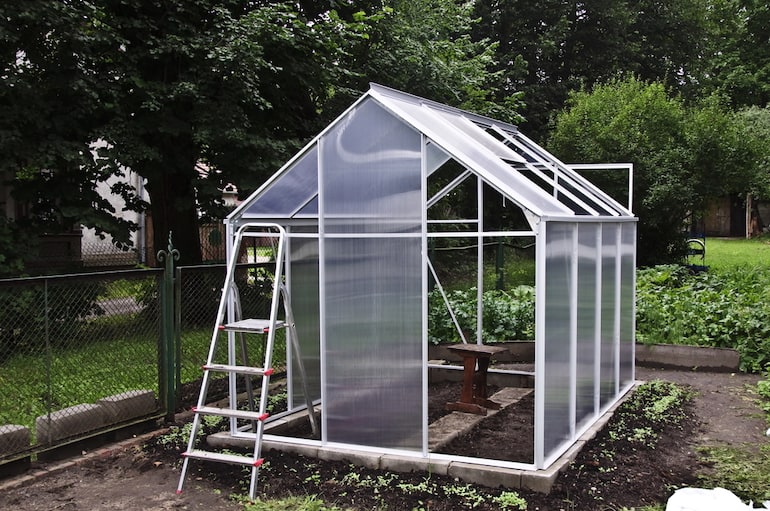
Yes, a greenhouse typically needs a solid base for several reasons. The foundation provides stability, supports the structure, and can enhance growing conditions. A solid base helps prevent damage from extreme weather, keeps moisture levels consistent, and can make the greenhouse easier to maintain.
Importance of Stability
A solid base ensures that the greenhouse remains stable and upright, which is crucial during adverse weather conditions. A stable foundation can help:
- Prevent structural damage caused by strong winds.
- Reduce the risk of shifting or collapsing over time.
- Support various greenhouse types, including larger models with more glass.
Drainage and Moisture Control
Good drainage is vital to maintaining healthy plants inside a greenhouse. A solid base can facilitate efficient water management by:
- Preventing water accumulation, which can lead to root rot.
- Allowing for better water runoff during rainfall or irrigation.
- Enabling the use of appropriate flooring materials that enhance drainage.
Temperature Regulation
A solid base can contribute to better temperature regulation within the greenhouse. This is achieved through:
See also:
- Providing insulation against cold ground temperatures.
- Allowing for the installation of heating systems that maintain warmth during colder months.
- Facilitating the retention of heat, which can enhance plant growth.
Ease of Maintenance
Having a solid base can make the maintenance of a greenhouse more convenient. Key factors include:
- Providing a stable surface for walkways, making it easier to move around.
- Reducing weed growth by limiting soil exposure.
- Making it simpler to clean the greenhouse environment.
Compliance with Building Regulations
In some regions, building regulations require a solid base for greenhouses. Compliance may involve:
- Meeting insurance and safety standards set by local authorities.
- Ensuring that the greenhouse can withstand local weather conditions.
- Facilitating the approval process for installation and construction.
Can you build a greenhouse without a foundation?
Yes, you can build a greenhouse without a foundation, although there are several considerations to keep in mind. A greenhouse is essentially a structure designed to promote plant growth by allowing sunlight in while providing protection from adverse weather. Building a greenhouse without a solid foundation is feasible, especially for smaller or temporary structures. However, it is essential to ensure that the greenhouse is stable and can withstand environmental factors. Here are some factors to consider when opting for a foundation-free greenhouse.
Advantages of Building a Greenhouse Without a Foundation
Building a greenhouse without a foundation comes with several advantages:
- Cost-Effective: Not having to pour a concrete slab or lay a foundation can significantly reduce the overall cost of your greenhouse.
- Mobility: A foundation-free greenhouse is easier to relocate if you need to change its position due to sunlight availability or other factors.
- Quick Installation: Without the need for concrete curing time, the setup process can be expedited, allowing you to start planting sooner.
Disadvantages of No Foundation
While there are benefits, there are also potential drawbacks to consider:
- Stability Issues: A greenhouse without a solid foundation may be more susceptible to wind and shifting soil, which can impact its integrity.
- Pest Management: Without a foundation, it might be easier for pests to access the greenhouse from beneath, complicating pest control efforts.
- Moisture Control: Ground contact can lead to moisture issues, encouraging mold or rot if not managed properly.
Types of Greenhouses That Can Be Built Without a Foundation
Various types of greenhouses are suitable for foundation-less construction:
- Hoop Houses: These are semi-circular structures made of PVC or metal hoops covered with plastic. They are lightweight and often used for season extension.
- Portable Greenhouses: These are typically smaller structures designed to be moved easily, often used for starting seedlings or protecting specific plants.
- Cold Frames: Low to the ground, these structures can serve as mini-greenhouses for starting seeds or protecting plants from cold weather.
Best Practices for Stability
Even without a foundation, you can take steps to ensure the stability of your greenhouse:
- Anchoring System: Use ground stakes or weights to anchor your greenhouse securely to the ground, helping it withstand high winds.
- Site Selection: Choose a location with well-drained soil and limited exposure to strong winds to enhance structural integrity.
- Material Selection: Opt for sturdy materials that can resist bending or breaking under pressure, such as strong plastic covers or metal frames.
Maintenance Considerations
Maintaining a foundation-less greenhouse requires diligence:
- Regular Inspections: Frequently check for any signs of shifting or settling, especially after heavy rains or storms.
- Pest Control: Implement measures to control pests that may easily enter due to the lack of foundation barriers.
- Water Management: Properly manage irrigation to prevent water pooling around the greenhouse, which can lead to moisture-related issues.
Questions from Our Readers
Can you put a greenhouse directly on soil?
Yes, you can put a greenhouse directly on soil. However, it's important to ensure that the foundation is stable and that the soil can support the structure. Proper drainage is also crucial to prevent water from accumulating under the greenhouse, which could lead to structural damage or plant diseases.
What are the benefits of placing a greenhouse on soil?
Placing a greenhouse on soil allows for better aeration and root access for plants. It can help maintain a more consistent temperature around the roots, which is essential for healthy growth. Additionally, using soil can facilitate drainage, reducing the risk of water-related issues.
Are there any disadvantages to putting a greenhouse on soil?
One of the main disadvantages of placing a greenhouse on soil is the potential for pests and weeds to directly access the plants. Also, maintaining temperature control can be more challenging compared to a raised structure, as soil temperatures can fluctuate more frequently.
What precautions should I take when installing a greenhouse on soil?
When installing a greenhouse on soil, it's crucial to assess the soil quality and ensure good drainage. Consider installing a foundation or gravel base to mitigate pests and improve stability. Regularly check for signs of excess moisture or weed growth to maintain a healthy growing environment.
See also:

If you want to read more articles like Can You Put a Greenhouse Directly on Soil? Pros, Cons, and Best Practices, we recommend you check out our Greenhouse category.
Leave a Reply
Related Articles