Discover What is the Most Beautiful Flowering Shrub? Top Picks and Care Tips

When it comes to enhancing the beauty of your garden, flowering shrubs are a stunning choice that can add color, texture, and fragrance. With a myriad of species to choose from, selecting the most beautiful flowering shrub can feel overwhelming. This article will guide you through some of the top picks known for their spectacular blooms and unique characteristics. Additionally, we’ll provide essential care tips to ensure your shrubs thrive and flourish in your landscape. Whether you're a seasoned gardener or a novice, discover how these vibrant plants can elevate your outdoor space.
What is the Most Beautiful Flowering Shrub?
The title of the most beautiful flowering shrub is often subjective, as it varies based on personal preference, climate, and garden aesthetics. However, one contender that frequently makes the list is the Hydrangea. Known for its large, lush blooms that come in a range of colors from blue to pink to white, the Hydrangea not only adds a vibrant centerpiece to any garden but also flourishes in different conditions, making it adaptable to various environments. Its wide seasonal bloom time, combined with the ability to change color based on soil pH, allows gardeners to create stunning displays throughout the growing season, cementing its reputation as a favorite among flowering shrubs.
Hydrangeas: A Colorful Bloom
Hydrangeas are renowned for their ability to produce large clusters of flowers that can change color based on soil acidity. This adaptability makes them a unique choice for gardeners, as they can tailor the color of their blooms to suit personal tastes or landscape designs. Available in many varieties, such as Bigleaf, Panicle, and Smooth, each type presents its own unique characteristics and floral displays, providing a versatile option for any garden.
Rhododendrons: Elegance and Fragrance
Rhododendrons are celebrated not only for their stunning floral displays but also for their elegant presence in gardens. These evergreen shrubs produce blooms in a variety of hues, often in large clusters, which can create breathtaking visual effects in spring. Additionally, the foliage remains attractive throughout the year, offering structure and greenery to the landscape, even when they are not in bloom.
Azaleas: Compact and Colorful
Azaleas, a member of the Rhododendron family, are smaller in size and typically have a more compact growth habit. They are available in an array of vibrant colors and often attract pollinators with their fragrant blooms. Azaleas thrive in shade or partial sun, making them perfect for woodland gardens or shaded areas, and their prolific flowering adds a splash of color during springtime, enhancing the overall aesthetic of the garden.
Butterfly Bush: A Magnet for Pollinators
The Butterfly Bush, or Buddleja, is celebrated for its long, arching flower spikes that bloom in rich colors and attract butterflies and other pollinators, making it a favorite among wildlife enthusiasts. These shrubs are known for their robust growth and can quickly fill in spaces, providing vibrant color from summer through fall. Additionally, their fragrant flowers not only beautify the garden but also create a lively habitat for beneficial insects.
Spirea: Low Maintenance and Resilient
Spirea shrubs are highly regarded for their hardiness and low maintenance requirements. With delicate clusters of flowers appearing in spring or summer, spireas deliver attractive blooms that can fill gardens with soft colors. They also offer a pleasant fall foliage display, transforming into shades of orange and red. These shrubs thrive in a variety of soil types and conditions, making them an excellent choice for gardeners looking for resilience combined with beauty.
| Shrub | Bloom Time | Flower Color | Light Preference |
|---|---|---|---|
| Hydrangea | Summer to Fall | Blue, Pink, White | Partial Sun to Shade |
| Rhododendron | Spring | Pink, Purple, White | Partial Shade |
| Azalea | Spring | Red, Pink, White, Purple | Shade to Partial Sun |
| Butterfly Bush | Summer to Fall | Purple, Pink, White | Full Sun |
| Spirea | Spring to Summer | White, Pink | Full Sun |
What flowering bushes look good all year?
:max_bytes(150000):strip_icc()/evergreen-shrubs-curb-appeal-camellia-japonica-getty-0623-dfa2aaed1e7c4f2bb9abc32e0dbfade6.jpg)
Choosing flowering bushes that maintain visual appeal throughout the year can enhance the aesthetics of any garden. Such bushes not only provide vibrant colors during their blooming seasons but also maintain foliage, structure, and interest in the off-season. Below are some of the best options.
1. Camellia
Camellias are renowned for their shiny green leaves and stunning blossoms. They bloom primarily in late winter to early spring, adding a splash of color when most gardens appear dull. Their foliage remains attractive year-round, making them a great choice for continuous visual interest. They thrive in partial shade and require well-draining soil.
- Varieties include Camellia japonica and Camellia sasanqua.
- Provide protection from harsh afternoon sun.
- Needs moderate watering; do not allow soil to dry out completely.
2. Azalea
Azaleas are part of the rhododendron family and are celebrated for their vibrant blooms in spring. While their flowers primarily appear for a short period, the dense foliage provides year-round greenery. Additionally, many azaleas have an interesting growth habit that can add elegance to the landscape.
- Choose evergreen varieties for continuous foliage.
- They thrive in acidic, well-draining soil.
- Regular pruning helps maintain their shape and encourages more blooms.
3. Hydrangea
Hydrangeas are beloved for their large, showy flower heads, which can bloom in various colors, including blue, pink, and white. Some varieties, such as the oakleaf hydrangea, have appealing winter bark and form, which helps maintain visual interest throughout the year.
- Consider varieties like Hydrangea macrophylla or Hydrangea quercifolia.
- Pay attention to sunlight requirements; some prefer partial shade.
- Regular maintenance, including deadheading, enhances flowering.
4. Witch Hazel
Witch hazel is unique because it offers fragrant flowers in late winter or early spring before the leaves appear. These striking yellow or red blooms can be a cheerful sight against a winter landscape. Post-bloom, the bush’s foliage remains vibrant, and its twisted branches add architectural interest in the garden.
See also:
- Prefers full sun to partial shade.
- Requires well-drained soil and moderate watering.
- Noted for its resilience and adaptability to various soil types.
5. Butterfly Bush (Buddleia)
Butterfly bushes are not only attractive for their clustered flowers that attract pollinators, but they also retain their shape well throughout the year. Their elongated flower spikes stand out in gardens and can provide continuous blooms during the summer months.
- They thrive in full sun and are drought-tolerant once established.
- Regular pruning in late winter encourages vigorous growth.
- Available in various colors, enhancing overall garden appeal.
Which flowering shrubs bloom the longest?
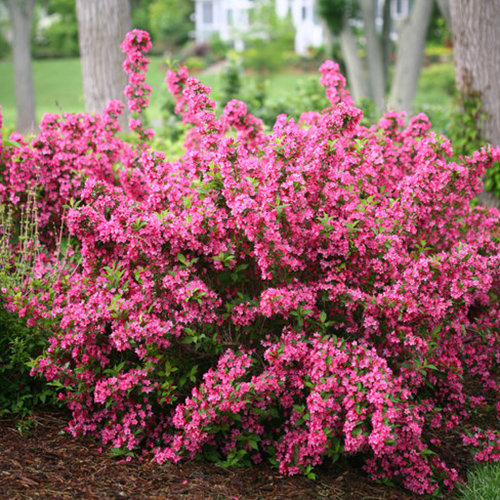
Which flowering shrubs bloom the longest can significantly enhance any garden’s aesthetic appeal. Choosing the right shrubs that provide prolonged blooming periods is essential for maintaining color and vibrancy throughout the growing season. Here are some of the longest-blooming flowering shrubs that are known for their extended flowering period:
1. Hydrangea macrophylla
Hydrangea macrophylla, commonly known as bigleaf hydrangea, typically blooms from late spring to early fall, providing an impressive display of flowers for several months. The large, round flower clusters bloom in a variety of colors, including blue, pink, and white, depending on the soil pH. This shrub thrives in part shade to full sun, making it versatile for different garden settings.
- Blooms appear in various colors based on soil pH.
- Requires minimal maintenance, making it easy to care for.
- Great for borders and foundations.
2. Knock Out Roses
Knock Out roses are celebrated for their continuous blooming from spring through fall. These shrubs are self-cleaning, which means they do not need to be deadheaded, allowing you to enjoy their vibrant flowers with less work. They come in a variety of colors and can adapt to various climates, making them incredibly popular.
- Long blooming season with minimal maintenance.
- Resilient to diseases, making them a reliable choice.
- Versatile for various landscaping designs.
3. Butterfly Bush (Buddleja)
Butterfly bush can bloom from mid-summer to fall, attracting pollinators like butterflies and bees. This shrub produces long, cone-shaped flower clusters in a range of colors. It prefers full sun and well-drained soil, making it ideal for sunny, dry garden spots.
- Attracts wildlife, enhancing the biodiversity of your garden.
- Comes in various sizes, accommodating different space requirements.
- Requires minimal watering once established.
4. Summersweet (Clethra alnifolia)
Summersweet is another shrub that blooms from summer to early fall. Its fragrant white or pink flower spikes provide a lovely scent that can enhance any landscape. This shrub prefers moist, acidic soils and partial shade, making it excellent for rain gardens or shaded areas.
- Produces fragrant flowers, attracting bees and other pollinators.
- Thrives in wetter conditions, perfect for specific garden types.
- Great for naturalizing in woodland gardens.
5. Camellia
Camellias are unique in that they bloom in late winter to early spring, providing color when many other shrubs are still dormant. Their glossy green leaves are a strong backdrop for the stunning blooms, which can be double or single flowers in various colors. Camellias prefer partial shade and well-drained, acidic soils.
- Provides early spring blooms, extending the growing season.
- Requires regular moisture but is relatively low-maintenance.
- Can be pruned to maintain desired shapes and sizes.
Is there a shrub that flowers all summer?
Yes, there are several shrubs that flower all summer long, providing vibrant colors and delightful fragrances to gardens and landscapes. One notable option is the Butterfly Bush (Buddleja davidii), which is known for attracting pollinators and producing blossoms from mid-summer to early fall. Other flowering shrubs include Crape Myrtle (Lagerstroemia) and Rose of Sharon (Hibiscus syriacus), both of which can bloom continuously throughout the summer months. Selecting the right shrub will depend on your climate, soil conditions, and personal aesthetic preferences.
Types of Summer-Flowering Shrubs
There are several varieties of shrubs that remain in bloom throughout the summer. Some of the most popular include:
- Butterfly Bush – Known for attracting butterflies and producing large clusters of flowers.
- Crape Myrtle – Famous for its beautiful, colorful blooms and attractive bark.
- Rose of Sharon – A hardy shrub that produces large, hibiscus-like flowers.
Care Requirements for Summer-Flowering Shrubs
To ensure that summer-flowering shrubs thrive, proper care is essential. This includes:
- Watering: Regular watering, especially during dry spells, to help establish deep roots.
- Fertilizing: Applying a balanced fertilizer in early spring to encourage vigorous growth.
- Pruning: Light pruning after the blooming period to promote healthier growth and more flowers next season.
Benefits of Planting Summer-Flowering Shrubs
Planting shrubs that flower all summer offers numerous advantages:
See also:
- Continuous Color: They add vibrant and prolonged color to your garden, enhancing its appeal.
- Wildlife Attraction: Many of these shrubs attract beneficial insects like bees and butterflies.
- Landscape Structure: Shrubs can serve as natural borders, screen privacy, and break wind.
Choosing the Right Location
The location where you plant summer-flowering shrubs is crucial for their success:
- Sunlight: Most flowering shrubs require full sun for optimal blooming.
- Soil Type: Well-drained, fertile soil will provide the necessary nutrients for growth.
- Space Requirements: Be sure to allow sufficient room for the shrubs to grow and spread without crowding.
Pest and Disease Management
Despite their beauty, summer-flowering shrubs can be susceptible to pests and diseases. Effective management includes:
- Regular Inspections: Check plants regularly for signs of pests like aphids or spider mites.
- Organic Treatments: Use neem oil or insecticidal soap to address pest issues without harmful chemicals.
- Disease Prevention: Ensure good airflow around the plant and avoid overhead watering to prevent fungal diseases.
What is the prettiest blooming plant?

The question of what the prettiest blooming plant is can be subjective, as beauty is often in the eye of the beholder. However, several plants are frequently celebrated for their stunning blooms. One of the most widely recognized for its beauty is the rose. Renowned for its elegance and fragrance, the rose comes in countless varieties and colors, each offering a unique aesthetic appeal.
Roses: The Classic Beauty
Roses are often regarded as the quintessential blooming plant due to their rich symbolism and diverse styles. They can range from the classic red rose, symbolizing love, to vibrant yellow varieties representing friendship. Some key points include:
- Multiple colors and sizes: From miniature to large blooms, roses cater to all preferences.
- Fragrance: Many roses offer captivating scents that enhance their appeal.
- Cultural significance: Roses have a long history in various cultures, often symbolizing beauty and love.
Orchids: The Exotic Charm
Orchids are another class of blooming plants that are celebrated for their exotic and intricate flowers. With thousands of species and hybrids, orchids offer a range of colors and patterns that captivate enthusiasts. Key characteristics include:
- Diversity: Orchids come in an astonishing variety of shapes and sizes, making them unique.
- Symbolism: Often associated with luxury and strength, orchids are popular in many cultures.
- Long-lasting blooms: Their flowers can last longer than many other blooming plants, adding value.
Lilies: The Elegant Bloom
Lilies are well-known for their elegance and often appear in gardens and floral arrangements. Their trumpet-shaped flowers provide a stunning visual display in gardens. Some notable aspects are:
- Variety of colors: Lilies bloom in a plethora of shades, including white, orange, and pink.
- Symbol of purity: Lilies are often associated with innocence and purity in various traditions.
- Versatile planting: They can thrive in various garden settings, from formal to casual designs.
Cherry Blossoms: A Seasonal Sensation
Cherry blossoms, particularly in Japan, are synonymous with the arrival of spring and are celebrated for their delicate beauty. These fleeting blooms create a breathtaking spectacle. Important features include:
- Symbol of Transience: Cherry blossoms remind us of the transient nature of life, as they bloom for a short period.
- Cultural Festivals: The Sakura festival in Japan celebrates these blossoms and attracts thousands of visitors.
- Visual impact: The sight of cherry blossoms in full bloom is a stunning spectacle that draws admiration.
Hydrangeas: The Colorful Showstoppers
Hydrangeas are loved for their large, colorful flower heads which come in various hues. These plants can add a vibrant splash to any garden setting. Key highlights include:
- Color-changing capability: The flower color can change based on soil pH, offering dynamic beauty.
- Seasonal interest: They provide beautiful blooms in summer, often lasting into the fall.
- Variety of forms: They can adapt to different garden styles, from formal hedges to casual borders.
Questions from Our Readers
What is the most beautiful flowering shrub?
The most beautiful flowering shrub is often considered to be the hydrangea. It is admired for its large, vibrant blooms that come in a variety of colors including blue, pink, and white, depending on the soil pH. Hydrangeas are not only stunning but also versatile, growing well in different climates and conditions.
Are there flowering shrubs that attract butterflies?
Yes, many flowering shrubs attract butterflies, including the butterfly bush (Buddleja). This shrub produces fragrant flowers that come in various colors and bloom throughout the summer, making it a favorite for pollinators. Planting butterfly bushes can create a beautiful and lively garden full of butterflies.
What flowering shrub has the longest blooming period?
One flowering shrub known for its long blooming period is the rose of Sharon (Hibiscus syriacus). This plant typically blooms from mid-summer to fall, showcasing large, tropical-looking flowers in a variety of colors. Its extended blooming makes it a popular choice for gardeners looking to enjoy color in their landscape for as long as possible.
Can flowering shrubs be used for privacy screening?
Absolutely, many flowering shrubs can be effectively used for privacy screening. Shrubs like privet and holly not only provide dense foliage but also boast beautiful blooms or berries. Choosing the right species can enhance both privacy and aesthetics in your outdoor space.
See also:

If you want to read more articles like Discover What is the Most Beautiful Flowering Shrub? Top Picks and Care Tips, we recommend you check out our Shrubs category.
Leave a Reply
Related Articles