Discover the Answer: Will a Light Bulb Heat a Small Greenhouse?
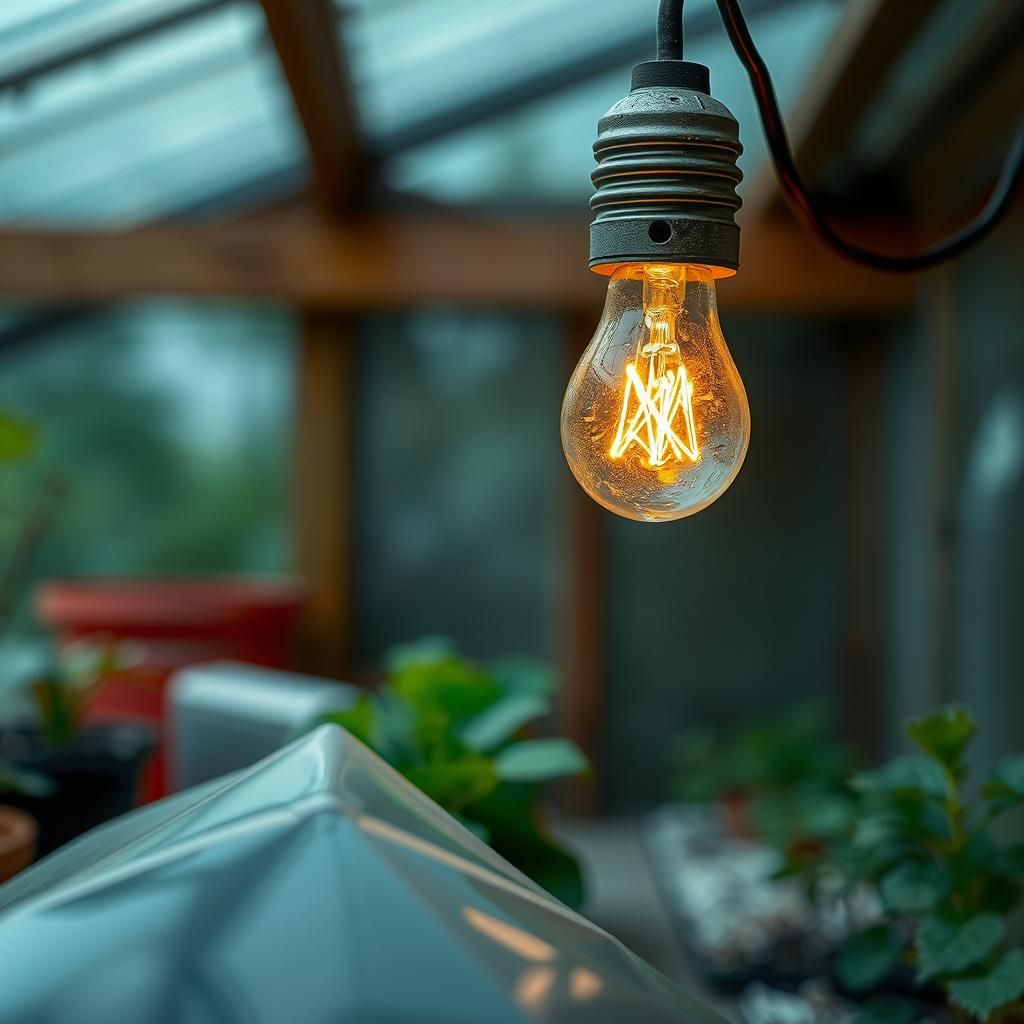
As gardeners and plant enthusiasts seek innovative ways to optimize their growing environments, one question often arises: Can a simple light bulb effectively heat a small greenhouse? With rising energy costs and growing concerns over sustainability, the idea of using conventional lighting to provide warmth becomes increasingly appealing. This article delves into the feasibility of using light bulbs as a heat source in small greenhouses, exploring the science behind light and heat production, the efficiency of different types of bulbs, and practical considerations for gardeners. Join us as we uncover whether this common household item can play a crucial role in plant growth.
Will a Light Bulb Heat a Small Greenhouse?
Using a light bulb to heat a small greenhouse can be an effective method, particularly in climates with mild winters. While light bulbs primarily serve the purpose of illumination, they also emit heat as a byproduct. Incandescent bulbs, for instance, generate more heat compared to their energy-efficient counterparts, such as LED bulbs. However, it is important to consider the size of the greenhouse and the wattage of the bulb used, as a standard bulb may not provide sufficient heat for larger greenhouses or in extremely cold temperatures. In practice, many greenhouse owners use heat mats or specialized heating systems in conjunction with light bulbs for optimal temperature regulation.
Types of Light Bulbs for Heating
Different types of light bulbs have varying levels of efficiency in terms of both light output and heat generation. Incandescent bulbs are known for their high heat output, making them suitable for providing warmth in small areas. On the other hand, LED bulbs are far more energy-efficient and have a longer lifespan but produce significantly less heat. Halogen bulbs, a type of incandescent, can provide high levels of heat but use more electricity and can be more expensive. When choosing a bulb for heating a greenhouse, it is crucial to assess not only the heat output but also the energy consumption and overall suitability for the specific greenhouse environment.
Placement of Light Bulbs
The placement of light bulbs within a greenhouse is key to maximizing heat distribution. Ideally, bulbs should be positioned at least a few feet above the plants to provide effective warmth without risking heat stress on delicate foliage. It is also beneficial to place bulbs near areas where heat loss may be greater, such as doorways or windows. Additionally, reflective materials can be used around the bulbs to direct heat efficiently throughout the space. Proper ventilation must also be taken into account, as it helps to prevent overheating and allows for a better balance of temperature within the greenhouse.
Calculating Heat Requirements
To effectively use a light bulb for heating, it is necessary to calculate the heat requirements of the greenhouse. This involves determining the total volume of the greenhouse and the desired temperature increase. Factors such as insulation quality, external temperatures, and the number of plants will influence how much heat is needed. Generally, it is recommended to provide around 20 to 30 BTUs (British Thermal Units) per square foot. By knowing the specific heat output of the bulb being used—based on wattage—calculations can help determine how many bulbs will be required to meet the heating demand effectively.
Safety Considerations
When using light bulbs for heating, safety considerations are paramount to prevent fire hazards and heat-related issues. Light bulbs, particularly incandescent types, can reach high temperatures and should be placed away from flammable materials. It is advisable to use bulbs with appropriate fixtures that allow for heat dissipation and install them securely to avoid accidental contact. Monitoring the greenhouse, including temperature and humidity levels, ensures that conditions remain within a healthy range for both plants and electrical components. Additionally, using thermostats and timers can help automate the heating process, reducing risks associated with overheating.
Cost-Effectiveness of Using Light Bulbs
Using light bulbs as a heating source for greenhouses can be a cost-effective strategy, depending on multiple factors. While the initial costs for purchasing bulbs may be low, energy consumption can significantly affect overall expenditures. Incandescent bulbs, despite being cheaper, consume more electricity than their LED counterparts, which are initially more expensive but offer considerable savings over time due to their energy efficiency. Conducting an analysis of electricity costs versus heat output can help greenhouse owners make informed decisions about whether this heating method aligns with their budget and energy goals.
| Bulb Type | Heat Output | Energy Efficiency | Cost |
|---|---|---|---|
| Incandescent | High | Low | Low initial |
| LED | Low | High | High initial |
| Halogen | High | Medium | Medium |
Can you heat a greenhouse with a light bulb?
Yes, you can heat a greenhouse with a light bulb, but there are several factors to consider in order to make this method effective. Using a light bulb as a heat source relies on the basic principle that incandescent bulbs emit significant heat when they are on. However, there are important limitations and conditions to keep in mind when employing this method to ensure that plants can thrive.
Effectiveness of Incandescent Bulbs
Using incandescent light bulbs to heat a greenhouse can be somewhat effective, but there are drawbacks:
See also:
- Heat Output: Incandescent bulbs produce a considerable amount of heat, especially compared to their energy efficiency. They can effectively raise temperatures in small or medium-sized greenhouses.
- Duration: The heat generated by incandescent bulbs is temporary and primarily effective when the bulbs are on; once turned off, temperatures can drop quickly.
- Size Considerations: The number of bulbs required will depend on the size of the greenhouse and the ambient temperature. A small greenhouse might need just a few bulbs, while larger spaces will require a more significant setup.
Alternatives to Incandescent Bulbs
While incandescent bulbs can provide heating, there are more efficient alternatives that are worth considering:
- LED Grow Lights: These lights consume less electricity and generate less heat but are more efficient for plant growth without over-heating.
- Infrared Heating Lamps: These lamps can provide direct heat to plants without raising the overall temperature of the greenhouse.
- Thermal Mass Solutions: Utilizing materials like water barrels can help store heat during the day and release it at night, reducing the need for artificial heating.
Heat Regulation
Maintaining an optimal temperature range in a greenhouse is critical for plant health. When using a light bulb, consider the following:
- Temperature Monitoring: Invest in a reliable thermometer to regularly check temperatures. This helps in adjusting bulb usage based on real-time conditions.
- Ventilation: Proper airflow is important to prevent overheating. Open vents or fans may be needed when using multiple bulbs.
- Insulation: Ensure that the greenhouse is adequately insulated. Using materials such as bubble wrap or double-walled polycarbonate can help retain heat more effectively.
Energy Costs
Heating a greenhouse with incandescent bulbs could lead to increased energy bills. Consider the following aspects:
- Energy Efficiency: Incandescent bulbs are less efficient compared to modern lighting solutions like LEDs, which can drastically reduce energy consumption.
- Utility Rates: Depending on local utility rates, the cost of running light bulbs for heating may not be cost-effective compared to other heating methods.
- Duration of Use: Calculate how long bulbs need to be on to maintain temperature; shorter heating durations can minimize costs.
Safety Considerations
Using light bulbs for heating can pose safety risks that should not be overlooked:
- Fire Hazard: Incandescent bulbs can get extremely hot and may pose a fire risk if left unattended. Ensure proper installation and spacing from combustible materials.
- Electrical Setup: Ensure that your greenhouse's electrical systems can handle the load without risk of short-circuiting or overload.
- Heat Damage: Excessive heat from bulbs can potentially damage plants. Always monitor plant responses to heat and adjust accordingly.
What is the cheapest way to heat a small greenhouse?

To heat a small greenhouse cost-effectively, you can explore several methods that combine efficiency with low initial and operating costs. Here are some strategies that can help you achieve warmth in your greenhouse without breaking the bank.
Utilizing Passive Solar Heating
Passive solar heating is one of the most economical ways to maintain temperature in a greenhouse. This method harnesses sunlight through proper orientation and material use.
- Orientation: Position your greenhouse to maximize sunlight exposure, ideally facing south.
- Glazing: Use materials like polycarbonate or glass that allow for effective sunlight penetration.
- Thermal Mass: Incorporate materials such as water barrels or concrete blocks that can absorb heat during the day and release it at night.
Insulation Techniques
Insulating your greenhouse helps retain heat, which can significantly reduce heating costs. Strategic insulation materials and methods can create a more stable temperature environment.
- Bubble Wrap: Cover the interior with horticultural bubble wrap to trap heat.
- Low Tunnels: Use row covers or low tunnels inside the greenhouse for added warmth around plants.
- Weather Stripping: Seal gaps and openings with weather stripping to prevent heat loss.
Portable Electrical Heaters
Using portable electric heaters can be a quick and efficient way to heat a small greenhouse, especially during extreme cold spells.
- Energy Efficiency: Look for electric heaters with energy-saving features, such as thermostats or timers.
- Placement: Position heaters strategically to avoid hot and cold spots within the greenhouse.
- Targeted Heat: Utilize smaller heaters in specific areas where temperature regulation is critical.
Composting for Heat Generation
Composting is not just for waste reduction; it can also generate heat, known as thermophilic heat, which can be harnessed in a greenhouse setting.
See also:
- Active Compost Bins: Maintain carefully managed compost piles or bins to generate sufficient heat.
- Placement: Position compost piles adjacent to the greenhouse to transfer warmth effectively.
- Moisture and Aeration: Keep the compost moist and aerated to promote optimal microbial activity and heat generation.
Thermal Curtains
Utilizing thermal curtains can help regulate the temperature within a greenhouse, providing an inexpensive solution for heating.
- Material Choice: Select insulating materials designed to reflect heat back into the greenhouse.
- Night and Day Use: Close curtains at night to minimize heat loss and open during the day to let sunlight in.
- DIY Solutions: Create your own thermal curtains with blankets or specialized fabric if budget-constrained.
How do I keep my mini greenhouse warm?

To keep your mini greenhouse warm, you can implement several strategies that involve natural heat retention, artificial heating options, and insulation techniques. Here are some effective methods to ensure that your mini greenhouse maintains an optimal temperature for your plants.
Insulation Techniques
One of the most crucial aspects of keeping your mini greenhouse warm is insulation. Proper insulation minimizes heat loss during cold nights.
- Use bubble wrap on the inside walls of the greenhouse for added insulation.
- Cover the greenhouse with a thermal blanket during the night to trap warmth.
- Consider using double-layered polycarbonate sheets instead of single ones for better thermal performance.
Utilizing Sunlight
Maximizing sunlight exposure is an excellent way to naturally warm your greenhouse. Proper positioning and materials can enhance heat retention during the day.
- Position your mini greenhouse in a spot that receives full sunlight for most of the day.
- Choose transparent or translucent materials for the greenhouse cover to allow maximum light penetration.
- Consider using reflective surfaces around the greenhouse to redirect sunlight inward.
Heating Systems
In addition to passive heating methods, you may require a heating system to maintain warmth during extremely cold weather.
- Install a small heater or radiator inside the greenhouse that runs on electricity.
- Consider using thermostatic controls to maintain constant temperatures efficiently.
- Look into solar-powered heating solutions that can provide energy-efficient warmth.
Water Heating Methods
Water can act as an effective heat reservoir, absorbing and slowly releasing heat to the surrounding air.
- Place black water barrels or containers inside the greenhouse to absorb sunlight during the day.
- Use a heated water system to circulate warm water through pipes for radiant heating.
- Consider utilizing thermal mass materials like gravel or stones to retain heat from the sun.
Ventilation Management
Proper ventilation is vital not only for temperature control but also for preventing dampness and promoting air circulation.
- Install automated vent systems that can open and close based on the temperature.
- Use fans to circulate warm air throughout the greenhouse effectively.
- Ensure that there are draft-proof seals on doors and windows to prevent cold air ingress.
Questions from Our Readers
Will a light bulb provide enough heat for a small greenhouse?
A light bulb can provide some heat to a small greenhouse, but it may not be sufficient to maintain optimal growing conditions. Incandescent bulbs generate heat, while LED or fluorescent bulbs produce minimal warmth. The effectiveness of the bulb will depend on the size of the greenhouse and the outside temperature.
What type of light bulb is best for heating?
Incandescent light bulbs are among the best options for heating, as they emit both light and significant heat. However, using them may not be energy-efficient. If you are considering a more sustainable option, infrared heat lamps can also provide warmth while being more energy-efficient than traditional bulbs.
See also:
How many light bulbs are needed to heat a small greenhouse?
The number of light bulbs needed depends on the size of the greenhouse and the heat loss due to ventilation and insulation. Generally, one or two bulbs of appropriate wattage can help in smaller greenhouses, but larger space may require more bulbs or additional heating sources to achieve the desired temperature.
Can light bulbs be used as the sole heating source?
While light bulbs can provide some warmth, they should not be relied upon as the sole heating source for a greenhouse. They may not maintain consistent temperatures, especially in colder conditions. It is advisable to use them in conjunction with other heating methods to ensure the plants thrive.

If you want to read more articles like Discover the Answer: Will a Light Bulb Heat a Small Greenhouse?, we recommend you check out our Greenhouse category.
Leave a Reply
Related Articles