Ultimate Guide: How to Plant and Care for Blueberry Bushes for a Thriving Garden
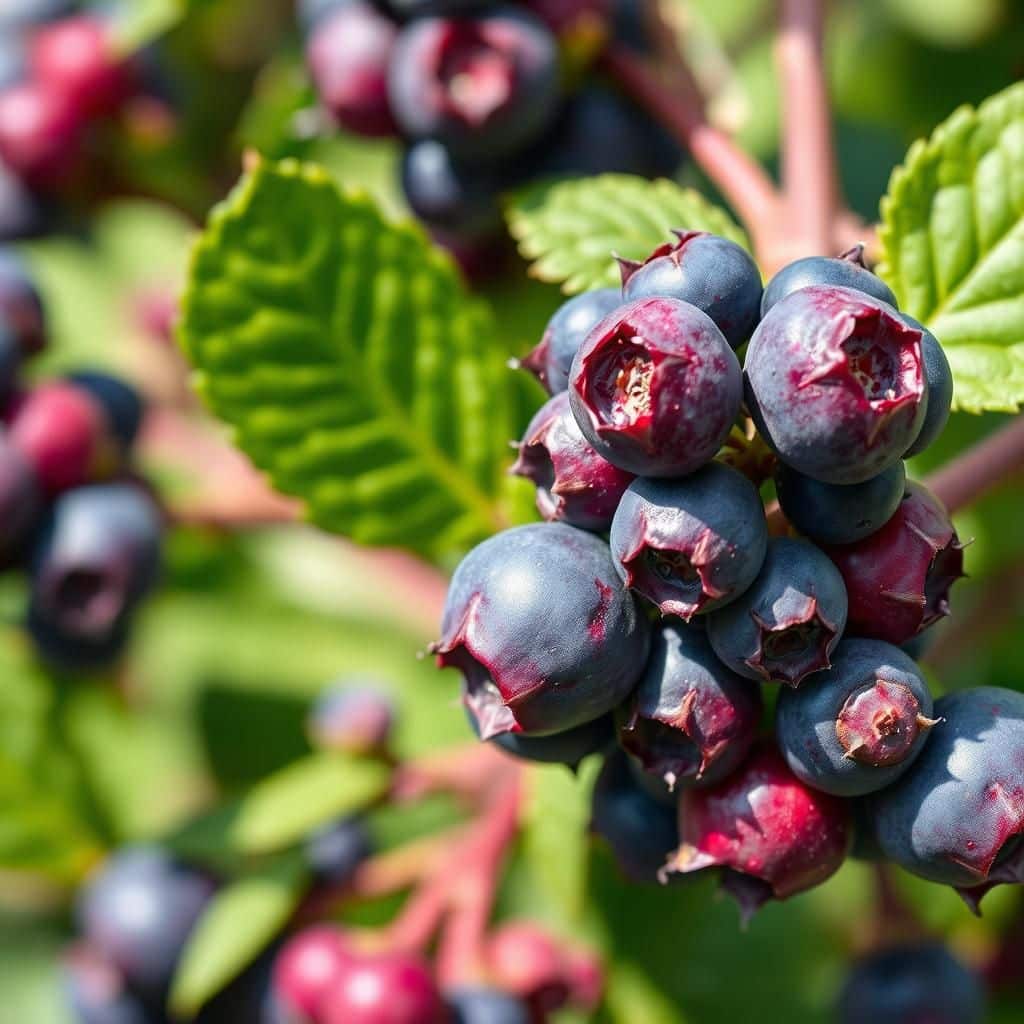
Blueberry bushes are a delightful addition to any garden, offering delicious fruits while enhancing your landscape's aesthetic appeal. In this ultimate guide, we will explore everything you need to know about planting and caring for blueberry bushes to ensure they thrive. From selecting the right variety to understanding soil requirements, watering, and pest control, we’ll cover essential tips and techniques to help your blueberry bushes flourish. Whether you are a seasoned gardener or a novice, this comprehensive guide will equip you with the knowledge to enjoy a bountiful harvest and the satisfaction of growing your own berries.
How to Plant and Care for Blueberry Bushes
To successfully grow blueberry bushes, it is essential to understand their specific requirements for soil, sunlight, and water. Start by choosing a location that receives full sun for at least 6-8 hours a day, as blueberries thrive in bright light. The soil should be well-drained and acidic, with a pH level between 4.5 and 5.5. Before planting, amend the soil with sphagnum peat moss or elemental sulfur to achieve the right acidity. When planting, make sure to space the bushes 2-4 feet apart to allow for adequate air circulation and growth. Regular watering is crucial, especially during dry spells, but avoid overwatering to prevent root rot. Applying a layer of mulch can help retain moisture and suppress weeds, ensuring your blueberry bushes remain healthy and productive.
Choosing the Right Varieties
When selecting blueberry varieties, consider your climate and the bush’s ripening season. There are highbush, lowbush, and rabbiteye blueberries, each suited to different environments. Highbush blueberries are ideal for northern climates, while lowbush varieties thrive in colder regions and offer a delicious, smaller berry. Rabbiteye blueberries are well-suited for southern areas and are more heat tolerant. Always check if your chosen variety is self-pollinating or if it requires a pollinator to ensure optimal berry production.
Soil Preparation
Preparing the soil is critical for the successful growth of blueberry bushes. The soil should be rich in organic matter and have a pH between 4.5 and 5.5. Conduct a soil test before planting to understand its pH and nutrient profile. If the soil is too alkaline, incorporate materials like sulfur or ferrous sulfate to increase acidity. Additionally, mix in organic compost or shredded pine bark to improve soil structure and drainage. Remember, healthy soil leads to robust plant growth.
Watering Guidelines
Maintaining the right moisture level is vital when caring for blueberry bushes. Blueberries require consistent watering, especially during the fruiting stage, when their roots are active and need adequate moisture to support berry development. It is recommended to provide roughly 1-2 inches of water per week, either through rainfall or irrigation. Using a soaker hose or drip irrigation can help deliver moisture directly to the roots while minimizing water evaporation. Be cautious of overwatering, as blueberries are susceptible to root rot.
Pruning Techniques
Pruning plays a crucial role in the overall health and productivity of blueberry bushes. Annual pruning should occur in late winter to early spring, right before new growth begins. Focus on removing any dead, damaged, or crossing branches to improve air circulation and sunlight penetration. Additionally, thinning out older canes will encourage the growth of new shoots that produce berries. Aim to leave about 4-6 main canes per bush for optimal yield while maintaining a bushy structure.
Pest and Disease Management
Keeping blueberry bushes healthy involves managing pests and diseases effectively. Common pests include blueberry maggot, spider mites, and aphids, while diseases such as phytophthora root rot and mummy berry can pose threats. Regular monitoring and using organic pesticides when necessary can help keep these issues under control. Implementing crop rotation and maintaining proper sanitation practices, such as removing fallen fruit, will further reduce pest and disease prevalence.
| Aspect | Requirement |
|---|---|
| Sunlight | 6-8 hours daily |
| Soil pH | 4.5 - 5.5 |
| Watering Frequency | 1-2 inches per week |
| Pruning Time | Late winter to early spring |
| Spacing | 2-4 feet apart |
What month is best to plant blueberry bushes?


The best month to plant blueberry bushes typically varies depending on the climate and location, but generally, late winter to early spring is the ideal time. In most regions, this period falls between February and April. Planting during this window allows blueberry bushes to establish their root systems before the heat of summer and ensures they are ready to thrive during the growing season.
Ideal Conditions for Planting Blueberries
Planting blueberries requires specific environmental conditions to promote healthy growth. The following aspects are crucial:
- Soil Acidity: Blueberries thrive in acidic soils with a pH of 4.5 to 5.5.
- Sunlight: Choose a location that receives full sun for at least 6-8 hours a day.
- Drainage: Ensure the planting area has well-draining soil to prevent root rot.
Benefits of Early Spring Planting
Early spring is often regarded as the most beneficial time for planting blueberries. Here are several reasons:
- Root Development: Early planting allows roots to develop before the heat of summer.
- Growth Cycle: Plants can begin their growth cycle as the weather warms.
- Watering Needs: The cooler temperatures and increased rainfall in early spring reduce reliance on irrigation.
Frost Considerations
When planting blueberries, be mindful of potential late frosts in your area. The following tips can help:
- Know Your Zone: Refer to the USDA Plant Hardiness Zone Map to determine the last frost date.
- Frost Cloth: Keep frost cloth handy to protect young plants from unexpected cold snaps.
- Timing Adjustments: If frost is a concern, consider delaying planting until mid-April in colder regions.
Choosing the Right Variety
Selecting the appropriate blueberry variety for your climate is essential. Consider these factors:
- Climate Adaptation: Different varieties are suited to various climates; choose accordingly.
- Ripening Times: Opt for varieties with staggered ripening to extend the harvest season.
- Size and Space: Consider the mature size of the bushes to ensure adequate spacing.
Post-Planting Care
Once blueberry bushes are planted, proper care is vital for their development. Important care tips include:
- Watering: Maintain consistent moisture, especially during the first season.
- Mulching: Apply mulch to retain soil moisture and suppress weeds.
- Fertilization: Use acidifying fertilizers to support optimal growth.
How do you prepare ground for blueberry bushes?
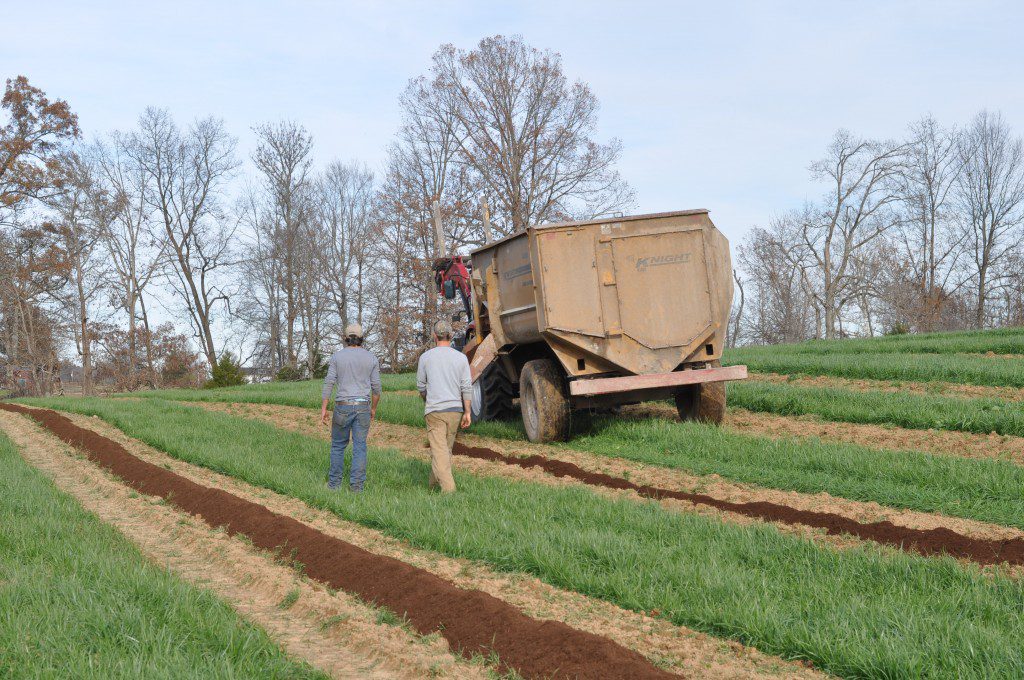
To prepare ground for blueberry bushes, it is essential to create a suitable environment that allows these plants to thrive. Blueberries prefer acidic soil that is rich in organic matter. Here’s a detailed guide to preparing the ground.
See also:
Soil Testing
Before planting blueberry bushes, it is crucial to conduct a soil test to determine the pH level and nutrient content. Blueberries thrive in a pH range of 4.5 to 5.5.
- Utilize a soil testing kit or send a sample to a local extension service.
- Analyze the nutrient levels, especially nitrogen, phosphorus, and potassium.
- Evaluate the pH and take notes for any necessary amendments.
Amending the Soil
After determining the soil's pH and nutrient levels, it may need amendments to create an optimal growing environment for blueberries.
- To lower pH, add elemental sulfur or peat moss.
- Add compost or well-rotted manure to improve soil structure and nutrient content.
- Mix the amendments thoroughly into the top 12 inches of soil for even distribution.
Selecting the Planting Site
Choosing the right location is vital for blueberry bushes. They require sufficient sunlight and protection from harsh winds.
- Pick a site that receives at least 6-8 hours of sunlight daily.
- Avoid low areas where cold air and frost might settle.
- Ensure the site has good drainage to prevent root rot.
Preparing the Planting Bed
Preparing the planting bed properly will help the bushes establish quickly and grow healthily.
- Clear the area of all weeds, stones, and debris to minimize competition.
- Loosen the soil using a garden fork or tiller to improve aeration and drainage.
- Create raised beds if necessary to enhance drainage, especially in clay soils.
Mulching and Watering
Proper mulching and watering practices are essential to maintain soil moisture and temperature.
- Add a layer of organic mulch, such as pine needles or wood chips, around the bushes to retain moisture and suppress weeds.
- Water consistently to maintain moisture without over-saturating the soil.
- Monitor soil moisture by checking the top inch; it should be dry before watering again.
Questions from Our Readers
How do I choose the right variety of blueberry bush for my garden?
To choose the right variety of blueberry bush, consider your climate, space availability, and desired fruiting time. There are primarily three main types: highbush, lowbush, and rabbit-eye blueberries. Highbush varieties are ideal for colder climates, while lowbush are typically suited for northern areas. Rabbit-eye blueberries thrive in warmer regions. Always check the local recommendations for the best compatibility.
What soil conditions are best for planting blueberry bushes?
Blueberries thrive in acidic soil with a pH between 4.5 and 5.5. It's important to ensure well-draining soil, as waterlogged conditions can harm the plants. Incorporating organic matter like peat moss or compost can improve both soil structure and nutrient content. Additionally, adding sulfur or amendments designed for acid-loving plants can help achieve the desired soil conditions.
How often should I water my blueberry bushes?
Blueberry bushes need consistent moisture, especially during their fruiting season. Aim to water deeply once a week, ensuring that the soil remains moist but not soggy. If you're planting in warmer climates or during dry spells, you may need to increase the frequency of watering. Using a layer of mulch can help retain soil moisture and reduce the frequency of watering.
See also:
When is the best time to prune blueberry bushes?
The best time to prune blueberry bushes is during their dormant season in late winter or early spring, before new growth begins. Focus on removing dead or weak branches, and thinning out crowded areas to improve air circulation and sunlight penetration. Proper pruning encourages healthy growth and optimizes fruit production in the following growing season.

If you want to read more articles like Ultimate Guide: How to Plant and Care for Blueberry Bushes for a Thriving Garden, we recommend you check out our Shrubs category.
Leave a Reply
Related Articles