Will a Greenhouse Stay Warm During Winter? Essential Tips for Optimal Temperature Control
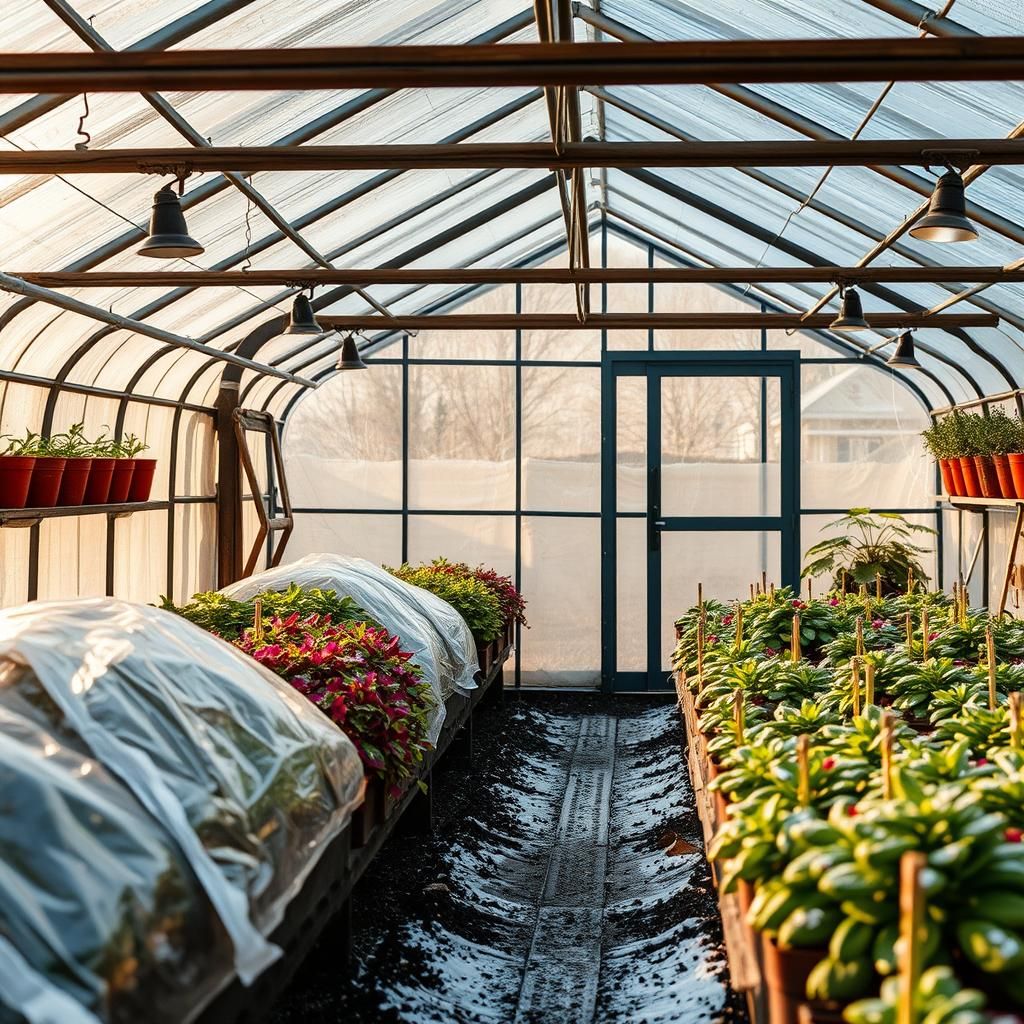
As winter approaches, greenhouse owners often face the challenge of maintaining a consistent and warm environment for their plants. The ability of a greenhouse to retain heat during the colder months is crucial for plant health and growth. In this article, we will explore the factors that influence a greenhouse's ability to stay warm, including insulation, heating systems, and ventilation. Furthermore, we will provide essential tips for optimizing temperature control to ensure a thriving greenhouse environment. By understanding these key elements, you can safeguard your plants and maximize your greenhouse's potential, even in the depths of winter.
Will a Greenhouse Stay Warm During Winter?
A greenhouse can effectively retain heat during the winter months, allowing plants to thrive despite the cold outside temperatures. This is primarily due to the greenhouse effect, where sunlight enters through the transparent walls and roof but gets trapped inside, warming the air and soil. Proper insulation and heat retention strategies, such as using thermal mass materials like water barrels or stones, can enhance this effect. Additionally, covering the greenhouse with materials like bubble wrap or thermal blankets during particularly cold nights can help maintain higher temperatures inside, providing a micro-climate that is conducive for growth even when external conditions are not favorable.
How Does a Greenhouse Retain Heat?
A greenhouse retains heat through the greenhouse effect, where glass or plastic panels allow sunlight to enter while preventing heat from escaping. This occurs because the short-wavelength sunlight can penetrate the transparent materials, but the longer-wavelength radiation emitted from warmer surfaces inside can't escape as easily. As a result, the internal temperature rises, creating a warmer environment for plants even when the outside temperature drops significantly.
What Materials Are Best for Insulation?
To maintain heat in a greenhouse during winter, selecting the appropriate insulation materials is crucial. Common options include polycarbonate panels, which provide excellent thermal insulation while allowing sufficient light penetration. Additionally, polyethylene film is often used for its affordability and good light transmission, though it may need regular replacement. Another effective method is using thermal mass, such as water or stone, inside the greenhouse, which absorbs heat during the day and slowly releases it at night, stabilizing temperatures.
How Can You Increase Heat Retention?
To increase heat retention, consider implementing multiple strategies within your greenhouse. Adding thermal screens can help insulate the interior at night. Installing heaters or using heat mats can also provide supplementary warmth during extreme cold spells. Additionally, placing large water containers or rocks inside can enhance heat retention, as they absorb and store heat from the sunlight during the day, releasing it gradually after sunset.
See also:
What Role Do Ventilation and Humidity Play?
While maintaining warmth is essential, careful management of ventilation and humidity is equally important in a winter greenhouse. Proper ventilation ensures that excessive humidity does not build up, which can lead to mold and mildew problems. Automated vents or fans can help circulate air without allowing too much heat to escape. Balancing humidity levels and achieving adequate airflow can significantly enhance plant health during the winter season while keeping the temperatures optimal.
What Types of Plants Can Thrive in a Winter Greenhouse?
Many plants can thrive in a winter greenhouse environment, including leafy greens like kale and spinach, root vegetables such as carrots and beets, and even certain herbs like parsley and cilantro. Additionally, some hardy flowering plants can bloom during the winter months when provided with a controlled environment. The warmth and protection a greenhouse offers allow these plants to grow robustly compared to outdoor conditions, making it possible to maintain a year-round garden.
| Aspect | Details |
|---|---|
| Heat Retention | Effective through greenhouse effect |
| Insulation Materials | Polycarbonate, polyethylene, thermal mass |
| Heat Enhancement | Thermal screens, water containers, heaters |
| Humidity Management | Importance of ventilation and air circulation |
| Suitable Plants | Leafy greens, root vegetables, hardy flowers |
Understanding Heat Retention in Greenhouses During Winter
Maintaining a warm environment in a greenhouse during winter is crucial for the health of your plants. Greenhouses are designed to capture solar energy, but their ability to retain heat depends on several factors, including the type of materials used for construction, proper insulation, and effective heating systems. During cold months, it’s important to assess your greenhouse’s thermal properties, such as using double glazing or thermal curtains, to minimize heat loss. Additionally, incorporating heat sources like electric heaters or thermal mass systems can greatly aid in maintaining a stable temperature, allowing plants to thrive even in the harshest winter conditions.
Types of Greenhouse Materials and Their Insulation Properties
The choice of materials for your greenhouse significantly impacts its insulation effectiveness. Materials like polycarbonate panels provide better insulation compared to traditional glass, reducing heat loss and maintaining a more stable internal temperature. Additionally, using insulating films or blankets can enhance the thermal barrier, making it essential to consider these options when constructing or upgrading your greenhouse for winter.
Effective Thermal Mass Techniques for Heat Retention
Utilizing thermal mass involves integrating materials that absorb and store heat during the day and release it slowly at night. Water barrels, concrete, or stone can be placed strategically within the greenhouse to help moderate temperature fluctuations. This method not only helps in keeping the greenhouse warm but also can reduce reliance on external heating sources, thus lowering energy costs.
See also:
Supplemental Heating Options for Cold Weather
In colder climates, having a supplemental heating system can be crucial for maintaining optimal conditions in a greenhouse. Options such as electric heaters, gas heaters, or even radiant heating systems can be employed. It’s important to choose a heating system that suits the size of your greenhouse and the types of plants you are growing, ensuring a consistent and comfortable temperature that promotes healthy plant growth during winter.
The Role of Ventilation in Temperature Control
While keeping a greenhouse warm is important, ventilation plays a key role in temperature control and overall plant health. Properly managing airflow helps prevent the buildup of excess humidity, which can lead to issues such as fungal diseases. It is essential to balance keeping the greenhouse warm while allowing for enough air circulation, especially during warmer days, to maintain a stable internal environment that supports plant growth.
Utilizing Solar Gain to Warm Your Greenhouse
Solar gain is a crucial factor in naturally warming your greenhouse during winter months. Positioning your greenhouse for maximum sunlight exposure throughout the day allows for greater heat absorption. Using reflective materials around the greenhouse can enhance this effect, as they help direct more light into the structure. Additionally, incorporating thermal curtains can help trap heat when the sun sets, further enhancing the greenhouse's ability to stay warm.
Questions from Our Readers
Will a greenhouse stay warm during winter?
A greenhouse can indeed retain warmth during winter, primarily due to the greenhouse effect. The structure traps heat from the sun, allowing it to warm the interior even on cold days. However, its efficiency depends on various factors, including insulation, design, and location.
What factors influence a greenhouse's winter temperature?
Several factors can impact a greenhouse's temperature in winter, such as the material used for the panels, the size of the greenhouse, and how well it's sealed. Using double-glazed panels and adding insulation can significantly improve heat retention, while proper ventilation is also essential to prevent overheating on sunny days.
See also:
Should I heat my greenhouse in winter?
In colder regions, it might be beneficial to use a heating system in your greenhouse to maintain optimal growing conditions. This is especially important for tropical plants or seedlings that require warmer temperatures to thrive. Options include electric heaters, propane heaters, or even compost heat from decomposing materials.
What can I do to improve warmth retention in my greenhouse?
To enhance warmth retention, consider using thermal blankets at night, installing a heat sink like water containers, and maximizing solar gain by positioning the greenhouse to capture sunlight. Additionally, ensuring that there are no gaps or leaks can significantly boost heat retention during the cold months.

If you want to read more articles like Will a Greenhouse Stay Warm During Winter? Essential Tips for Optimal Temperature Control, we recommend you check out our Greenhouse category.
Leave a Reply
Related Articles