Ultimate Guide: Homemade Insect Spray for Vegetable Plants to Protect Your Garden
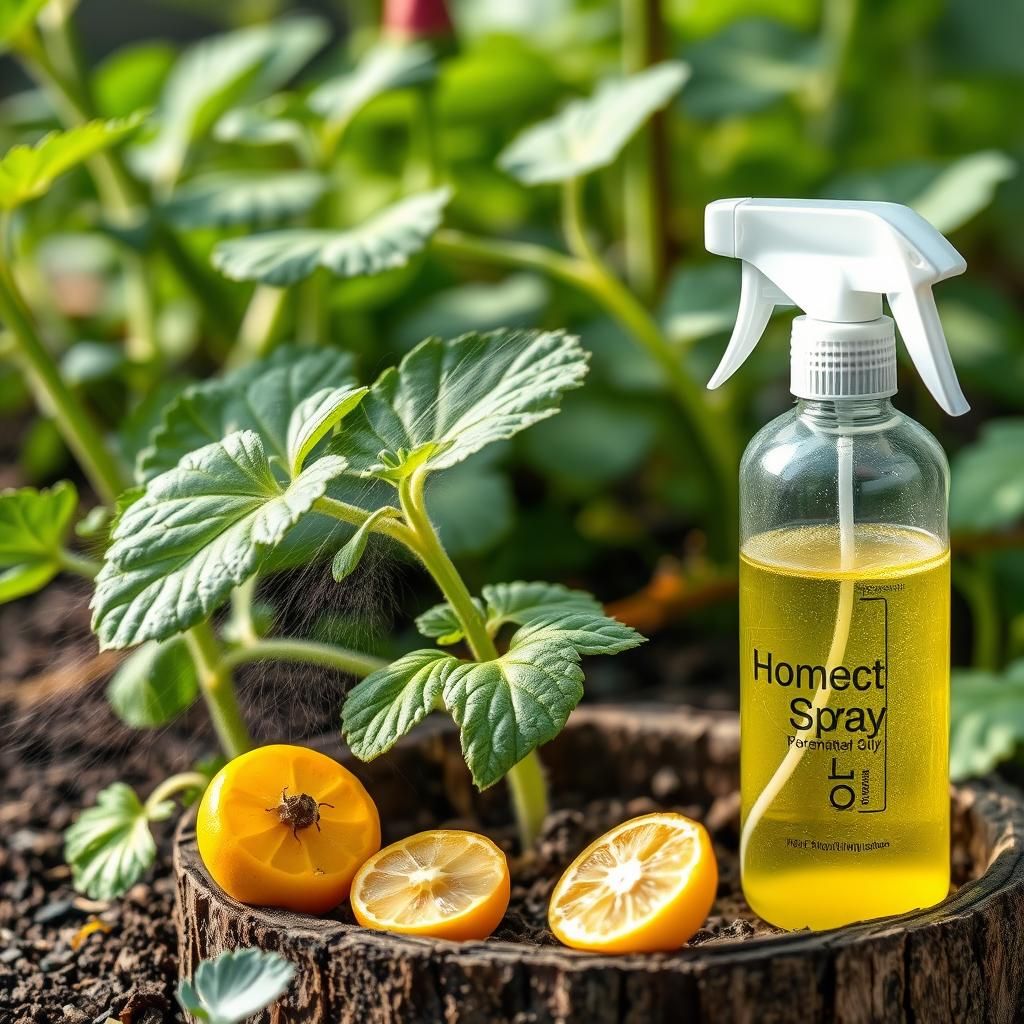
Gardening can be a rewarding endeavor, but it often comes with the challenge of pests that threaten the health of your vegetable plants. Commercial insecticides may contain harmful chemicals that can compromise not only your crops but also the environment. This ultimate guide provides you with effective recipes for homemade insect sprays, utilizing natural ingredients that are safe for both your plants and the ecosystem. Whether you're dealing with aphids, caterpillars, or other common garden pests, these DIY solutions will empower you to protect your garden sustainably. Discover how to create your own insect spray and keep your vegetable plants thriving.
Effective Homemade Insect Spray for Vegetable Plants
Creating an effective homemade insect spray for vegetable plants is an excellent way to manage pests while minimizing the use of harmful chemicals. Common ingredients such as soap, garlic, and neem oil can be combined to create powerful mixtures that deter insects without harming beneficial organisms. For example, a simple recipe involves dissolving a few drops of liquid soap in water, which can disrupt the insect's outer protective layer, leading to dehydration. Adding crushed garlic enhances the spray's potency, as garlic has natural insect-repelling properties. Additionally, using neem oil can target a variety of pests, providing long-lasting effects. By frequently applying this spray, gardeners can effectively safeguard their vegetable crops and promote a healthier garden ecosystem.
Ingredients for Homemade Insect Spray
When making your homemade insect spray, it's essential to know the right ingredients to use. Key ingredients include water, liquid soap, and natural oils like neem oil or peppermint oil. These ingredients work synergistically: liquid soap adheres to the insects and disrupts their ability to breathe, while natural oils repel them effectively. For maximum efficiency, it's crucial to mix the ingredients properly and test the spray on a small area of the plants first to ensure there are no adverse reactions.
How to Prepare Homemade Insect Spray
To prepare your homemade insect spray, start by choosing a clean spray bottle or container. Mix one teaspoon of liquid dish soap with one quart of water and stir gently to avoid creating too many suds. For added effectiveness, incorporate a few drops of neem oil or a teaspoon of crushed garlic. Once combined, transfer the mixture into the spray bottle and label it clearly. Always shake well before each use to ensure even distribution of the ingredients.
Application Tips for Best Results
For the best results when applying your homemade insect spray, it’s important to target both the tops and undersides of leaves, as many pests like aphids and spider mites tend to hide there. Apply the spray in the early morning or late evening to avoid direct sunlight, which can cause the spray to evaporate quickly. Repeat the application every few days or after it rains, as the effectiveness can diminish. Always observe your plants closely for any signs of pests or damage after application.
Safety Precautions When Using Insect Sprays
While homemade insect sprays are generally safer than commercial alternatives, it's essential to take some safety precautions. Always test the spray on a small section of the plant to check for any adverse reactions. Additionally, wear gloves while mixing the ingredients and applying the spray to minimize skin contact. Keep the mixtures out of reach of children and pets, and never spray your plants right before harvest to ensure that any residues evaporate before consumption.
Benefits of Homemade Insect Sprays
The benefits of using homemade insect sprays extend beyond pest control. These sprays are often more economical than commercial options and do not contain harsh chemicals that can harm the environment and beneficial insects. Additionally, making your insect spray allows for customization, so gardeners can tailor recipes based on specific pest problems. This holistic approach not only protects crops but also promotes a healthy balance within the gardening ecosystem.
| Ingredient | Function |
|---|---|
| Liquid Soap | Disrupts insects' outer layer and aids in adherence of the spray |
| Neem Oil | Natural insect repellent with long-lasting effects |
| Garlic | Repels various insects due to its strong odor |
| Peppermint Oil | Acts as a natural deterrent against many pests |
| Water | Solvent to mix and dilute other ingredients |
Essential Ingredients for Homemade Insect Sprays
To create an effective homemade insect spray for your vegetable plants, it is crucial to understand the basic ingredients that can help deter pests without harming beneficial organisms. Common ingredients include natural oils such as neem oil or peppermint oil, which are known for their pest-repelling properties. Additionally, incorporating dish soap helps to break down the outer protective layer of insects, making it easier for the spray to penetrate and effectively deal with pests. Other useful ingredients include garlic and hot peppers, both of which contain compounds that can deter a variety of insects due to their strong odors and flavors. When combined in the right proportions, these ingredients can create a potent yet safe solution for protecting your garden.
How to Create a Basic Insect Spray
Creating a basic insect spray can be straightforward and quick. Start by mixing 1-2 tablespoons of neem oil or your choice of essential oil with 1 quart of water in a spray bottle. Add a few drops of liquid dish soap to the mixture, which acts as an emulsifier to help combine the oil and water. Shake the bottle well before applying the spray directly onto the affected plants, ensuring to cover the undersides of leaves where pests tend to hide. This mixture can be applied once a week or after rain, as natural elements may wash it away.
Effectiveness of Different Oils
Different oils have varying levels of effectiveness when used in insect sprays for vegetable plants. For instance, neem oil is renowned for its ability to disrupt the life cycle of insects, making it effective against a broad spectrum of pests. In contrast, peppermint oil does not only repel spiders and ants but also helps in keeping caterpillars and aphids at bay. It's essential to experiment with various oils to find the best combination for your specific pest problems while ensuring they are compatible with your plants.
Key Tips for Application
When applying homemade insect sprays, timing and technique can significantly affect their success. It is recommended to apply sprays during the early morning or late evening when temperatures are cooler and beneficial insects are less active. Always start by testing the spray on a small area of the plant to check for any adverse reactions before treating an entire garden. Additionally, consider using a fine mist spray to evenly coat all surfaces without damaging the plants, as too much liquid in one spot can lead to plant stress.
Safety Precautions When Using Homemade Sprays
While homemade insect sprays can be safer alternatives to commercial products, it’s vital to observe certain safety precautions. Always wear gloves and a mask during preparation and application to avoid inhaling any volatile substances, and ensure that you do not apply sprays in windy conditions to minimize drift onto desirable plants. After application, make sure to wash your hands thoroughly and keep the sprays out of reach of children and pets, as even natural ingredients can cause irritation in some cases.
Monitoring Pests Post-Application
After applying homemade insect sprays, it is important to monitor your plants for any signs of pest activity or plant responses. Check your plants every few days to see if the pest population has decreased and observe any changes in plant health. If pests persist, it may be necessary to repeat the spray more frequently or adjust the recipe with different ingredients to enhance its effectiveness. Keeping an eye on the overall environment within your garden can also help identify other factors that may be contributing to pest issues, leading to a more holistic approach to pest control.
Questions from Our Readers
What ingredients can I use to make homemade insect spray for vegetable plants?
To create an effective homemade insect spray, you can use common household ingredients such as soap, water, and vegetable oil. A simple recipe includes mixing a few drops of liquid soap with water and adding a teaspoon of oil. This combination helps to suffocate insects while being safe for your plants.
How often should I apply homemade insect spray to my vegetable plants?
It is recommended to apply homemade insect spray every 5 to 7 days or after heavy rain. Regular applications ensure that any newly hatching insects are dealt with promptly. Always reapply after watering or rain to maintain its effectiveness against potential pests.
Is homemade insect spray safe for all vegetable plants?
Most homemade insect sprays are generally safe for a wide range of vegetable plants. However, it is important to test the spray on a small area of the plant first to check for any adverse reactions. Avoid using it on flowering plants, as it may harm beneficial insects like bees.
Can homemade insect spray repel all types of pests?
While homemade insect sprays can be effective against many common pests like aphids, spider mites, and whiteflies, they may not eliminate all types of insects. For persistent infestations, you may need to combine the spray with other integrated pest management practices to ensure comprehensive protection.

If you want to read more articles like Ultimate Guide: Homemade Insect Spray for Vegetable Plants to Protect Your Garden, we recommend you check out our Gardeners category.
Leave a Reply
Related Articles