Everything You Need to Know About Eucalyptus Caesia Silver Princess Gum Tree: Care, Features, and Benefits
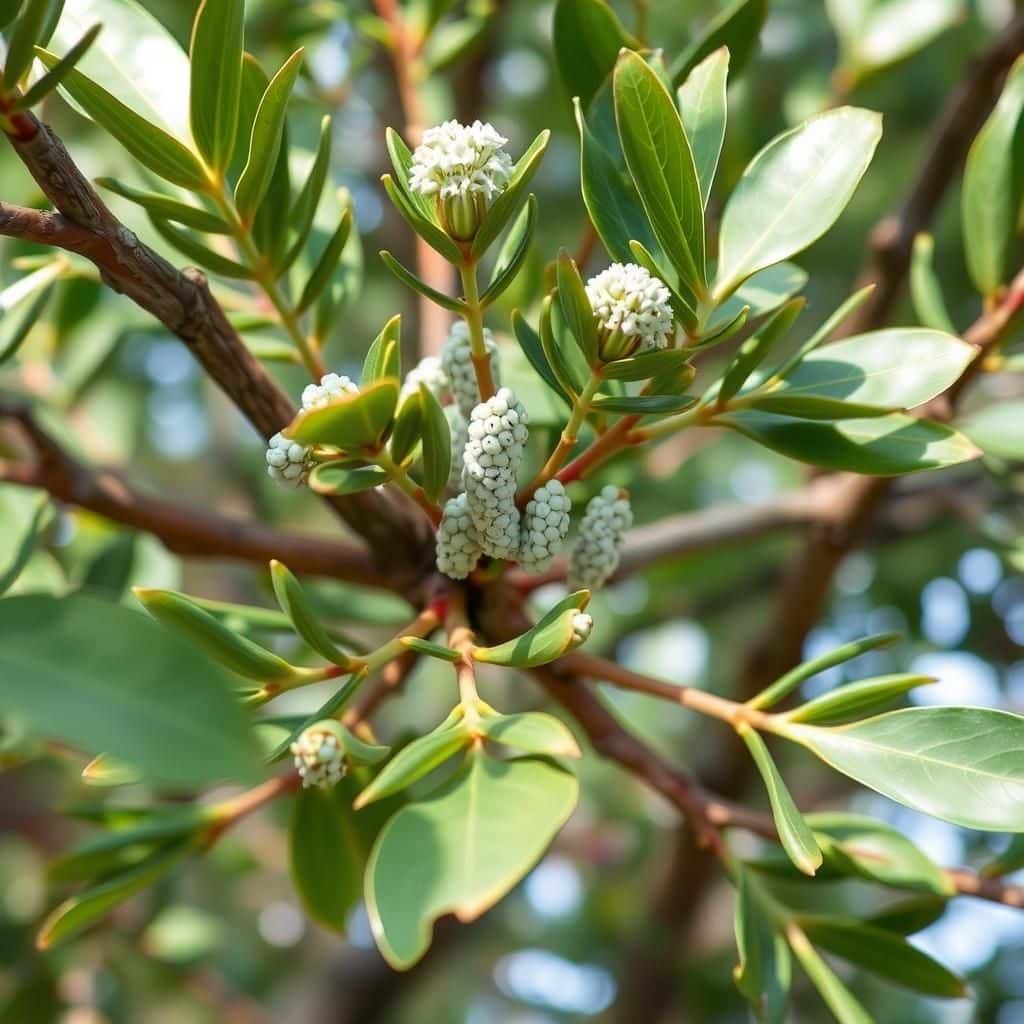
The Eucalyptus Caesia, commonly known as the Silver Princess Gum Tree, is a stunning addition to any garden or landscape. Renowned for its striking appearance, characterized by silvery-blue foliage and vibrant pink flowers, this Australian native offers both aesthetic appeal and practical benefits. Understanding how to properly care for this unique tree is essential to ensure its health and longevity. In this article, we will delve into the essential features, care requirements, and benefits of the Silver Princess Gum Tree, providing you with comprehensive information to enhance your gardening experience and appreciate this remarkable species.
Eucalyptus Caesia: The Silver Princess Gum Tree
The Eucalyptus caesia, commonly known as the Silver Princess gum tree, is a remarkable species native to Australia. Distinguished by its smooth, silvery bark and striking, weeping foliage, this tree captivates with its unique appearance and vibrant pink to crimson flowers that attract birds and pollinators. With its ability to thrive in poor, rocky soils, the Silver Princess is also known for its drought resistance, making it a popular choice for landscaping in suitable climates. Additionally, its height can reach up to 10 meters (around 30 feet), providing a stunning focal point in gardens and parks. The tree's adaptability and aesthetic appeal contribute to its increasing cultivation outside its natural habitat.
Physical Characteristics
The physical characteristics of the Eucalyptus caesia include a distinctive appearance that sets it apart from other eucalyptus species. The trees exhibit a graceful, weeping growth habit, displaying a canopy of long, narrow leaves that can have a blue-green tint. In addition, the bark is smooth and sheds in strips, revealing a delicate silvery surface underneath. One of the most eyecatching features of this tree is its flowers, which bloom in late summer, presenting clusters of large, bright pink to red blossoms that not only enhance its ornamental value but also serve as a key attractant for various pollinators.
Habitat and Distribution
The Silver Princess gum tree naturally occurs in the central and southern regions of Western Australia, primarily in sandy or rocky soils. It typically thrives in open forest or woodland environments, where it can benefit from full sun exposure. The habitat of Eucalyptus caesia is characterized by low annual rainfall, making this species well-suited to arid or semi-arid regions. Its ability to adapt to various soil types and conditions has encouraged its success in cultivation beyond its native range, including use in public parks, gardens, and landscapes globally.
Cultivation and Care
Cultivating the Silver Princess gum tree requires consideration of its specific needs to ensure healthy growth. It prefers well-draining soil and should be planted in areas with adequate sunlight. Irrigation is generally minimal once established, as this tree exhibits a high tolerance for drought conditions. Regular pruning can help maintain its shape and promote bushier growth, enhancing its ornamental appeal. Due to its rapid growth rate, young trees can quickly reach maturity, providing an exciting addition to gardens and landscapes.
Ecological Importance
The Eucalyptus caesia plays a vital role in its native ecosystem, offering habitat and food sources for various wildlife species. Its blooms attract birds, bees, and other pollinators, promoting biodiversity in the environment. The dense foliage also provides shelter for numerous animals, making it a valuable component of local ecosystems. Moreover, as an evergreen tree, it aids in carbon sequestration, contributing positively to environmental health by mitigating the effects of climate change.
Uses and Benefits
In addition to its ornamental value, the Silver Princess gum tree has several practical uses and benefits. Its durable and lightweight timber is suitable for various applications, including furniture-making and crafts. Moreover, the tree's presence in landscaping can enhance property value while providing natural shade and cooling effects. Its low maintenance and drought-resistant characteristics make it an eco-friendly choice for sustainable gardening and landscape designs, offering solutions for water-wise gardening in drought-prone areas.
| Characteristic | Detail |
|---|---|
| Height | Up to 10 meters (approximately 30 feet) |
| Leaf Color | Blue-green |
| Flower Color | Bright pink to red |
| Native Region | Western Australia |
| Drought Resistance | High tolerance |
How big do Eucalyptus caesia Silver Princess get?

Eucalyptus caesia, commonly known as Silver Princess, is a striking species of eucalyptus native to Australia. When it comes to their size, these trees can reach impressive dimensions, making them a notable addition to gardens and landscaping. They typically grow to a height of about 5 to 10 meters (approximately 16 to 33 feet) and can spread widely with a canopy diameter of up to 6 meters (around 20 feet). The growth rate is relatively rapid, especially when planted in optimal conditions, which includes well-draining soil and full sunlight.
Growth Characteristics
The growth characteristics of the Silver Princess include both height and width, leading to a visually appealing structure.
- Height: Typically reaches between 5 to 10 meters.
- Width: Can have a canopy spread of up to 6 meters.
- Growth Rate: Rapid growth under ideal conditions.
Environmental Preferences
Eucalyptus caesia thrives best in certain environmental conditions, which can contribute to their overall ability to reach their full size.
- Soil Type: Prefers well-draining soils.
- Sunlight: Requires full sunlight for optimal growth.
- Watering: Needs appropriate watering, avoiding over-saturation.
Cultivation and Maintenance
Maintaining the Silver Princess involves specific practices that can help promote its ideal growth size and health.
- Pruning: Regular pruning helps maintain shape and encourages growth.
- Fertilization: Applying fertilizer in spring can promote healthy growth.
- Pest Management: Monitoring for pests and diseases is essential for long-term health.
Uses in Landscaping
The size and structure of Eucalyptus caesia make it a popular choice in various landscaping designs.
See also:
- Shade Tree: Provides ample shade due to its broad canopy.
- Ornamental Feature: Attractive bark and foliage enhance garden aesthetics.
- Wildlife Habitat: Supports various species of birds and insects.
Potential Challenges
Growing Eucalyptus caesia can come with challenges that may affect their size and health.
- Drought Tolerance: While drought-tolerant, prolonged periods without water can limit growth.
- Soil Salinity: Sensitive to high soil salinity levels which can hinder growth.
- Wind Resistance: Young trees may require protection from strong winds until established.
What are the disadvantages of the eucalyptus tree?
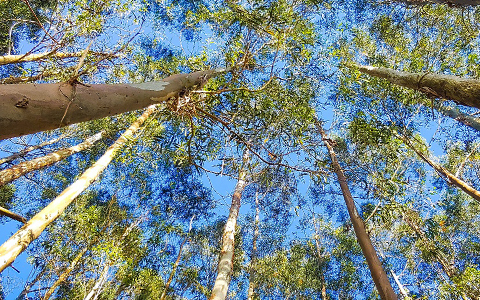
The eucalyptus tree, while known for its fast growth and versatility, comes with several disadvantages that can pose challenges to the environment, local ecosystems, and agriculture. Understanding these drawbacks is crucial for sustainable forestry and land management practices.
Environmental Impact
The adaptability of eucalyptus trees often leads to their proliferation in non-native areas, which can have significant ecological consequences. Some of the key environmental impacts include:
- Invasive species: Eucalyptus trees can outcompete local flora, leading to a reduction in biodiversity.
- Alteration of soil chemistry: The leaf litter from eucalyptus is high in tannins, which can inhibit the growth of other plants.
- Water consumption: Eucalyptus trees are known for their high water uptake, which can lead to depletion of local water resources.
Impact on Local Flora and Fauna
The introduction of eucalyptus trees into new ecosystems can disrupt the balance of local flora and fauna, leading to a range of consequences:
- Habitat loss: Native species may lose their habitats due to the dominance of eucalyptus, leading to declines in local wildlife populations.
- Monoculture stands: Planting eucalyptus in large areas often results in monocultures that do not support the diverse wildlife and plant species found in more varied ecosystems.
- Pollinator decline: Certain eucalyptus species may not provide the right resources for local pollinators, affecting overall biodiversity.
Fire Risk
Eucalyptus trees are known for their high oil content, making them highly flammable. This poses a significant fire hazard in areas where they are grown:
- Increased fire intensity: In dry conditions, eucalyptus can contribute to intense, uncontrollable wildfires.
- Biodiversity threat: Fires can destroy habitats and endanger local wildlife, exacerbating losses in biodiversity.
- Economic costs: The management and suppression of eucalyptus-related fires can incur significant costs for local governments and communities.
Soil Degradation
The growth of eucalyptus trees can lead to soil degradation, which negatively impacts agricultural practices and local ecosystems:
- Nutrient depletion: Eucalyptus can deplete essential soil nutrients, making it less fertile for subsequent crops.
- Soil erosion: Their extensive root systems can contribute to soil erosion when the trees are removed or die.
- Acidification: The litter can increase soil acidity over time, making it less conducive for other plant species.
Economic Considerations
While eucalyptus may offer some economic benefits, several economic drawbacks need to be considered:
- High maintenance costs: Managing eucalyptus plantations can require significant investment in terms of water, fertilizers, and pest control.
- Market dependency: Economic returns can be volatile, based on the demand for eucalyptus products.
- Competition with agriculture: Land used for eucalyptus plantations may come at the expense of agricultural land, affecting food production.
Where is the best place to plant a silver dollar eucalyptus tree?
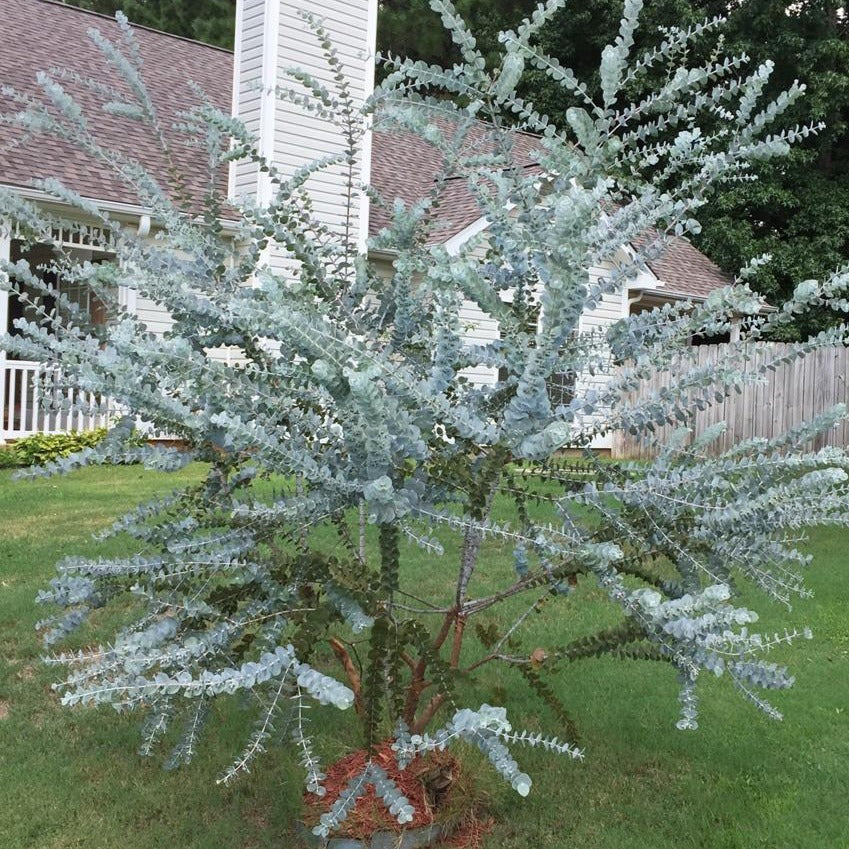
To determine the best place to plant a silver dollar eucalyptus tree, one must consider several environmental conditions and preferences of the tree. The silver dollar eucalyptus (Eucalyptus polyanthemos) is native to Australia and thrives in specific climates and soil types. It requires adequate space, sunlight, and well-draining soil to grow effectively.
Understanding Soil Requirements
The soil in which you plant your silver dollar eucalyptus tree influences its growth and health. This tree prefers:
- Well-draining soil: Ensure the soil allows excess water to drain away quickly to prevent root rot.
- Moderate fertility: While it can tolerate low-nutrient soils, a moderately fertile substrate can enhance growth.
- pH levels: A slightly acidic to neutral pH (between 6.0 and 7.5) is optimal for this species.
Optimal Sunlight Exposure
Silver dollar eucalyptus trees thrive in full sunlight, which is crucial for their overall health. Consider the following aspects when selecting a location:
- Direct sunlight: Aim for at least 6 to 8 hours of direct sunlight each day for optimal growth.
- Avoid shade: Plant away from larger trees or structures that could cast shadows, as this can hinder growth.
- Wind exposure: Positioning the tree in a sunny area with good air circulation can help avoid fungal diseases.
Space Considerations
When planting a silver dollar eucalyptus, space is a crucial factor since these trees can grow tall and wide. Key points include:
See also:
- Root space: Ensure there is enough area for the roots to expand, as they can reach several meters in depth.
- Canopy spread: Allow for a minimum of 15-20 feet of space between the tree and nearby structures or other plants.
- Future growth: Think long-term; the tree will grow significantly over the years, requiring ample space to thrive.
Climate Adaptability
Silver dollar eucalyptus trees are suited for specific climate conditions. Consider the following climate factors:
- Temperature: These trees prefer temperatures ranging from 50°F to 85°F (10°C to 30°C) and are sensitive to frost.
- Humidity: Moderate humidity levels are preferable, though the tree can tolerate dry conditions once established.
- Rainfall: While drought-tolerant, adequate rainfall or irrigation is necessary during establishment and prolonged dry spells.
Location and Landscaping Considerations
The location within your landscape can greatly affect the tree's growth. Important aspects include:
- Proximity to water sources: Ensure the tree is not too close to ponds or streams to prevent waterlogging.
- Integration with other plants: Consider companion planting, growing it alongside plants that thrive in similar conditions.
- Aesthetic placement: Think about how the tree will enhance your landscape visually, especially when it matures.
Is Silver Princess gum fast growing?
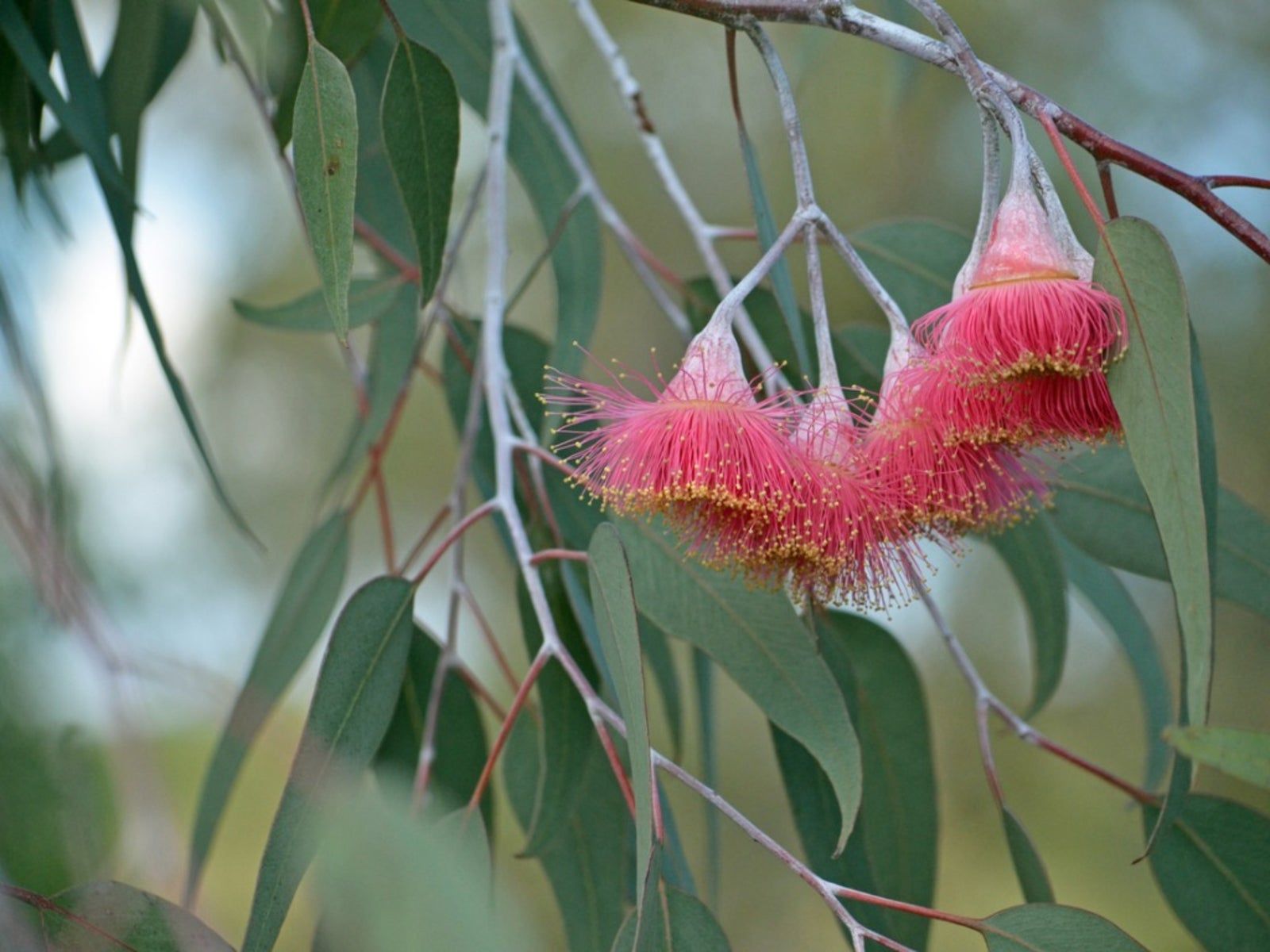
Silver Princess gum, scientifically known as Eucalyptus caesia, is a type of eucalyptus tree that exhibits certain characteristics regarding its growth rate. Generally, Silver Princess gum is considered fast-growing, especially in favorable conditions. Under optimal circumstances, these trees can grow quickly, adding a significant amount of height each year. This rapid growth rate makes them a popular choice for landscaping and restoration projects. Factors influencing growth include the tree’s age, environmental conditions, and soil quality, among others.
Growing Conditions for Silver Princess Gum
The growth rate of Silver Princess gum can be affected by several environmental factors. These include:
- Soil Type: Well-drained soils rich in nutrients promote faster growth.
- Water Availability: Adequate moisture, especially during the first few years, is crucial for rapid growth.
- Sunlight Exposure: Full sunlight is essential to ensure that the tree grows quickly and healthily.
Aging and Growth Rate
As Silver Princess gum trees age, their growth patterns may change. Younger trees tend to grow faster due to their vigorous nature. Over time, the growth rate may slow. Factors impacting this include:
- Genetic Factors: Some individual trees may have naturally faster growth rates than others.
- Health of the Tree: Pests, diseases, or poor growing conditions can hinder growth in mature trees.
- Management Practices: Pruning and other maintenance can influence how quickly the tree continues to grow.
Landscape Use of Silver Princess Gum
Due to its fast growth, Silver Princess gum is often used in various landscaping applications. Some of the benefits include:
- Aesthetic Appeal: The tree's unique foliage and blooms add beauty to gardens and parks.
- Shade Provider: Fast growth allows it to establish quickly, providing shade in a short time frame.
- Wildlife Habitat: It serves as a habitat and food source for local wildlife, enhancing biodiversity.
Maintenance Requirements
To ensure that Silver Princess gum continues to grow rapidly, proper maintenance is essential. Key aspects include:
- Regular Watering: Newly planted trees require sufficient moisture to support their rapid growth.
- Pest Control: Monitoring for pests and diseases helps maintain health and growth potential.
- Fertilization: Applying the right fertilizers can boost nutrient availability, promoting faster growth.
Comparison with Other Eucalyptus Species
Comparing Silver Princess gum to other eucalyptus species provides insight into its growth characteristics. Notable points include:
- Growth Rate: Some eucalyptus species like Eucalyptus globulus may grow even faster under certain conditions.
- Height Potential: Silver Princess may not reach the heights of other eucalyptus varieties but is still considered fast-growing.
- Drought Tolerance: Silver Princess has better drought resistance than some other species, aiding its growth in less favorable conditions.
Questions from Our Readers
What is the Eucalyptus caesia Silver Princess Gum Tree?
The Eucalyptus caesia Silver Princess Gum Tree is a stunning native Australian tree known for its unique silvery foliage and beautiful pink flowers. This tree typically grows to a height of around 5 to 10 meters and is appreciated for its ornamental value, making it a popular choice for gardens and landscapes.
How do I care for a Silver Princess Gum Tree?
Caring for a Silver Princess Gum Tree involves ensuring it is planted in well-draining soil and in a location where it receives full sunlight. It's important to water the tree regularly, especially during dry periods, while also allowing it to dry out between waterings to avoid root rot.
Is the Eucalyptus caesia Silver Princess Gum Tree suitable for my garden?
Yes, the Eucalyptus caesia Silver Princess Gum Tree can be suitable for your garden if you live in a climate that mimics its native habitat. It thrives in warm, temperate regions and is especially effective in adding visual interest and attracting wildlife like birds and pollinators.
Does the Silver Princess require any special pruning?
The Silver Princess Gum Tree benefits from occasional pruning to maintain its shape and encourage bushier growth. It's recommended to prune in late winter or early spring, removing any dead or damaged branches while also shaping the tree to promote healthy growth.
See also:

If you want to read more articles like Everything You Need to Know About Eucalyptus Caesia Silver Princess Gum Tree: Care, Features, and Benefits, we recommend you check out our Landscaping category.
Leave a Reply
Related Articles