The Ultimate Guide to the Best Fertilizer for Magnolias in Australia
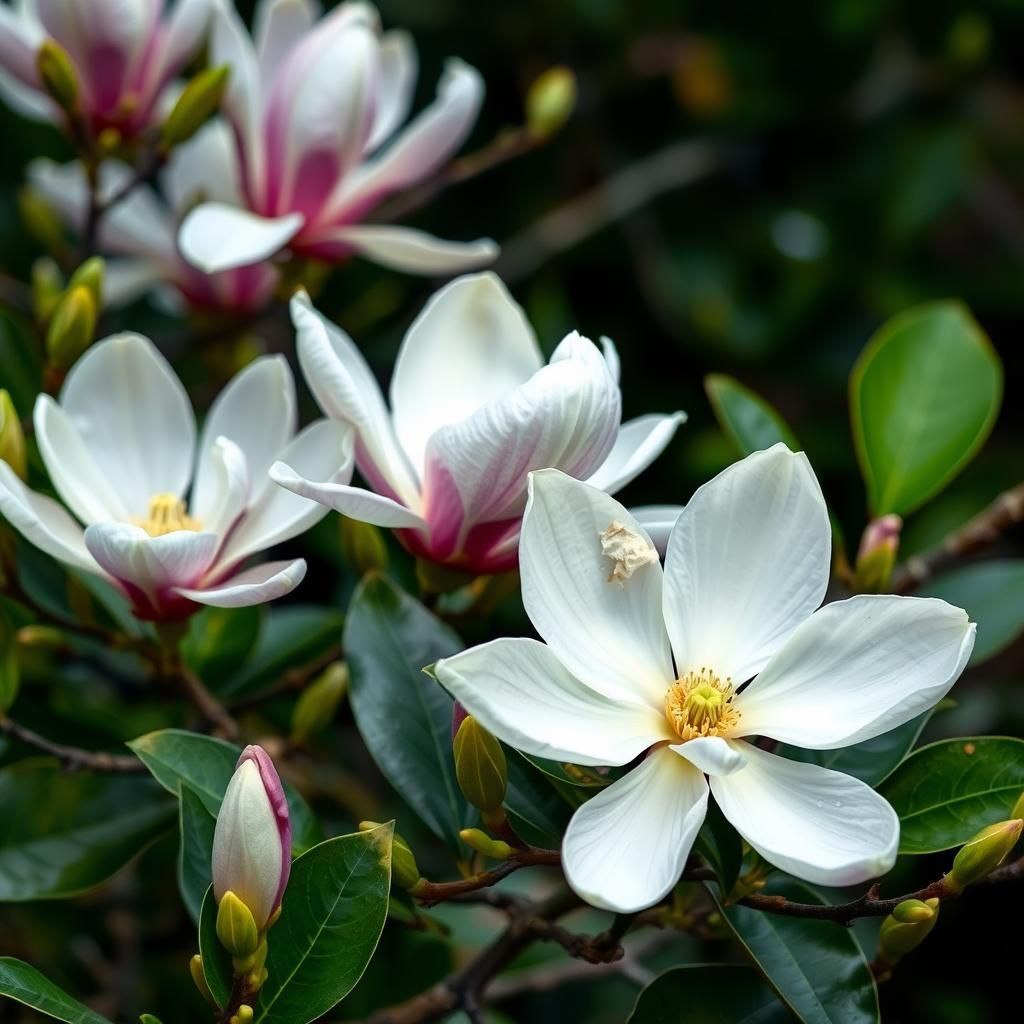
Magnolias are beloved for their stunning blooms and impressive foliage, making them a popular choice in Australian gardens. However, to ensure these magnificent trees and shrubs thrive, selecting the right fertilizer is crucial. This ultimate guide explores the best fertilizers specifically tailored for magnolias in Australia, considering the unique climatic conditions and soil types found across the country. From understanding nutrient requirements to identifying the most effective products on the market, this comprehensive resource will equip gardeners with the knowledge needed to promote healthy growth and vibrant blossoms in their magnolia plants. Get ready to cultivate your best garden yet!
Best Fertilizer for Magnolias in Australia
Magnolias thrive under specific conditions, and choosing the best fertilizer is essential for their growth in Australia's diverse climates. A balanced slow-release fertilizer with an N-P-K ratio of 10-10-10 or 14-14-14 is highly recommended for magnolias, as it provides a steady supply of essential nutrients like nitrogen, phosphorus, and potassium. Applying fertilizer in early spring when the tree is waking from dormancy promotes healthy growth and flowering. Additionally, incorporating organic matter such as compost or well-rotted manure can enhance soil structure and nutrient availability, contributing to the long-term health of magnolias in Australian gardens.
Understanding N-P-K Ratios
The N-P-K ratio represents the nitrogen, phosphorus, and potassium content in fertilizers, with each number indicating the percentage of these nutrients. For magnolias, a balanced ratio like 10-10-10 ensures that the plant receives adequate nutrients for foliage, roots, and blooms. Nitrogen promotes leaf growth, phosphorus supports root development and flowering, while potassium helps with overall plant health and disease resistance. Understanding these ratios helps gardeners select the appropriate fertilizer for optimal magnolia growth.
Organic vs. Synthetic Fertilizers
When considering what to use for magnolias in Australia, understanding the difference between organic and synthetic fertilizers is crucial. Organic fertilizers, derived from natural sources such as animal manure and compost, improve soil health and foster beneficial microbial life, providing a slow release of nutrients over time. In contrast, synthetic fertilizers are manufactured chemical products that offer quick nutrient absorption but may lead to soil degradation if used excessively. Choosing organic options may be preferable for sustainable gardening practices while still delivering essential nutrients to young magnolias.
Application Timing and Frequency
Timing is critical when applying fertilizer to magnolias. The best time to fertilize is during early spring, as this coincides with the plant's active growth period. Applying fertilizer too late in the year may encourage new growth that can be susceptible to cold damage during winter months. For established trees, fertilization may be necessary once or twice a year. Young magnolias, in contrast, should be fed more frequently to bolster their growth. It’s important to follow the manufacturer's instructions regarding application frequency for optimal results.
Soil Testing for Nutrient Needs
Before applying any fertilizer, conducting a soil test can be beneficial to understand the existing nutrient levels. A soil test measures pH and nutrient concentrations, helping gardeners identify specific deficiencies in their magnolia's growing environment. Based on the results, a targeted approach can be taken that may involve selecting a fertilizer with appropriate N-P-K ratios or supplementing with organic matter to enhance soil fertility. This proactive method ensures that magnolias receive exactly what they need to flourish.
Maintain Moisture Levels
After applying fertilizer, maintaining proper moisture levels is vital for nutrient absorption in magnolias. The soil should be kept consistently moist but not waterlogged, as both overwatering and underwatering can lead to poor health and growth in magnolias. It's advisable to water deeply, allowing roots to reach moisture and nutrients while also facilitating the breakdown of applied fertilizer. Monitoring weather conditions during dry spells and adjusting the watering schedule accordingly can significantly influence the success of fertilizer application.
| Fertilizer Type | N-P-K Ratio | Application Frequency | Benefits |
|---|---|---|---|
| Organic fertilizer | 10-10-10 | Once or Twice a Year | Improves soil health |
| Synthetic fertilizer | 14-14-14 | Once a Year | Quick nutrient absorption |
What is the best fertiliser for magnolias?

When it comes to fertilising magnolias, selecting the right product is crucial for their growth and health. Magnolias are generally not heavy feeders, but they do benefit from periodic fertilisation, particularly in terms of promoting blooming and ensuring vibrant foliage. The ideal fertiliser for magnolias should have a balanced formulation, typically one that is lower in nitrogen and higher in phosphorus and potassium.
A slow-release, organic fertiliser is often recommended for magnolias, as they help to maintain consistent nutrient availability over time. Additionally, fertilisers that are specifically designed for flowering plants can enhance blooming and overall plant health. It is essential to follow the instructions on the fertiliser packaging for the correct application rates and timing.
Recommended Nutrient Ratios
Magnolias thrive with nutrient ratios that focus on healthy root and flower development. The ideal N-P-K ratio (Nitrogen, Phosphorus, Potassium) is 10-10-10 or 5-10-10. These numbers indicate the amount of each nutrient present in the fertiliser.
- Nitrogen: Supports lush foliage growth.
- Phosphorus: Encourages root development and flower production.
- Potassium: Aids overall plant health and resistance to disease.
Types of Fertiliser
There are various types of fertilisers you can use for magnolias, including granular, liquid, and organic options. Each has its advantages depending on your gardening practices.
- Granular fertiliser: Provides slow-release nutrients that can last for several months.
- Liquid fertiliser: Allows for quick nutrient uptake and is beneficial when plants show signs of deficiency.
- Organic fertiliser: Includes compost, manure, or specially formulated organic blends, promoting healthy soil biology.
Best Timing for Fertilisation
The timing of fertilisation can significantly influence the effectiveness of the nutrients supplied to magnolias. Generally, spring is the best time to apply fertiliser.
- Spring application: Fertilising in early spring supports new growth.
- Mid-summer booster: A light application can help revitalise plants during blooming.
- Fall caution: Avoid fertilising in late fall as it may encourage new growth susceptible to winter damage.
Soil pH Considerations
Magnolias prefer slightly acidic to neutral soil, with a pH range of 5.5 to 7.0. The pH level of the soil can impact nutrient availability and overall plant health.
- Soil testing: Conduct a soil test to determine the pH and nutrient levels before fertilisation.
- Soil amendments: Use sulphur or peat moss to lower pH if necessary.
- Monitor regularly: Check the soil pH yearly to ensure it remains within the desired range.
Signs of Nutrient Deficiency
Understanding the signs of nutrient deficiencies can help you determine when your magnolia needs fertilisation or other interventions.
- Yellowing leaves: May indicate nitrogen deficiency or poor drainage.
- Poor blooming: Lack of phosphorus can lead to fewer flowers.
- Weak growth: Stunted growth may suggest a need for potassium or overall nutrient deficiency.
Is 10-10-10 fertilizer good for magnolia trees?
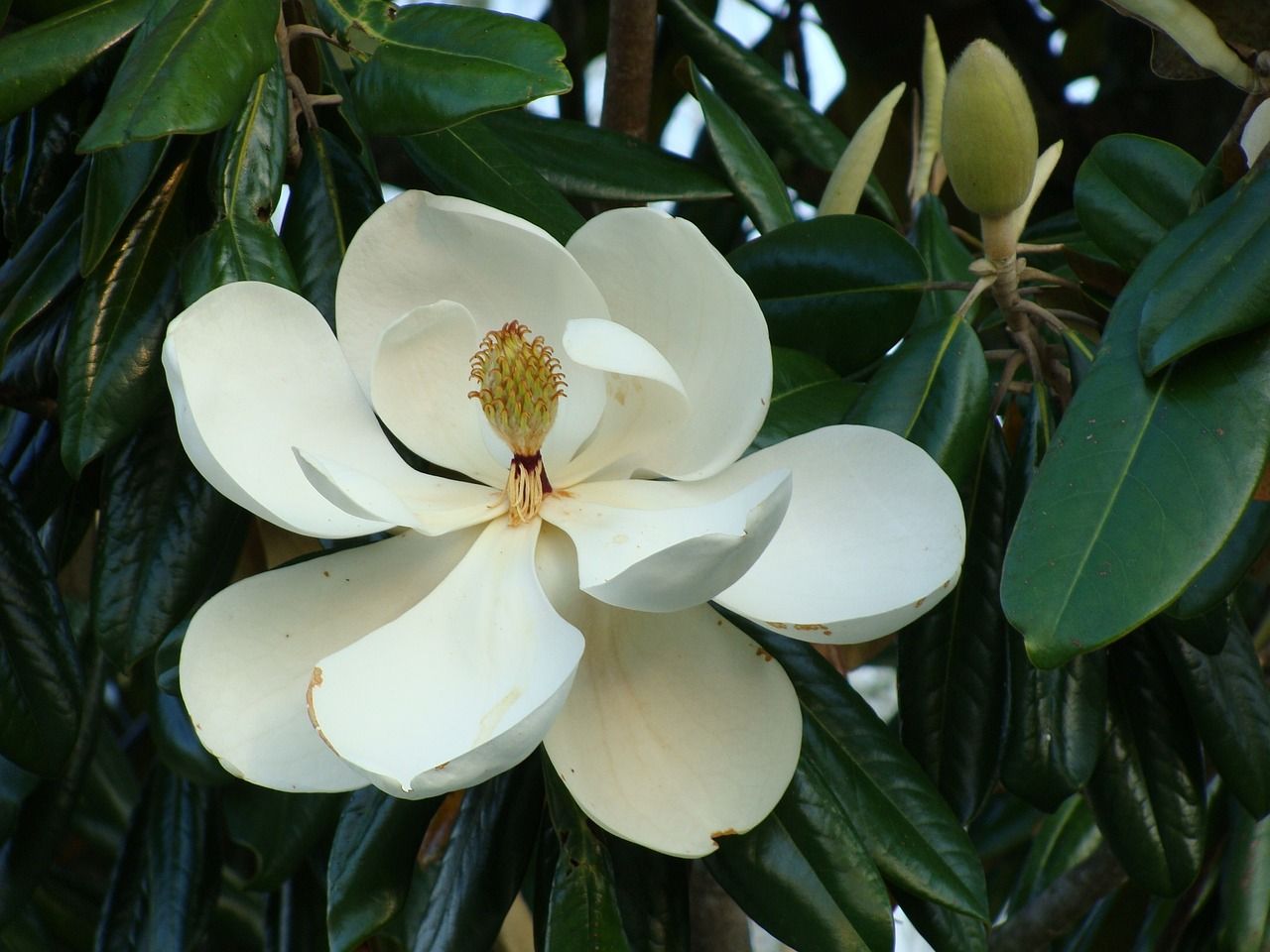
Magnolia trees are beautiful and can thrive in various conditions, but fertilization is key to their health. The use of 10-10-10 fertilizer, which contains equal parts nitrogen, phosphorus, and potassium, can be beneficial for magnolia trees, depending on several factors.
Nutritional Requirements of Magnolia Trees
Magnolia trees require a balanced supply of nutrients for optimal growth and flowering. The three primary nutrients provided by 10-10-10 fertilizer are:
- Nitrogen: Essential for leaf growth and overall vigor.
- Phosphorus: Supports root development and flowering.
- Potassium: Enhances drought resistance and overall plant health.
Using a balanced fertilizer like 10-10-10 can help meet these requirements, especially if your soil tests indicate a need for these specific nutrients.
Timing for Fertilization
To maximize the benefits of 10-10-10 fertilizer, proper timing is crucial. Apply the fertilizer in the following periods:
- Early spring, just before the growing season begins, to encourage new growth.
- Again in mid-summer to support continued growth and blooming.
- Avoid fertilizing in late fall, as this may promote new growth that can be damaged by winter frosts.
Timely application helps ensure that magnolias receive the nutrients when they need them most.
Soil Considerations
The effectiveness of 10-10-10 fertilizer can vary depending on soil composition and existing nutrient levels. Key considerations include:
See also:
- Conducting a soil test to determine nutrient levels before application.
- Assessing soil pH, as magnolias prefer slightly acidic to neutral soils.
- Considering organic amendments to improve soil health and structure.
Understanding your soil's needs can help you make informed decisions about fertilizer application.
Potential Risks of Over-fertilization
While 10-10-10 fertilizer can be beneficial, over-fertilization poses risks to magnolia trees. Potential issues include:
- Root burn: Excessive nitrogen can damage roots, leading to poor health.
- Reduced flowering: Too much fertilizer can result in lush foliage but fewer blooms.
- Environmental harm: Runoff from over-fertilized areas can affect local ecosystems.
It's essential to follow recommended application rates to avoid these problems.
Alternatives to 10-10-10 Fertilizer
If 10-10-10 fertilizer doesn't suit your magnolia trees, consider alternatives that might provide better results. Options include:
- Slow-release fertilizers: These provide nutrients more gradually, reducing the risk of over-fertilization.
- Organic options: Products like compost or well-rotted manure can improve soil health and provide nutrients.
- Specialized magnolia fertilizers: Formulas tailored to flowering trees may better meet specific needs.
Exploring different fertilizer options can help you find the best fit for your magnolia trees’ health and growth.
When should you fertilize magnolias?
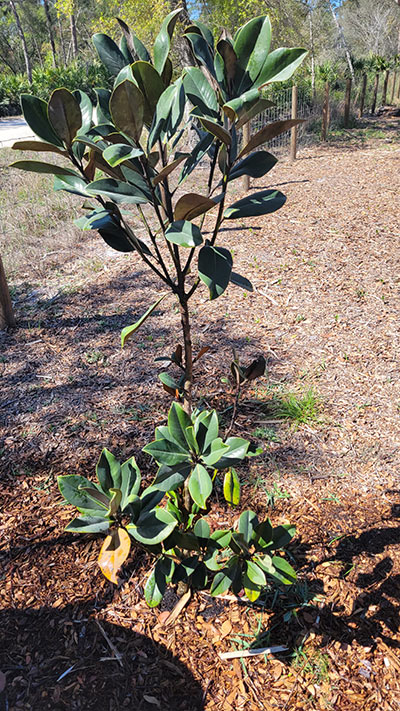
To ensure healthy growth and optimal blooming of your magnolia trees, proper fertilization timing is essential. Generally, the best time to fertilize magnolias is in early spring just before new growth begins, usually between late March and early April, depending on your climate zone. Applying fertilizer at this time helps to provide the necessary nutrients during the critical growing period. Additionally, a secondary application can be considered in late summer, but it's crucial to avoid fertilizing in late fall, as this can promote new growth that may be damaged by cold temperatures.
Understanding Magnolia Nutritional Needs
Magnolias require a balanced supply of nutrients for optimal health. These include nitrogen, phosphorus, and potassium, along with some essential micronutrients. Understanding their specific nutritional needs can help in selecting the right fertilizer.
- Nitrogen fosters new growth and foliage development.
- Phosphorus promotes strong root development and flowering.
- Potassium aids in overall plant health and disease resistance.
Types of Fertilizers Suitable for Magnolias
When choosing a fertilizer for magnolias, it is important to opt for products that release nutrients slowly over time. Organic fertilizers such as compost or well-rotted manure can be beneficial, while synthetic fertilizers with a balanced N-P-K ratio are also effective.
- Consider using a slow-release granular fertilizer for extended nutrient availability.
- Organic options like bone meal or fish emulsion can enhance soil quality.
- Ensure any synthetic fertilizer is specifically formulated for trees and shrubs.
Signs Your Magnolia Trees Need Fertilizing
It's essential to recognize the signs indicating that your magnolias may need fertilization. Look for changes in their growth patterns or overall vigor.
- Stunted growth or reduced flowering could indicate nutrient deficiencies.
- Yellowing leaves may suggest a lack of nitrogen, particularly in the older leaves.
- Overall poor health can be a sign of insufficient nutrition in the soil.
Application Methods for Fertilizing Magnolias
Proper application technique enhances fertilizer effectiveness. Follow these guidelines to ensure the best results.
- Spread the fertilizer evenly over the root zone, avoiding direct contact with the trunk.
- Water thoroughly after application to help dissolve the fertilizer and promote nutrient absorption.
- Mulching can help retain moisture and support nutrient uptake after fertilizing.
Factors Influencing Fertilization Timing
Several environmental factors can influence the best time to fertilize magnolias. Understanding these variables is crucial for optimal fertilization.
- Climate: Warmer regions may require earlier applications, while cooler areas may need to wait.
- Soil quality: Testing soil for nutrient levels can determine the urgency for fertilization.
- Growth stage: Newly planted magnolias might need adjustments in fertilizer timing compared to mature trees.
What to put on magnolia trees to help them grow?

To promote healthy growth in magnolia trees, several key factors must be considered, including the type of soil, the right fertilizers, mulching techniques, pruning methods, and regular watering practices. Here’s a detailed overview of what to put on magnolia trees to help them thrive.
Soil Amendments
To provide an optimal growing environment, amend the soil where your magnolia tree is planted. Magnolia trees prefer well-draining, slightly acidic soil. Consider the following amendments:
- Pine Bark Mulch: This amendment helps to improve soil structure and contributes to acidity.
- Compost: Incorporating organic compost can enhance nutrient availability and improve soil health.
- Sphagnum Peat Moss: Adding peat moss can help retain moisture while promoting the acidity required for magnolias.
Fertilization
Proper fertilization is crucial for the growth and health of magnolia trees. Here are some recommended practices:
- Balanced Fertilizers: Use a slow-release, balanced fertilizer (like 10-10-10) in early spring.
- Specialized Magnolia Fertilizers: Look for fertilizers specifically formulated for flowering trees that contain micronutrients.
- Top Dressing: Applying a layer of compost or well-rotted manure around the base can provide additional nutrients over time.
Mulching Techniques
Mulching can significantly benefit magnolia trees by retaining soil moisture and regulating temperature. Consider these options:
- Organic Mulch: Use shredded bark or wood chips to create a layer of mulch around the tree.
- Depth and Spread: Apply mulch to a depth of 2-4 inches, extending it out to the drip line of the tree.
- Regular Refreshing: Replenish the mulch layer annually to maintain its benefits.
Pruning Techniques
Pruning is essential for maintaining the shape and health of magnolia trees. Here are some effective pruning methods:
- Timing: Prune during late winter or early spring just before new growth begins.
- Remove Dead or Diseased Growth: Always cut back any dead or infected branches to promote better air circulation.
- Shape the Tree: Aim to maintain an open center to allow sunlight penetration, which is crucial for overall health.
Watering Practices
Magnolia trees require consistent moisture, especially during their early growth phases. Implement the following watering practices:
- Deep Watering: Water deeply, allowing the moisture to reach the root zone. This encourages strong root development.
- Frequency: Water once a week during dry spells; adjust frequency based on rainfall and the tree's age.
- Drainage: Ensure proper drainage in the planting area to prevent waterlogging, which can harm the tree.
Questions from Our Readers
What is the best fertilizer for magnolias in Australia?
The best fertilizer for magnolias in Australia is a balanced slow-release product that contains equal parts of nitrogen, phosphorus, and potassium. Look for fertilizers with a ratio like 10-10-10 or 14-14-14, as they provide the essential nutrients necessary for vibrant growth. Additionally, incorporating organic matter such as compost can improve soil quality and promote healthy roots.
When should I fertilize my magnolia trees?
It is recommended to fertilize magnolia trees in early spring before new growth begins. This timing allows the tree to absorb the nutrients right when they are needed most. Applying a slow-release fertilizer at this time will ensure that the magnolia has access to a steady supply of nutrients during the growing season, promoting lush foliage and better flowering.
How often should I apply fertilizer to my magnolias?
Generally, you should apply fertilizer to your magnolias once a year, ideally in early spring. However, if your soil is particularly poor or if the tree shows signs of nutrient deficiency, you may consider a second application in late summer. Make sure to follow the instructions on the fertilizer package for the recommended application rates to avoid over-fertilization, which can harm the tree.
See also:
Can I use homemade fertilizer for my magnolia trees?
Yes, you can use homemade fertilizers for your magnolia trees, but it's important to ensure that they provide a balanced nutrient profile. Combinations of ingredients such as well-rotted manure, compost, and bone meal can be effective. These organic fertilizers not only supply essential nutrients but also improve soil structure and health, promoting better overall growth for your magnolias.
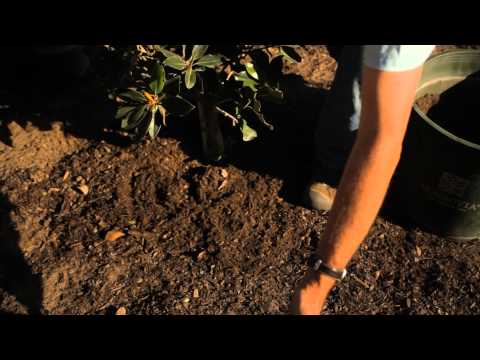
If you want to read more articles like The Ultimate Guide to the Best Fertilizer for Magnolias in Australia, we recommend you check out our Fertliser category.
Leave a Reply
Related Articles