How to Know When Onions Are Ready to Harvest: Top Signs and Tips
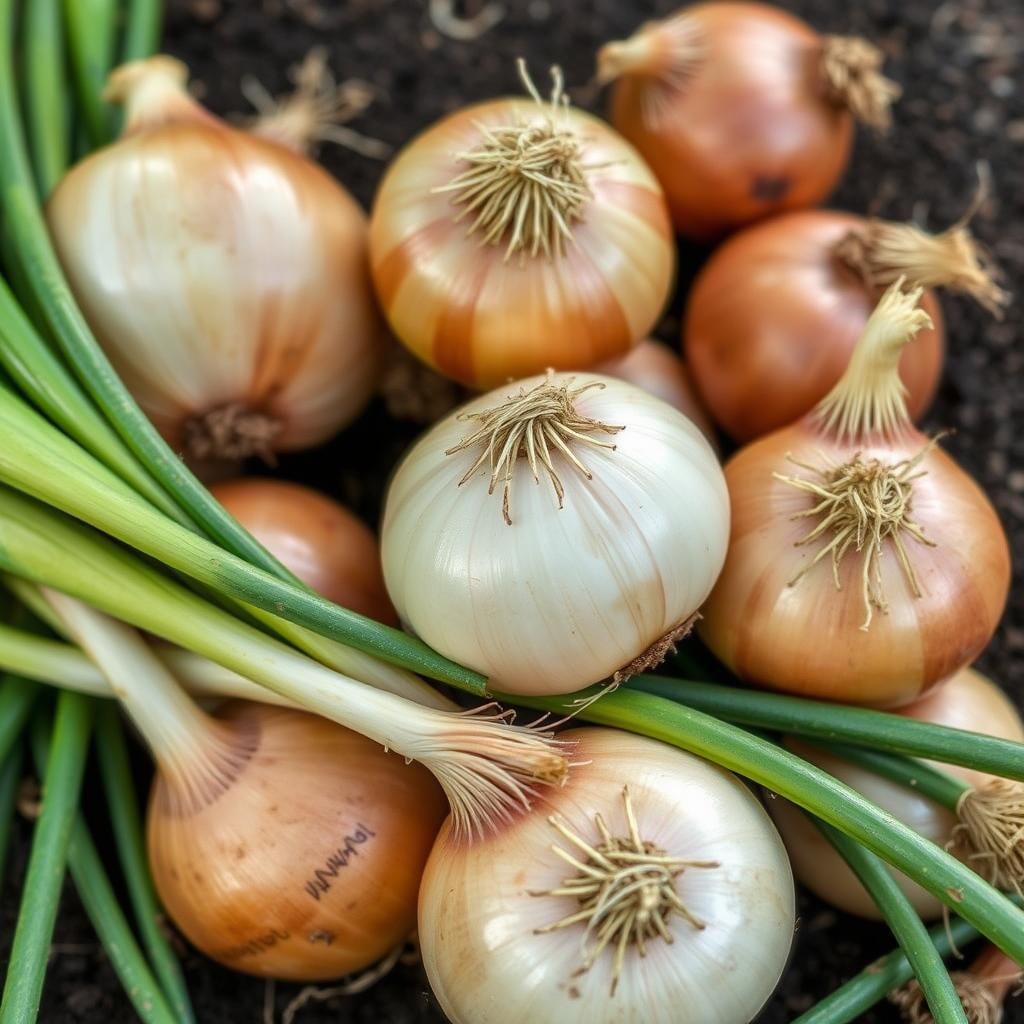
Onions are a staple in kitchens around the world, prized for their flavor and versatility. However, knowing when to harvest them can be challenging for both novice and experienced gardeners. Harvesting onions at the right time ensures optimal taste and storage longevity. In this article, we will explore the top signs and tips to determine when your onions are ready for harvest. From observing the foliage to understanding the changes in bulb size, these guidelines will help you achieve a bountiful and flavorful onion crop. Let’s delve into the essential cues that indicate your onions have reached their peak ripeness.
How to Know When Onions Are Ready to Harvest
When it comes to determining the right time to harvest onions, it's crucial to observe both the growth stage and the physical signs of the onions themselves. Typically, onions are ready for harvest when the tops begin to yellow and fall over, signaling that the bulbs have reached their mature size. This usually occurs late in the growing season, often in late summer to early fall. Additionally, gently digging around the onions can help assess their size, while checking the skin for a thick, papery texture can indicate they are ready to be pulled from the ground.
Signs of Maturity
One of the most telling signs that onions are ready for harvest is when the foliage starts to turn yellow and bend over. This happens as the onion plant directs its energy from leaf growth to bulb development, indicating that the bulb has reached its maximal size. Typically, this occurs when most of the green tops have browned and collapsed. Monitoring this change closely can help ensure that you don’t miss the optimal window for harvesting.
Checking Bulb Size
To accurately assess whether your onions are ready for harvest, it can be beneficial to gently dig up a few bulbs to check their size. A fully mature onion should typically be at least 2-3 inches in diameter, depending on the specific variety. If the onions are still small or have not developed a bulbous shape, it might be best to wait a little longer before pulling them out of the ground. Inspecting a few plants can help gauge the overall readiness of your entire crop.
Timing Considerations
The timing of the harvest can significantly affect the quality and longevity of your onions. Onions are usually ready for harvest late in the summer to early fall, depending on the planting time and variety. It’s important to track the weather as well; if rain is expected, it may be beneficial to harvest earlier to prevent rot. Observing your local climate patterns can help inform the best time for harvesting.
See also:
Skin Quality
Inspecting the skin of the onions is crucial in determining their readiness for harvest. When the skins are thick and papery, this usually signifies a mature onion that is ready to be picked. If the skin remains thin and green, the onions likely need more time to develop properly. Proper skin quality is important for both storage and flavor, so keeping an eye on this aspect can ensure better results.
Post-Harvest Handling
Once you've decided to harvest your onions, how you handle them post-harvest is equally crucial. After pulling the onions, they should be allowed to cure in a dry, shaded area with good airflow for several days. This helps the outer skin to harden, extending their storage life. Make sure to avoid direct sunlight during this process to prevent any fading or damage to the bulbs. Proper post-harvest techniques are important for maintaining the quality of your crop.
| Aspect | Details |
|---|---|
| Signs of Maturity | Yellow tops that fall over |
| Bulb Size | 2-3 inches in diameter |
| Timing Considerations | Late summer to early fall |
| Skin Quality | Thick and papery |
| Post-Harvest Handling | Curing in a dry, shaded area |
Understanding the Growth Cycle of Onions
In order to know when onions are ready for harvest, it's crucial to understand their growth cycle. Typically, onions begin as small bulbs and develop their leaves over time. When the foliage starts to yellow and fall over, it's a clear sign that the bulbs have reached their full size and are ready for harvesting. Monitoring the condition of the leaves, along with factors such as the weather and soil moisture, can provide better insights on the optimal timing for harvesting your onions.
Signs of Maturity in Onions
The most obvious signs of onion maturity are the leaves turning yellow and becoming soft. As the plant reaches its final stages of growth, the tops will begin to fall over, which is an indication that the onions have stopped growing. At this point, it's essential to inspect the bulbs by gently digging around them to see if they have formed properly and reached a satisfactory size. These visual cues are vital for determining when to proceed with the harvest.
Checking Onion Bulb Sizes
To ensure that your onions are suitable for harvesting, you should check the sizes of the bulbs. A mature onion bulb typically measures at least 1 inch in diameter. Gently remove some soil around the bulb and assess its proportion relative to the leaf height. If the bulbs have reached the standard size you desire, this signals that they are ready to be harvested. Size is a key factor, as it influences not only the appearance but also the taste of the final product.
See also:
Impact of Weather on Harvest Timing
Weather plays a significant role in determining the right time for onion harvesting. Onions generally benefit from warm, dry conditions leading up to the harvest time. If there has been an unexpected rain, this could delay the proper timing for harvest, as oversaturation can lead to rot or other issues. Ideally, wait for a few dry days before harvesting to ensure that the bulbs are not excessively moist, as this will help preserve their quality during storage.
Soil Conditions and Onion Harvesting
The condition of the soil can also affect the timing of the onion harvest. Properly drained soil prevents water from collecting around the bulbs, which is crucial as onions finish growing. If the soil is too wet, it could lead to pest problems or disease, ultimately compromising the quality of your harvest. When the soil feels dry at a depth of around 2 inches, it's often a good indicator that onions are ready to be harvested.
Post-Harvest Care for Onions
Once you have harvested your onions, it’s essential to provide them with proper post-harvest care. Begin by cleaning them off gently to remove any excess soil. Afterward, curing the onions in a well-ventilated, dry area is vital. This process not only enhances their flavor but also improves longevity. Ideally, leave the bulbs in this state for a couple of weeks before moving them to a cooler storage location to extend their end use. Proper handling after harvesting can make a significant difference in their shelf life and overall quality.
Questions from Our Readers
How can I tell when onions are ready to harvest?
When onions are ready to harvest, their tops will start to yellow and fall over. This is a clear sign that the bulbs have reached their full size and are ready for harvesting. Check the soil around the base of the onion; if it feels firm and dry, it’s likely time to pull them up.
Should I wait for the onion tops to completely dry before harvesting?
Yes, it's best to wait until the onion tops are completely dried and fallen over before harvesting. This indicates that the bulbs have finished growing and helps prevent any potential rotting during storage.
See also:
What size should onions be before I harvest them?
Onions can generally be harvested when they reach a size of about 1 to 4 inches in diameter, depending on the variety. A good rule of thumb is to check that they feel firm and have a thick neck to ensure they are mature enough.
Can I harvest onions early for green onions?
Absolutely! You can harvest onions early when they are still immature for use as green onions or scallions. Just make sure to pull them carefully from the soil to maintain their freshness and flavor.

If you want to read more articles like How to Know When Onions Are Ready to Harvest: Top Signs and Tips, we recommend you check out our Gardeners category.
Leave a Reply
Related Articles