Exploring the National Bonsai and Penjing Collection: A Journey Through Nature's Artistry
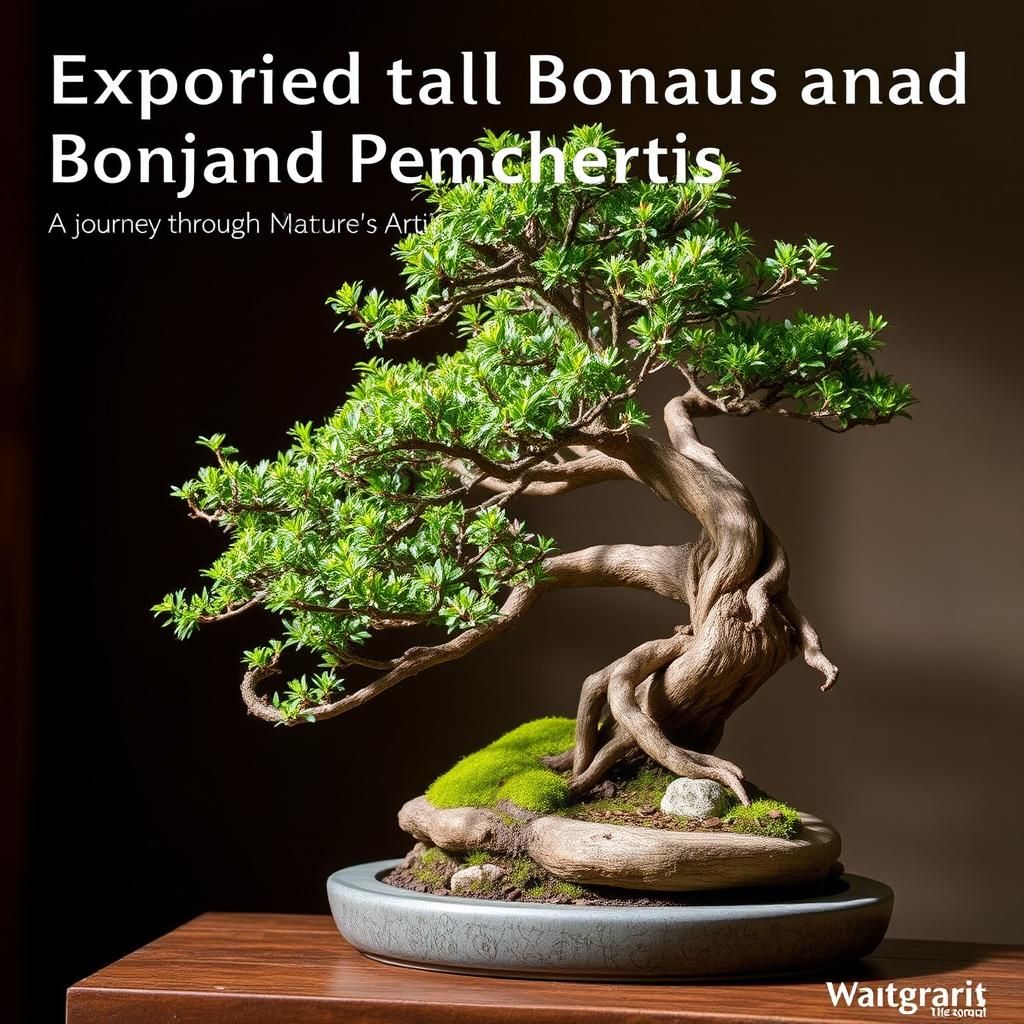
The National Bonsai and Penjing Collection stands as a testament to the intricate artistry of nurturing nature into miniature landscapes. This stunning exhibition invites visitors to explore the deep cultural significance and breathtaking beauty inherent in bonsai and penjing, practices that date back centuries. As we embark on this journey through the collection, we will discover the meticulous techniques employed by skilled artisans and the stories behind each piece. From the delicate branches to the meticulously shaped roots, every bonsai and penjing reflects a unique relationship between humanity and the natural world, showcasing a harmonious blend of creativity and discipline.
- The National Bonsai and Penjing Collection
- The Significance of Bonsai in Cultural Heritage
- The History of Bonsai and Penjing
- The Techniques of Creating Bonsai
- The National Bonsai and Penjing Collection showcases a diverse range of cultivar types, each selected for its unique beauty, adaptability, and cultural significance. Common species include Japanese Black Pine, Ficus, and Chinese Elm, among others. These cultivars were chosen not only for their visual appeal but also for their resilience, allowing them to thrive in the controlled conditions of the collection. This diversity highlights the importance of biodiversity in bonsai, making it possible to celebrate a variety of styles and techniques from different regions.The Educational Aspects of the Collection
- The Role of Nature in Bonsai Artistry
- Questions from Our Readers
The National Bonsai and Penjing Collection
The National Bonsai and Penjing Collection, located in Washington, D.C., houses a remarkable array of miniature trees and plants that represent a centuries-old tradition of bonsai and penjing art. Established through a collaboration between the U.S. National Arboretum and the National Park Service, this collection is dedicated to preserving and showcasing these intricate artworks that embody both natural beauty and profound cultural significance. Visitors can explore various styles and species, each carefully cultivated to reflect the essence of nature in a compact form, thus providing an educational insight into the history, techniques, and philosophies behind these traditional art forms.
History of the Collection
The National Bonsai and Penjing Collection was officially established in 1976, coinciding with the United States’ bicentennial celebrations. This initiative was supported by the Japanese government, which donated the original bonsai specimens that form the foundation of the collection. Over the years, the collection has grown, incorporating many international contributions and showcasing the rich heritage of bonsai and penjing from various cultures, emphasizing the art's global significance.
Significance of Bonsai and Penjing
Both bonsai and penjing are deeply rooted in Asian culture and philosophy. While originating from China, penjing translates to tray scenery and focuses on creating miniature landscapes, often including multiple elements such as rocks and water. In contrast, bonsai from Japan centers primarily on the artistic rendering of trees alone. Both share the underlying principle of achieving harmony between nature and the human touch, offering reflections on patience, balance, and the passage of time.
Types of Trees Featured
The collection boasts a diverse range of tree species, with some of the most popular being Japanese Maple, Pine, and Juniper. Each specimen is carefully pruned and shaped over many years to achieve its aesthetic form. Additionally, the garden includes American varieties, showcasing the adaptability of these traditional practices within a Western context. The specific care requirements and artistic considerations vary significantly among species, thus enhancing the educational aspect of the collection.
See also:
Visitor Experience
Visitors to the National Bonsai and Penjing Collection can enjoy a tranquil environment as they walk among the meticulously crafted trees. Informative signage throughout the exhibit educates guests about various training techniques and the cultural histories associated with each piece. Additionally, seasonal events and guided tours are offered, allowing deeper engagement with the practices of bonsai and penjing, making it an enriching experience for both novices and enthusiasts alike.
Educational Programs
The collection also emphasizes education through various programs aimed at all age groups, including workshops, demonstrations, and lectures. These programs cover a wide range of topics, from the fundamentals of tree care to the philosophical principles behind the art forms. By fostering a community around these renowned practices, the National Bonsai and Penjing Collection aims to inspire appreciation and understanding of these ancient traditions.
| Aspect | Bonsai | Penjing |
|---|---|---|
| Origin | Japan | China |
| Focus | Individual trees | Scenic landscapes |
| Philosophy | Balance with nature | Harmony with environment |
| Training Techniques | Pruning and wiring | Planting in trays |
| Cultural Significance | Symbol of peace | Representation of nature |
The Significance of Bonsai in Cultural Heritage
Bonsai is not merely a craft but a profound expression of cultural heritage that transcends geographical boundaries. Each tree in the National Bonsai and Penjing Collection tells a story, representing nature's artistry refined over centuries. The meticulous techniques used in shaping these miniature trees reflect the deep philosophical ties between humanity and nature. By engaging with these living sculptures, visitors are invited to ponder the values of patience, perseverance, and the appreciation of transience that bonsai embodies. This collection acts as a bridge connecting generations, fostering a deep respect for the artistic and cultural traditions surrounding bonsai cultivation.
The History of Bonsai and Penjing
The history of bonsai and penjing can be traced back over a thousand years, with roots in ancient China before it flourished in Japan. These art forms began as a way to capture the beauty of nature in a miniature format, symbolizing peace and tranquility. The practice evolved, influenced by various philosophies and teachings, and has been meticulously preserved by generations of artisans. Each style, from the asymmetrical shapes of Japanese bonsai to the intricate landscapes of Chinese penjing, reflects distinct cultural characteristics and values.
The Techniques of Creating Bonsai
Creating bonsai involves a variety of techniques such as pruning, wiring, and repotting, each crucial for guiding the growth and shape of the tree. Pruning helps maintain the desired size and aesthetic, while wiring shapes the branches to achieve the signature bonsai silhouette. The entire process demands a blend of artistic vision, horticultural knowledge, and a lasting commitment to care. Understanding these techniques allows enthusiasts to appreciate the effort and skill that goes into each piece, often taking years or even decades to mature.
See also:
The National Bonsai and Penjing Collection showcases a diverse range of cultivar types, each selected for its unique beauty, adaptability, and cultural significance. Common species include Japanese Black Pine, Ficus, and Chinese Elm, among others. These cultivars were chosen not only for their visual appeal but also for their resilience, allowing them to thrive in the controlled conditions of the collection. This diversity highlights the importance of biodiversity in bonsai, making it possible to celebrate a variety of styles and techniques from different regions.
The Educational Aspects of the Collection
The collection serves as an important educational resource, providing insights into the art and science of bonsai cultivation. Through guided tours, workshops, and demonstrations, visitors gain a deeper understanding of the cultural significance and environmental care associated with bonsai. Educational programs aim to inspire a new generation of bonsai enthusiasts while preserving the knowledge and traditions of this ancient art. Engaging with these programs enhances appreciation for both the technical aspects and the philosophical reflections that bonsai instills.
The Role of Nature in Bonsai Artistry
Nature plays a pivotal role in bonsai artistry, as the very essence of the art form stems from mimicking natural landscapes within a confined space. Each bonsai seeks to represent the balance and harmony found in its wild counterparts, drawing attention to the intricacies of the natural environment. The collection showcases various ecosystems, demonstrating how alterations in care and pruning may lead to different interpretations of natural forms. Visitors leave with a renewed sense of connection to the environment, appreciating how each tree reflects an eternal dialogue between art and nature.
Questions from Our Readers
What is the National Bonsai and Penjing Collection?
The National Bonsai and Penjing Collection is a unique display of finely cultivated miniature trees, showcasing the traditional Asian art forms of bonsai and penjing. It is typically located within botanical gardens or cultural institutions, allowing visitors to appreciate the intricate beauty and craftsmanship involved in these living artworks.
Where is the National Bonsai and Penjing Collection located?
The National Bonsai and Penjing Collection is located in Washington, D.C., as part of the United States National Arboretum. This site provides a serene environment for visitors to explore the various exhibits dedicated to these exquisite art forms.
See also:
How can visitors engage with the National Bonsai and Penjing Collection?
Visitors can engage with the National Bonsai and Penjing Collection through guided tours, educational programs, and workshops that highlight the history, techniques, and aesthetics of bonsai and penjing. These opportunities enrich the experience and deepen the understanding of this intricate artistry.
Is there an admission fee to visit the National Bonsai and Penjing Collection?
Entrance to the National Bonsai and Penjing Collection is typically free, allowing everyone to enjoy the beauty and tranquility of this unique collection. However, check their official website for any specific events or workshops that may have associated fees.
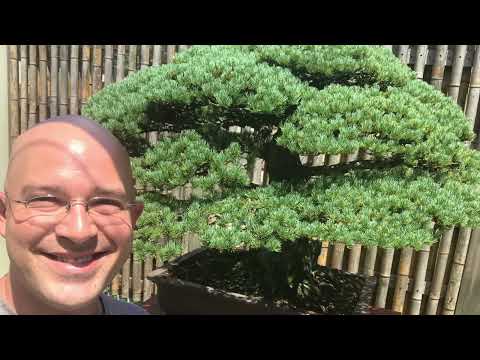
If you want to read more articles like Exploring the National Bonsai and Penjing Collection: A Journey Through Nature's Artistry, we recommend you check out our Landscaping category.
Leave a Reply
Related Articles