What is the best all year round lavender plant? A Complete Guide for Gardeners
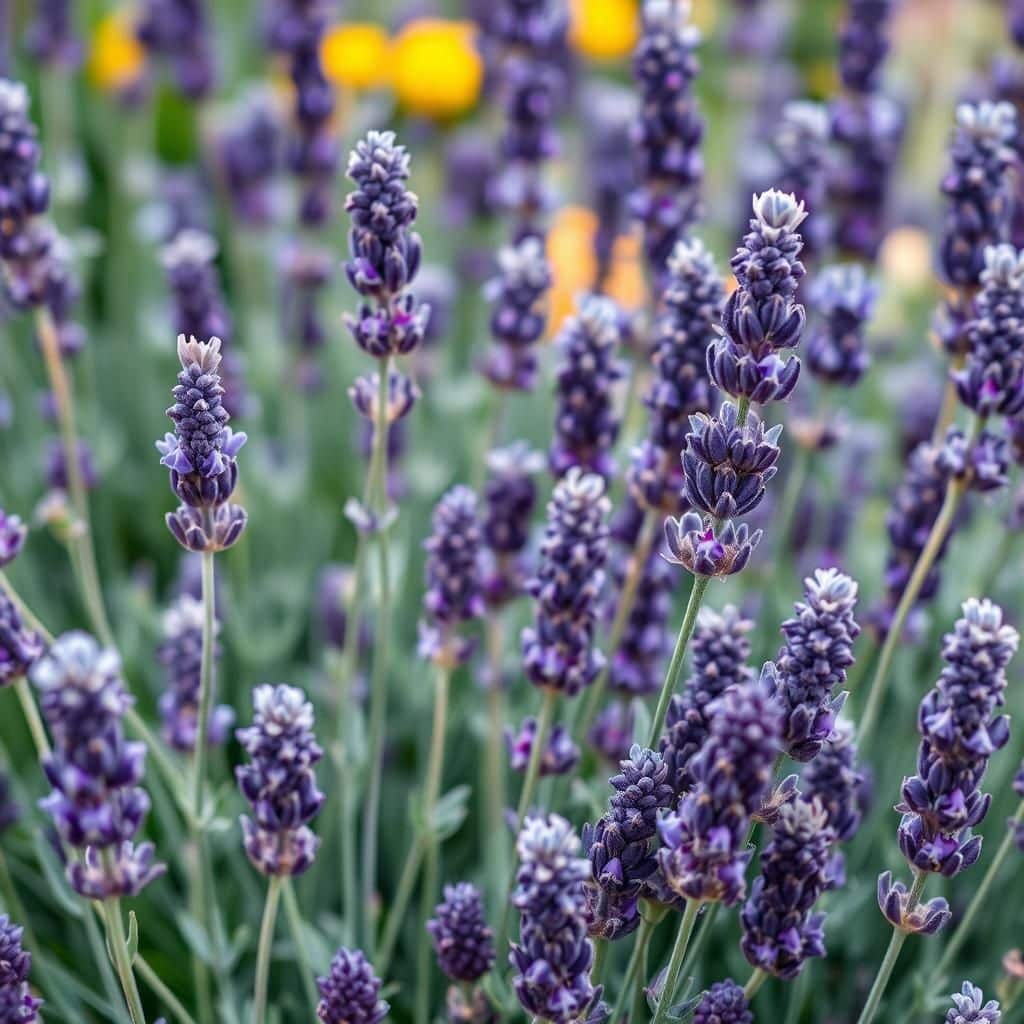
Lavender is a beloved herb known for its aromatic scent, stunning flowers, and numerous gardening benefits. However, with various varieties available, selecting the best all-year-round lavender plant can be a challenge for gardeners. This complete guide will explore the most resilient lavender types suited for different climates and soil conditions, ensuring that your garden remains vibrant and fragrant throughout the seasons. From the classic English lavender to the more hardy French options, we will delve into their unique characteristics, care requirements, and tips for maximizing their growth potential. Join us on this journey to discover the perfect lavender for your garden!
What is the Best All Year Round Lavender Plant?
The best all year round lavender plant is often considered to be Lavandula angustifolia, commonly known as English lavender. This variety is favored for its hardiness and ability to thrive in a range of climates, making it ideal for various gardeners. With its stunning purple flowers and aromatic leaves, it not only adds visual appeal to gardens but also attracts beneficial pollinators like bees and butterflies. Moreover, English lavender is known for its culinary and therapeutic uses, offering a fragrant addition to dishes and a calming scent for essential oils. Its adaptability allows it to flourish in well-drained soils, and it can withstand drought conditions, ensuring that it remains vibrant throughout the year with minimal care.
Characteristics of Lavandula angustifolia
Lavandula angustifolia is characterized by its compact growth habit, typically reaching heights of 1 to 3 feet. The plant features narrow, gray-green leaves and highly fragrant purple flower spikes that bloom in late spring to early summer. This variety is remarkably resilient, adapting well to various soil types, as long as they are well-drained. The plant's distinct aroma comes from its essential oils, which have been utilized for centuries in aromatherapy and medicinal purposes.
Growing Conditions for Year Round Lavender
To ensure the health and longevity of your lavender plants, it is crucial to provide them with the right growing conditions. They prefer full sun, requiring at least 6-8 hours of direct sunlight daily, which enhances their growth and flowering. Soil should be sandy or rocky, allowing for excellent drainage to avoid root rot. Lavender is incredibly drought-tolerant once established, making it suitable for xeriscaping. Regular pruning helps maintain shape and encourages new blooms, keeping the plant vibrant throughout the year.
Benefits of Planting Lavender in Your Garden
Planting lavender in your garden offers numerous benefits beyond its stunning aesthetic. The plant serves as a natural pest repellent, deterring unwanted insects, making it ideal for organic gardening. Additionally, the striking purple flowers attract beneficial insects like bees and butterflies, increasing biodiversity in your garden. Lavender also has air-purifying qualities, enhancing the overall freshness of your outdoor space. Furthermore, its dried flowers can be harvested for use in sachets, potpourri, and even culinary dishes, showcasing its versatility.
Common Pests and Diseases of Lavender
While Lavandula angustifolia is generally resilient, it can still be susceptible to certain pests and diseases. Common pests include aphids, spider mites, and whiteflies, which can weaken the plant if left untreated. Additionally, fungal diseases like root rot can occur in conditions where the soil is excessively damp. Regular inspection and maintenance, such as ensuring proper watering practices and adequate air circulation, can help mitigate these issues. Organic insecticides and fungicides can be effective solutions when needed.
How to Use Lavender in Everyday Life
Lavender has an array of uses that can enrich everyday life. Beyond its role as a decorative plant, its flowers can be harvested and dried for potpourri, adding a soothing scent to your home. The essential oil derived from lavender is renowned for its calming properties, often used in aromatherapy to reduce stress and promote relaxation. Culinary enthusiasts can incorporate dried lavender into baked goods, teas, and infused oils, lending a unique flavor profile to their creations. In gardening, lavender can serve as a companion plant, promoting healthy growth of nearby plants by repelling harmful insects.
| Feature | Lavandula angustifolia | Other Lavender Varieties |
|---|---|---|
| Hardiness | Very hardy | Varies, some less hardy |
| Fragrance | Highly aromatic | Less potent |
| Flower Color | Purple | Varies |
| Growth Habit | Compact | Can be sprawling |
| Best Use | Medicinal and culinary | Ornamental |
What is the longest lasting lavender plant?
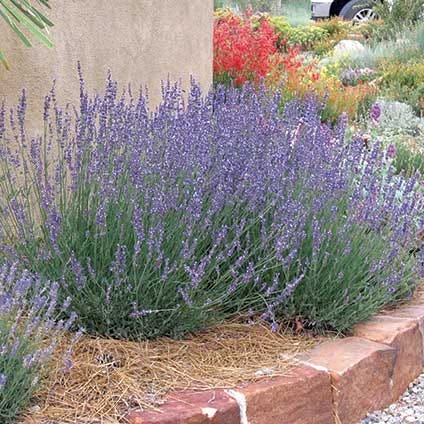
The longest lasting lavender plant is generally considered to be Lavandula angustifolia, commonly known as English lavender. This particular species is renowned for its hardiness and longevity compared to other types of lavender. When properly cared for, English lavender can live for over 15 years, sometimes even up to 30 years.
Characteristics of Lavandula angustifolia
Lavandula angustifolia possesses several unique characteristics that contribute to its longevity.
- Hardiness: This species is more resilient to winter frost and adverse weather conditions.
- Fragrance: Known for its delightful and profound scent, it remains consistent throughout its lifespan.
- Growth Habit: It has a compact growth form that prevents it from becoming leggy over time.
Optimal Growing Conditions
To ensure the longest life for Lavandula angustifolia, specific growing conditions are essential.
- Soil: Prefers well-draining, sandy or loamy soils to prevent root rot.
- Sunlight: Requires full sunlight for at least 6-8 hours a day for optimal growth.
- Watering: Needs minimal watering; overwatering can severely damage the plant.
Pruning Tips
Regular pruning is crucial for maintaining the health and longevity of lavender plants.
See also:
- Timing: Best done in late summer after the flowering period to promote new growth.
- Technique: Cut back about one-third of the plant to keep it bushy and prevent woodiness.
- Tools: Use sharp, clean pruning shears to make precise cuts and minimize damage.
Pest and Disease Resistance
Lavandula angustifolia is known for its resistance to various pests and diseases, which enhances its durability.
- Pests: Highly resistant to common pests like aphids and whiteflies.
- Diseases: Less prone to fungal issues when planted in an appropriate environment.
- Essential Oils: The natural oils produced by lavender act as a deterrent to many harmful insects.
Uses and Benefits
The longevity of Lavandula angustifolia makes it not only a beautiful garden plant but also a valuable resource.
- Aromatherapy: Its fragrance is widely used in aromatherapy for relaxation and stress relief.
- Cooking: Can be used in culinary dishes, enhancing flavors with its unique taste.
- Medicinal Properties: Known for its anti-inflammatory and antiseptic benefits.
Can you get lavender all year round?

What is Lavender and Its Growing Cycle?
Lavender is a popular herb known for its fragrant flowers and medicinal properties. Primarily grown in Mediterranean climates, lavender has a specific growing cycle that affects its availability throughout the year. The plant generally blooms during the summer months, from June to August, depending on the region. Outside this blooming period, lavender can still be found, but it may not be in its vibrant flowering state.
- Lavender's blooming season is influenced by climate.
- It thrives best in full sun and well-drained soil.
- Different varieties may have varying blooming times.
Where Can You Find Lavender Year-Round?
While lavender plants have specific growing seasons, you can still find lavender products available year-round. These products include dried lavender, essential oils, and lavender-infused items like soaps and sachets. Shops specializing in herbs or local farmers' markets may carry lavender products even when the plants are not in bloom.
- Local herbal shops often stock dried lavender.
- Online retailers provide a variety of lavender products.
- Farmers' markets may have seasonal offerings for limited supplies.
How to Grow Lavender at Home?
Growing lavender at home allows you to have a personal supply of this fragrant herb. To cultivate lavender successfully, certain conditions must be met, including adequate sunlight, good drainage, and climate suitability. Understanding your local climate and choosing a variety of lavender that fits your environment is key to year-round cultivation.
- Choose a sunny spot with at least 6 hours of sunlight.
- Ensure well-drained soil to prevent root rot.
- Consider potting lavender for easier care and mobility.
Best Lavender Varieties for Extended Availability
Certain lavender varieties are more hardy and can offer a longer growing season or blooms at different times of the year. For example, English Lavender typically has a longer blooming season, while Spanish Lavender can often bloom twice during the warmer months, providing an extended period for harvest and enjoyment.
- English Lavender (Lavandula angustifolia) - reliable and fragrant.
- Spanish Lavender (Lavandula stoechas) - has unique flower spikes.
- French Lavender (Lavandula dentata) - blooms longer in warmer climates.
How to Preserve Lavender for Year-Round Use?
To enjoy lavender year-round, you can easily preserve it once harvested. Dried lavender retains much of its scent and can be used in various forms, such as potpourri, essential oils, and culinary applications. Proper drying techniques will ensure the flowers maintain both their appearance and fragrance for months or even years.
- Harvest lavender in the morning when the oils are most concentrated.
- Hang bundles upside down in a cool, dark place to dry.
- Store dried lavender in airtight containers away from light.
Which type of lavender is most hardy?

The most hardy type of lavender is Lavandula angustifolia, commonly known as English lavender. This variety is known for its exceptional cold tolerance compared to other lavender species. English lavender can thrive in USDA zones 5 to 9, making it suitable for a wide range of climates, including areas with cold winters. Its hardiness is attributed to its ability to withstand not just cold temperatures but also poor soil conditions, drought, and pest resistance.
Characteristics of English Lavender
English lavender possesses several distinct characteristics that contribute to its status as the hardiest type:
- Fragrance: It is renowned for its strong, pleasant fragrance, which makes it a popular choice for gardens and essential oil production.
- Flowering Period: This lavender typically blooms from late spring to early summer, providing long-lasting color and scent during this period.
- Size: It generally grows to a height of 1 to 3 feet, making it versatile for various landscaping applications.
Growing Conditions for Hardy Lavender
To ensure robust growth, English lavender prefers specific conditions:
See also:
- Soil Type: It thrives in well-drained, sandy, or loamy soils, avoiding overly rich or wet soils that can cause root rot.
- Sunlight: English lavender requires full sunlight, ideally 6 to 8 hours of direct sun per day, to promote healthy growth.
- Watering: After establishment, it is drought-resistant, needing minimal watering, particularly in well-drained areas.
Common Varieties of English Lavender
There are several popular varieties of English lavender, each with unique features:
- Hidcote: Known for its deep purple flowers and compact size, it's a favorite among gardeners.
- Munstead: This variety is shorter and features a lighter purple hue, making it ideal for smaller spaces.
- Sweet Lavender: Known for its sweeter scent, it attracts bees and butterflies, supporting local ecosystems.
Pests and Diseases
While generally pest-resistant, English lavender can be affected by certain challenges:
- Root Rot: Overwatering can lead to this issue, especially in poorly draining soils, so proper watering practices are essential.
- Lavender Beetles: Although rare, these beetles can damage lavender, so keeping an eye out and removing affected plants is vital.
- Mildew: This can occur in humid conditions; providing adequate spacing between plants can help improve airflow.
Uses of Hardy Lavender
English lavender is versatile and has numerous applications:
- Ornamental: It adds beauty to gardens and landscapes with its vibrant flowers and foliage.
- Medicinal: Lavender has been used for its calming properties in various herbal remedies and essential oils.
- Culinary: The flowers are often used in culinary dishes, teas, and desserts for their unique flavor.
What is the best long-lasting lavender?
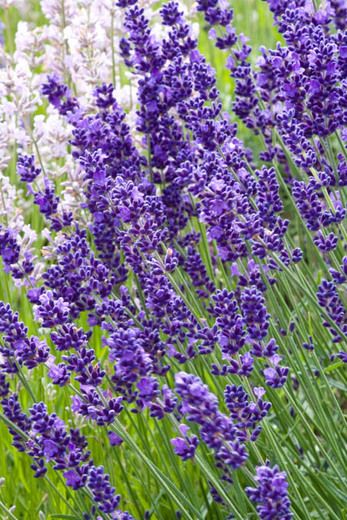
The best long-lasting lavender is often considered to be Lavandula angustifolia, commonly known as English lavender. This species is favored for its hardiness, fragrance, and ability to thrive in various environments. It has a robust growing habit and typically produces flowers that can last several weeks, making it a popular choice for gardens as well as for culinary and aromatic uses.
Benefits of Long-Lasting Lavender
The benefits of cultivating long-lasting lavender are numerous. This plant not only adds aesthetic appeal to gardens but also offers practical uses.
- Aromatic Qualities: Lavender is renowned for its soothing fragrance, which is frequently used in aromatherapy and candles.
- Culinary Uses: Its flowers and leaves can be used in cooking, adding unique flavors to various dishes.
- Pest Deterrent: Lavender naturally repels many common garden pests, thus protecting other plants.
Growing Conditions for Lavender
To achieve the best long-lasting lavender plants, optimal growing conditions are crucial. This species thrives in specific environmental settings.
- Well-drained Soil: Ensure that the soil has good drainage to prevent root rot.
- Full Sunlight: Lavender requires at least 6 to 8 hours of sunlight each day for optimal growth.
- Low Humidity: Excessive moisture can be detrimental, so it's best to grow lavender in areas with low humidity.
Pruning and Maintenance Tips
Regular pruning and maintenance can significantly extend the life and flowering period of lavender plants. Following these practices ensures lush growth and vibrant blooms.
- Annual Pruning: Cut back the plant by about one-third each year to promote new growth.
- Deadheading: Remove spent flowers to encourage further blooming.
- Watering Techniques: Water sparingly; allow the soil to dry out between watering sessions.
Popular Varieties of Long-Lasting Lavender
Several popular varieties of lavender are recognized for their longevity and hardiness. Identifying these can help gardeners select the best fit for their needs.
- Munstead Lavender: Compact and hardy, ideal for cottage gardens.
- Hidcote Lavender: Known for its dense, deep purple flower spikes and strong aroma.
- Provence Lavender: This variety is celebrated for its high oil content and culinary use.
Uses of Long-Lasting Lavender
Long-lasting lavender can be utilized in many ways beyond just ornamental purposes. The diverse applications of this plant enhance its appeal.
- Essential Oils: Extracts from lavender are used in perfumes, soaps, and essential oils.
- Herbal Remedies: Lavender has been traditionally used to relieve stress and anxiety.
- Decorative Arrangements: Dried lavender can be used in flower arrangements, sachets, and potpourri.
Questions from Our Readers
What is the best all year round lavender plant?
The best all year round lavender plant is generally considered to be Lavandula angustifolia, also known as English lavender. This variety is known for its hardiness and fragrance, making it a favorite among gardeners. It can thrive in various climates and conditions, providing beautiful blooms and a pleasant aroma throughout much of the year.
Can lavender survive winter?
Yes, lavender can survive winter, especially varieties like English lavender that are more cold-tolerant. With proper care and the right planting conditions, such as well-drained soil and a sunny location, lavender can withstand frost and maintain its health during the colder months.
See also:
How should I care for lavender plants?
To care for lavender plants, it’s important to ensure that they receive full sun for at least 6-8 hours a day, and that the soil is well-draining to prevent root rot. Regular pruning in the spring can help promote growth and maintain shape, while minimal watering is needed once the plant is established, as overwatering can harm lavender.
When does lavender bloom?
Lavender typically blooms from late spring to mid-summer, depending on the specific variety and climate conditions. During this time, you can expect to see an abundance of flowers, which not only adds visual beauty to your garden but also attracts pollinators like bees and butterflies.
If you want to read more articles like What is the best all year round lavender plant? A Complete Guide for Gardeners, we recommend you check out our Gardeners category.
Leave a Reply
Related Articles