How Much Should You Pay for Garden Maintenance? A Comprehensive Guide to Costs and Services
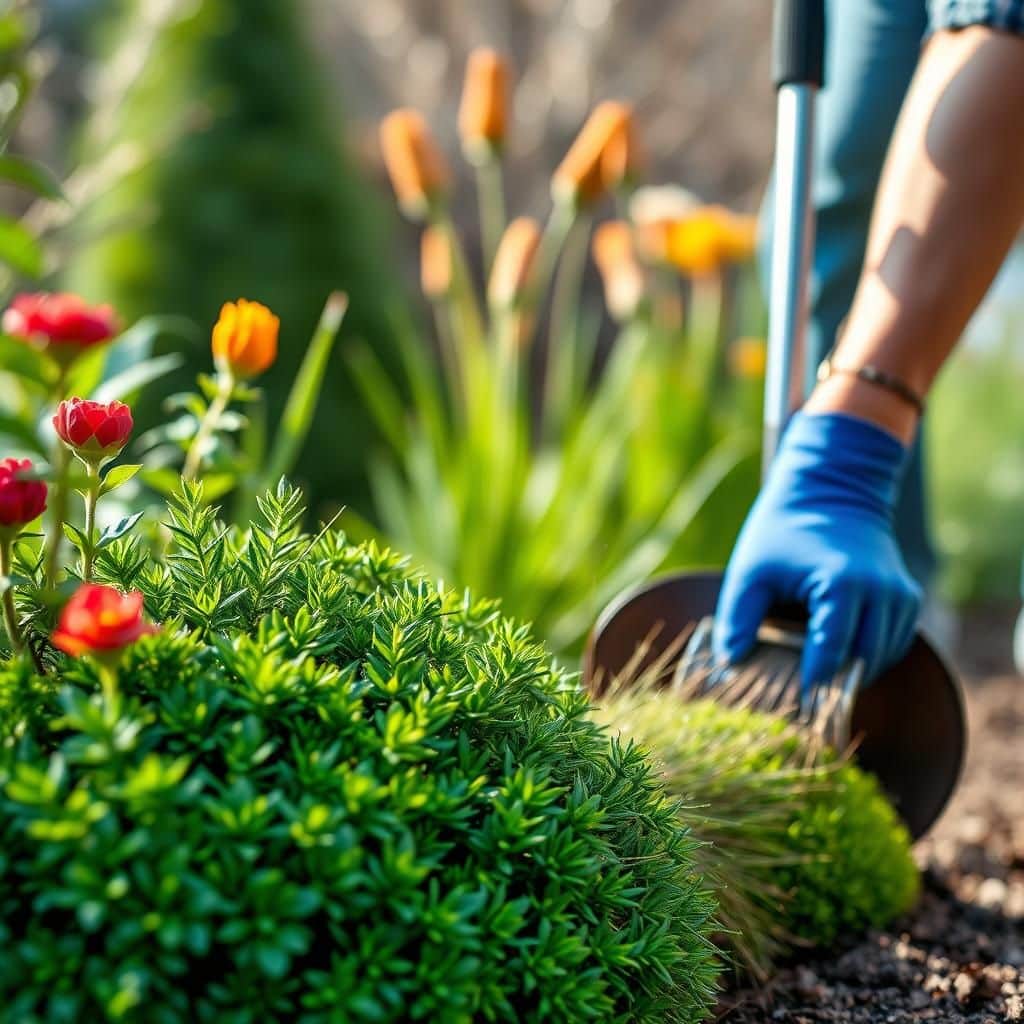
Maintaining a beautiful garden can enhance the aesthetics of your home and provide a serene outdoor space. However, understanding the costs associated with garden maintenance can be challenging. This comprehensive guide aims to help homeowners navigate the various factors that influence garden maintenance costs, including the size of your garden, types of services offered, and regional pricing differences. Whether you’re considering hiring a professional gardener or taking the DIY route, knowing what to expect financially will empower you to make informed decisions. Explore the essential services, average pricing, and tips to help you budget effectively for your garden's upkeep.
How Much Should You Pay for Garden Maintenance?
When considering garden maintenance, the costs can vary significantly based on several factors such as the size of your garden, the complexity of the landscaping, and your geographical location. Generally, you can expect to pay anywhere from $40 to $150 per hour for professional services, with the average cost often falling between $50 to $75 per hour. For regular maintenance, such as mowing, trimming, and clean-up, many service providers offer packages that can cost between $100 to $500 per month, depending on the frequency of visits and the scope of work required. It's important to obtain quotes from multiple providers to ensure that you are paying a fair rate for the work you need.
Factors Influencing Garden Maintenance Costs
Several factors can significantly impact the overall costs of garden maintenance. The size of your garden is one of the most prominent factors; larger gardens will naturally require more time and resources to maintain. Additionally, the type of vegetation and design complexity can also lead to increased costs. Gardens with specialized plants or elaborate landscaping can necessitate more expertise and care, driving up rates. Local market rates can also influence costs, as in some regions, professional services can be more or less expensive based on demand and availability.
Average Hourly Rates for Garden Services
The average hourly rate for garden maintenance services typically ranges from $40 to $150, depending on various factors like location and the provider's expertise. For instance, in urban areas, you may encounter higher rates due to increased demand for services. Conversely, rural or suburban areas might see lower prices due to less competition. It is essential to keep in mind that different services, such as landscaping, irrigation, or pest control, may have varying hourly rates based on their complexity and time required.
Types of Garden Maintenance Services
Garden maintenance encompasses a variety of services, including mowing, trimming, weeding, fertilization, and mulching. Each of these services has its associated costs, which can be charged either on an hourly basis or as part of a service package. Regular services, such as mowing and trimming, may be offered at a lower rate if bundled together as part of a weekly or monthly maintenance plan. Other services, like seasonal clean-up or landscape design, may incur higher costs due to the expertise and materials required.
Comparing Quotes from Service Providers
To ensure you are receiving the best value for your garden maintenance, it is advisable to compare quotes from multiple service providers. When obtaining quotes, be sure to ask about what services are included in the price and whether there are any additional fees for specific tasks. Some providers may charge a flat rate for certain maintenance tasks, while others might operate on an hourly basis, which can make a significant difference in total costs. It's also helpful to read reviews and verify the qualifications of the service providers before making a decision.
Cost-Saving Tips for Garden Maintenance
There are several ways to save money on garden maintenance without compromising the quality of care your garden receives. One effective strategy is to adopt a DIY approach, especially for routine tasks like mowing and weeding, which can significantly reduce labor costs. Additionally, scheduling maintenance during the off-peak season may yield better rates as fewer people are seeking services at that time. You might also consider engaging a neighborhood service or co-op to share the costs of maintenance across multiple homes, allowing for bulk rate discounts.
| Service Type | Average Cost |
|---|---|
| Basic Lawn Mowing | $40 - $75 per visit |
| Garden Clean-Up | $100 - $300 per visit |
| Weekly Maintenance Plan | $200 - $500 per month |
| Specialized Landscaping | $50 - $150 per hour |
| Pest Control Services | $80 - $200 per visit |
How much does it cost to maintain a garden?
To maintain a garden, the cost can vary significantly based on several factors, including the size of the garden, the types of plants, and the level of maintenance required. On average, a small garden may cost between $100 to $500 per year, while larger or more complex gardens can range from $500 to $2,000 or more annually. Below is a detailed breakdown of the various factors contributing to garden maintenance costs.
Labor Costs
Labor is a significant part of the overall cost of maintaining a garden. Depending on whether you hire a professional or do the work yourself, expenses will vary.
- If you hire a professional landscaper, expect to pay anywhere from $50 to $150 per hour.
- For regular maintenance (e.g., mowing, weeding), garden services might charge a monthly fee ranging from $100 to $400 based on the garden's size.
- DIY maintenance can save costs but requires time commitment and expertise to achieve desired results.
Materials and Supplies
The materials needed for maintaining a garden can include fertilizers, mulch, soil amendments, and gardening tools, all of which contribute to the overall cost.
- Fertilizers and soil amendments may cost between $20 to $100 annually, depending on the area of the garden.
- Mulch can cost approximately $30 to $100 per yard, and you may need 1-3 yards annually.
- Basic gardening tools (shovels, rakes, etc.) can be a one-time expense of about $100 to $300 if not already owned.
Watering Costs
Watering your garden is essential, and the costs will depend on your local water rates and the size of your garden.
- On average, garden watering can add $20 to $100 to your utility bill each month during the growing season.
- Implementing drip irrigation systems can have upfront costs of between $200 to $1,000, but may lower water usage in the long run.
- Collecting rainwater for irrigation can help reduce water bills and may require initial setup costs of around $100 to $500.
Pest Control and Prevention
Pest control is a necessary expense to keep your plants healthy and productive.
See also:
- Organic pest control methods can range from $50 to $200 per season, depending on the products used.
- Hiring professionals for pest management may cost between $200 to $600 for regular inspections and treatments.
- Preventive measures such as installing barriers or encouraging beneficial insects can have variable initial costs but lower long-term pesticide needs.
Seasonal Upkeep
Different seasons require different levels of maintenance, which may fluctuate your costs.
- Spring planting can cost around $200 to $600 for new flowers, shrubs, or trees, depending on what you choose.
- Fall prep (e.g., mulching, cleaning) typically incurs costs of $100 to $300 depending on the extent of work needed.
- Winterizing your garden might require additional materials, costing around $50 to $200 for protective coverings or other methods.
How much does a gardener charge per week?

The cost of hiring a gardener can vary widely depending on several factors such as location, the gardener's experience, the size of the garden, and the types of services provided. On average, a gardener might charge anywhere from $30 to $100 per week. Here’s a more detailed breakdown of potential costs:
Factors Affecting Gardener Charges
The cost of hiring a gardener can depend on various factors:
- Location: Prices can vary by region; urban areas typically charge more than rural ones.
- Experience: A gardener with extensive experience and credentials may charge higher rates.
- Size of the garden: Larger gardens often require more time and resources, increasing costs.
- Type of services: Basic maintenance may cost less than specialty services like landscaping or tree care.
- Frequency of service: Regular weekly maintenance might be priced differently than one-time projects.
Average Weekly Rates
The average weekly rates for gardeners can offer a general idea of what to expect:
- Basic Services: For basic maintenance such as mowing, trimming, and weeding, rates typically range from $30 to $60 per week.
- Mid-Range Services: For more comprehensive services, including planting and seasonal cleanup, costs can fall between $60 and $80 per week.
- Premium Services: Specialized services or larger projects can lead to charges of $80 to $100 or more per week.
Types of Gardening Services
Gardening encompasses a wide array of services, which can affect pricing:
- Lawn Care: Regular mowing and edging are often included in weekly rates.
- Plant Care: Pruning, fertilizing, and pest control may be additional services offered.
- Landscaping: Design and installation of hardscapes and softscapes typically require separate billing.
- Seasonal Cleanups: Preparing gardens for winter or spring can involve additional fees.
- Tree Work: Services related to tree trimming or removal are generally beyond basic gardening and carry higher costs.
Negotiating Gardener Fees
It's possible to negotiate fees with a gardener based on specific needs:
- Service Bundling: Consider bundling multiple services to negotiate a better rate.
- Long-term Contracts: Committing to weekly service over several months may secure a discount.
- Off-Season Services: Hiring during off-peak seasons could lead to lower prices as demand decreases.
- Communication: Clearly outline your expectations and budget to facilitate negotiations.
- Research: Compare rates of various gardeners to find the best fit for your budget.
Tips for Hiring a Gardener
When hiring a gardener, consider these important tips:
- Check References: Look for reviews and ask for references to gauge past performance.
- Verify Credentials: Confirm that they have the necessary experience and qualifications.
- Get Multiple Quotes: Contact several gardeners to compare prices and services offered.
- Discuss Services in Detail: Ensure clarity on what is included in the weekly fee.
- Set Clear Expectations: Communicate your specific gardening needs and desired outcomes up front.
What is considered garden maintenance?
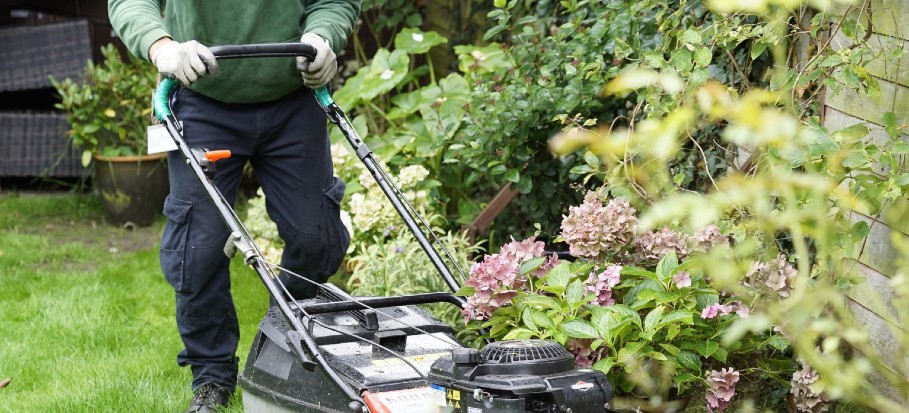
Garden maintenance encompasses a range of activities performed to keep outdoor spaces healthy and aesthetically pleasing. It involves regular upkeep and care of plants, soil, and garden features to ensure that the garden flourishes throughout the seasons. Effective garden maintenance can enhance the beauty of the landscape and contributes to the overall health of the environment.
Importance of Regular Pruning
Regular pruning is a critical aspect of garden maintenance that involves trimming and shaping plants to promote healthy growth. Pruning helps to remove dead or diseased branches, which can prevent the spread of pests and diseases. Moreover, it encourages better airflow and sunlight penetration, essential for plant vitality.
- Prevention of diseases: Removing infected branches reduces the risk of contagion.
- Encouragement of new growth: Pruning stimulates the production of new buds and leaves.
- Improved aesthetics: A well-pruned garden looks tidier and more attractive.
Weeding Techniques
Weeding is another vital component of garden maintenance, as it prevents unwanted plants from competing with the desired flora for nutrients and resources. Effective weeding can be done manually or using tools, and it helps to maintain the garden's overall health.
- Hand weeding: This technique involves pulling weeds by hand, ensuring no roots are left behind.
- Mulching: Applying mulch suppresses weed growth while retaining soil moisture.
- Herbicides: Chemical control may be necessary for persistent weeds, but should be used with caution.
Soil Health Management
Maintaining healthy soil is fundamental to garden maintenance. Healthy soil provides the necessary nutrients and support for plants to thrive. Regular testing and amendments are essential for optimal soil conditions.
See also:
- Soil testing: Conducting tests to assess pH, nutrient levels, and organic matter content.
- Addition of compost: Enriching soil with compost improves its structure and nutrient availability.
- Crop rotation: Rotating crops helps to prevent nutrient depletion and pest build-up.
Irrigation and Water Management
Proper irrigation is critical for maintaining a healthy garden. Watering techniques and schedules must be adjusted according to the needs of different plants and the climate. Inefficient watering can lead to plant stress or disease.
- Drip irrigation: This efficient method delivers water directly to the roots, minimizing waste.
- Rainwater harvesting: Collecting rainwater for irrigation helps conserve resources.
- Regular monitoring: Checking soil moisture levels ensures that plants receive adequate hydration.
Seasonal Plant Care
Seasonal plant care refers to specific tasks that must be performed throughout the year to ensure the garden's success. Each season brings its own set of challenges and needs for the plants.
- Spring planting: Preparing soil and planting new seeds or seedlings to kick-start growth.
- Autumn clean-up: Clearing debris and preparing plants for the winter helps reduce disease risk.
- Winter protection: Using covers or mulch can protect sensitive plants from frost damage.
How much does it cost to clean your garden?

The cost of cleaning your garden can vary greatly depending on several factors. Generally, homeowners can expect to pay anywhere from $50 to $500 for garden cleaning services. The final price will depend on the size of the garden, the extent of work required, and the local market rates. Here are some key considerations that influence the cost:
Factors Influencing Garden Cleaning Costs
Costs can be influenced by various factors, including:
- Size of the Garden: Larger gardens will require more time and labor, leading to higher costs.
- Type of Cleaning Services: Depending on whether you need simple tidying up or more extensive services like landscaping.
- Location: Prices can vary significantly based on regional demand for gardening services.
Average Costs for Different Garden Sizes
Average costs can vary by garden size:
- Small Gardens: Typically can cost between $50 and $150 for basic cleaning.
- Medium Gardens: Costs often range from $150 to $300 depending on cleanliness and needs.
- Large Gardens: Expect to pay from $300 to $500 or more, especially if additional services are required.
Types of Services Offered
Different types of services can affect pricing:
- General Clean-Up: Involves removing debris, leaves, and other organic waste.
- Landscaping Services: May include planting, mulching, and designing spaces.
- Pest Control and Maintenance: Additional costs for treating plants and maintaining pest-free environments.
DIY vs. Professional Cleaning Costs
When considering costs, it’s important to compare DIY and professional services:
- DIY Materials: While doing it yourself might save on labor, you will need to purchase equipment and supplies.
- Time Investment: Consider the time you’ll spend compared to hiring professionals.
- Skill Level: Professional services often ensure better results if you lack gardening knowledge.
Seasonal Pricing Variations
The time of year can also impact costs:
- Spring Cleaning: Often the busiest season, with higher demand and prices.
- Off-Season Discounts: You may find deals in the fall or winter when demand decreases.
- Preparation for Events: Prices might increase before holidays or events when gardens need to look their best.
Questions from Our Readers
How much do garden maintenance services typically cost?
Typically, garden maintenance services can range from $50 to $150 per visit, depending on factors like the size of your garden, the specific services needed, and your geographic location. Some providers may also offer monthly contracts that can reduce the cost per visit.
What factors influence the cost of garden maintenance?
Several factors influence the cost of garden maintenance, including the size of the garden, the types of plants and landscaping features, the frequency of service, and any additional tasks required, such as lawn care or tree trimming. Custom requests can also lead to variations in pricing.
Are there ways to reduce garden maintenance costs?
Yes, you can reduce garden maintenance costs by regularly maintaining your garden yourself, choosing native plants that require less care, and opting for seasonal contracts instead of year-round services. Additionally, scheduling services during off-peak times can sometimes result in lower rates.
How often should I schedule garden maintenance?
The frequency of garden maintenance largely depends on the type of garden and your personal preferences. Generally, bi-weekly or monthly maintenance is adequate for most gardens, while more complex or larger gardens may require weekly services to keep them in optimal condition.
See also:
If you want to read more articles like How Much Should You Pay for Garden Maintenance? A Comprehensive Guide to Costs and Services, we recommend you check out our Gardeners category.
Leave a Reply
Related Articles