Do I need a trellis for a Mandevilla plant? Essential Guide to Support and Care
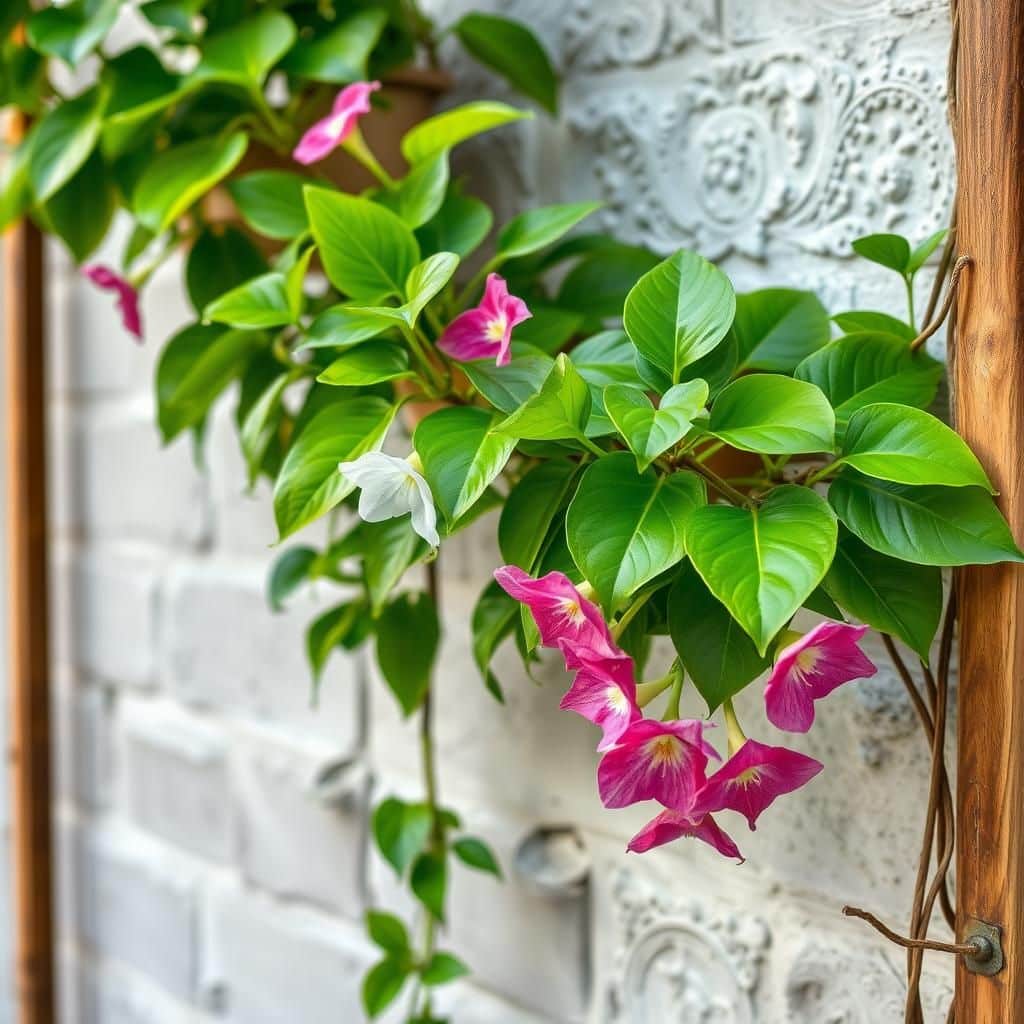
When it comes to cultivating the stunning Mandevilla plant, understanding its growth habits is essential for ensuring its health and vibrancy. Known for its vibrant flowers and climbing nature, many gardeners find themselves asking: do I need a trellis for my Mandevilla? This guide aims to provide crucial insights into the support and care required for this beautiful plant. From the benefits of using a trellis to tips on proper maintenance, readers will learn how to create an ideal environment for their Mandevilla to flourish, enhancing both its aesthetic appeal and overall growth.
Do I Need a Trellis for a Mandevilla Plant?
Using a trellis for a Mandevilla plant is highly recommended, as these vibrant climbing plants naturally seek vertical support for their growth. A trellis provides the necessary structure that allows the Mandevilla to climb, promoting healthier growth and more abundant flowering. When given a support system, the plant can extend its vines upwards, which not only improves sunlight exposure but also allows for better air circulation. Overall, having a trellis can enhance the aesthetic appeal of the plant and its surroundings by displaying its stunning blooms against a backdrop of vertical gardening.
Benefits of Using a Trellis
A trellis offers numerous benefits for your Mandevilla plant. It helps to keep the plant upright, preventing it from sprawling on the ground where it could become damaged or infested with pests. Additionally, the use of a trellis helps to maximize sunlight exposure, allowing the plant to photosynthesize effectively, which is crucial for its growth. Furthermore, when trained onto a trellis, the Mandevilla can display its beautiful flowers more prominently, creating a striking visual effect in your garden.
Types of Trellises for Mandevilla
There are various types of trellises suited for a Mandevilla plant. Options range from wooden lattice structures to metal grid systems and even decorative arches. When choosing a trellis, consider the size and weight of your Mandevilla at maturity, as well as the design that harmonizes with your garden's aesthetic. A strong and sturdy trellis will ensure the plant can thrive as it climbs, providing the necessary support for its heavy blooms and robust vines.
How to Train a Mandevilla on a Trellis
Training a Mandevilla on a trellis involves gently guiding the vines towards the support structure. Begin by securing the main stems to the trellis using soft ties or garden twine, ensuring not to damage the plant. As the plant grows, continue to guide the new growth upwards, attaching it to the trellis as needed. Regularly checking the attachment points and adjusting as the plant expands is crucial for maintaining a tidy and organized appearance.
Potential Issues Without a Trellis
Without a trellis, a Mandevilla plant may face several issues. The lack of support can lead to sprawling, which makes the plant more susceptible to disease and pest infestations. When lying flat on the ground, the vines may become tangled and overshadowed by surrounding plants, limiting their access to sunlight. Additionally, flowers may not bloom as effectively without vertical space, leading to fewer blossoms compared to those grown on a trellis.
Seasonal Care for Trellised Mandevilla
Caring for a Mandevilla plant grown on a trellis varies with the seasons. During the growing season, ensure that the plant receives adequate water and nutrients to support its climbing growth. In the fall, pruning may be necessary to maintain its shape and health as it prepares for winter dormancy. Additionally, provide support and protection from harsh weather conditions that could stress the trellis structure or the plant itself, ensuring it remains healthy throughout the year.
| Treillis Type | Material | Durability |
|---|---|---|
| Wooden Lattice | Wood | Moderate |
| Metal Grid | Metal | High |
| Vinyl Trellis | Vinyl | High |
| Decorative Arch | Metal/Wood | Moderate to High |
Can you grow Mandevilla without a trellis?
:strip_icc()/bhg-102668675.tif-d6e206793442450a82b276be4276e632.jpg)
Yes, you can grow Mandevilla without a trellis, although it may require some specific care and management to ensure that the plant thrives. Mandevilla is known for its vibrant flowers and climbing nature, but it is also adaptable. When grown without support structures, Mandevilla will sprawl along the ground or other surfaces, which can lead to a different aesthetic and care routine.
Understanding Mandevilla Growth Habits
Mandevilla is a tropical plant that typically grows as a vine, reaching up to 10 feet in height when given the right support. Without a trellis, however, its growth can be more bush-like as it will not have the vertical space to climb. In this situation, it's crucial to provide a wide enough area for the plant to spread out and still flourish. Growth habits to consider include:
- Spreading vine growth
- Need for sunlight exposure
- Regular pruning for manageable shape
Soil Requirements for Ground-Grown Mandevilla
When growing Mandevilla without a trellis, the soil type becomes increasingly important. The plant prefers well-draining soil that retains some moisture but does not become waterlogged. Consider these soil tips for optimal growth:
- Use a potting mix that contains peat moss for moisture retention.
- Incorporate perlite or sand for improved drainage.
- Maintain a slightly acidic to neutral pH level (around 6.0 to 7.0).
Watering Practices for Mandevilla
Watering is a vital aspect of maintaining healthy Mandevilla when it is grown without a trellis. Without the support of a trellis, the plant may be more susceptible to rot if overwatered. Important watering practices include:
- Water deeply, allowing the top inch of soil to dry out before the next watering.
- Reduce watering frequency during the winter months when the plant is dormant.
- Observe the leaves for signs of underwatering (drooping) or overwatering (yellowing).
Fertilizing Mandevilla Without a Trellis
Fertilization is essential for promoting healthy growth and vibrant blooms, even in ground-grown Mandevilla. When cultivating without a trellis, proper fertilization techniques become even more crucial. Recommendations for fertilizing include:
See also: Can a Trellis Be Free Standing? Exploring the Benefits and Design Ideas
- Use a balanced, slow-release fertilizer during the growing season (spring and summer).
- Avoid fertilizing in the fall and winter when the plant is inactive.
- Consider liquid fertilizers every four to six weeks to boost flowering.
Pest and Disease Management for Mandevilla
Pests and diseases can pose a risk to Mandevilla, particularly when it is sprawling on the ground. Effective management practices can help protect the plant. Key considerations are:
- Regularly inspect the leaves for aphids, spider mites, and mealybugs.
- Remove any affected leaves to prevent disease spread.
- Use organic insecticidal soap if a larger infestation occurs.
Do mandevillas need something to climb?
:strip_icc()/mandevilla-vine-porch-268157aa-7bc795b57de544058619ee8af963e2be.jpg)
Yes, mandevillas do need something to climb. These tropical vines are known for their beautiful, trumpet-shaped flowers and can grow quite vigorously. They are natural climbers, which means they thrive when given a structure to support their stems and leaves. Climbing not only helps them to grow better but also allows for optimal exposure to sunlight, which is essential for their blooming and overall health.
Why Mandevillas Need Support
Mandevillas are vining plants that naturally seek vertical growth. They utilize their stems to climb up structures, which helps them reach sunlight more effectively. This upward growth is important for several reasons:
- Light Access: Climbing enables mandevillas to capture more light, which is crucial for photosynthesis.
- Air Circulation: Elevating the plant can improve airflow around the foliage, reducing the risk of disease.
- Space Management: Providing something to climb on helps to maximize garden space, especially in smaller areas.
Types of Supports for Mandevillas
Different types of supports can be used for mandevillas, allowing for flexibility in how they are grown. Some popular options include:
- Trellises: These are classic supports that provide a structure for the vines to cling to as they grow.
- Arbors: Larger structures can create a stunning display for mandevillas, especially when used in entryways.
- Fence Panels: Mandevillas can easily climb on fences, adding beauty to private garden spaces.
How to Train Mandevillas to Climb
Training mandevillas to climb is a straightforward process that involves gently guiding the vines. Here are steps to follow:
- Select a Support: Choose an appropriate climbing structure based on the space and aesthetic.
- Guide the Vines: Initially, gently wrap the young vines around the support to encourage them to climb.
- Secure with Twine: Use soft twine or plant ties to hold the vines in place if needed, especially in windy conditions.
Benefits of Climbing for Mandevillas
Providing something for mandevillas to climb offers several benefits that enhance the plant’s growth and health:
- Improved Blooming: Mandevillas that climb tend to produce more flowers due to increased sunlight and energy.
- Reduced Stress: Climbing helps distribute weight better, reducing stress on the stems.
- Aesthetic Appeal: Vining growth can create beautiful displays, adding charm to garden landscapes.
Potential Issues Without Support
If mandevillas are not given something to climb, several problems may arise:
- Less Blooms: Without climbing, they may not get enough sunlight, which can result in fewer flowers.
- Weak Stems: Vining plants may become floppy and weak without proper support, impacting their overall health.
- Pest and Disease Risks: Crowded and low-growing plants are more susceptible to pests and diseases due to poor air circulation.
What is the best support for Mandevilla?
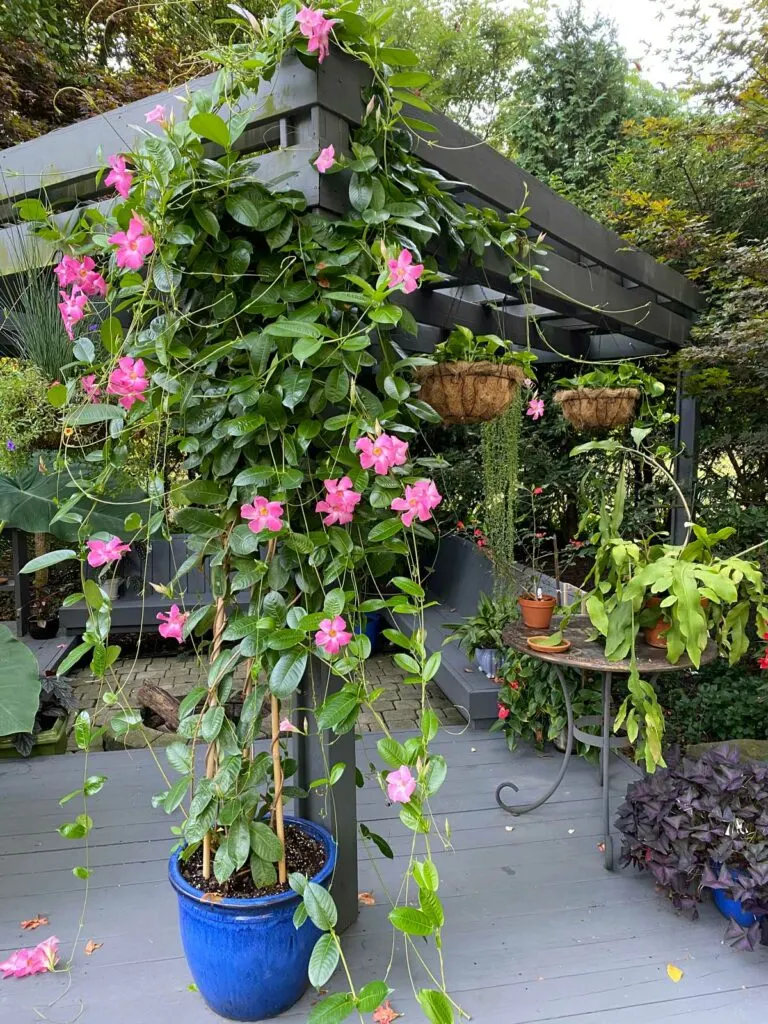
Mandevilla plants thrive on support structures that allow their climbing habit to flourish while providing stability and enhancing their aesthetic appeal. The best supports for Mandevilla include trellises, arches, and pergolas. These structures not only support the plant's growth but also create an attractive garden focal point.
Types of Supports for Mandevilla
Mandevilla can benefit from various types of support, tailored to fit your garden's needs and available space. Here are some suitable options:
- Trellises: These are vertical frames that allow the plant to climb and spread out, providing excellent support.
- Arches: Arched supports add a decorative touch, allowing the Mandevilla to grow beautifully overhead.
- Pergolas: A pergola not only supports Mandevilla but also creates a shaded area, enhancing outdoor spaces.
Material Considerations
Choosing the right material for the support structure is crucial for the health and growth of Mandevilla. The following materials are commonly used:
- Wood: Aesthetically pleasing and sturdy, wooden supports blend well with natural gardens.
- Metal: Metal supports are durable and can support heavier vines; they also come in various designs.
- Plastic: Lightweight and easy to install, plastic supports are budget-friendly but may not be as long-lasting.
Height and Design
The height and design of the support are essential for the optimal growth of Mandevilla. Consider these aspects:
See also:
- Height: Supports should be at least 6-8 feet tall, allowing the Mandevilla to grow to its full potential.
- Design: Choose a design that complements your landscape while offering enough surface area for the plant to cling to.
- Stability: Ensure the support structure is stable enough to sustain the plant's weight, especially when in bloom.
Installation Tips
Proper installation of the support structure can significantly affect the growth of Mandevilla. Keep these tips in mind:
- Placement: Position the support in a location that receives plenty of sunlight, which is essential for Mandevilla’s growth.
- Securing: Use strong ties or plant clips to secure the Mandevilla to the support structure as it grows.
- Accessibility: Ensure that the support is accessible for maintenance, such as pruning and watering.
Maintenance of Support Structures
Regular maintenance of your support structures is vital for the health of Mandevilla. Focus on the following maintenance aspects:
- Inspect for Damage: Regularly check for any deterioration or damage to the support, especially for wooden structures.
- Cleaning: Keep the support clean from debris, which can promote pest infestations.
- Adjusting Ties: Reassess and adjust ties or clips as the plant grows to prevent damage to the stems.
Do mandevillas do well in pots?
Mandevillas are indeed suitable for growing in pots, making them an excellent choice for container gardening enthusiasts. These tropical plants thrive in well-drained soil and require ample sunlight, making pots an ideal medium to control their growing conditions. Here are some detailed aspects regarding their suitability for pot cultivation.
Benefits of Growing Mandevillas in Pots
Container gardening offers numerous advantages for mandeillas. Growing them in pots allows for better soil management and mobility to adjust their exposure to sunlight. Some of the primary benefits include:
- Controlled Environment: Containers enable you to manage the soil quality and moisture levels effectively.
- Mobility: Potted mandevillas can be moved to optimized light spots or sheltered from harsh weather conditions.
- Space Management: Ideal for small spaces, pots allow you to enjoy these stunning blooms without the need for a garden bed.
Choosing the Right Pot for Mandevillas
Selecting an appropriate pot is crucial for the health of your mandevidas. Consider the following factors when choosing a pot:
- Size: A larger pot provides ample space for root growth and prevents constriction.
- Material: Heavier materials like ceramic or terracotta retain moisture better than plastic pots.
- Drainage: Ensure your pot has adequate drainage holes to prevent root rot.
Soil Requirements for Potted Mandevillas
The type of soil used can significantly impact the growth of mandevidas in pots. Opt for a well-draining potting mix that caters to their specific needs:
- Drainage: Use a mix designed for container plants that promotes drainage.
- Nutrients: Incorporate slow-release fertilizers to provide essential nutrients.
- pH Level: Aim for a slightly acidic to neutral pH range for optimal growth.
Watering Practices for Potted Mandevillas
Proper watering is essential to maintain the health of your potted mandevidas. Here are key practices to keep in mind:
- Frequency: Water regularly, ensuring the soil remains consistently moist but not soggy.
- Water Quality: Use room-temperature water to avoid shocking the roots.
- Drainage Check: Ensure excess water drains out of the pot to prevent root suffocation.
Supporting Mandevillas in Pots
As climbing plants, mandevidas require support when grown in pots. Here are ways to provide adequate support:
- Trellises: Use trellises or garden stakes to guide the vines upwards.
- Twine or Clips: Secure the stems gently with soft twine or plant clips.
- Regular Pruning: Engage in regular pruning to encourage bushier growth and more blooms.
Questions from Our Readers
Do I need a trellis for a Mandevilla plant?
Yes, a trellis is highly recommended for a Mandevilla plant as it provides structural support for the vining growth of the plant. This encourages healthy development and allows the plant to showcase its beautiful flowers more effectively when climbing.
What type of trellis is best for Mandevilla?
The best type of trellis for a Mandevilla plant is one that is sturdy and allows for flexible training. Options like wooden, metal, or even plastic trellises can work well, and it's important that the trellis is at least 6-8 feet tall to accommodate the plant's growth.
Can Mandevilla grow without a trellis?
While a Mandevilla plant can grow without a trellis, it may become leggy and less attractive as it will not have the support to climb. Without a trellis, the plant may spread out more, but it won't display its vibrant blooms as effectively.
How can I train my Mandevilla to climb a trellis?
To train your Mandevilla to climb a trellis, gently wrap the vines around the trellis using soft ties if necessary. Regularly check the growth and adjust the vines, ensuring that they have ample light and support as they grow upward.
See also:

If you want to read more articles like Do I need a trellis for a Mandevilla plant? Essential Guide to Support and Care, we recommend you check out our Trellis category.
Leave a Reply
Related Articles