What are the Negatives of Artificial Grass? Explore the Hidden Downsides!
As artificial grass becomes an increasingly popular alternative to natural lawns, it's essential to shed light on the potential drawbacks that may not be immediately apparent. While synthetic turf offers benefits such as low maintenance and year-round greenery, there are hidden downsides that homeowners and landscapers should consider. From environmental concerns to issues of safety and longevity, the trade-offs of installing artificial grass can be significant. In this article, we will explore the negatives of artificial grass, allowing you to make an informed decision before investing in this landscaping option.
What Are the Negatives of Artificial Grass?
Artificial grass, while offering various benefits such as low maintenance and year-round usability, also has notable negatives that homeowners and facility managers should consider. One major issue is heat retention, as artificial turf can become significantly hotter than natural grass, leading to uncomfortable conditions for both pets and people, especially in sunny environments. Furthermore, some types of artificial grass are made with non-biodegradable materials, raising environmental concerns about their long-term impact. There are also potential health risks associated with the infill materials used in some artificial turf, which may contain harmful chemicals. Moreover, the initial installation costs can be high, and while the maintenance is reduced over time, repairs can be complex and costly if damage occurs. Lastly, artificial turf can create a less natural playing surface, potentially affecting the performance of athletes and players.
Heat Retention Issues
Artificial grass tends to absorb and retain heat more than natural grass, which can make it uncomfortable for people walking or playing on it. On hot days, the surface temperature of artificial turf can reach extreme levels, posing a risk of heat exhaustion or burns, particularly for pets and children. This problem is exacerbated in areas with significant sunlight, where the turf can become dangerously hot. Some manufacturers offer products with better heat mitigation, but consumers must be aware of this potential drawback when selecting materials.
Environmental Concerns
The composition of artificial grass often includes synthetic fibers that are not biodegradable, leading to long-term waste issues. Decomposing natural grass contributes to soil health, whereas artificial surfaces can disrupt local ecosystems and contribute to pollution when disposed of incorrectly. Additionally, the production and transportation of these materials consume resources and energy, adding to their carbon footprint. While some companies are researching more sustainable options, traditional artificial grass remains a concern for environmentally conscious consumers.
Health Risks from Infill Materials
Many artificial grass installations utilize infill materials such as crumb rubber, made from recycled tires. Concerns have been raised about the potential exposure to toxic chemicals and heavy metals found in these products. Studies have been inconclusive, but the risk of exposure through skin contact or inhalation during play is a point of contention among parents and health officials. Choosing non-toxic, organic infill options can mitigate some concerns, but awareness is critical for users of artificial grass.
High Initial Installation Costs
While artificial grass can save on maintenance costs over time, the initial installation expense is often high. Prices may vary significantly based on the quality of the turf, preparation of the base, and labor costs. Homeowners should be prepared for a significant upfront investment, which might deter some from considering this option despite its long-term savings potential. Evaluating the return on investment becomes essential in deciding whether artificial grass is the right choice for a specific property.
Impact on Athletic Performance
Athletes often report differences in performance when transitioning from natural grass to artificial surfaces. The playing experience can feel altered, impacting traction, foot stability, and even increasing the risk of injuries. While advances in turf technology aim to create more natural-feeling surfaces, the fact remains that not all athletes adapt well to artificial pitches, particularly in sports that rely heavily on natural grass for optimal play. Understanding these dynamics is vital for institutions and clubs that prioritize athlete performance.
| Negative Aspect | Description |
|---|---|
| Heat Retention | Artificial turf can become significantly hotter than natural grass. |
| Environmental Concerns | Non-biodegradable materials contribute to long-term waste issues. |
| Health Risks | Potential exposure to toxic chemicals from infill materials. |
| High Installation Costs | Initial costs for installation can be significantly high. |
| Athletic Performance | Impact on performance and potential increase in injuries. |
Are there any downsides to artificial grass?
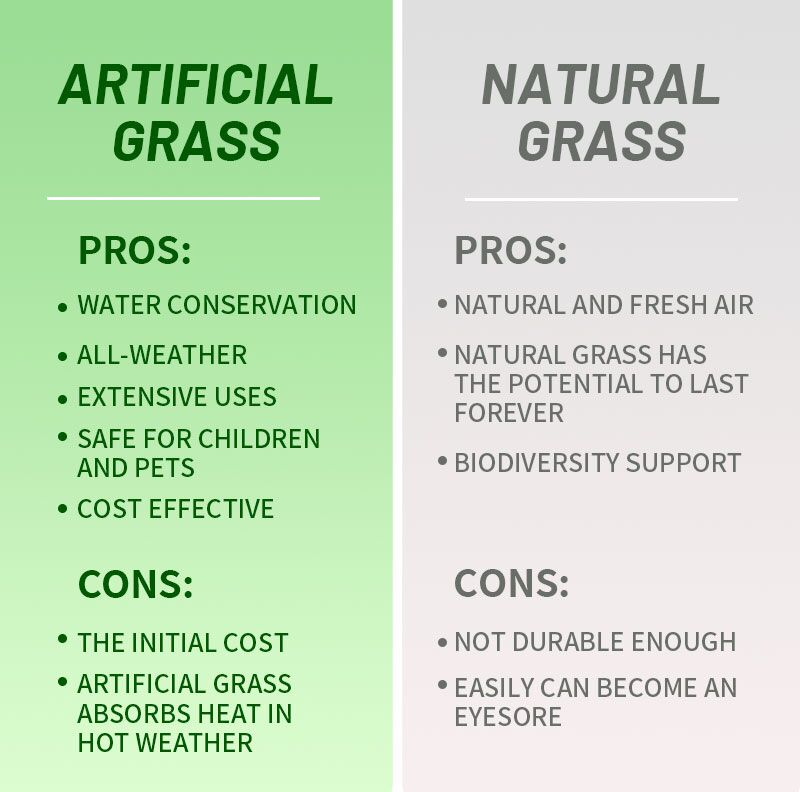
Artificial grass has gained popularity as an alternative to natural grass for various applications such as residential lawns, sports fields, and recreational areas. However, there are certain downsides associated with its use that should be considered.
Initial Cost
The upfront cost of installing artificial grass can be significantly higher than that of natural grass. This initial investment may deter some homeowners and businesses from opting for this solution.
See also:
- Material Costs: The cost of the artificial turf itself can vary widely depending on quality and installation.
- Installation Expenses: Professional installation is often recommended, which adds to the overall expense.
- Long-Term Investment: Although it saves money on maintenance, the initial investment can be a barrier.
Heat Retention
One major concern with artificial grass is its tendency to retain heat, making it significantly hotter than natural grass. This can be particularly problematic in warmer climates or during summer months.
- Surface Temperature: The turf can reach temperatures much higher than surrounding areas, posing a risk to both pets and children.
- Comfort Level: Walking or playing on artificial grass can be uncomfortable during hot weather.
- Usage Restrictions: Increased heat can limit when the area can be used.
Environmental Impact
The environmental implications of artificial grass installations cannot be overlooked. Although it reduces water usage, it introduces other concerns regarding sustainability.
- Non-Biodegradable Materials: Many artificial grasses are made from plastics that do not decompose.
- Disposal Issues: At the end of its lifespan, disposal can be a challenge and contribute to landfill waste.
- Resource-Intensive Production: The production process of artificial turf can also consume significant resources.
Limited Lifespan
Though artificial grass is marketed as low-maintenance, it does have a limited lifespan that varies based on usage and quality.
- Wear and Tear: High-traffic areas can lead to quicker degradation of the turf.
- Maintenance Requirements: Even artificial grass requires some cleaning and maintenance to prevent mold and odor.
- Replacement Costs: Eventually, the turf will need replacement, leading to additional costs.
Potential Health Concerns
There are potential health concerns related to artificial grass, primarily due to the materials used in its production.
- Chemical Exposure: Some artificial grasses might contain harmful chemicals like lead or other toxins.
- Allergies: Certain individuals may experience allergic reactions to the synthetic materials.
- Heat and Injury Risks: The hard surface can increase the risk of injuries during physical activities.
What is the problem with artificial grass?
Artificial grass has gained popularity for its low maintenance and aesthetic appeal; however, it comes with a range of problems that are often overlooked. Below are some significant issues associated with artificial grass.
Environmental Impact
The production and disposal of artificial grass can have a serious environmental impact. Unlike natural grass, which acts as a carbon sink and habitat for wildlife, synthetic turf does not provide these benefits.
- Production Process: The production of artificial grass typically involves petroleum products, contributing to fossil fuel consumption and increased carbon emissions.
- Non-Biodegradability: Once an artificial turf reaches the end of its life cycle, it can take hundreds of years to decompose in landfills.
- Heat Retention: Artificial grass can contribute to the urban heat island effect, making surrounding areas significantly warmer compared to natural grass.
Health Concerns
There are various health concerns associated with artificial grass, particularly regarding the materials used in its production and maintenance.
- Inhalation of Chemicals: Some synthetic grasses contain harmful chemicals such as lead and cadmium, which can be inhaled or absorbed through the skin.
- Increased Risk of Injuries: The surface of artificial grass can be hard and unforgiving, leading to a higher risk of injuries such as abrasions and sprains.
- Heat Stress: Artificial turf can become extremely hot in direct sunlight, posing a risk of heat-related illnesses for athletes and pets.
Maintenance Challenges
While artificial grass is often marketed as a low-maintenance solution, it does require upkeep that can be labor-intensive and costly.
- Cleaning Debris: Leaves, dirt, and other debris can accumulate on artificial grass, necessitating regular cleaning to prevent weed growth and odors.
- Brushing and Raking: To maintain the appearance and structure of the grass fibers, frequent brushing and raking are needed which can be time-consuming.
- Replacement Costs: Over time, certain areas may wear out and require patching or complete replacement, leading to unforeseen expenses.
Economic Considerations
The initial investment in artificial grass can be high, and while it may save costs on water and maintenance in the long run, there are other economic factors to consider.
See also:
- Installation Costs: The cost of installing artificial grass can be prohibitive for some homeowners and entities, often running into thousands of dollars.
- Long-Term Savings vs. Initial Costs: While it may save on water and lawn maintenance, the long-term benefits must be carefully weighed against initial expenses.
- Resale Value: Artificial grass may not appeal to all buyers, potentially affecting property resale values negatively.
Incompatibility with Natural Habitats
Artificial grass is often criticized for its incompatibility with natural habitats, as it cannot support local ecosystems in the way that natural grass can.
- Loss of Biodiversity: Synthetic turf does not provide food or habitat for pollinators and other wildlife, contributing to reduced biodiversity.
- Water Runoff Issues: Artificial grass can lead to increased water runoff, as its lack of permeable quality means that rainwater cannot be absorbed into the ground.
- Altered Soil Health: With no natural grass to contribute to soil health through organic matter breakdown, the surrounding ecosystem may suffer.
Does mold grow under artificial grass?

Artificial grass is designed to mimic natural grass while offering durability and low maintenance. However, it can still experience the growth of mold and mildew under certain conditions. Mold thrives in damp environments, and if moisture is trapped beneath the artificial turf, it can create an ideal breeding ground. This can happen due to improper installation, lack of adequate drainage, or accumulation of organic materials, such as leaves and soil, that can retain moisture.
Why Does Mold Grow Under Artificial Grass?
Mold typically grows in environments with high humidity and poor air circulation. Under artificial grass, mold can develop due to several factors:
- Moisture Accumulation: Water that gets trapped beneath the turf due to inadequate drainage can lead to mold growth.
- Organic Matter: Debris such as leaves, dirt, and even pet waste can decompose under the turf, providing nutrients for mold.
- Poor Installation: If the artificial grass is not installed correctly with appropriate base materials, it may not allow for proper water drainage.
How to Prevent Mold Growth?
Preventing mold growth under artificial grass involves a combination of proper installation and regular maintenance:
- Ensure Proper Drainage: Utilize a well-draining base when installing artificial grass to minimize moisture retention.
- Maintain Cleanliness: Regularly remove leaves and debris to prevent organic matter buildup that can encourage mold.
- Prompt Repairs: Address any damage or tears quickly to prevent moisture from seeping underneath.
Signs of Mold Under Artificial Grass
Identifying mold beneath artificial grass can be challenging, but there are some telltale signs to look out for:
- Discoloration: Dark or black spots may appear on the surface of the turf.
- Unpleasant Odor: A musty smell can indicate mold growth beneath the grass.
- Staining or Foulness: Turf may feel slimy or sticky due to the presence of mold.
How to Remove Mold from Artificial Grass?
Removing mold from artificial grass needs to be done carefully to avoid damaging the material:
- Cleaning Solution: Use a mixture of vinegar and water or a commercial cleaner designed for artificial grass.
- Scrubbing: Use a stiff-bristled brush to scrub away the mold without damaging the turf fibers.
- Rinse Thoroughly: Ensure to rinse the area well to remove any cleaning residue that could affect the turf.
When to Seek Professional Help?
In some cases, mold growth may be extensive and require professional intervention:
- Persistent Issues: If mold keeps returning despite cleaning efforts, it may need expert diagnosis.
- Extensive Damage: If the turf is severely damaged due to prolonged mold exposure, replacement might be necessary.
- Health Concerns: If mold poses significant health risks, especially for those with allergies or respiratory issues, consult professionals.
Questions from Our Readers
What are the main environmental concerns associated with artificial grass?
Artificial grass can contribute to environmental issues due to its production, which often involves non-renewable resources and plastics that may not degrade. Additionally, the installation may require the removal of natural vegetation, leading to potential habitat loss for local wildlife.
Does artificial grass get too hot in the sun?
Yes, artificial grass can absorb and retain heat, causing it to become extremely hot in direct sunlight. This can make it uncomfortable for pets and people to walk or play on, especially during warm weather, thus raising concerns about its safety for outdoor use.
See also:
What are the potential health risks of using artificial grass?
Some studies suggest that artificial grass may contain harmful chemicals or heavy metals used in its production, posing potential health risks. Furthermore, the infill materials, often made from recycled tires, have raised concerns regarding toxic exposure, especially for children and pets.
How does artificial grass affect drainage and water usage?
Artificial grass can create drainage issues if not installed properly, leading to water pooling and increased runoff. While it may reduce water usage for landscaping, it can adversely affect the ecosystem by preventing natural water absorption and impacting local flora and fauna.

If you want to read more articles like What are the Negatives of Artificial Grass? Explore the Hidden Downsides!, we recommend you check out our Turf category.
Leave a Reply
Related Articles