What is the cheapest way to replace a lawn? Discover Affordable Solutions for a Beautiful Yard
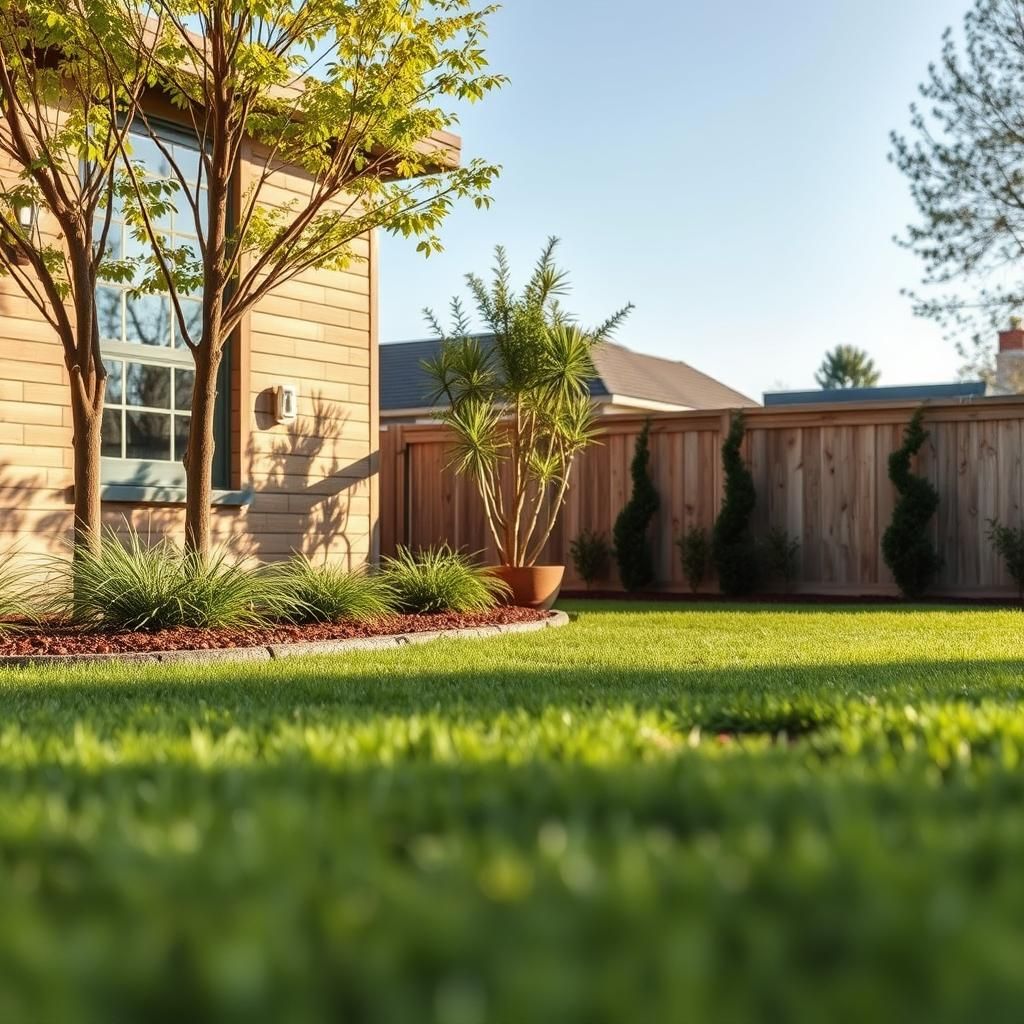
When it comes to maintaining an attractive outdoor space, a lush green lawn often stands out as a centerpiece. However, replacing a worn-out or damaged lawn can be daunting, especially concerning the expense involved. Fortunately, there are numerous affordable solutions available that can help you rejuvenate your yard without breaking the bank. In this article, we will explore the most cost-effective methods for replacing your lawn, ranging from DIY options to budget-friendly materials and techniques. Transforming your yard into a beautiful and inviting space is achievable—even on the tightest of budgets. Let's dive into these practical strategies!
Cost-Effective Methods for Lawn Replacement
One of the cheapest ways to replace a lawn is by doing it yourself through seeding rather than installing sod. While sod provides instant coverage, it can be significantly more expensive and requires more resources. Starting from scratch with grass seeds allows you to choose budget-friendly grass varieties suitable for your climate, and while it may take longer to achieve a lush lawn, the savings can be substantial. Additionally, preparing the soil properly and maintaining the seeds with appropriate watering and care can lead to a healthy lawn without breaking the bank.
Choosing the Right Grass Seed
Selecting the appropriate grass seed is crucial for a cost-effective lawn replacement. Look for varieties that are native to your region and suited to your specific environment, such as sun or shade-tolerant grasses. Additionally, consider using blends which can provide resilience against pests and diseases while minimizing the need for chemical treatments, ultimately saving you money in the long run.
Soil Preparation Techniques
Proper soil preparation is essential for a successful lawn replacement. Start by testing your soil to understand its pH and nutrient content, which can determine if you need to amend it. Remove any old grass, weeds, and debris, then aerate the soil to ensure good seed-to-soil contact. This step not only reduces weeds but also enhances moisture retention, helping your lawn establish itself without excessive watering costs.
Watering Strategies
Implementing efficient watering strategies can significantly reduce costs associated with lawn care. Instead of frequent short watering, opt for deep watering sessions a couple of times a week, which encourages deeper root growth and drought resistance. Using a soaker hose or drip irrigation can also minimize water waste, and watering early in the morning can reduce evaporation and fungal issues.
See also:
Using Mulch for Moisture Retention
Applying a layer of mulch can help retain soil moisture during the establishment phase of your lawn. Mulch prevents evaporation and suppresses weed growth, lowering the need for additional water and expensive weed control measures. Organic mulches like grass clippings or shredded leaves can enrich the soil as they break down, providing additional nutrients for the new grass.
Regular Maintenance Practices
Consistent and simple lawn maintenance practices are vital for ensuring that your new grass thrives. Mowing regularly at the correct height helps promote healthy root development and minimizes weed pressure. Additionally, consider using a natural fertilizer to enhance soil health without incurring high costs. Maintaining your lawn utilizes fewer resources and keeps it looking its best over time.
| Aspect | DIY Method | Cost Estimate |
|---|---|---|
| Grass Seed | Seeding | $0.10 - $0.20 per sq ft |
| Sod | Buying and Laying | $0.50 - $1.50 per sq ft |
| Soil Preparation | DIY Tools | Variable costs |
| Watering | Efficient methods | Lower water bills |
| Mulching | Organic materials | $0 - $50 (variable) |
Budget-Friendly Methods for Lawn Replacement
When considering a lawn replacement, it’s crucial to explore budget-friendly methods that can effectively transform your yard without breaking the bank. Start by evaluating your current lawn’s condition to determine whether overseeding or sodding might be the best options. Overseeding is often the most cost-effective choice, as it involves spreading new seed over the existing grass to rejuvenate the area without complete removal. If more drastic measures are required, look into DIY sod installation, which can save you money compared to hiring professionals. Additionally, utilizing native plants and ground covers can further minimize expenses while providing a vibrant and sustainable landscape.
Choosing the Right Grass Seed
Selecting the appropriate grass seed is essential for a successful lawn replacement. Opting for native grass varieties not only thrives in your local climate but can significantly reduce maintenance costs. Investigate whether perennial ryegrass or tall fescue suits your yard's conditions, and look for seeds that come with disease resistance for long-term durability and lower upkeep.
DIY vs. Professional Lawn Replacement
Weighing the benefits of DIY lawn replacement against hiring professionals is a pivotal decision. While hiring experts ensures a quick and effective job, undertaking the project yourself can lead to substantial savings. If you choose the DIY route, research the best techniques and tools required to ensure a professional-looking lawn at a fraction of the cost.
See also:
Using Ground Covers as Alternatives
Incorporating ground covers can be an innovative and cost-efficient way to replace traditional grass lawns. Options like clover, creeping thyme, or sedum not only reduce the need for mowing but also help prevent weeds and conserve moisture. Ground covers can enhance the aesthetic appeal of your yard while providing a low-maintenance solution that suits various landscapes.
Watering and Irrigation Strategies
Effective watering and reliable irrigation strategies are vital in sustaining a newly replaced lawn, especially while it establishes itself. Utilizing a drip irrigation system or timed sprinklers can help conserve water and lower costs over time. It's essential to develop a consistent watering schedule, especially during the first few weeks after seeding or laying sod, to promote healthy root growth and a lush appearance.
Seasonal Lawn Care Tips
Understanding the basic principles of seasonal lawn care will prolong the life of your replaced lawn while keeping costs low. Timing is crucial; for instance, late spring is generally the best time to seed, while fall can be ideal for fertilizing and preparing your lawn for winter. Implementing seasonal care practices can minimize the need for expensive corrective measures later.
Questions from Our Readers
What is the cheapest way to replace a lawn?
Replacing a lawn can be done cheaply by opting for seed instead of sod, as seeds tend to be less expensive. Additionally, you can save on costs by preparing the soil yourself and choosing a grass variety that is well-suited to your local climate and requires less maintenance.
Can I use grass clippings to help with lawn replacement?
Yes, using grass clippings as a natural mulch can help improve soil health when replacing a lawn. They provide nutrients, help retain moisture, and can suppress weed growth, which can save you money on fertilizers and water during the establishment of your new lawn.
See also:
Should I rent equipment for lawn replacement?
Renting equipment like a tiller or a roller can be a cost-effective option, especially if you're only using them once for lawn replacement. Compare the rental costs to purchasing the equipment, and consider borrowing from neighbors or friends to minimize expenses.
Is timing important when replacing a lawn?
Yes, timing is crucial; replacing a lawn in early spring or fall is generally the cheapest option, as temperatures are ideal for seed germination. Planting during the growing season may lead to increased watering costs, making off-season replacements more economical.

If you want to read more articles like What is the cheapest way to replace a lawn? Discover Affordable Solutions for a Beautiful Yard, we recommend you check out our Lawn category.
Leave a Reply
Related Articles