Can I Put a Trellis on My Neighbour's Wall? Understanding Property Boundaries and Regulations
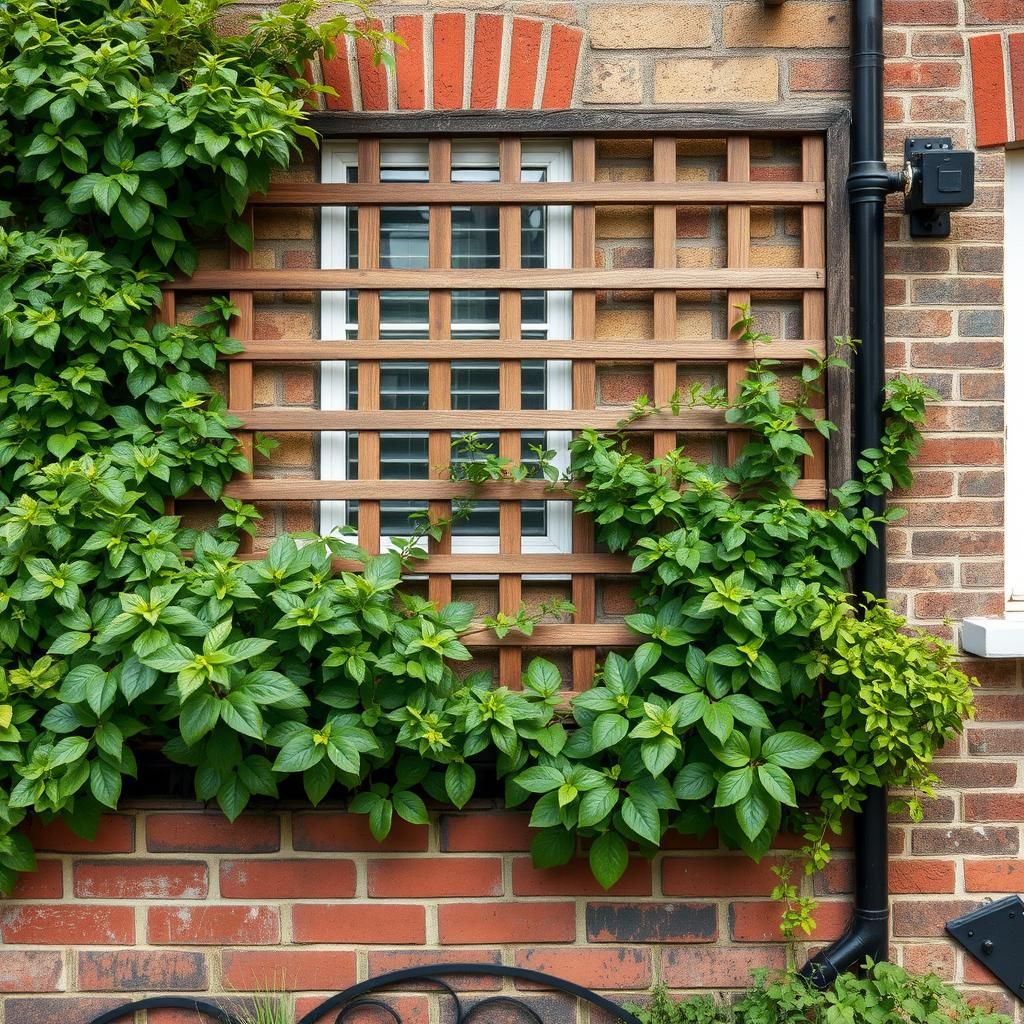
When considering garden enhancements, a trellis can be an attractive addition, providing both beauty and utility. However, homeowners often find themselves grappling with the question: Can I put a trellis on my neighbor's wall? Understanding property boundaries and local regulations is crucial to navigating this issue. This article delves into the legal aspects, including ownership rights and the potential impact on neighborly relations. We will explore what homeowners need to know before installing a trellis, ensuring that your gardening ambitions stay within legal limits and maintain good neighborly harmony.
Can I Legally Put a Trellis on My Neighbour's Wall?
In most cases, you cannot legally install a trellis on your neighbour's wall without their explicit permission, as it may be considered an encroachment on their property. The laws governing property boundaries and modifications can vary by location, so it is important to consult your local regulations or reach an agreement with your neighbour before proceeding. Failing to obtain consent could lead to potential disputes or even legal action, particularly if the trellis causes any damage or negatively affects your neighbour’s property.
Understanding Property Lines
Each property has defined boundaries that separate it from neighbouring lands. Knowing where your property line falls in relation to your neighbour’s wall is crucial. Installing a trellis over the boundary could violate property laws, leading to possible conflicts. It is advisable to consult property surveys or local records to confirm boundaries before taking any action.
The Importance of Neighbourly Relations
Maintaining good relations with your neighbour is vital when considering any installation that could affect their property. Discussing your plans for a trellis openly can help avoid misunderstandings or resentment. Good communication can lead to a collaborative decision that respects both parties’ preferences and property rights.
Legal Regulations and Guidelines
Laws regarding modifications to shared walls or boundaries can be complex, as they often involve local zoning laws and property rights. Many jurisdictions require homeowners to obtain a permit or permission from their neighbours before making any alterations. It is essential to check specific regulations in your area to ensure compliance and to understand your rights and obligations regarding the installation of a trellis.
See also:
Installing a trellis on your neighbour's wall without permission can lead to numerous negative consequences. If a dispute arises, your neighbour may demand the removal of the structure, which can lead to costly litigation. Additionally, failing to respect property lines could escalate tensions and impact future interactions with your neighbour, making it essential to approach the situation carefully and legally.
If you and your neighbour are open to collaboration, consider creating a shared arrangement regarding the trellis. This can include dividing costs and responsibilities for maintenance and installation. Establishing a written agreement can further clarify the terms of any shared structure, promoting healthier relationships and preventing future misunderstandings.
| Aspect | Details |
|---|---|
| Property Lines | Know your exact boundaries to avoid conflicts. |
| Neighbourly Relations | Communicate openly to maintain harmony. |
| Legal Regulations | Check local laws for permission requirements. |
| Consequences | Unauthorized installations can lead to disputes. |
| Shared Structures | Consider co-investment in mutual improvements. |
Legal Considerations for Installing a Trellis on a Neighbor's Wall
Determining whether you can install a trellis on your neighbor’s wall involves a careful examination of property boundaries and local building regulations. It is essential to establish the ownership of the wall; if it is a shared boundary, you might need to seek permission from your neighbor to avoid potential disputes. Additionally, local ordinances may impose restrictions on the types of structures you can erect, and any homeowners' association rules should also be taken into account. Engaging in a dialogue with your neighbor before proceeding can lead to a more amicable solution and prevent any legal complications down the road.
Understanding Property Boundaries
Property boundaries are defined lines that establish the extent of ownership for both you and your neighbor. They can be determined by deeds, surveys, or physical markers, and discrepancies can lead to misunderstandings. Knowing your exact property lines is crucial before installing a structure like a trellis, as it ensures that you do not inadvertently encroach on your neighbor's property, which could lead to legal ramifications or strained relations.
Building Regulations and Zoning Laws
Local building regulations and zoning laws dictate what can be constructed on residential properties. They often cover aspects such as the height and type of structures allowed, proximity to property lines, and, in some cases, even aesthetic considerations. Familiarizing yourself with these laws is essential before installing a trellis, as failure to comply could result in fines or the requirement to dismantle your installation. Always check with your local government office to ensure compliance.
See also: Can a Trellis Be Free Standing? Exploring the Benefits and Design Ideas
Homeowners' Association Rules
If you live in a community governed by a homeowners' association (HOA), additional rules may apply to the installation of exterior structures like trellises. HOAs often have specific guidelines regarding property modifications to maintain a uniform appearance in the neighborhood. Consulting your HOA’s regulations is necessary before making any changes, as they can enforce their rules strictly, potentially leading to fines or required removal of non-compliant structures.
Neighborly Communication and Agreements
Before proceeding with your plans, engaging in open and honest communication with your neighbor can be highly beneficial. Discussing your intention to install a trellis on or near their wall fosters goodwill and can lead to a mutual agreement that respects both parties' desires and boundaries. Documenting any agreements in writing can also serve as a reference should any misunderstandings arise in the future, making it easier to resolve disputes amicably.
Potential Legal Issues and Disputes
Installing a trellis on a neighbor's wall without their consent may lead to potential legal issues, including disputes over property lines or unauthorized changes to their property. If disagreements escalate, they could result in more serious actions, including litigation or mediation. It is vital to understand the legal implications of your actions and to proceed with caution, ensuring that all parties involved are clear on permissions and limitations to avoid potential future conflicts.
Questions from Our Readers
Can I put a trellis on my neighbour's wall without their permission?
It is generally not advisable to put a trellis on your neighbour's wall without explicit permission from them. Doing so could be seen as a violation of property rights and may lead to disputes between you and your neighbour.
What should I do if my neighbour agrees to let me use their wall for a trellis?
If your neighbour agrees, it is recommended to get this permission in writing to avoid any future misunderstandings. Make sure to discuss the details of the installation, including maintenance responsibilities and how it might affect their property.
See also:
Yes, many areas have local regulations or property laws that govern the installation of structures such as trellises on shared walls. It is essential to check with your local authorities or homeowner's association to ensure compliance with any restrictions.
What are the potential issues with installing a trellis on a neighbour's wall?
Some potential issues include damage to the wall, disputes over property boundaries, and maintenance concerns. Additionally, if the trellis is too tall or obstructs light, it could lead to further tension with your neighbour.

If you want to read more articles like Can I Put a Trellis on My Neighbour's Wall? Understanding Property Boundaries and Regulations, we recommend you check out our Trellis category.
Leave a Reply
Related Articles