How Long Can I Leave Turf Before Laying It? Essential Tips for Successful Lawn Installation
When it comes to installing a new lawn, timing is crucial. Turf is a popular choice for homeowners looking to achieve a lush, green yard quickly. However, many wonder: how long can they leave turf before laying it down? The answer to this question is essential for ensuring the success of your lawn installation. In this article, we’ll explore the optimal time frame for storing turf, as well as practical tips to keep your sod healthy and vibrant until it can be laid. By following these guidelines, you can set the stage for a successful lawn that thrives for years to come.
How Long Can I Leave Turf Before Laying It?
When considering how long you can leave turf before laying it, it's essential to know that ideally, you should lay it within 24 hours of purchase to ensure its freshness and prevent the grass from drying out. If you cannot lay the turf immediately, it can be stored for a limited period by placing it in a shady, cool area and keeping it moist by watering regularly. However, the longer you leave the turf rolled up, the higher the risk of damage to the grass and roots, which can result in poor establishment once laid.
Factors Affecting Turf Longevity
Several factors can impact how long turf can be left before laying, including the weather conditions, humidity levels, and the type of grass. In hot or dry climates, turf can deteriorate more quickly, while cool and humid conditions may provide a bit more leeway. The turf's species also plays a role; some types are more resilient than others. It's crucial to monitor these factors to ensure the turf remains viable before installation.
Signs of Deteriorating Turf
Before laying, you should check for signs that the turf has begun to deteriorate, such as a brownish color, a dry texture, or a foul smell emanating from the rolls. If the turf appears slimy or has an unpleasant odor, it is likely that it has begun to rot, making it unsuitable for installation. Addressing these signs promptly is vital to ensure a healthy lawn.
Storage Tips for Turf
If you must delay laying the turf, proper storage techniques can extend its viability. Keep the turf rolls in a shaded location, preferably on a flat surface to prevent pressure damage. Water the rolls regularly to maintain moisture, but be cautious not to overwater, which can lead to mildew. This balanced approach helps preserve the grass's health until you can lay it.
Impact of Delayed Installation
Delaying the installation of turf can have significant repercussions on its health and establishment. As time passes without proper care, the roots may dry out or become damaged, leading to stunted growth or even death of the grass once laid. This delay can ultimately affect the appearance and longevity of your lawn, making it essential to adhere to recommended timeframes.
Best Practices for Laying Turf
To ensure the best results, it is advisable to lay turf as soon as possible after delivery. Prepping your soil properly, including leveling and aerating, can further enhance the establishment process. Adequate watering right after installation is crucial to help the roots settle in. Following these best practices not only ensures a lush lawn but also minimizes the potential negative impacts of leaving turf rolled for too long.
| Condition | Recommended Action |
|---|---|
| Less than 24 hours | Lay the turf immediately |
| 1-3 days | Check moisture; keep shaded |
| 3-5 days | Inspect for signs of decay |
| More than 5 days | Consider replacement of turf |
How long will turf last without being laid?
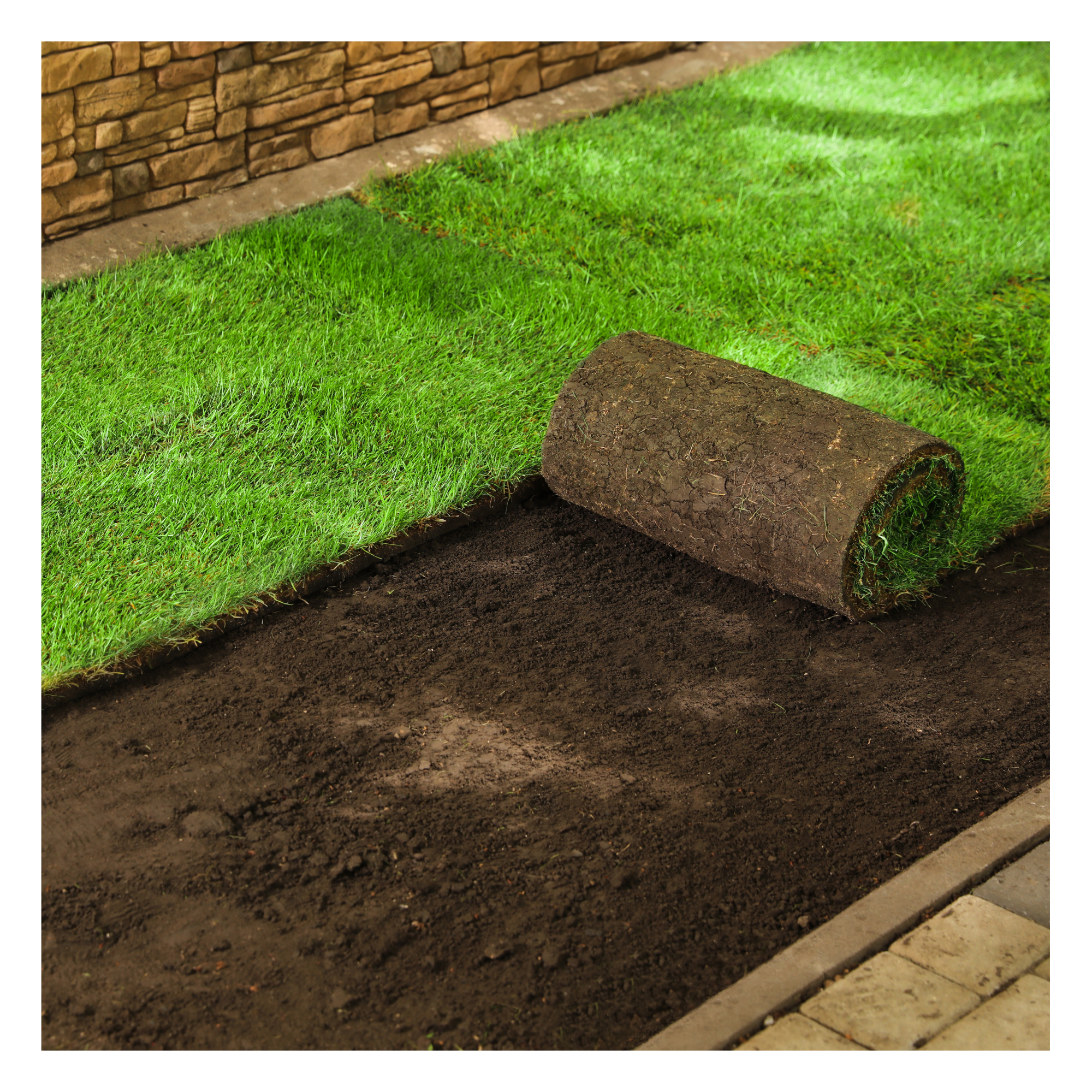
Turf, once harvested, has a limited lifespan before it must be laid down to maintain its viability. Generally, freshly cut turf can last about 24 to 48 hours without being laid, provided it is stored correctly. After this timeframe, the turf may begin to deteriorate as it requires moisture and proper conditions to stay alive. The key factors affecting the longevity of unlaid turf include temperature, humidity, and sunlight exposure. If the turf dries out or experiences extreme conditions, it can suffer from stress and may even die off, making it unsuitable for installation.
Storage Conditions for Turf
For turf to remain viable while waiting to be laid, it’s crucial to maintain optimal storage conditions. These include:
- Moisture: Keep the turf slightly damp, but not soaking wet. A light misting can help preserve its freshness.
- Shade: Store the turf in a shaded area to prevent it from drying out due to direct sunlight.
- Temperature: Ideally, turf should be stored in cooler temperatures to slow down its metabolism and reduce stress.
Signs of Deterioration
Recognizing the signs of turf deterioration is crucial for a successful installation. Key indicators include:
- Color Change: Fresh turf is vibrant green; yellowing or browning indicates stress.
- Odor: A sour or rotten smell suggests the turf has begun to decay.
- Dryness: If the turf feels dry to the touch, it may not be viable for installation.
Impact of Weather on Turf Longevity
Weather conditions significantly impact how long turf can survive uninstalled. Consider the following:
- Heat: High temperatures can dry out the turf quickly, reducing its lifespan.
- Rain: Excessive water can lead to mold or rot if turf is left in standing water.
- Wind: Strong winds can cause rapid moisture loss, stressing the turf.
Preparation for Laying Turf
To ensure the best results when laying turf after a delay, preparation is important. Steps include:
See also:
- Check Moisture: Evaluate if the turf is adequately moist before installation.
- Inspect for Damage: Look for any signs of decay or stress, and trim any damaged pieces.
- Soil Preparation: Ensure the soil is ready and suitable for receiving the turf.
Best Practices for Turf Installation
Following best practices during installation can enhance the longevity of your turf. These include:
- Lay Promptly: Aim to lay the turf as soon as possible within the 24-48 hour timeframe.
- Seam Management: Ensure seams are staggered to reduce visibility and promote healthy growth.
- Post-Installation Care: Water the turf thoroughly after installation to help it establish.
How long can you wait before laying turf?

The ideal waiting time before laying turf can vary based on several factors, but generally, you can wait up to two weeks if you're using sod from a nursery. However, if you are planning to lay turf after preparing the soil, you might have to wait additional time depending on the soil conditions, weather, and the type of turf you're using. Let’s break down the details further.
Understanding Soil Preparation
Proper soil preparation is crucial before laying turf. This includes loosening the soil, adding topsoil if necessary, and ensuring proper drainage. It is recommended to wait until your soil is adequately prepared and has settled properly. Factors include:
- Removing debris and weeds from the area.
- Tilling the soil to a depth of 4 to 6 inches.
- Testing soil pH and nutrient levels.
Weather Considerations
Weather plays a significant role in determining when to lay turf. Conditions such as temperature and moisture affect the establishment of the grass. Ideally, wait for:
- Temperatures between 60°F and 75°F (15°C to 24°C).
- Moist conditions; avoid laying during extremely dry spells.
- After heavy rains to prevent soil compaction.
Type of Turf Being Used
Different types of turf grasses have specific needs regarding laying time. It is essential to consider the grass variety. Typically, you should wait:
- For cool-season grasses, lay turf in early spring or early fall.
- For warm-season grasses, lay turf in late spring to early summer.
- According to the local climate, as it influences turf establishment rates.
Post-Preparation Waiting Period
After preparing your site, there is an optimal waiting period before laying turf. This will ensure nutrient distribution and soil stability. It's suggested to:
- Allow 5 to 10 days for soil amendments to integrate.
- Water the prepared soil lightly to help settle it.
- Observe any changes in soil texture and drainage.
Signs Indicating Readiness
While waiting to lay your turf, monitor certain signs that indicate readiness. These can guide you on the best timing. Look for:
- Evenly moist soil that supports a hand test (squeeze test).
- No pooling water, indicating proper drainage.
- A weed-free surface ready for turf installation.
How long do you have to lay turf after delivery?

Laying turf after delivery is a crucial aspect of establishing a healthy lawn. Ideally, you should lay turf within 24 hours of delivery to ensure its freshness and viability. If you are unable to do so, it’s important to take specific measures to maintain the turf's quality while you prepare your lawn area for installation. Generally, turf can last up to 48 hours if appropriately cared for, but the quality will begin to diminish after that. It's essential to keep the rolled turf hydrated and avoid exposing it to direct sunlight for prolonged periods.
Why Timing is Important
Timing is crucial when laying turf because freshness directly impacts the establishment of a healthy lawn. Turf that sits for too long can dry out or develop diseases. The roots need to establish contact with the soil as soon as possible for optimal growth.
- Maintains Moisture Levels: Fresh turf needs to stay hydrated to avoid drying out.
- Promotes Root Development: Faster laying encourages roots to grow into the soil.
- Reduces Risks of Fungal Infections: Longer waiting times can lead to diseases developing in the turf.
What to Do If You Can't Lay Turf Immediately
If you cannot lay the turf right away, taking appropriate steps can help maintain its quality until installation. One of the most critical aspects is to keep the turf in a cool and shaded location to prevent heat stress.
- Keep the turf moist by watering it lightly.
- Store it in a shaded area to minimize sun exposure.
- Avoid stacking the rolls in a way that can cause compaction, leading to damage.
Signs of Turf That Has Been Left Too Long
If the turf has been left for too long before installation, there are visible signs to look for. Detecting these signs early can help you decide whether to proceed or not.
See also:
- Browning Tips: The tips of the grass blades may turn brown, indicating stress.
- Sour Smell: An unpleasant smell can indicate decay or disease.
- Wetness or Slime: Excess moisture can lead to slime, indicating poor health.
How to Ensure Successful Turf Installation
To maximize the success of your turf installation, adhere to proper guidelines. Successful laying and establishment of turf increase the chances of a lush lawn.
- Prepare the soil properly before laying the turf.
- Lay the rolls in a staggered pattern to avoid seams.
- Water the turf immediately after installation to ensure hydration.
Post-Installation Care for Turf
After laying the turf, proper maintenance is critical. The first few weeks post-installation are crucial for the establishment of the roots into the soil.
- Water regularly to keep the soil moist, especially during dry spells.
- Avoid heavy foot traffic until the turf has rooted in properly.
- Monitor the turf for any signs of disease or stress.
How to preserve turf before laying?

To preserve turf before laying, it is essential to understand the proper techniques and methods to ensure that the grass remains healthy and viable. Turf can dry out quickly or suffer from disease if not handled properly. Here are key steps to follow for effective preservation of turf prior to installation.
Understanding Turf Types
Choosing the right type of turf is crucial for a successful installation. Different turf varieties have unique requirements and lifespans.
- Cool-season grasses: Ideal for northern regions where temperatures are cooler.
- Warm-season grasses: Suited for southern regions with warmer climates.
- Hybrid varieties: Offer benefits of both cool and warm-season grasses, but require specific handling.
Watering the Turf
Proper watering is essential for keeping the turf fresh and alive during the pre-installation phase.
- Pre-laying hydration: Water the turf immediately before laying, ensuring it is moist but not soggy.
- Regular maintenance: If the turf is stored for more than a day, check moisture levels and water as needed.
- Avoid overwatering: Too much water can lead to mold or rot, damaging the turf before laying.
Storing Turf Correctly
Storage conditions play a significant role in turf preservation.
- Keep it cool: Store turf in a shaded area to prevent overheating and drying out.
- Avoid stacking: Do not stack rolls too high to allow for air circulation.
- Use protective covers: If needed, use breathable covers to shield the turf from direct sunlight.
Monitoring Turf Health
Regularly checking the condition of the turf is vital for its preservation.
- Inspect regularly: Look for discoloration, dryness, or pests that may harm the turf.
- Adjust treatment: If any issues are found, address them immediately to restore turf health.
- Consult experts: When in doubt, seek advice from turf specialists for tailored care tips.
Timing Your Installation
Lastly, the timing of laying turf dramatically impacts its success.
- Optimal weather conditions: Aim for cooler temperatures and overcast days for installation.
- Avoid extreme conditions: Do not lay turf during very hot or freezing weather.
- Plan ahead: Prepare the ground in advance, allowing for timely laying of turf once received.
Questions from Our Readers
How long can I leave turf before laying it?
Turf should ideally be laid as soon as possible after delivery, typically within 24 to 48 hours. If left for longer, the turf can become stressed, potentially affecting its ability to establish and thrive in your garden.
What happens if I leave turf too long before laying it?
Leaving turf for an extended period can lead to drying out, which negatively impacts its health and vitality. Additionally, if the turf becomes too warm or is exposed to too much sunlight, it can develop a condition known as turf burn, further complicating successful installation.
Can I keep turf in a rolled state before laying?
Yes, turf can be kept in a rolled state before laying, but it is crucial to ensure it is kept in a cool, shaded area. Keeping it rolled for more than a couple of days increases the risk of the grass becoming compressed and weakening the root systems.
What should I do if I can't lay my turf immediately?
If you cannot lay your turf immediately, it is best to unroll it and place it in a shaded, moist area. Make sure to water it regularly to prevent it from drying out, and ideally, lay the turf as soon as you can to ensure the grass stays healthy.
See also:
If you want to read more articles like How Long Can I Leave Turf Before Laying It? Essential Tips for Successful Lawn Installation, we recommend you check out our Turf category.
Leave a Reply
Related Articles