Will Hydrangeas Bloom If You Cut Them Back? Essential Tips for Pruning Success
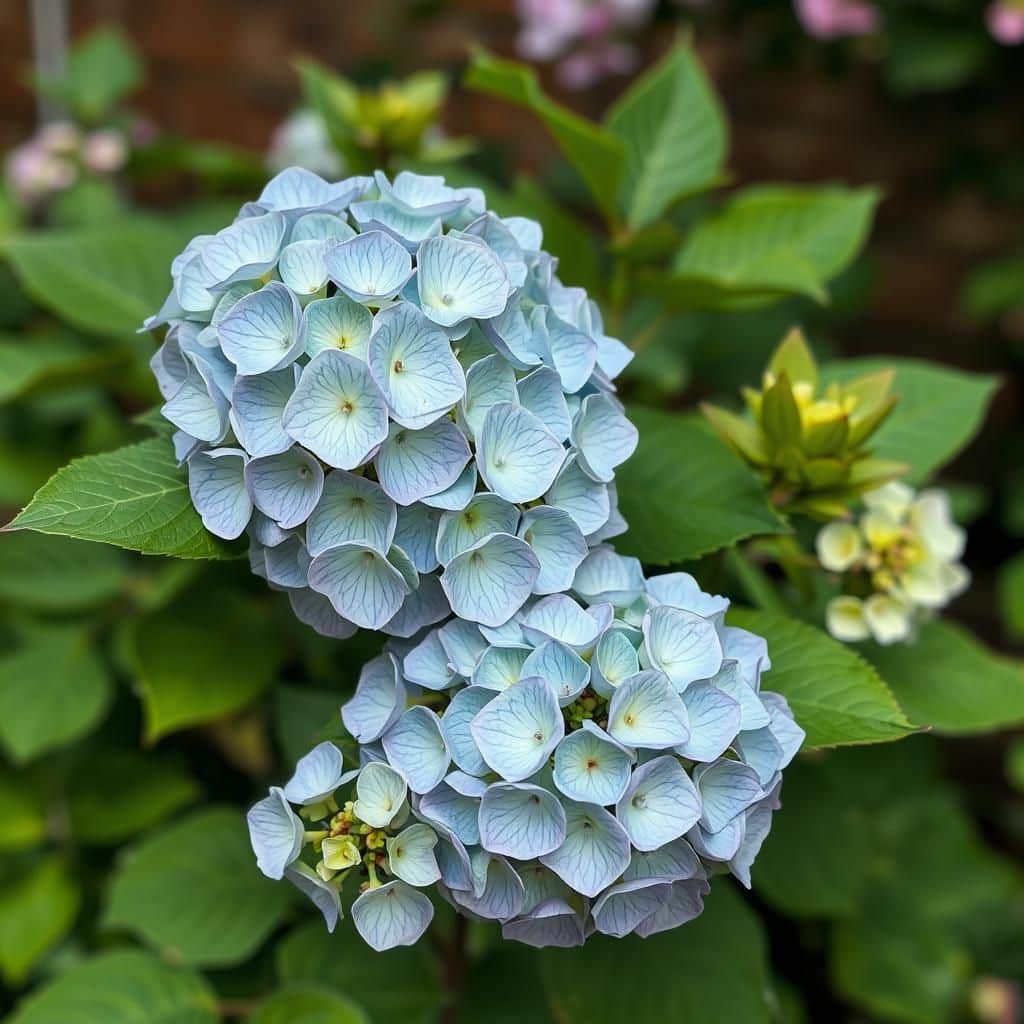
Pruning hydrangeas is a crucial gardening task that can significantly influence their blooming success. However, many gardeners find themselves wondering, Will hydrangeas bloom if you cut them back? Understanding the specific needs of these beautiful shrubs is essential for achieving vibrant blooms. In this article, we will explore the different types of hydrangeas, the correct pruning techniques, and optimal timing for cutting them back. By following these essential tips, you can ensure your hydrangeas thrive and produce an abundance of stunning flowers, enhancing your garden's beauty for seasons to come.
Do Hydrangeas Bloom After Pruning?
Hydrangeas can bloom even if you cut them back, but the timing and type of pruning you perform can significantly affect their flowering. Different species of hydrangeas have varying responses to pruning; for instance, Panicle and Smooth hydrangeas tend to bloom on new wood and will generally produce flowers if cut back in late winter or early spring. On the other hand, Bigleaf hydrangeas bloom on old wood, and if pruned too drastically, you may lose the blooms for that season. Therefore, understanding the specific type of hydrangea in your garden will help you determine the best pruning method to encourage blooming.
Understanding Hydrangea Varieties
Hydrangeas come in several varieties, each with unique blooming characteristics. Bigleaf (Hydrangea macrophylla) blooms on old wood, meaning that pruning should be minimal and ideally done right after blooming in late summer or early fall. In contrast, Panicle (Hydrangea paniculata) and Smooth (Hydrangea arborescens) varieties bloom on new wood, thriving with more aggressive pruning in late winter or early spring. Knowing your hydrangea variety is crucial to ensuring vigorous blooms following pruning.
The Impact of Pruning Time
The timing of your pruning plays a critical role in whether hydrangeas will bloom or not. Pruning Bigleaf hydrangeas in late winter or early spring may remove the flower buds that have formed over the winter, leading to no blooms for that season. Conversely, Panicle and Smooth hydrangeas can benefit from being cut back during this time, resulting in a strong flush of new growth and flowers later in the season. Careful timing can ensure that you maximize blooming potential.
Techniques for Pruning Hydrangeas
There are various techniques for pruning hydrangeas, each suited for different types. For Bigleaf hydrangeas, gentle pruning consisting of removing dead or damaged wood is recommended, targeting spent blooms just after flowering. In contrast, Panicle hydrangeas can be pruned more heavily, removing up to one-third of the stems to encourage new growth and robust blooming. Proper technique can greatly influence the plant’s health and floral display.
Effects of Environmental Conditions
Environmental conditions, including sunlight and moisture, also affect hydrangeas' blooming after pruning. Hydrangeas thrive in partial shade, and proper watering is essential for their growth and flowering. If plants are stressed due to drought or inadequate light, even healthy ones may underperform in terms of blooms. Maintaining ideal conditions will promote robust growth and flowering post-pruning.
Common Pruning Mistakes
There are several common mistakes made when pruning hydrangeas that can prevent them from blooming effectively. One such mistake is pruning at the wrong time; for Bigleaf hydrangeas, this could mean losing flowers for that year. Additionally, over-pruning or failing to recognize the specific variety can lead to drastic reductions in blooms. Understanding the appropriate care techniques and timing will help avoid these pitfalls.
| Hydrangea Type | Pruning Time | Blooming Wood | Pruning Technique |
|---|---|---|---|
| Bigleaf | Late Summer or Early Fall | Old Wood | Minimal Pruning |
| Panicle | Late Winter or Early Spring | New Wood | Aggressive Pruning |
| Smooth | Late Winter or Early Spring | New Wood | Heavier Pruning |
Will hydrangeas rebloom after cutting?

When considering whether hydrangeas will rebloom after cutting, the answer largely depends on the type of hydrangea and the timing of the cut. Many gardeners are delighted to know that some hydrangea varieties can rebloom after being cut back, while others may not. Understanding the specifics of how these plants respond to pruning can assist with maintaining beautiful blooms throughout the growing season.
Types of Hydrangeas
Different types of hydrangeas exhibit unique blooming behaviors.
See also:
- Hydrangea macrophylla: These are commonly known as mophead or lacecap hydrangeas. They typically bloom on old wood, meaning if they are cut back significantly in early spring, you may lose the initial blooms of the season.
- Hydrangea paniculata: Known as panicle hydrangeas, they bloom on new wood. Cutting them back in late winter or early spring can encourage new growth and lead to robust blooms in the same season.
- Hydrangea quercifolia: Oakleaf hydrangeas bloom on old wood but can still produce flowers after being cut back, though the quantity may vary.
Timing of Pruning
The timing of cutting hydrangeas drastically influences their ability to rebloom.
- Late Winter/Early Spring: This is often the best time to prune varieties that bloom on new wood as it encourages new growth.
- Post-Bloom Pruning: For those varieties that flower on old wood, pruning immediately after they bloom can promote healthy growth while preserving blossoms for the next year.
- Avoiding Mid-Summer Cuts: Cutting during the growing season can hinder blooming as the plant may redirect energy towards recovery instead of flowering.
Factors Affecting Rebloom
Several factors can determine whether your hydrangeas will rebloom after cutting.
- Climate: Warmer climates may encourage faster growth and multiple bloom cycles, while cooler areas may limit potential reblooming opportunities.
- Soil Health: Adequate nutrients and well-draining soil can support plant health, leading to a better chance of rebloom.
- Watering Regimen: Consistent watering practices help maintain plant vigor, which can increase the likelihood of reblooming.
Care After Cutting
Proper care after cutting hydrangeas is essential for encouraging reblooming.
- Fertilization: Using a balanced fertilizer after cutting can provide the necessary nutrients to stimulate new growth.
- Mulching: Applying a layer of mulch can help retain moisture and suppress weeds, creating an ideal environment for growth.
- Regular Watering: Keeping the soil consistently moist, especially during dry spells, supports successful regrowth and blooming.
Encouraging Reblooming Techniques
If you're interested in cultivating reblooming hydrangeas, there are specific techniques you can utilize.
- Pinching Back: Lightly pinching back new growth can encourage bushier plants which may produce more blooms.
- Using Growth Hormones: Applying rooting hormones can promote more vigorous growth and, consequently, more blooms.
- Deadheading: Regularly removing spent flowers encourages the plant to focus energy on producing new blooms.
What happens if you cut back hydrangeas?
:max_bytes(150000):strip_icc()/when-to-prune-hydrangeas-1403320-final-f4a027ccecba4c7bb8205b36075e20a3_1-df97e8fb7c3046cdab8d985c1f2687ee.jpg)
If you cut back hydrangeas, several outcomes can occur depending on the timing and extent of the pruning. Hydrangeas are categorized mainly into two types based on their blooming habits: the ones that bloom on old wood and those that bloom on new wood. Understanding these distinctions is crucial in determining the effects of pruning.
Impact on Blooming
Cutting back hydrangeas can significantly affect their blooming patterns. Here’s how:
- If pruned late in the season or in early spring, you may remove the flower buds that have formed on old wood, leading to fewer flowers that season.
- Pruning at the correct time for new wood hydrangeas can encourage healthier blooms since these types bloom on the current year's growth.
- Some hydrangeas might experience a delay in blooming the following year if pruned too severely.
Health and Growth of the Plant
Cutting back hydrangeas can promote better health and growth if done correctly. Consider the following points:
- Pruning helps to remove dead or damaged wood, allowing the plant to focus its energy on new growth.
- Regular pruning encourages a more open structure, improving air circulation and reducing the risk of disease.
- Moderate pruning can stimulate the development of stronger stems, which may support larger blooms in future seasons.
Timing Matters
The timing of your pruning is crucial for maximizing the benefits. Here are the key aspects:
- For old wood varieties, late winter or early spring is ideal before the flowering starts.
- Pruning in summer post-bloom allows new wood hydrangeas to grow properly before autumn.
- Cutting back during the fall can be detrimental, as the plant faces winter stress without adequate protection.
Types of Hydrangeas and Their Pruning Needs
Knowing the types of hydrangeas will help in understanding their specific pruning needs:
See also:
- Hydrangea macrophylla (Bigleaf) requires careful pruning to avoid losing flower buds.
- Hydrangea paniculata (Panicle) can be cut back harder as it blooms on new wood.
- Hydrangea arborescens (Smooth) thrives with significant pruning, encouraging bushy growth.
Pruning Techniques
There are various techniques to consider while cutting back hydrangeas that can impact their development:
- Thinning involves selectively removing branches to improve airflow.
- Heading back is cutting stems to a node, promoting denser growth and blooming.
- Shearing is cutting back all stems uniformly; this can work for some types but may lead to unbalanced growth in others.
What is the 1/3 rule for hydrangeas?
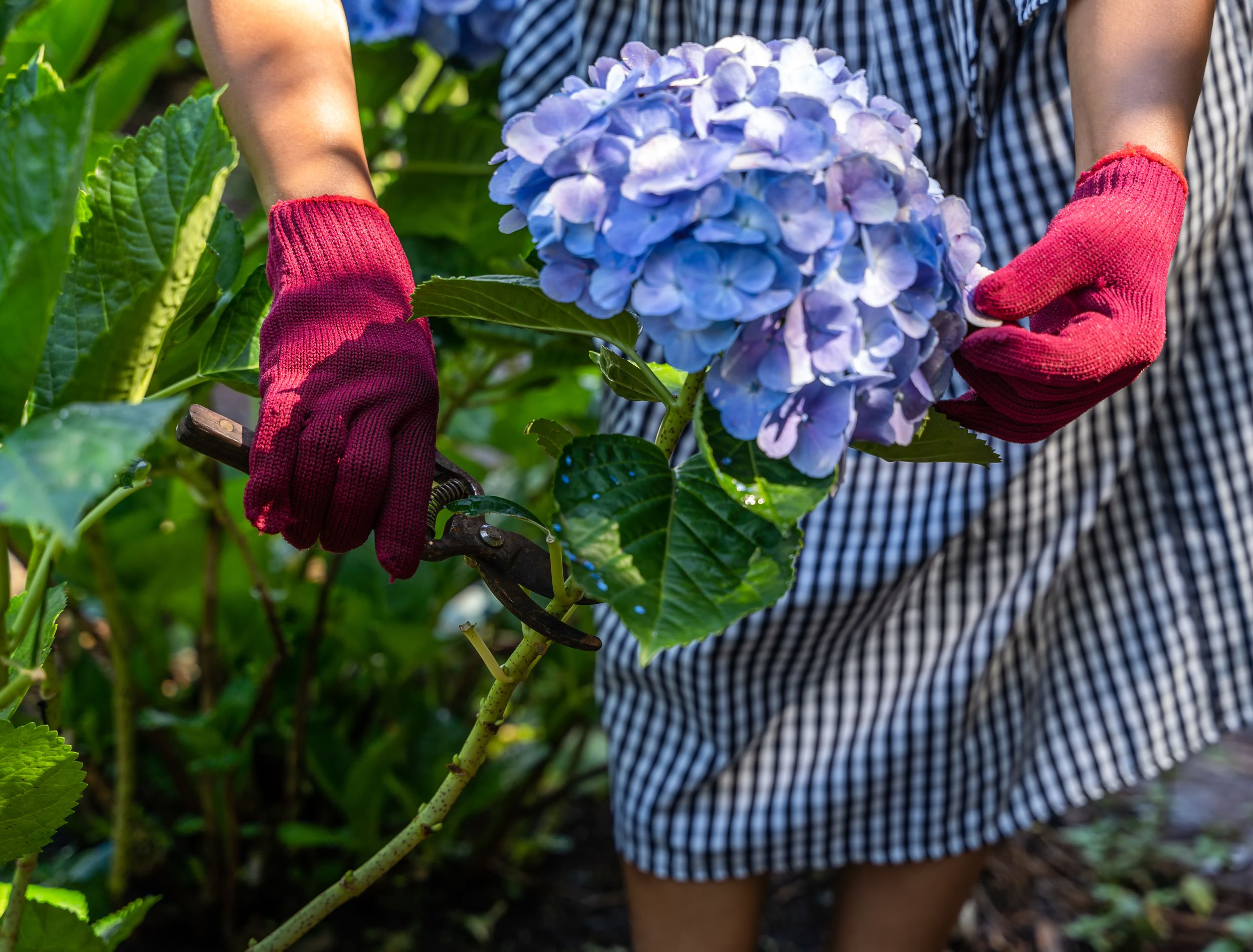
The 1/3 rule for hydrangeas is a guideline often used by gardeners to determine the correct amount to prune the plant annually. This rule suggests that at least one-third of the previous year's growth should be removed to encourage healthy and robust blooms for the upcoming season. Pruning hydrangeas not only shapes the plants but also helps promote better air circulation and reduces the risk of disease. More specifically, the 1/3 rule refers to the timing and extent of pruning, which can vary depending on the type of hydrangea.
Understanding Hydrangea Types
Hydrangeas come in various types, and the rules for pruning can differ based on the species:
- Hydrangea macrophylla (Bigleaf): These typically flower on old wood, meaning they should be pruned only after blooming.
- Hydrangea paniculata (Panicle): These flower on new wood, so they can be pruned in late winter or early spring.
- Hydrangea arborescens (Smooth): These should be cut back significantly because they also bloom on new wood.
Timing of Pruning
The timing of pruning is critical to adhere to the 1/3 rule effectively:
- Late Winter to Early Spring: This is generally the best window for pruning, allowing you to assess the growth from the previous year.
- Post-Bloom Maintenance: For types that bloom on old wood, consider light pruning right after the flowers fade.
- Avoid Fall Pruning: Pruning in the fall can expose the plant to harsh winter conditions, which may hinder growth.
Benefits of Following the 1/3 Rule
Following the 1/3 rule provides multiple benefits for hydrangeas:
- Encouraged Blooms: Pruning promotes new growth, resulting in more vibrant and plentiful flowers.
- Healthy Plant Growth: Removing older, weaker stems allows the plant to focus energy on stronger, healthier ones.
- Pest and Disease Prevention: Proper pruning enhances air circulation, reducing the risk of pests and fungal diseases.
Common Mistakes to Avoid
While pruning according to the 1/3 rule can be effective, there are common mistakes to watch out for:
- Over-Pruning: Removing too much can stunt growth and reduce flowering potential.
- Neglecting Timing: Pruning at the wrong time can damage new buds and adversely impact blooming.
- Ignoring Specific Species Needs: Not all hydrangeas are pruned similarly; understanding your plant type is crucial.
Tips for Successful Pruning
To maximize the benefits of the 1/3 rule, consider these tips:
- Use Sharp Tools: Always use clean and sharp pruning tools to minimize damage to the plant.
- Make Clean Cuts: Aim for slanted cuts to help prevent water from pooling on the cut surface.
- Observe Growth Patterns: Take note of how your hydrangeas respond to pruning and adjust your methods accordingly.
Questions from Our Readers
Will hydrangeas bloom if you cut them back in the spring?
Yes, hydrangeas can still bloom if you cut them back in the spring, but it depends on the type of hydrangea. For instance, hydrangea macrophylla might produce fewer blooms since they flower on old wood, while hydrangea paniculata blooms on new wood and will likely still flourish.
What happens if you cut back hydrangeas too much?
If you cut back hydrangeas too much, you may risk losing the current season's blooms. Over-pruning can remove the flowering buds and lead to minimal or no blooms that year, especially with varieties that bloom on old wood.
See also:
When is the best time to cut back hydrangeas?
The best time to cut back hydrangeas is in late winter or early spring before new growth begins. This timing helps the plant to heal and encourages fresh growth, promoting a healthier bloom cycle for the coming season.
Should I cut back all types of hydrangeas the same way?
No, you should not cut back all types of hydrangeas the same way. Each variety has its own pruning needs; for example, some require light trimming while others can be cut down significantly. Knowing your hydrangea type will help you make the right pruning decisions.

If you want to read more articles like Will Hydrangeas Bloom If You Cut Them Back? Essential Tips for Pruning Success, we recommend you check out our Pruning category.
Leave a Reply
Related Articles