Can I Replant Seeds That Did Not Germinate? Tips for Successful Seed Replanting
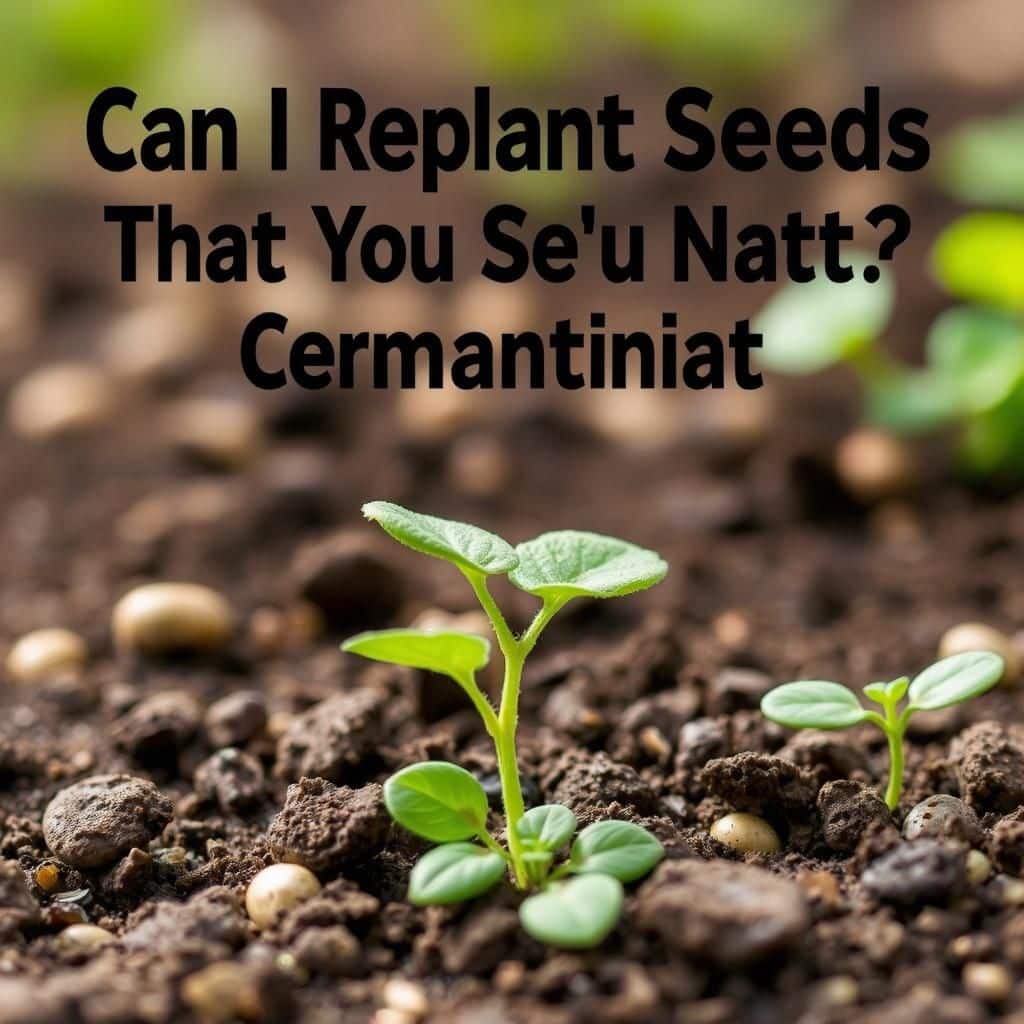
When embarking on a gardening journey, encountering seeds that fail to germinate can be disheartening. However, the good news is that you may still have a chance to revive those unproductive seeds through replanting. Understanding the reasons behind seed failure is crucial for improving your chances of success. In this article, we will explore effective tips and techniques for replanting seeds, ensuring that you maximize your garden’s potential. Whether you are a seasoned gardener or a novice, these strategies will help you make the most of your planting efforts and foster a thriving garden.
Can I Replant Seeds That Did Not Germinate?
Yes, you can replant seeds that did not germinate, but it is essential to assess the reasons behind their failure to sprout before doing so. If the seeds were planted under unsuitable conditions, such as incorrect soil temperature, inadequate moisture, or poor-quality seeds, you should address these issues before replanting. Ensure that you are using fresh seeds and provide the appropriate environment conducive to germination. Replanting can be an excellent opportunity to enhance your gardening experience, as it allows you to learn from prior mistakes and refine your propagation techniques.
Reasons for Seeds Not Germinating
Seeds may fail to germinate due to various factors, including improper soil conditions, lack of moisture, insufficient light, or incorrect planting depth. Some seeds have specific requirements that must be met for successful growth, such as certain temperature thresholds or exposure to light. Additionally, old or dormant seeds may not sprout, and the presence of diseases or pests in the soil can also contribute to unsuccessful germination. Understanding these factors can help you troubleshoot and improve your chances for future planting.
Best Practices for Replanting Seeds
When replanting seeds that did not germinate, it's vital to follow best practices to ensure success. First, choose a high-quality soil mix that provides adequate drainage and nutrients. Next, follow the specific planting guidelines for the seeds you are using, including the right depth, spacing, and timing for planting. Be mindful of watering them adequately but not overly saturating the soil, as both underwatering and overwatering can hinder seedling development. Lastly, maintain the proper ambient conditions, such as temperature and light exposure, to give your seeds the best chance of thriving.
How to Test Seed Viability
To determine if your seeds are still viable for germination, you can perform a simple viability test. Place a few seeds in a damp paper towel and seal them in a plastic bag or container to create a humid environment. Place the container in a warm area and observe the seeds over the next few days. If they sprout within a week or so, they are viable. If not, consider replacing them with fresh seeds for better results. Testing seed viability helps you avoid the frustration of planting non-germinating seeds and increases your chances of success.
See also:
When to Replant Seeds
The timing for replanting seeds that did not germinate is crucial. If you notice that your seeds have not sprouted within the expected timeframe—typically ranging from a few days to several weeks, depending on the type—you should conduct a careful examination of the seedbed. Look for signs of any potential problems, such as pests or diseases. Ideally, replanting should occur as soon as you determine that the seeds are indeed non-viable, giving you a chance to sow new seeds during the current planting season for better yield.
Understanding Seed Dormancy
Some seeds exhibit a natural state of dormancy, which can prevent them from germinating even under favorable conditions. Various factors influence this dormancy, including seed coat hardness and the need for specific environmental cues, such as cold stratification or scarification to break dormancy. To successfully replant dormant seeds, you may need to simulate these conditions. For instance, exposing the seeds to cold temperatures or nicking the seed coat can help activate their growth processes. Understanding seed dormancy can assist you in effectively managing your planting strategy.
| Factor | Description | Impact on Germination |
|---|---|---|
| Soil Conditions | Proper drainage and nutrient content are essential. | Inadequate or poor soil can lead to seed failure. |
| Moisture | Seeds need the right amount of moisture to germinate. | Overwatering or underwatering can hurt germination rates. |
| Temperature | Each seed has specific temperature needs for germination. | Wrong temperatures can prevent sprouting. |
| Seed Viability | Old or damaged seeds may not germinate. | Using fresh seeds increases the likelihood of success. |
| Light Conditions | Some seeds require light exposure to germinate. | Insufficient light can delay or prevent germination. |
Understanding the Reasons Behind Seed Non-Germination
Seeds may fail to germinate for various reasons, including inadequate moisture, improper temperature, or insufficient light. Before deciding to replant seeds that did not germinate, it is crucial to assess these factors to ensure that the conditions are optimal for successful growth. Evaluating the seed's quality, checking the planting depth, and ensuring that the soil composition is suitable can significantly increase the chances of successful germination upon replanting. Understanding these underlying reasons allows gardeners to make informed decisions and adjustments, leading to a more successful gardening experience.
Assessing Seed Viability
Before replanting, it's essential to evaluate the viability of your seeds. A simple method to test viability is the water test: place a few seeds in a glass of water and wait for 15-30 minutes. If the seeds sink, they are likely viable; if they float, they may be dead or non-viable. This information helps determine whether to replant these seeds or seek alternatives.
Optimal Conditions for Germination
Creating the most optimal conditions for germination is crucial. Ensure that your seeds are planted at the right depth and that they are spaced adequately to avoid competition. Additionally, monitor the temperature and moisture levels, as most seeds require specific ranges to germinate successfully. Adjusting these environmental factors can enhance the chances of successful growth when replanting.
See also:
Choosing the Right Soil Mix
The type of soil mix you use can impact seed germination significantly. A well-draining, nutrient-rich blend is ideal for most seeds. Consider integrating components like compost or perlite to enhance drainage and aeration. The right soil not only supports germination but also promotes healthy root development once the seeds sprout.
Timing for Replanting Seeds
Timing is an important consideration when deciding to replant seeds. If you notice that the seeds have not germinated after the typical germination period, waiting too long may lead to unfavourable growing conditions. Examine the climate and season, and ensure that you replant at a time when conditions are still favourable for the growth of your specific plants.
Recommendations for Seed Storage
Proper seed storage is critical for maintaining viability. Store seeds in a cool, dry place to protect them from moisture and temperature fluctuations. If seeds have been stored for several seasons, check their expiration date or how they were sealed. Good storage practices can prolong seed life and improve the success rate when you plant them, even if they did not germinate during the first attempt.
Questions from Our Readers
Can I replant seeds that did not germinate?
Yes, you can replant seeds that did not germinate, but it's essential to first assess the reasons for their failure. Factors such as moisture, temperature, and seed quality can impact germination rates, so addressing these issues may improve your chances of success the second time around.
When is the best time to replant non-germinated seeds?
The best time to replant non-germinated seeds depends on the specific plant species and your local growing conditions. Generally, it's recommended to wait until the environmental conditions are more favorable and to consult seed packet instructions for timing tips.
See also:
Should I use new soil when replanting seeds?
Using fresh soil can be beneficial when replanting seeds, as it may provide improved nutrient levels and better drainage. This can enhance seed viability and increase the likelihood of successful germination compared to using old soil.
How can I improve the germination rate for replanted seeds?
To improve germination rates for replanted seeds, ensure you provide the right moisture, temperature, and light conditions specific to the seeds you are using. Additionally, consider soaking the seeds prior to planting, using a seed starter mix, or applying a seed germination stimulant.

If you want to read more articles like Can I Replant Seeds That Did Not Germinate? Tips for Successful Seed Replanting, we recommend you check out our Seeds category.
Leave a Reply
Related Articles