What is the Plant Called the Queen's Tears? Discover Its Care, Features, and Significance
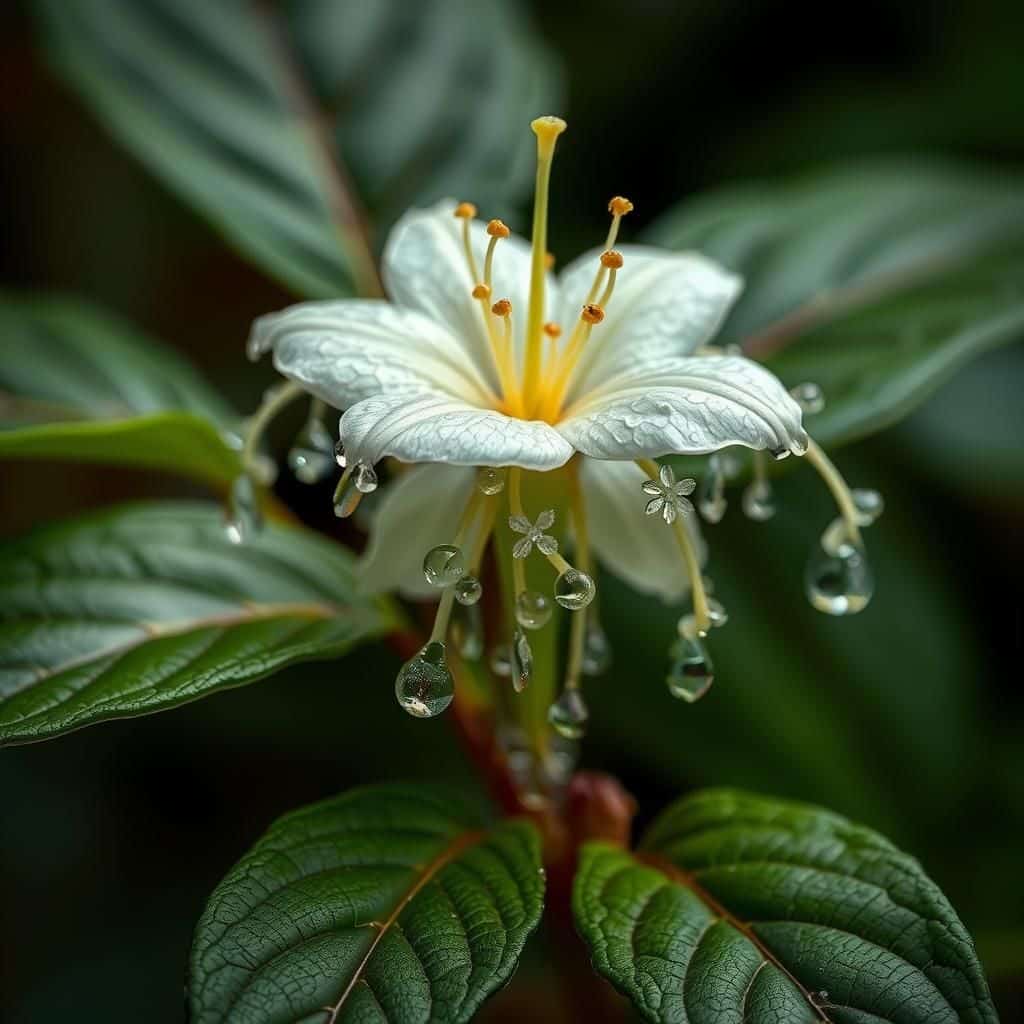
The Queen's Tears, scientifically known as Bilbergia nutans, is a captivating houseplant admired for its striking appearance and unique characteristics. Originating from the tropical regions of South America, this resilient plant features long, arching leaves that create a stunning display when it blooms. With its vibrant, colorful flowers resembling teardrops, the Queen's Tears not only adds aesthetic value to any interior but also holds cultural significance in many regions. This article will explore the essential care tips for nurturing this exotic plant, delve into its distinctive features, and highlight its importance in both horticulture and tradition.
What is the Queen's Tears Plant?
The Queen's Tears plant, scientifically known as Billbergia nutans, is a tropical bromeliad native to Brazil and parts of South America. Renowned for its strikingly beautiful inflorescences, this plant exhibits long, arching leaves that can reach up to 24 inches in length. The flowers typically bloom in vibrant shades of pink and purple, appearing from clusters of colorful bracts that resemble teardrops, which is where the name Queen's Tears originates. This resilient plant thrives in well-drained soil and requires indirect sunlight, making it a popular choice for indoor gardening enthusiasts and landscape designs alike.
Origin of the Name
The name Queen's Tears is derived from the unique appearance of the plant’s blooms, which are likened to teardrops. This evocative name highlights the beauty and grace of the plant, making it a sought-after ornamental species. The cultural significance of the plant in various regions also ties to the sensations of beauty and elegance, as it has been used in various decorative practices across different communities.
Botanical Classification
Billbergia nutans belongs to the family Bromeliaceae and is part of the vast genus Billbergia, which consists of numerous related species. Within the plant kingdom, it is categorized under the monocots, particularly characterized by its rosettes of leaves. Its classification helps horticulturists and botanical enthusiasts understand its growth habits, ecological requirements, and relationships with other plants in the bromeliad family.
Growing Conditions
The Queen's Tears plant flourishes in warm, humid environments, mimicking its natural habitat in tropical forests. To cultivate this beauty successfully, it requires well-draining potting mix and prefers indirect sunlight to prevent leaf burn. Regular watering is essential, yet the soil should remain relatively dry between watering sessions to prevent root rot. Moreover, the plant benefits from moderate humidity, which can be achieved through regular misting or using a humidity tray.
Propagation Methods
Propagation of the Queen's Tears can be accomplished via offsets or pups that grow at the base of the plant. Once these offsets are around one-third the size of the parent plant, they can be carefully separated and potted in individual containers. This simple propagation method not only enables the expansion of one’s collection but also allows enthusiasts to share this stunning plant with others.
Cultural Significance
In various cultures, the Queen's Tears plant is often regarded as a symbol of beauty and resilience. It has been celebrated in art and literature, often representing grace and ephemeral beauty. Additionally, this bromeliad has found a special place in the hearts of gardeners due to its relatively low maintenance yet high visual impact, making it an enduring favorite in homes and gardens around the world.
| Attribute | Details |
|---|---|
| Scientific Name | Billbergia nutans |
| Native Region | Brazil and South America |
| Light Requirements | Indirect sunlight |
| Watering | Moderate, allow soil to dry between waterings |
| Propagation | Offsets (pups) |
A Comprehensive Guide to the Queen's Tears Plant Care and Cultural Importance
The Queen's Tears, scientifically known as Billbergia nutans, is a fascinating plant renowned for its striking flowers and unique foliage. This epiphytic bromeliad thrives in a variety of environments and is celebrated for its vibrant tubular blossoms that emerge from rosettes of green leaves, often adorned with spectacular hues of pink and purple. Understanding the care requirements, such as light, humidity, and watering strategies, is essential for ensuring that this exotic plant flourishes in domestic settings. Additionally, the Queen's Tears holds cultural significance in various regions, often symbolizing beauty and adaptability, making it a popular choice among plant enthusiasts.
Features of the Queen's Tears Plant
The Queen's Tears plant exhibits distinct characteristics that make it a popular ornamental choice. Its leaves are long, narrow, and shaped in a rosette formation, reaching lengths of about 30 inches. The plant is also recognized for its stunning blooms, which can display multiple colors ranging from green to bright red or blue, especially when grown in optimal conditions. The flowers are not just visually appealing but are also known to attract various pollinators, such as hummingbirds, further enhancing its ecological value.
Caring for a Queen's Tears Plant
Providing proper care for the Queen's Tears plant involves ensuring it receives indirect sunlight for several hours a day while avoiding direct exposure, which can scorch its leaves. The ideal temperature for this bromeliad falls within the 65-80°F range. Humidity is also crucial; keeping the plant in a well-ventilated but humid environment can promote better growth. Watering should generally be done by filling the central cup formed by the rosette's leaves to prevent waterlogging, which can lead to root rot.
Propagation Techniques for Queen's Tears
Propagation of the Queen's Tears plant usually occurs through pups or offsets that grow at the base of the mature plant. These offsets can be carefully detached once they reach about one-third the height of the parent plant. It's important to allow the cuttings to dry for a day or two to prevent excess water, which can cause rot. After this period, they can be planted in a well-draining bromeliad mix and placed in a warm environment to encourage root development.
Environmental Significance of Queen's Tears
The Queen's Tears plant plays a vital role in its native ecosystems, contributing to biodiversity and serving as a habitat for local wildlife. Its flowers attract pollinators, which are essential for the reproduction of various flowering plants within its habitat. This bromeliad also aids in water absorption and retention in the forest canopy, benefiting surrounding flora and fauna. Understanding its ecological role highlights the need for conservation efforts for such unique species.
Cultural Importance of the Queen's Tears
The Queen's Tears plant holds various symbolic meanings in different cultures, often representing beauty and empathy due to its exquisite blooms and drooping flower structure. In some regions, it is associated with the Tears of the Queen, a metaphor for unfulfilled love or longing, making it a poignant gift in times of emotional significance. Its presence in homes and gardens reflects a connection to nature and an appreciation for exotic plants, enhancing indoor environments with beauty and charm.
Questions from Our Readers
What is the Queen's Tears plant?
The Queen's Tears plant, known scientifically as Billbergia nutans, is a stunning bromeliad native to Brazil. This plant is appreciated for its graceful flowers that appear in vibrant shades of pink, purple, and blue, typically blooming in the late winter to early spring.
How do you care for the Queen's Tears plant?
Caring for the Queen's Tears plant involves providing it with bright, indirect light and ensuring it receives adequate humidity. It's important to water it by filling the rosette at the center and allowing the soil to dry between waterings to prevent root rot.
Is the Queen's Tears plant suitable for beginners?
Yes, the Queen's Tears plant is considered a great option for beginners due to its low maintenance needs and adaptability. As long as it receives proper light and moisture, it can thrive even with minimal experience in plant care.
Can the Queen's Tears plant be grown indoors?
Absolutely, the Queen's Tears plant is an ideal choice for indoor gardening. It can thrive in various indoor conditions, making it a popular houseplant, but it is important to place it in a location with sufficient light and to maintain humidity levels for best growth.

If you want to read more articles like What is the Plant Called the Queen's Tears? Discover Its Care, Features, and Significance, we recommend you check out our Landscaping category.
Leave a Reply
Related Articles