Why Would Someone Want to Be a Landscaper? Discover the Benefits and Opportunities in Landscaping Careers

The landscaping industry offers a unique blend of creativity, environmental stewardship, and physical activity, making it an appealing career choice for many. As the demand for beautiful outdoor spaces continues to grow, so too do the opportunities within this vibrant field. From designing stunning gardens to maintaining expansive parks, landscaping encompasses a wide range of tasks that allow individuals to work outdoors and connect with nature. In this article, we will explore the benefits of pursuing a career in landscaping, including job stability, potential for growth, and the personal satisfaction that comes from transforming outdoor spaces into breathtaking landscapes.
Reasons to Pursue a Career in Landscaping
Becoming a landscaper can be an incredibly fulfilling career choice for numerous reasons. Many individuals are drawn to this profession due to their passion for nature and the environment, as it offers the opportunity to work outdoors and create beautiful outdoor spaces. Additionally, landscaping can be a highly rewarding job that allows one to see the immediate results of their efforts, whether transforming a simple garden into a vibrant sanctuary or enhancing the aesthetic appeal of a public park. The profession also offers a degree of flexibility, as landscapers can work for landscaping companies, start their own businesses, or even freelance, thereby catering to their personal or financial goals. Lastly, landscaping provides a unique combination of physical activity and creativity, attracting those who enjoy both hands-on work and artistic expression.
Passion for Nature
Many people who choose to become landscapers have a deep-rooted passion for nature. This profession allows them to immerse themselves in the beauty of the outdoors daily, working directly with plants, soil, and various landscapes. For individuals who thrive in natural settings, the role of a landscaper offers an opportunity to nurture the environment and contribute positively to their community through green spaces.
Immediate Results
One of the most gratifying aspects of a landscaping career is witnessing the immediate results of one’s hard work. After planting shrubs, flowers, and trees, or installing hardscaping features, landscapers can see their designs take shape quickly. This tangible outcome not only serves as motivation but also provides a sense of accomplishment that can be hard to find in many other professional fields.
Flexibility in Career Choices
Landscaping offers a remarkable degree of flexibility in career choices. Whether working for an established landscaping company, starting a self-owned business, or offering specialized services as a freelancer, individuals can tailor their careers according to personal preferences and schedule. This flexibility makes it an appealing option for those valuing work-life balance or seeking to pursue other interests alongside their landscaping career.
Physical Activity
For those who find joy in physical activity, a career in landscaping provides ample opportunities for exercise and movement. Working outdoors in various climates fosters a healthy lifestyle while fulfilling both strength and stamina. This active engagement can lead to improved health and vitality, making it a desirable career choice for individuals who prefer dynamic work environments over sedentary office jobs.
Creative Expression
Landscaping is also a venue for creative expression, where individuals can merge artistic vision with practical application. Designing outdoor spaces requires thoughtful consideration of color, texture, and spatial arrangement, allowing landscapers to showcase their creativity while enhancing the beauty of the environment. This blend of art and functionality makes landscaping a unique discipline that appeals to those with a flair for design.
| Aspect | Description |
|---|---|
| Passion for Nature | Working directly with the environment |
| Immediate Results | Seeing the fruits of labor quickly |
| Flexibility | Options for various career paths |
| Physical Activity | Engaging in a healthy, active profession |
| Creative Expression | Designing beautiful outdoor spaces |
Why do I want to be a landscaper?

Being a landscaper is a profession filled with opportunities to connect with nature, create beautiful outdoor environments, and positively impact the community. There are several compelling reasons why one might want to pursue a career in landscaping.
Passion for Nature
One of the primary reasons many individuals desire to become landscapers is their passion for nature. This profession allows them to work outdoors, surrounded by plants and natural elements. This connection to the natural world can lead to personal fulfillment and happiness.
- Working directly with flora and fauna inspires creativity and innovation.
- The joy of observing the growth and changes in landscapes over time.
- Contributing to the environment through design and maintenance.
Creative Expression
Landscaping provides a unique avenue for creative expression. Through the design and planning of outdoor spaces, landscapers can showcase their artistic abilities and conceptualize vibrant, functional landscapes.
- Creating visually appealing outdoor environments that enhance property value.
- Incorporating different styles, such as modern, traditional, or tropical.
- Utilizing colors, textures, and layouts to reflect personal artistic vision.
Impacting the Community
Landscapers play a vital role in enhancing the community. They can transform public spaces, parks, and private properties into lush, inviting environments that foster social interaction and well-being.
- Improving local neighborhoods through thoughtful landscaping projects.
- Promoting ecological sustainability by using native plants and eco-friendly practices.
- Creating recreational spaces that promote physical activity and relaxation.
Variety of Work
A career in landscaping offers a significant amount of variety in day-to-day tasks, making it an exciting field to work in. No two projects are the same, allowing for continuous learning and professional development.
See also:
- Working on residential gardens, commercial properties, and public spaces.
- Focusing on different aspects of landscaping, including design, installation, and maintenance.
- Engaging with various stakeholders, from homeowners to city planners.
Job Stability and Growth
The landscaping industry provides ample job stability and opportunities for growth. As urban areas expand and the focus on sustainability increases, the demand for skilled landscapers continues to grow.
- Diverse career paths, including landscape design, maintenance, and construction.
- Potential for entrepreneurship by starting a landscaping business.
- Ability to adapt to changing industry trends and ecological practices.
Why do you choose to work with primarily landscape?

Choosing to work primarily with landscape is a decision fueled by passion, creativity, and a desire to connect with nature. There are several reasons that motivate this focus, ranging from the serene beauty of natural scenes to the challenges and rewards of capturing the essence of outdoor environments.
Connection to Nature
The primary reason for choosing landscape work is the deep connection with nature it fosters. Working with landscapes allows one to immerse in the beauty of the natural world, often resulting in a profound sense of peace and fulfillment. Through this connection, artists and photographers can convey powerful emotions and showcase the importance of preserving these environments.
- Experiencing tranquility in natural settings.
- Understanding ecosystems and biodiversity.
- Promoting environmental awareness through art.
Capturing Light and Atmosphere
Another compelling factor in landscape work is the ability to capture the interplay of light and atmosphere. The changing conditions in nature provide endless opportunities for creativity. The way light interacts with different elements in a landscape can dramatically alter the perception and mood of an image or piece.
- Exploring golden hour and blue hour effects.
- Experimenting with weather conditions for unique captures.
- Using shadows to add depth and dimension.
Variety of Landscapes
Landscapes offer an incredible variety of subjects to work with, ranging from mountains and forests to deserts and seascapes. This diversity ensures that no two projects are ever the same, allowing for a rich exploration of styles, techniques, and themes. Each environment presents unique challenges and opportunities for creativity.
- Diverse geographical features and ecosystems.
- Endless opportunities for different artistic styles.
- Inspiration from seasonal changes and weather patterns.
Storytelling Potential
Landscapes carry a powerful storytelling potential that can evoke emotions and convey narratives about our relationship with the environment. The depiction of a landscape can reflect the human experience, environmental challenges, or promote conservation dialogues. This narrative aspect enriches the work and engages viewers on multiple levels.
- Illustrating the impact of climate change.
- Showcasing cultural connections to specific landscapes.
- Highlighting the beauty of natural preservation.
Personal Growth and Artistic Development
Focusing on landscapes can foster significant personal growth and artistic development. It presents continuous learning opportunities as artists refine their skills in composition, color theory, and technical techniques. The outdoor setting presents real-time challenges that encourage adaptability and innovation in practice.
- Improving technical photography skills in various environments.
- Learning to adapt to changing conditions.
- Gaining confidence in creative decision-making.
What is the point of landscaping?
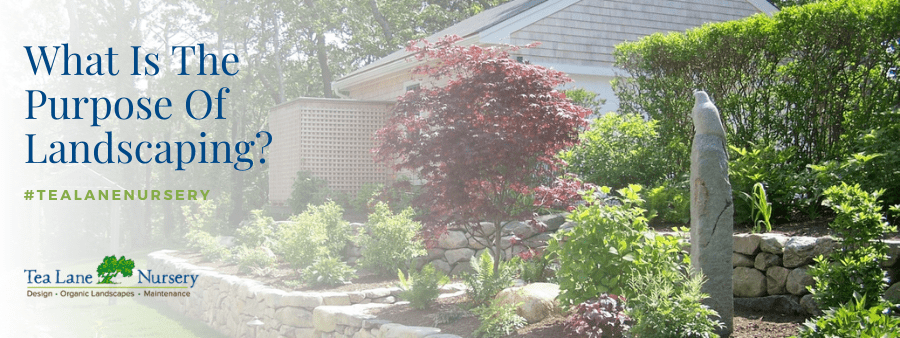
Landscaping serves multiple purposes, both functional and aesthetic, aimed at enhancing the overall appearance and usability of outdoor spaces. The point of landscaping can be summarized in the following key areas:
Improving Aesthetic Appeal
Landscaping significantly contributes to the visual attractiveness of a property. It transforms dull and barren areas into vibrant landscapes filled with color and life. Some benefits include:
- Increases curb appeal, making properties more inviting.
- Enhances the beauty of gardens, parks, and commercial spaces.
- Provides opportunities for artistic expression through plant selection and arrangement.
Boosting Property Value
A well-landscaped property can enhance its market value. Buyers are often willing to pay more for homes with appealing landscapes. This includes:
- Attracts potential buyers by creating a positive first impression.
- Improves overall property value by up to 15% in some cases.
- Increases desirability of the neighborhood as a whole.
Creating Functional Outdoor Spaces
Landscaping is not just about aesthetics; it also involves enhancing the functionality of outdoor areas. Good landscaping design considers how spaces are used, leading to:
See also:
- Defined areas for leisure, activities, and entertainment.
- Establishment of privacy through strategically placed trees and shrubs.
- Improvement of accessibility in gardens and yards.
Promoting Environmental Health
Landscaping plays a crucial role in promoting the environmental health of an area. Properly designed landscapes contribute to sustainability through:
- Reducing soil erosion through ground cover and plant roots.
- Enhancing biodiversity by supporting various flora and fauna.
- Improving air quality and temperature regulation in urban areas.
Encouraging Relaxation and Well-being
Well-designed landscapes provide spaces that are conducive to relaxation and mental well-being. The benefits of landscaping for mental health include:
- Access to nature, which has been shown to reduce stress.
- Creation of serene environments for meditation and reflection.
- Opportunities for physical activity through gardens, trails, and parks.
What is the purpose of a landscaper?

The purpose of a landscaper encompasses a wide range of tasks and services aimed at enhancing outdoor spaces. A landscaper is primarily responsible for designing, creating, and maintaining various landscape features, which can be residential yards, commercial properties, parks, or public gardens. Their role involves not only aesthetic improvements but also functional aspects that contribute to the environmental health and usability of outdoor areas.
Understanding Landscape Design
Landscape design is a critical aspect of a landscaper's purpose. It involves creating aesthetic and functional outdoor spaces that meet the desires and needs of clients. Key components of landscape design include:
- Site Analysis: Understanding the unique characteristics of the site, such as soil type, climate, and existing vegetation.
- Client Consultation: Collaborating closely with clients to determine their needs, preferences, and lifestyle requirements.
- Design Implementation: Translating design ideas into practical plans that may include drawings and specifications for plants, hardscapes, and features.
Enhancing Outdoor Aesthetics
One of the primary goals of a landscaper is to enhance the aesthetic appeal of outdoor environments. Through thoughtful plant selection and layout, landscapers can create visually pleasing spaces that attract attention. Important aspects include:
- Plant Selection: Choosing the right plants that suit the environmental conditions and desired look.
- Color Coordination: Using color palettes that harmonize with the surroundings and enhance the overall beauty.
- Seasonal Interest: Planning for year-round appeal by incorporating a mix of perennials, annuals, and evergreens.
Environmental Sustainability
Landscapers also play a significant role in promoting environmental sustainability. They implement practices that conserve resources and protect local ecosystems, which may involve:
- Native Plant Usage: Selecting native plants that require less water and are more resilient to local pests and diseases.
- Water Management: Designing efficient irrigation systems and incorporating xeriscaping techniques to reduce water consumption.
- Soil Health: Using compost and organic fertilizers to improve soil quality sustainably.
Maintenance Services
After the design and installation phases, ongoing maintenance is essential for the longevity and health of landscapes. Landscapers provide a variety of maintenance services, which can include:
- Lawn Care: Regular mowing, aeration, and fertilization to maintain a healthy lawn.
- Pruning and Trimming: Ensuring plants and trees are properly pruned to encourage growth and prevent disease.
- Weed and Pest Control: Implementing integrated pest management strategies to keep landscapes healthy and thriving.
Creating Functional Spaces
Landscapers are also focused on creating functional spaces that can be used for various outdoor activities. This aspect includes:
- Outdoor Living Areas: Designing patios, decks, and outdoor kitchens to extend living spaces beyond the home.
- Walkways and Paths: Constructing safe and navigable paths to enhance accessibility and flow within the landscape.
- Functional Gardens: Implementing vegetable and herb gardens that provide food and promote sustainable practices.
Questions from Our Readers
Why is landscaping considered a rewarding career?
Landscaping is often seen as a rewarding career because it allows individuals to create beautiful outdoor spaces that enhance the environment and provide enjoyment for others. The satisfaction of transforming a blank canvas into a stunning garden or yard can lead to a strong sense of accomplishment and pride in one’s work.
What skills are important for a landscaper?
A successful landscaper should possess a variety of skills, including creativity, an eye for design, and knowledge of horticulture. Additionally, physical stamina and the ability to operate machinery are crucial for carrying out tasks efficiently and safely, making these skills essential for anyone pursuing a career in landscaping.
Are there opportunities for career advancement in landscaping?
Yes, there are numerous opportunities for career advancement in landscaping, from starting as a laborer to becoming a landscape designer or a business owner. With experience and further education, landscapers can expand their skill set and take on more responsible positions, leading to increased job satisfaction and higher earning potential.
How does landscaping contribute to environmental sustainability?
Landscaping plays a significant role in environmental sustainability by promoting the use of native plants, minimizing water usage, and enhancing biodiversity. Well-designed landscapes can improve air quality, reduce urban heat, and support local wildlife, making landscaping not only an aesthetically pleasing profession but also one that contributes positively to the planet.
See also:
If you want to read more articles like Why Would Someone Want to Be a Landscaper? Discover the Benefits and Opportunities in Landscaping Careers, we recommend you check out our Landscaping category.
Leave a Reply
Related Articles