10 Creative Tips on How to Make Cheap Planters Look Expensive?
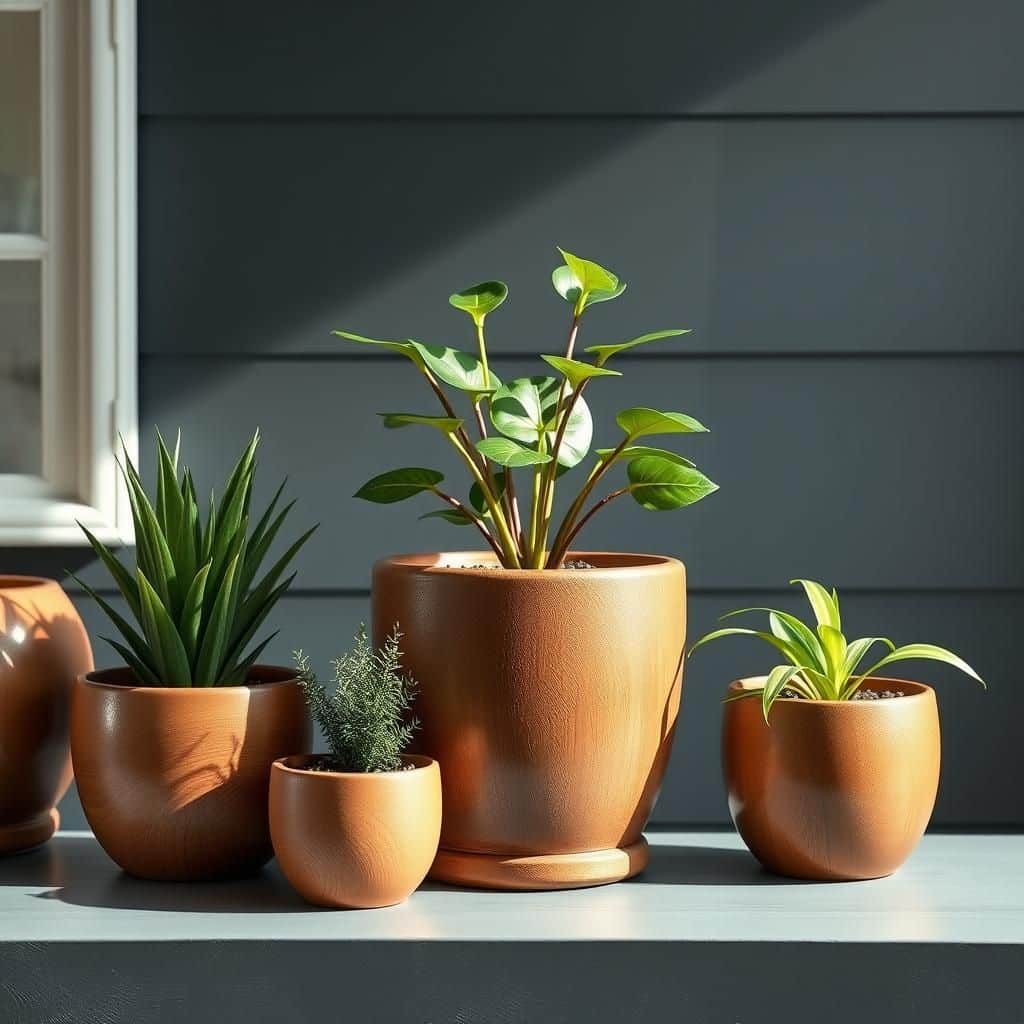
Creating a beautiful garden or indoor plant display doesn’t have to break the bank. With a little creativity and effort, cheap planters can be transformed into stunning focal points that give your space an upscale look. This article presents ten innovative tips to elevate your budget-friendly planters, making them appear luxurious without the hefty price tag. From clever DIY techniques to thoughtful design choices, these ideas will inspire you to rethink how you showcase your plants. Whether you're a gardening novice or a seasoned enthusiast, you'll find inspiring ways to turn ordinary planters into extraordinary pieces that enhance your home decor.
Transforming Inexpensive Planters into Luxurious Statements
To make cheap planters look expensive, start by enhancing their visual appeal with creative techniques that emphasize elegance and sophistication. One effective method is to use painting or staining to give the planters a fresh, high-end appearance; opting for colors like matte black, metallic gold, or deep green can create a striking contrast with the plants. Additionally, consider using textures such as a faux marble finish or a distressed look that mimic the appearance of costly materials. Adding embellishments, like decorative trim or handles, can further elevate the overall aesthetic while using plants with varying heights and foliage creates dynamic, lush arrangements. Finally, placing the planters on elevated surfaces or in stylish groupings can enhance their visual impact, allowing you to achieve a truly luxurious look without breaking the bank.
Choosing the Right Paint or Stain
When selecting paint or stain for your planters, it’s important to choose high-quality products that are designed for outdoor use if your planters will be outside. Spray paint gives a smooth, even finish and is ideal for achieving a modern look, while a stain can highlight the natural wood grain, giving a more rustic and warm appearance. Experimenting with different color combinations can also help to create a unique look that enhances the planter’s features.
Incorporating Textures
Adding textures to your planters can create depth and interest. For instance, a faux marble look can be easily achieved with a simple technique using paint and a sponge, adding a touch of luxury without the cost. You can also use natural elements such as jute or burlap to wrap around planters, which not only adds texture but can also provide a rustic charm. Even using modular tiles can be an affordable option for achieving a more intricate design.
Enhancing with Decorative Elements
Embellishing your planters with decorative elements can instantly lift their look. Consider adding gold or copper trim around the edges or using decorative handles from an old drawer, which can provide a vintage aesthetic. Additionally, embellishments such as ribbons or jute twine can add a charming personal touch. Using these elements strategically can give the planter a cohesive and thoughtfully crafted appearance.
Arranging Plants Stylishly
The way you arrange plants within your planters can greatly influence their overall look. Layering plants with varying heights can create visual interest, helping to draw the eye and showcase the planters effectively. You may also choose to group plants of similar types or colors to make a bold statement. When arranging, ensure that you balance the design with foliage types and flower colors, thus enhancing the planter’s impression of luxury.
Elevating Your Planters’ Display
Finally, how you display your planters can significantly impact their perceived value. Using stands or placing them on elevated surfaces such as shelves or tables can enhance their presence and allow for better visibility. Grouping several planters together creates a stunning visual impact, especially if you play with different heights and sizes. Incorporating them into a more elaborate garden setup or using attractive serving trays can make them stand out even more.
| Technique | Description |
|---|---|
| Painting | Transforms the planter’s color, adding a modern touch. |
| Staining | Enhances wood grain, providing a warm, rustic appearance. |
| Adding Textures | Creates depth and visual interest through various materials. |
| Decorative Elements | Embellishments that elevate the aesthetic and uniqueness. |
| Stylish Arrangements | Plant arrangement techniques that enhance overall appeal. |
What can I use cheaply for planters?
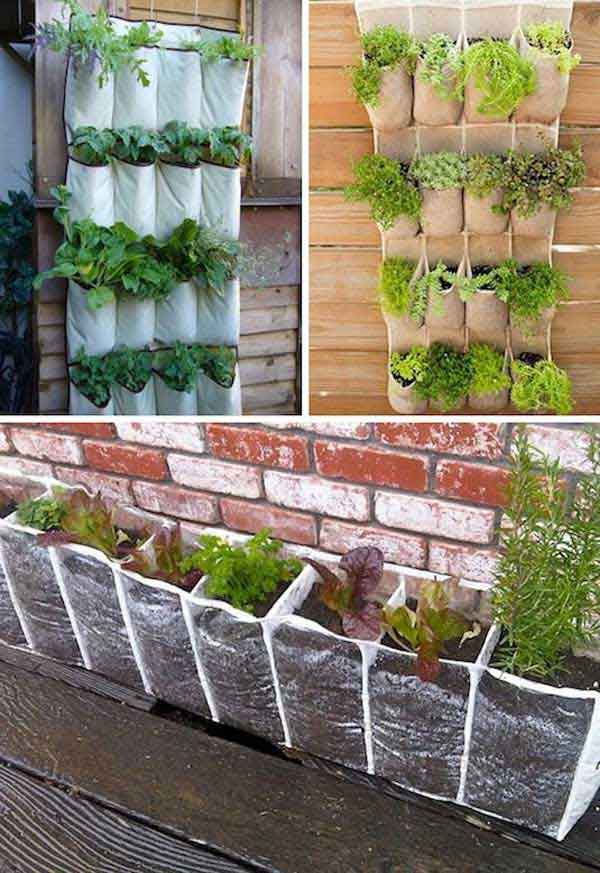
You can use a variety of cheap materials for planters, making gardening accessible and affordable. Here are some options to consider:
Recycled Plastic Containers
Using recycled plastic containers can be a fantastic low-cost solution for planters. Items like old yogurt cups, takeout containers, or plastic bottles can serve as planters with minimal modifications.
- Ensure proper drainage by making holes in the bottom of the containers.
- Consider painting them for aesthetic appeal, ensuring to use non-toxic paints.
- Label each container to keep track of what you have planted.
Wooden Pallets
Wooden pallets are often available for free or at a low cost from local businesses. They can be easily transformed into innovative planters.
- Disassemble the pallets and use the wood to construct small raised beds or vertical planters.
- Sand down any rough edges to avoid splinters.
- Line the inside with landscape fabric to retain soil while allowing drainage.
Old Tires
Old tires make for unique and durable planters. They can add a rustic charm to any garden space.
- Stack them for larger planting areas or cut them to create individual planters.
- Paint them with non-toxic paint to brighten up the garden.
- Fill them with soil and plants, keeping in mind the heat retention properties of rubber.
Cardboard Boxes
Cardboard boxes can be a surprisingly effective material for temporary planters or to start seedlings.
- Ensure the cardboard is clean and free from harmful inks or coatings.
- Layer with compost or soil, and place on top of a tarp or plastic to prevent moisture loss.
- Monitor them closely, as they need regular hydration to avoid drying out too quickly.
Metal Cans
Metal cans like coffee or soup tins can be repurposed into chic planters with a little creativity.
- Remove the labels and clean them thoroughly before use.
- Make drainage holes at the bottom to prevent waterlogging.
- Decorate them with twine or paint for a personalized touch.
How to disguise a plastic planter?

To effectively disguise a plastic planter, there are numerous creative approaches you can take. The goal is to enhance its appearance by camouflaging the plastic's shiny, often unattractive surface with materials that blend better into your gardening or home decor. Here are some methods to achieve this:
Using Natural Materials
Utilizing natural materials is one of the most effective ways to enhance the visual appeal of a plastic planter. These materials can create a more organic look that complements your plants.
- Bamboo Wraps: Wrap the plastic planter in bamboo strips for a rustic look.
- Moss: Glue moss around the planter to introduce a lush, green element.
- Coconut Fiber: Use coconut coir for a textured, natural finish that provides good insulation for plant roots.
Painting the Planter
A simple yet transformative approach is to paint the plastic planter. Paint can completely alter the aesthetic and make it more appealing to the eye.
- Acrylic Paint: Use acrylic paint designed for plastic, which will adhere well and allow for a variety of colors.
- Spray Paint: For an even finish, spray paint is a fast option, available in numerous finishes like matte and glossy.
- Stencils: Use stencils to create intricate designs or patterns that add personality to the planter.
Creating a Fabric Cover
Another creative method to disguise a plastic planter is to create a fabric cover. This can add texture and color while allowing for personalization.
- Felt or Burlap: Cut and wrap these materials around the planter, securing them with glue or twine.
- Waterproof Liner: Ensure that the fabric has a waterproof liner to protect it and the planter from moisture.
- Sewing Custom Covers: For a tailored fit, sew custom covers that fit snugly around the planter.
Using Decorative Containers
Sometimes, a simple solution is to place the plastic planter inside a more decorative container. This method is versatile and allows you to change the look easily.
- Wooden Crates: Place the plastic planter inside a wooden crate for a charming garden feel.
- Ceramic Pots: Select ceramic pots that complement the style of your indoor or outdoor decor.
- Metal Buckets: Use vintage or distressed metal buckets for an industrial or rustic touch.
Applying Stone or Brick Veneer
For a more permanent solution, applying a stone or brick veneer can provide a striking effect while disguising the plastic base effectively.
- Adhesive and Tiles: Use strong adhesive to attach stone or brick tiles around the planter.
- Faux Stone Panels: Consider ready-made faux stone panels that can be cut to size and glued on easily.
- Sealing the Surface: Make sure to seal the added materials to protect against moisture and weather elements.
How to fill a deep planter cheaply?
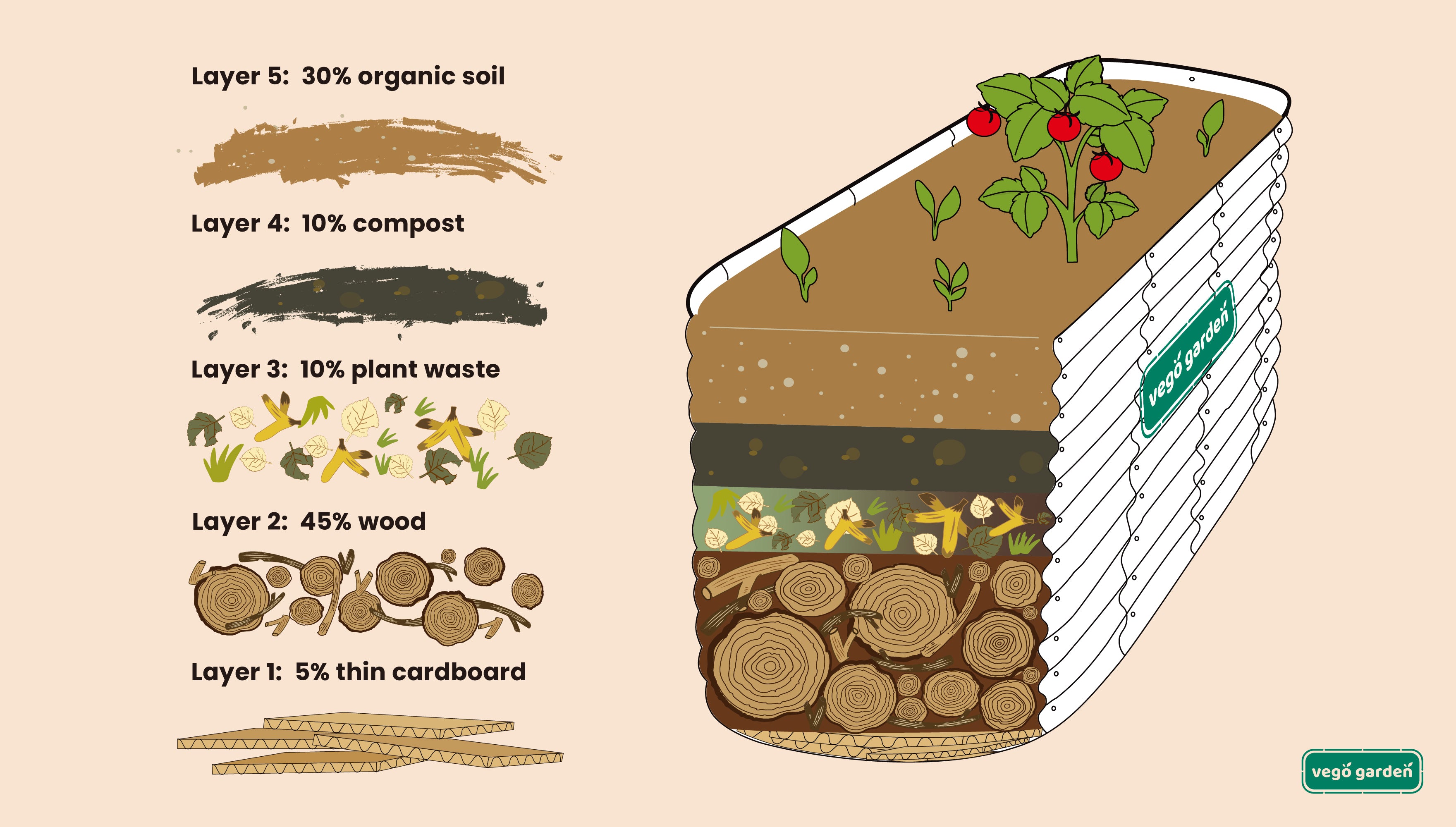
To fill a deep planter cheaply, you can use a variety of materials and methods that reduce costs while ensuring your plants have adequate space and nutrients. Here are some practical strategies to consider:
Use Lightweight Fillers
Using lightweight fillers can significantly reduce the weight of your planter while also saving costs. Consider the following options:
- Plastic Bottles: Fill the bottom of your planter with empty plastic bottles. This not only reduces the amount of soil needed but also promotes good drainage.
- Styrofoam Peanuts: These can be used as a filler, lightening the planter and providing excellent drainage due to their porous nature.
- Crumpled Newspaper: A biodegradable option that adds organic material to your soil while taking up space.
Layering Techniques
Layering is a great technique to fill a deep planter effectively and inexpensively. Consider these layers:
- Coarse Rocks: Start with a layer of large rocks or gravel at the bottom for drainage.
- Smaller Stones: Add a second layer of smaller stones or gravel above the larger rocks to enhance drainage and aeration.
- Soil Mix: Finally, add a mixture of topsoil and compost for your plants to thrive.
Use Salvaged or Recycled Materials
Repurposing materials can save money and reduce waste significantly. Consider the following:
- Old Wood Scraps: Use leftover wood from past projects to create a filler or to build additional layers.
- Pallets: Wooden pallets can be disassembled and used. They are often available for free or at a low cost.
- Old Furniture: Broken or unused furniture can be disassembled and placed in the planter to reduce soil use.
Incorporate Organic Matter
Adding organic matter not only fills space but improves soil health. Use the following:
- Composting Materials: Shredded leaves, grass clippings, or kitchen scraps can decompose in the soil, adding nutrients while also serving as filler.
- Wood Chips: These can be placed at the bottom of the planter, slowly breaking down and enriching the soil.
- Coconut Coir: A sustainable alternative that lightens the soil while retaining moisture.
Plan for Plant Selection
Choosing the right plants can also impact how you fill your deep planter. Considerations include:
- Root Depth: Select plants with shallow roots which require less soil volume compared to deep-rooted plants.
- Spacing: Plan for optimal spacing between plants to reduce the amount of soil needed overall.
- Plant Height: Use taller plants on the top to provide shade for lower layers, allowing you to fill the bottom with less expensive materials.
Questions from Our Readers
How can I paint my cheap planters to make them look expensive?
To create a high-end look, consider using spray paint or acrylic paint in sophisticated colors like matte black or metallic gold. Start by cleaning the planters thoroughly, then apply a primer for better adhesion. Once dry, use several thin coats of paint to achieve a smooth finish. For extra elegance, try adding a glossy sealant which can enhance the overall appearance.
What materials can I use to enhance the appearance of inexpensive planters?
To elevate the look of your planters, you can use natural materials like jute, burlap, or wood to cover the exterior. Wrapping the planter with these materials can create a rustic and stylish vibe. Additionally, consider using decorative stones, gravel, or even faux marble adhesive films to create a unique aesthetic that mimics more expensive designs.
Can I add accessories to make my planters look more luxurious?
Absolutely! Adding decorative elements such as elegant ribbons, natural twine, or stylish labels can significantly enhance a cheap planter's appeal. You might also consider incorporating lush greenery or vibrant flowers in high-quality soil to bring a fresh and luxurious touch. Using matching or contrasting colors can add a modern and chic feel to the overall arrangement.
Is it possible to use lighting to improve the look of my planters?
Yes, incorporating lighting can greatly enhance the visual appeal of your planters. Small string lights or LED fairy lights wrapped around or placed inside the planter can create a warm and inviting ambiance, especially in outdoor settings. The soft glow can highlight the plants and materials, giving an expensive vibe without a hefty price tag.
If you want to read more articles like 10 Creative Tips on How to Make Cheap Planters Look Expensive?, we recommend you check out our Planter category.
Leave a Reply
Related Articles