What is the Proper Term for Cutting Grass? Discover the Best Terminology for Lawn Maintenance
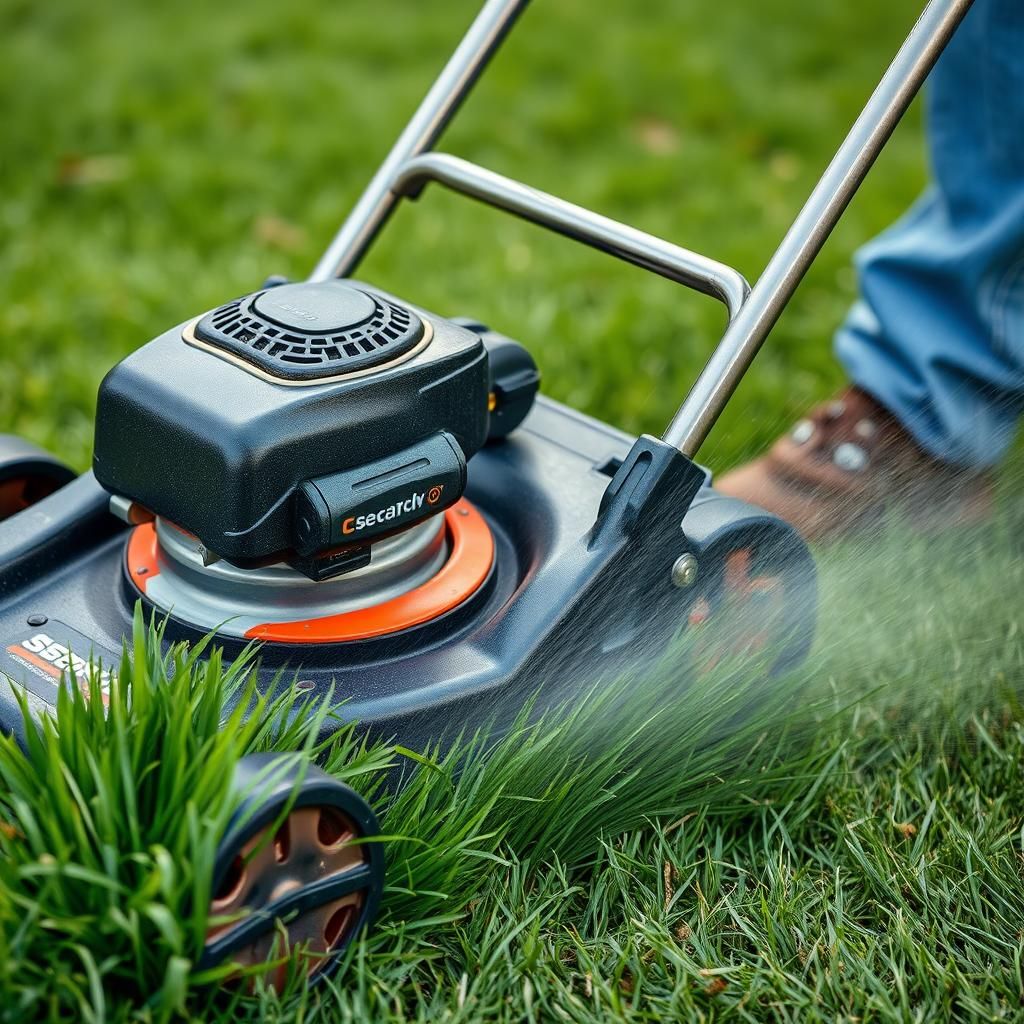
When it comes to lawn maintenance, many homeowners and gardening enthusiasts often find themselves pondering the proper terminology for the act of cutting grass. Is it mowing, trimming, or perhaps something else entirely? Understanding the right term not only enhances communication among lawn care professionals but also aids in understanding the various techniques and tools available for maintaining a healthy lawn. In this article, we will explore the different terms associated with cutting grass, delve into their nuances, and provide insight into the best practices for effective lawn maintenance, ensuring your yard remains lush and vibrant throughout the seasons.
What is the Proper Term for Cutting Grass?
When referring to the practice of cutting grass, the most commonly used term is mowing. Mowing involves using a machine, such as a lawnmower, to trim grass to an even height, promoting a neat appearance and healthy growth. The term can also encompass manual methods, such as using a scythe or string trimmer, but in general conversation, mowing is the preferred terminology. Regular mowing helps maintain the aesthetics of lawns and gardens, while also preventing weeds from taking over and ensuring that the grass remains healthy by stimulating growth.
The Importance of Mowing
Mowing is essential for maintaining a healthy lawn. Regular cutting keeps the grass at an optimal height, which in turn encourages strong root development and helps the grass compete against weeds. Additionally, mowing can help to evenly distribute grass clippings, which can act as a natural fertilizer, returning nutrients to the soil.
When to Mow Your Lawn
Knowing when to mow is crucial for lawn health. Ideally, grass should be mowed when it reaches about one-third taller than the desired height. This promotes a balanced growth cycle and prevents the grass from going to seed, which can weaken it over time. It is best to mow during the cooler parts of the day, such as early morning or late afternoon, to minimize stress on the grass.
Different Mowing Techniques
There are various mowing techniques that can be employed to achieve the best results for your lawn. For example, the striping method, where the mower is angled in alternating directions, can create visually appealing patterns. Another technique is the mulching, where clippings are left on the lawn to decompose and provide nutrients. Adjusting the mower height according to the grass type also plays a significant role in effective mowing.
See also:
Common Mowing Equipment
Several types of equipment are used for mowing, ranging from manual tools to advanced robotic mowers. Traditional lawnmowers, including push mowers and riding mowers, are popular for residential use. For professional landscapers, commercial mowers with larger cutting decks are often utilized to cover more ground quickly. String trimmers and edgers complement these machines, allowing for a well-manicured finish around edges and obstacles.
Benefits of Regular Mowing
Regular mowing has several benefits beyond just aesthetics. It helps promote thicker grass, which can tolerate drought better, and ensures an even growth pattern. This activity also contributes to the prevention of pests and diseases, as a well-maintained lawn is less likely to become infested. Moreover, mowing regularly can significantly reduce the potential for thatch buildup, which can suffocate grass roots and adversely affect lawn health.
| Term | Definition |
|---|---|
| Mowing | The act of cutting grass to a specified height using a machine or tool. |
| Lawnmower | A machine designed for cutting grass to maintain a lawn. |
| Mulching | A technique of leaving grass clippings on the lawn to decompose and fertilize the soil. |
| Edger | A tool used to create clean edges around sidewalks and flower beds. |
| Thatch | A layer of organic material that can build up on the soil surface and affect grass health. |
Understanding Lawn Care Terminology: Mowing vs. Cutting
When it comes to lawn maintenance, the proper term for cutting grass can often lead to confusion among homeowners and landscape professionals alike. The most common terminology used is "mowing," which refers specifically to the act of using a lawn mower to trim the grass to a desired height. However, other terms such as "cutting" or "clipping" may also be used, but they tend to be more general and can include various methods of grass maintenance. Understanding these terms is essential for effective communication within the landscaping community, ensuring that everyone is on the same page when discussing lawn care procedures.
The Importance of Proper Lawn Care Terminology
Using the right terminology in lawn care is vital for effective communication among professionals and homeowners. It helps clarify instructions and ensures that everyone understands the specific tasks required for maintaining a healthy lawn. Misunderstandings caused by the use of incorrect terms can lead to improper maintenance practices, potentially harming the health and appearance of the lawn.
Different Methods of Grass Cutting
Grass can be cut using various methods, each offering unique advantages. The most common method is mowing, which is performed using a lawn mower, but alternatives like scything or using string trimmers also exist. Each method has its own set of benefits, such as efficiency and precision in achieving the desired grass height, making it important for homeowners to choose the right technique based on their specific lawn requirements.
See also:
Choosing the Right Lawn Mower for Your Needs
Selecting the appropriate lawn mower is crucial for effective grass cutting and overall lawn maintenance. Factors such as the size of the lawn, grass type, and personal preferences will influence the decision. Options include push mowers, riding mowers, and robotic mowers, each catering to different needs and offering varying levels of convenience and efficiency to suit the user’s lifestyle.
The Role of Grass Clippings in Lawn Health
Grass clippings, often produced as a byproduct of mowing, play a significant role in lawn health. When left on the lawn, they can serve as a natural fertilizer, returning essential nutrients back into the soil. This practice, known as grasscycling, not only reduces waste but also helps improve soil conditions, promoting a healthier and more lush lawn.
Periodic Lawn Maintenance and Its Benefits
Regular lawn maintenance, including tasks like mowing, aeration, and fertilization, is essential for maintaining a beautiful and healthy lawn. Periodic mowing leads to the preservation of optimal grass height, promotes even growth, and prevents the establishment of weeds. By integrating consistent maintenance practices, homeowners can ensure that their lawns remain vibrant and resilient against pests and diseases.
Questions from Our Readers
What is the proper term for cutting grass?
The proper term for cutting grass is mowing. This process typically involves using a lawn mower to trim the grass to a desired height, helping to maintain the appearance and health of the lawn.
Is there a specific time for mowing grass?
Yes, the best time to mow grass is usually in the late afternoon or early morning. This timing avoids the heat of the day and allows the grass to recover from the stress of cutting.
See also:
How often should I mow my grass?
The frequency of mowing depends on the growth rate of the grass, but generally, it should be done every one to two weeks. During peak growing seasons, you may need to mow more frequently to keep the lawn looking neat.
What height should grass be mowed to?
The appropriate height for mowing grass varies by species, but a common recommendation is to keep it between two to four inches. Cutting grass too short can stress the plant and lead to other issues like weed growth.

If you want to read more articles like What is the Proper Term for Cutting Grass? Discover the Best Terminology for Lawn Maintenance, we recommend you check out our Lawn category.
Leave a Reply
Related Articles