Discover the Stunning Types of Elephant Ear Plants with Pictures: A Complete Guide
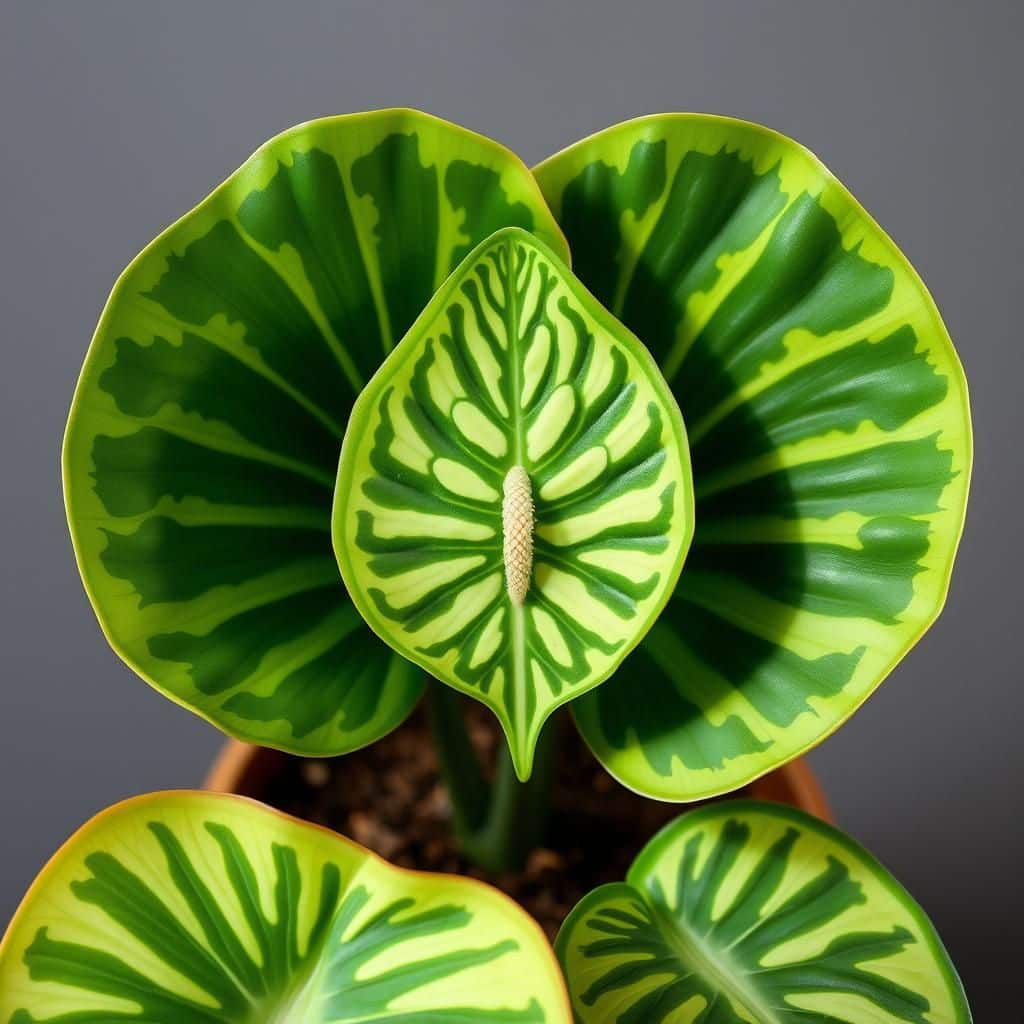
Elephant ear plants, known for their large, dramatic leaves, are a striking choice for gardeners and indoor plant enthusiasts alike. This complete guide delves into the captivating varieties of elephant ear plants, showcasing their unique shapes, colors, and sizes. From the bold Alocasia to the vibrant Colocasia, discover how these plants can transform any space into a lush, tropical paradise. With stunning pictures and essential care tips, this article will help you choose the perfect elephant ear plant for your garden or home. Join us as we explore the beauty and diversity of these remarkable botanical wonders.
Types of Elephant Ear Plants with Pictures
Elephant ear plants, known for their large, striking leaves, belong to the genus Colocasia and Alocasia. These tropical beauties thrive in warm, humid environments and add a dramatic touch to any garden or indoor space. There are various types of elephant ear plants, each showcasing unique leaf shapes, sizes, and colors. Some of the most popular varieties include Colocasia esculenta (Taro), Alocasia odora (Night-Scented Lily), and Alocasia Amazonica (African Mask Plant). Each type has distinct characteristics that make them a favorite among plant enthusiasts. To further illustrate these variations, we include a selection of pictures that highlight the diverse appearance of these stunning plants.
Colocasia Esculenta
Colocasia esculenta, commonly known as Taro, is perhaps the most recognized type of elephant ear plant. It features large, heart-shaped leaves that can reach up to three feet in length. The plant thrives in moist, well-drained soil and is ideal for wetland gardens. Taro is also cultivated for its edible tubers, making it an important crop in many tropical regions. Its lush green foliage can create a bold statement in landscaping or serve as a striking focal point in a garden setup.
Alocasia Amazonica
Alocasia Amazonica, also referred to as the African Mask Plant, is popular for its unique arrowhead-shaped leaves and striking dark green coloration adorned with prominent white veins. This plant has a compact growth habit, making it perfect for indoor spaces with limited room. Alocasia Amazonica prefers bright, indirect light and consistent moisture, though overwatering should be avoided to prevent root rot. Its architectural form and exotic appearance make it a sought-after choice for modern decor.
Alocasia Odora
Known as the Night-Scented Lily, Alocasia odora is well-known not only for its impressive foliage but also for the sweet fragrance that emits from its flowers at night. This variety boasts large, glossy leaves that can grow up to four feet tall. Alocasia odora thrives in humid environments and can be grown both in gardens and as a houseplant. It prefers partial shade, and its striking presence makes it a lovely addition to outdoor landscapes, especially near water features.
Colocasia Black Magic
Colocasia Black Magic is a stunning variety characterized by its dramatic dark purple to black leaves that create a striking contrast in any garden. The foliage can grow up to three feet wide and makes a bold statement in any landscape design. This variety can tolerate full sun to partial shade, though it benefits from consistent moisture in the soil. Its unique coloration and large size make it a favorite choice for those looking to add a touch of drama to their plant collection.
Alocasia Zebrina
Alocasia Zebrina, commonly known for its zebra-striped stems, offers a distinctive appearance that sets it apart from other elephant ear plants. The large, glossy leaves are typically heart-shaped and can grow quite large, making them eye-catching in any setting. This type of Alocasia thrives in bright, indirect light and enjoys a humid environment. It's a fantastic option for indoor gardeners wanting to create a tropical feel, and the striking stems make it a unique focal point in any space.
| Type | Common Name | Leaf Shape | Size | Special Features |
|---|---|---|---|---|
| Colocasia esculenta | Tar | Heart-shaped | Up to 3 ft | Edible tubers |
| Alocasia Amazonica | African Mask Plant | Arrowhead-shaped | Compact | Distinctive veins |
| Alocasia odora | Night-Scented Lily | Large glossy | Up to 4 ft | Fragrant flowers at night |
| Colocasia Black Magic | Black Magic | Large, dark leaves | Up to 3 ft wide | Striking color contrast |
| Alocasia Zebrina | Zebra Plant | Heart-shaped | Large | Zebra-striped stems |
A Comprehensive Overview of Elephant Ear Plant Varieties
The Elephant Ear plant family showcases a diverse array of species that are beloved for their striking foliage and tropical appeal. This complete guide uncovers the stunning visual characteristics of these plants, highlighting varieties such as Colocasia and Alocasia, which boast enormous leaves that can thrive in a range of climates. With their impressive size and unique shapes, Elephant Ears are not only eye-catching but also serve as a focal point in garden designs. This guide is enriched with vivid imagery, providing a closer look at each type's distinctive traits and care requirements to encourage successful growth in both indoor and outdoor settings.
Understanding Colocasia vs. Alocasia
Colocasia and Alocasia are two of the most popular subfamilies within the Elephant Ear group. While Colocasia is often recognized for its heart-shaped leaves and preference for wet soil, Alocasia tends to feature more elongated leaves and a preference for drier conditions. Understanding the differences between these two types is crucial for those looking to choose the right plant for their garden or indoor spaces. Each variety offers unique aesthetic and care needs, making it essential for plant enthusiasts to know which species aligns with their growing conditions.
Top Varieties of Elephant Ear Plants
Some of the most popular varieties of Elephant Ear plants include 'Black Magic', known for its dark, almost black foliage, and 'Mojito', which features striking green leaves with white speckles. Other notable varieties include 'Diamond Head', with its massive heart-shaped leaves, and 'Taro', which is widely cultivated for its culinary uses in addition to its ornamental beauty. Each of these varieties offers something unique, ensuring that every garden or home can benefit from their exotic charm.
Growing Elephant Ear Plants: Tips and Tricks
When it comes to growing Elephant Ear plants, attention to certain environmental factors is crucial. They thrive in humus-rich soil that retains moisture, along with warm temperatures and bright, indirect sunlight. Regular watering and a consistent fertilization schedule can help promote lush, vibrant growth. It's also important to consider the zone in which you're planting, as some types can be more sensitive to cold than others. By following these guidelines, gardeners can cultivate thriving Elephant Ear plants that remain healthy throughout the growing season.
Common Pests and Diseases of Elephant Ear Plants
Like many ornamental plants, Elephant Ear varieties can be susceptible to a range of pests and diseases. Common issues include aphids, spider mites, and fungal infections. Observing the plants regularly and maintaining good airflow can help mitigate these problems. Additionally, utilizing organic pesticides and ensuring proper watering practices can reduce the risk of pest-related damage. Understanding how to identify and deal with these challenges is essential for maintaining the plant's overall health and aesthetic appeal.
Accessorizing Your Space with Elephant Ear Plants
Incorporating Elephant Ear plants into your decor can dramatically enhance the aesthetic of any space. Their bold foliage works well in various settings, from outdoor patios to indoor living areas. Pairing them with complementary plants or placing them in decorative planters can create a stunning visual display. Furthermore, their ability to adapt to both sunny and shaded environments makes them incredibly versatile, allowing plant-lovers to experiment with different layouts and arrangements that highlight their striking appearance.
Questions from Our Readers
What are the different types of elephant ear plants?
Elephant ear plants belong to the Alocasia, Colocasia, and Xanthosoma genera, and common types include Alocasia Amazonica, Alocasia Micholitziana, and Colocasia Esculenta. Each of these has distinct characteristics, such as leaf shape, size, and color, making them popular choices for tropical gardens.
How do I care for elephant ear plants?
Caring for elephant ear plants involves providing them with plenty of sunlight, consistent moisture, and rich, well-draining soil. It's essential to keep the soil damp but not soggy, as overwatering can lead to root rot, while also ensuring they are protected from extreme temperatures.
Can elephant ear plants be grown indoors?
Yes, elephant ear plants can be grown indoors but require a bright location with indirect sunlight. It's important to maintain a high humidity level and ensure the pot has good drainage to help these tropical plants thrive indoors.
What are the best conditions for growing elephant ear plants?
The best conditions for elephant ear plants include temperatures between 60°F and 80°F (15°C to 27°C), full to partial shade, and a rich, organic soil. These conditions facilitate healthy growth and vibrant foliage, contributing to the plant's overall appearance.

If you want to read more articles like Discover the Stunning Types of Elephant Ear Plants with Pictures: A Complete Guide, we recommend you check out our Landscaping category.
Leave a Reply
Related Articles