Ultimate Guide to Caring for an Archontophoenix Cunninghamiana: Tips and Tricks for Healthy Growth

The Archontophoenix Cunninghamiana, commonly known as the bangalow palm, is a stunning addition to any garden or indoor space. Renowned for its elegant fronds and towering stature, this tropical palm thrives in various environments, making it a popular choice among plant enthusiasts. However, ensuring healthy growth requires more than just a green thumb; it demands knowledge of the plant's specific needs regarding light, water, and soil. In this ultimate guide, we will explore essential tips and tricks for caring for your Archontophoenix Cunninghamiana, helping it flourish and maintain its striking appearance throughout the seasons.
Caring for an Archontophoenix Cunninghamiana
Caring for an Archontophoenix cunninghamiana, commonly known as the Bangalow palm, involves providing the right growing conditions to ensure its health and development. This beautiful palm thrives in full sun to partial shade, preferring well-draining soil rich in organic matter. It is essential to maintain consistent moisture, particularly during the growing season, but care should be taken to avoid overwatering, which can lead to root rot. Fertilizing regularly with a balanced, slow-release fertilizer during the growing months will support the palm's growth and vibrant foliage. Additionally, pruning dead fronds and removing any weeds will help maintain its appearance and health.
Optimal Light Conditions
The Archontophoenix cunninghamiana flourishes best in full sun exposure, although it can tolerate partial shade. When planting, ensure that the location receives at least 6 hours of direct sunlight daily to promote robust growth. However, in extremely hot climates, some afternoon shade can prevent leaf scorch, which is crucial for maintaining the plant's vitality. If grown indoors, place the palm near a south-facing window where it can soak up sufficient light.
Soil Requirements
This palm prefers well-draining soil that is rich in organic matter. A mix of peat, coconut coir, and perlite can create an ideal environment for healthy root development. It's crucial that the soil does not retain excessive moisture, as the roots are susceptible to rot. Conducting a soil test can help determine the soil pH, which should ideally be between 6.0 and 7.0 to support optimal nutrient uptake.
Watering Guidelines
Watering an Archontophoenix cunninghamiana should be done regularly, especially during the warmer growing months. The goal is to keep the soil moist but not soggy; overwatering can lead to fatal root rot. As a rule of thumb, water deeply when the top 2-3 inches of soil dry out. In the winter, reduce the frequency of watering, ensuring that the plant does not sit in standing water, as it is more vulnerable to diseases in cooler temperatures.
Fertilization Practices
Regular fertilization is key to fostering strong growth in the Bangalow palm. Use a balanced, slow-release fertilizer every 6-8 weeks during the growing season to provide essential nutrients, focusing on nitrogen, phosphorus, and potassium. Additionally, incorporating micronutrients such as magnesium and iron can help prevent common deficiencies. Always follow the manufacturer's instructions regarding the quantity to avoid over-fertilization.
Pruning and Maintenance
Pruning of an Archontophoenix cunninghamiana is best done to remove any dead or damaged fronds, which will help maintain the plant's aesthetics and overall health. Typically, pruning should only involve the lower fronds that have turned brown, as the upper fronds are vital for photosynthesis. Utilize clean, sharp tools to make clean cuts and prevent the spread of diseases. It’s advisable to perform this during the growing season to allow for quick recovery.
| Care Aspect | Recommendation |
|---|---|
| Light | Full sun to partial shade |
| Soil | Well-draining, organic-rich soil |
| Watering | Keep soil moist but not soggy |
| Fertilization | Balanced slow-release fertilizer every 6-8 weeks |
| Pruning | Remove dead fronds, primarily in the growing season |
Do bangalow palms like sun or shade?
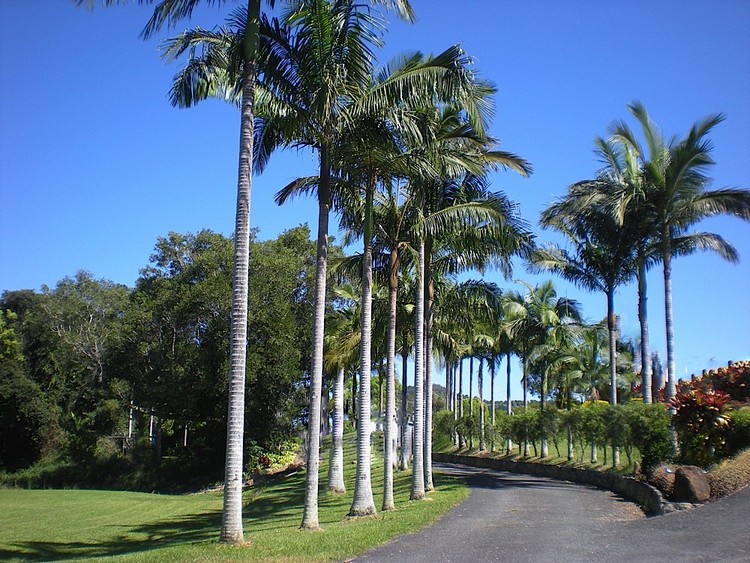
Bangalow palms, known scientifically as Archontophoenix cunninghamiana, thrive best in bright, indirect light, making them suitable for both sun and partial shade. However, they perform exceptionally well in full sun conditions, which can enhance their growth rate and overall health. These palms are native to the subtropical regions of Australia, where they receive a significant amount of sunlight, thus adapting well to sunny environments.
Ideal Sunlight Conditions for Bangalow Palms
Bangalow palms prefer a sunny environment but are relatively adaptable. Here are some specific conditions they thrive in:
- Full Sunlight: They thrive in areas with maximum sunlight exposure, as this mimics their native habitat.
- Partial Shade: While they can tolerate partial shade, prolonged periods without sufficient light can hinder their growth.
- Protection from Harsh Conditions: Young palms may need protection from intense midday sun, especially in hot climates.
Effects of Sun Exposure on Growth
The amount of light a Bangalow palm receives directly influences its growth patterns and health:
- Faster Growth Rate: In optimal sunlight, these palms tend to grow faster and develop a fuller canopy.
- Stronger Roots: Adequate sunlight encourages a robust root system, essential for stability and nutrient uptake.
- Enhanced Coloration: Full sun exposure often results in more vibrant green foliage.
Signs of Insufficient Sunlight
When Bangalow palms do not receive enough light, they exhibit certain symptoms that can indicate stress:
- Pale Leaves: Lack of adequate sunlight can cause the leaves to lose their rich green color.
- Leggy Growth: Plants may become elongated, reaching for light, resulting in a spindly appearance.
- Slow Growth: Growth rate significantly diminishes, and new fronds may take longer to develop.
Best Practices for Sunlight Exposure
To ensure your Bangalow palms thrive, consider the following practices regarding their sunlight exposure:
See also:
- Placement: Position them in a spot that receives plenty of morning and afternoon sun.
- Monitor Shade from Surroundings: Ensure that taller plants or structures do not block sunlight during peak hours.
- Acclimate to Full Sun Gradually: If moving indoors to outdoors, gradually acclimatize them to prevent shock.
Seasonal Considerations for Sunlight
Seasonal changes can affect the amount of light your Bangalow palms receive, which is essential to consider:
- Sun Angle Changes: In winter months, the angle of the sun changes, so ensure that palms still receive ample light.
- Summer Heat: During extreme summer heat, provide some shade to protect young plants from scorching.
- Monitoring Growth Cycles: Observe your palms throughout the year to determine if adjustments to sunlight exposure are needed.
Do king palms like sun or shade?
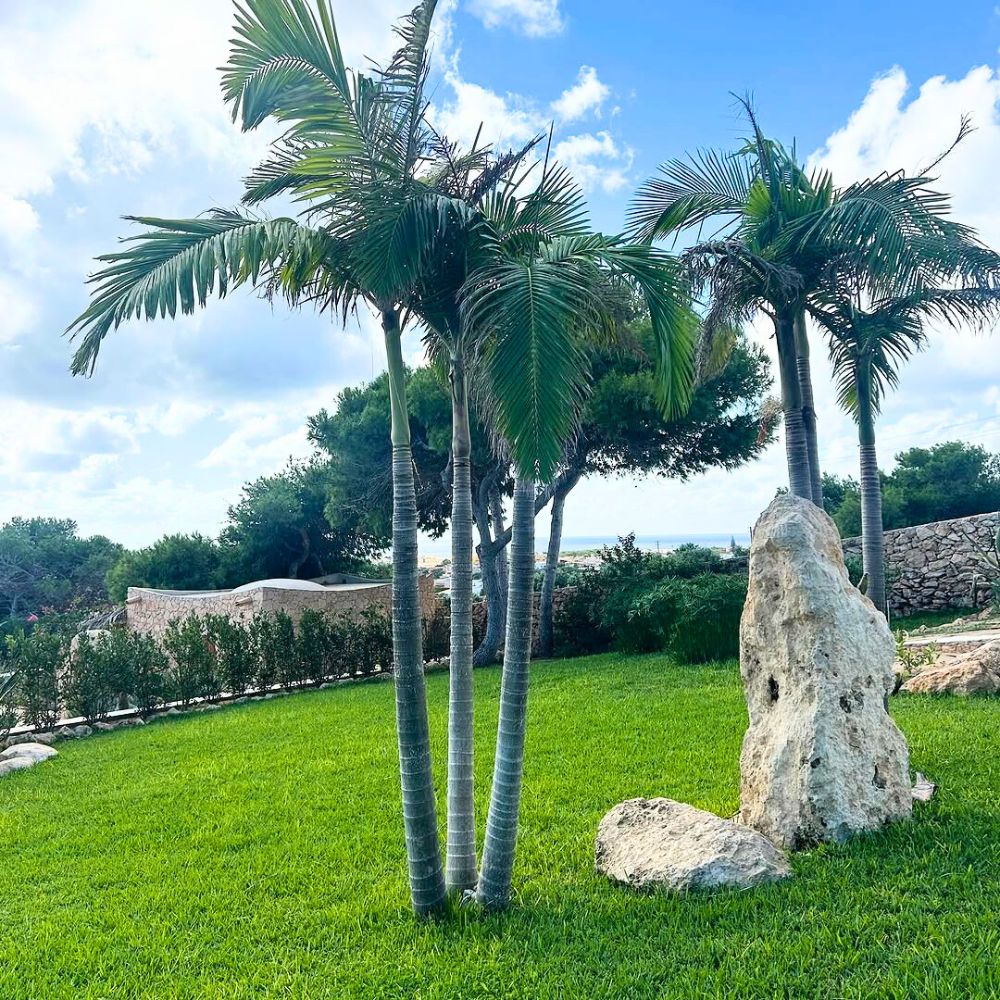
King palms, known scientifically as Archontophoenix species, are tropical plants that thrive in warm climates. When it comes to sunlight, king palms prefer full sun but can also adapt to partial shade. However, optimal growth occurs when they receive plenty of bright, indirect light. In too much shade, king palms may struggle to grow robustly and show symptoms of nutrient deficiency. Here’s a detailed breakdown of their light preferences.
Optimal Sunlight Conditions
King palms thrive best under full sunlight conditions. They generally prefer at least 6 to 8 hours of direct sunlight daily. This exposure fosters:
- Robust Growth: Adequate sunlight encourages a healthy growth rate.
- Vibrant Foliage: Full sun promotes the lush green color of the leaves.
- Improved Resistance: Strong sunlight exposure can enhance the palm's resistance to pests and diseases.
Effects of Too Much Shade
While king palms can tolerate some shade, excessive shading can lead to several issues:
- Stunted Growth: The absence of sufficient light may slow down their growth.
- Yellowing Leaves: Lack of sunlight may cause the leaves to turn yellow, indicating nutrient deficiencies.
- Increased Susceptibility: A shaded king palm may become more vulnerable to pests and diseases.
Adaptability to Different Light Conditions
King palms are known for their adaptability, but their performance varies:
- Partial Shade Tolerance: They can survive in partial shade, especially during hot summers.
- Dappled Sun: They do well in areas where sunlight filters through other trees.
- Growth in Varied Conditions: They may still grow, but the rate and quality can be impaired in low-light situations.
Temperature Considerations
Besides light, temperature plays a crucial role in the health of king palms:
- Warm Temperatures: King palms thrive in temperatures above 60°F (15°C).
- Cold Sensitivity: They do not fare well in frost; cold conditions can inhibit their ability to gain energy from sunlight.
- Seasonal Changes: In colder months, reduced sunlight hours may also affect growth and vigor.
Importance of Soil and Watering
The interplay between sunlight, soil, and water is vital for king palm health:
- Well-Draining Soil: Adequate drainage is essential to prevent root rot in sunny locations.
- Consistent Watering: Regular watering, especially in sunny conditions, keeps the palm hydrated.
- Nutrient Availability: Healthy soil helps the palm absorb nutrients necessary for thriving in sunlit areas.
Can you grow bangalow palms in pots?

Yes, you can grow Bangalow palms (Archontophoenix cunninghamiana) in pots, making them a suitable choice for patio or indoor environments. These palms are native to Australia and are appreciated for their elegant appearance and ability to thrive in various conditions. When grown in pots, they require some specific care and consideration to ensure healthy growth and development.
Container Size and Material
When choosing a pot for your Bangalow palm, it is crucial to select the right size and material. The pot should be large enough to accommodate the root system, allowing for adequate growth.
- Size: A pot that is at least 12 to 18 inches in diameter is ideal for younger palms, while larger specimens may need pots of 20 inches or more.
- Material: Clay or ceramic pots are preferred as they provide better breathability compared to plastic pots. However, ensure that the pot has drainage holes to prevent water from accumulating.
- Weight: Consider the weight of a fully grown palm inside the pot; heavier materials may be more stable outdoors.
Soil Requirements
The type of soil you use is vital for the health of your potted Bangalow palm. A well-draining soil mix is essential because palms do not tolerate soggy roots.
- Mix Composition: Use a mix of potting soil, sand, and perlite to enhance drainage.
- pH Level: Aim for a slightly acidic to neutral pH (6.0 to 7.0) for optimal growth.
- Soil Maintenance: Regularly check the soil for compaction and replace it every couple of years to maintain aeration.
Watering Practices
Proper watering is crucial for the potted Bangalow palm. As tropical plants, they thrive in moist conditions but can be sensitive to overwatering.
See also:
- Frequency: Water the palm when the top inch of the soil feels dry. This usually means watering once a week but can vary with climate.
- Water Quality: Use distilled or rainwater if possible, as harsh chemicals in tap water can harm the plant.
- Drainage Check: Always ensure that excess water can drain from the pot to avoid root rot.
Light Conditions
Bangalow palms prefer to be in bright, indirect sunlight. However, they can adapt to partial shade, especially in hotter climates.
- Full Sun Exposure: In areas with intense summer sun, provide some afternoon shade.
- Indoor Lighting: If grown indoors, place them near a window where they can receive plenty of light without being exposed to direct midday sun.
- Seasonal Adjustment: During winter months, adjust the light levels to prevent leaf scorch.
Fertilization Needs
Fertilizing your Bangalow palm during the growing season is crucial for healthy growth. They benefit significantly from adequate nutrients.
- Type of Fertilizer: Use a slow-release, balanced fertilizer specially formulated for palms.
- Application Frequency: Fertilize every 6 to 8 weeks during the growing season (spring and summer).
- Signs of Nutrient Deficiency: Watch for yellowing leaves or stunted growth, indicating a need for additional fertilization.
Why is my Bangalow palm dying?

Your Bangalow palm, scientifically known as Archontophoenix cunninghamiana, may be facing difficulties due to several factors that can lead to its decline. Here are some common reasons why your Bangalow palm might be dying:
Improper Watering
Watering is vital for the health of any plant, but it is particularly crucial for palms. Too much or too little water can stress the plant.
- Overwatering: This can lead to root rot, which prevents roots from absorbing nutrients and water effectively.
- Underwatering: Insufficient water can cause the leaves to turn brown and dry out, leading to overall decline.
- Soil Drainage: Poor drainage can exacerbate overwatering issues, trapping moisture around the roots.
Inadequate Lighting Conditions
Bangalow palms thrive in bright, indirect sunlight, but they can also suffer from inappropriate light exposure.
- Too Much Sun: Prolonged exposure to harsh, direct sunlight can scorch the leaves.
- Insufficient Light: In low-light conditions, the palm may become weak and leggy as it stretches towards the light source.
- UV Protection: If placed near windows with strong UV rays, it may require some form of shading to prevent leaf damage.
Nutrient Deficiencies
Just like any other plants, Bangalow palms require various nutrients to thrive.
- Magnesium Deficiency: This can lead to yellowing leaves and weak growth.
- Iron Deficiency: Results in interveinal chlorosis, visible as yellowing between the leaf veins.
- Fertilization: Lack of proper fertilization may lead to depleted soil, hindering growth and health.
Pest Infestations
Pests can be a significant threat to the health of Bangalow palms.
- Spider Mites: These microscopic pests may cause leaf discoloration and damage.
- Scale Insects: They suck the sap, weakening the palm and leading to leaf drop.
- Control Methods: Regularly inspect for pests and apply appropriate horticultural oils or insecticidal soaps.
Environmental Stress Factors
Bangalow palms can be sensitive to changes in their environment.
- Temperature Fluctuations: Extreme cold or heat can impact overall health and vitality.
- Humidity Levels: Low humidity can lead to browning leaf tips and stunted growth.
- Wind Exposure: Strong winds may physically damage palm leaves and disrupt growth patterns.
Questions from Our Readers
What kind of soil is best for Archontophoenix cunninghamiana?
For Archontophoenix cunninghamiana, a well-draining soil mix is ideal. Potting soil combined with perlite or sand helps to ensure good drainage and prevents waterlogging, which is crucial for the health of this palm.
How often should I water my Archontophoenix cunninghamiana?
You should water your Archontophoenix cunninghamiana when the top inch of soil feels dry. Generally, this palm requires consistent moisture but should not be overwatered, as this can lead to root rot.
What kind of light conditions does Archontophoenix cunninghamiana prefer?
This palm thrives in bright, indirect light but can also tolerate some direct sunlight. Too much intense sunlight can scorch the leaves, so it's best to provide a balance of light for optimal growth.
How do I fertilize Archontophoenix cunninghamiana?
Fertilizing your Archontophoenix cunninghamiana during the growing season with a balanced, slow-release fertilizer will ensure it receives the necessary nutrients. A monthly feeding during the spring and summer can promote healthy growth and vibrant foliage.
See also:

If you want to read more articles like Ultimate Guide to Caring for an Archontophoenix Cunninghamiana: Tips and Tricks for Healthy Growth, we recommend you check out our Landscaping category.
Leave a Reply
Related Articles