What is the Least Expensive Way to Landscape? Top Tips for Budget-Friendly Gardening

Landscaping your outdoor space can often feel like a daunting and costly endeavor, but it doesn't have to break the bank. With a bit of creativity and resourcefulness, you can transform your garden into a beautiful oasis without overspending. In this article, we will explore practical tips and strategies for budget-friendly gardening that will allow you to achieve a stunning landscape on a shoestring budget. From selecting the right plants to utilizing DIY techniques, you'll discover how to make the most of your garden while keeping your finances in check. Let's dive into the least expensive ways to landscape effectively!
What is the Least Expensive Way to Landscape?
One of the least expensive ways to landscape is to focus on using native plants and minimizing the need for irrigation and ongoing maintenance. Native plants are adapted to the local climate and soil conditions, which means they require less water, fertilizer, and pest control compared to exotic species. Additionally, creating a simple landscape design with elements such as gravel paths, natural mulch, and strategic plant placement can reduce costs. Utilizing DIY techniques, such as building your own raised beds or garden borders from reclaimed materials, can also save money while allowing for creative expression. Lastly, consider adding features like a self-sustaining garden, which can further reduce ongoing expenses and enhance sustainability.
Utilizing Native Plants
Choosing native plants for your landscape offers several advantages, including lower maintenance costs and increased resilience to local pests and diseases. These plants require less water and fertilizer once established, making them perfect for budget-conscious gardeners. Moreover, selecting species native to your area can attract local wildlife, such as birds and pollinators, contributing to a healthy ecosystem. By investing time understanding the plants that naturally thrive in your region, you can create a beautiful and sustainable garden that flourishes with minimal financial input.
DIY Projects
Engaging in DIY projects is an excellent way to save money on landscaping while adding a personal touch to your outdoor space. Whether you're constructing garden beds, installing pathways, or creating borders with reclaimed wood or stones, these projects often cost significantly less than hiring professional landscapers. Online tutorials and community workshops can provide valuable guidance to help you complete these tasks efficiently. Additionally, repurposing materials you already own can significantly lower your expenses, making DIY a financially savvy choice for landscape design.
Using Natural Hardscaping
Incorporating natural hardscaping materials into your landscape can enhance aesthetic appeal without breaking the bank. Using resources like stone, gravel, or mulch is a cost-effective way to create pathways, seating areas, and decorative borders. These elements not only reduce the need for lawn maintenance but also help with drainage and soil conservation. Opting for materials that are locally sourced can further decrease costs and minimize environmental impact, making your landscape both beautiful and sustainable.
Creating a Low-Maintenance Landscape
Designing a low-maintenance landscape can save both time and money, as it reduces the need for regular upkeep. Choosing drought-resistant plants, minimizing lawn areas, and incorporating mulched beds can lower water usage and upkeep costs. Additionally, implementing xeriscaping techniques, which focus on water-efficient landscaping, can enhance the sustainability of your garden. By prioritizing simplicity and functionality in your design, you can create an attractive outdoor space that requires minimal resources and maintenance.
Community Gardening and Sharing Resources
Participating in a community gardening initiative or sharing resources with neighbors can significantly reduce landscaping costs. Many communities have shared gardens where individuals can cultivate plants, veggies, and flowers together, often sharing tools and knowledge in the process. This collaborative effort not only minimizes individual expenses but also fosters a sense of community and connectedness among participants. Additionally, sharing seeds, plants, or equipment can provide further savings while promoting sustainability.
| Aspect | Details |
|---|---|
| Native Plants | Low maintenance, drought-resistant, supports local wildlife. |
| DIY Projects | Cost-effective, personalized, uses reclaimed materials. |
| Natural Hardscaping | Enhances appeal, reduces lawn maintenance, locally sourced options. |
| Low-Maintenance Design | Limited upkeep, drought-resistant selections, xeriscaping techniques. |
| Community Gardening | Shared resources, fosters community, reduces individual costs. |
What is the cheapest option for landscaping?
:max_bytes(150000):strip_icc()/landscaping-on-a-budget-2131962-hero-2c4072b220ee4bd5944c1a4fe816360e.jpg)
The cheapest option for landscaping typically involves using low-cost materials and plants that require minimal maintenance. Here are some strategies and options that can help you achieve a beautiful landscape without breaking the bank:
Utilizing Native Plants
Using native plants is one of the most cost-effective landscaping options. Native plants are adapted to the local climate and soil conditions, making them easier to grow and maintain.
- Low Maintenance: They require less water and care compared to non-native species.
- Natural Aesthetic: They often provide a habitat for local wildlife, enhancing the ecological value of your landscape.
- Cost-Effective: Native plants are typically less expensive to purchase and replace.
DIY Landscaping Projects
Engaging in DIY landscaping projects can significantly reduce your costs. By doing the work yourself, you cut out labor costs associated with hiring professionals.
- Planning: Spend time planning your design using free online resources or mobile apps.
- Choosing Materials: Opt for recycled or salvaged materials for hardscaping features.
- Labor: Enlist friends or family to help with the installation to make it a fun group project.
Minimalistic Design Approach
Adopting a minimalistic design approach can also be a budget-friendly option. This style focuses on simplicity and the efficient use of space.
- Fewer Plants: Select a limited number of carefully chosen plants, which reduces the overall cost.
- Clean Lines: Utilize straight lines and geometric shapes to create a cohesive look without extensive landscaping.
- Functional Spaces: Focus on creating functional areas like seating or pathways that require less upkeep.
Gravel and Mulch for Ground Cover
Incorporating gravel and mulch as ground cover is a cost-effective and low-maintenance solution. These materials not only reduce weed growth but also improve drainage.
See also:
- Affordability: Both gravel and mulch are generally inexpensive options compared to grass or sod.
- Longevity: Once installed, they can last for years with little upkeep needed.
- Versatility: They can be used creatively in various areas, such as pathways, gardens, and borders.
Community Resources and Grants
Exploring community resources and grants can help offset landscaping costs. Many local organizations support environmentally friendly practices through funding.
- Local Nurseries: Some offer discounts or free plants for community projects.
- Government Grants: Check for any available grants for sustainable landscaping initiatives.
- Workshops: Participate in free workshops offered by local parks or botanical gardens to gain skills and knowledge.
What is the cheapest way to fill landscape?
To fill a landscape cost-effectively, several approaches can be implemented, depending on the specific needs and conditions of the site. Here are some of the cheapest methods to consider:
Utilizing Local Materials
Using local materials can significantly reduce costs associated with transportation and purchasing. Here are some options to consider:
- Soil: Use native soil from the area for fills, rather than imported materials.
- Rocks: Collect stones or gravel from local quarries or nearby landscapes.
- Organic Mulch: Employ local organic materials such as wood chips or leaves as a top layer to retain soil and improve aesthetics.
Implementing Fill Alternatives
Instead of traditional fill materials, consider using alternatives that can be more affordable and environmentally friendly:
- Recycled Materials: Use crushed concrete or reclaimed brick as they are often cheaper than new materials.
- Compost: Employ compost to enrich soil while also providing volume, which can often be sourced inexpensively from local farms.
- Sand: If sand is readily available, it can be a low-cost option for filling voids.
Labor Considerations
Reducing labor costs can further enhance the cost-effectiveness of filling landscape areas. Consider the following strategies:
- DIY Approach: Engage in a do-it-yourself filling project if possible, utilizing friends or family help.
- Community Involvement: Organize a local event where volunteers can assist with filling the landscape.
- Seasonal Hiring: If professional assistance is needed, consider hiring labor during off-peak seasons when rates may be lower.
Minimizing Waste
Less waste means lower costs when filling landscapes. Here are some methods to minimize waste:
- Planning: Carefully assess the area to calculate the exact amount of fill needed to avoid excess purchases.
- Repurposing: Reuse materials from other areas of your property instead of buying new materials.
- Strategic Distribution: Spread fill evenly across the landscape to reduce the chance of needing more fill later.
Government or Local Program Assistance
Check if there are any local or governmental programs that can assist with landscape filling. These programs may include:
- Grants: Look for grants or funding that support landscaping efforts in your community.
- Discounted Services: Investigate discounted services offered by non-profits focused on environmental restoration.
- Community Resources: Utilize local community exchanges or programs that offer materials at reduced or no cost.
How to landscape on a tight budget?
To landscape on a tight budget, you can adopt various strategies that allow you to beautify your outdoor space without breaking the bank. Here are some practical tips and ideas to help you achieve a stunning landscape while being mindful of your finances.
Choose Native Plants
Using native plants is one of the most effective ways to save money on landscaping. Native species are adapted to the local climate and soil conditions, resulting in lower maintenance costs over time. They typically require less water and fewer fertilizers, contributing to lower bills.
- Research which plants are native to your area.
- Consider planting in groups for a more natural look.
- Visit local nurseries for affordable native plant options.
DIY Landscaping Projects
Taking on do-it-yourself landscaping projects not only saves money but also allows you to put your personal touch on your outdoor space. There are numerous projects you can undertake without needing professional help.
- Build your own garden beds using reclaimed wood.
- Create decorative pathways with gravel or mulch.
- Make garden art from repurposed materials.
Utilize Hardscaping Wisely
Incorporating hardscaping, such as patios, paths, and retaining walls, can add functionality and aesthetic appeal to your landscape. You can use budget-friendly materials like pavers or bricks to create stunning designs without high costs.
See also:
- Consider using recycled or second-hand materials.
- Create a simple gravel path for a clean look.
- Use concrete blocks creatively for seating areas.
Plan and Prioritize
Creating a detailed landscape plan allows you to visualize your project and set priorities. Not only does this keep costs under control, but it also prevents you from making impulsive purchases.
- Sketch your design on paper before starting.
- Identify the most important areas to focus on first.
- Set a budget limit for each phase of the project.
Consider Seasonal Changes
Landscaping is not just a one-time endeavor but should consider seasonal changes. Plan for plants that will bloom at different times of the year to ensure your yard looks attractive year-round without constant expenses.
- Choose plants with staggered blooming times.
- Incorporate evergreens for year-round greenery.
- Plan seasonal maintenance to keep costs manageable.
What is the rule of 3 in landscaping?

The Rule of Three in landscaping is a design principle that suggests using groups of three for arranging plants or other landscaping elements to create a more visually appealing and harmonious environment. This rule operates on the premise that odd numbers tend to create a more pleasing balance compared to even numbers. When elements are grouped in threes, they can establish a clear focus, enhance symmetry, and provide a sense of rhythm in the landscape. This principle can apply not just to plants but also to various design features like trees, shrubs, flowers, and even hardscaping elements.
Understanding the Aesthetic Impact
The aesthetic impact of the Rule of Three is significant in landscaping design. Odd numbers create visual interest by encouraging the eye to move through a space naturally. When three plants or objects are used together, they can create a focal point, drawing attention and providing a more captivating scene. This method can be applied to:
- Groupings of plants: Arranging different varieties of flowers in clusters enhances their individuality while maintaining visual harmony.
- Pathways and seating areas: Focusing on three seating areas or groups of stones can create a comfortable flow for gatherings.
- Layering textures: Using three types of textures in foliage can add depth and character to the landscape.
Application in Planting Design
The Rule of Three plays a crucial role in planting design. By planting in groups of three, landscapers can achieve a more natural look that emulates how plants often grow in the wild. This principle can guide the selection and placement of plants, maximizing their visual appeal. Consider the following approaches:
- Color coordination: Group three colors of flowers to create a striking visual impact.
- Height variation: Use the rule to layer plants of different heights, creating a more dynamic look.
- Seasonal interest: Choose three plant types that bloom at different times, ensuring year-round visual interest.
Enhancing Focal Points
Landscaping often aims to create focal points that capture attention and anchor a space. The Rule of Three can enhance these focal points effectively:
- Grouping elements: Use three similar features, such as trees or sculptures, to emphasize the focal point.
- Varied perspectives: Arrange objects in a triangular layout to strengthen the visual impact from different angles.
- Beyond the garden: Extend this rule to outdoor furniture or lighting installations for balanced composure.
Improving Visual Harmony
Utilizing the Rule of Three allows landscape designers to achieve greater visual harmony within a space. This principle helps to eliminate clutter and provide coherence in design:
- Balanced arrangements: Groups of three can balance both sides of a landscape, creating an even distribution of weight.
- Continuous flow: Using clusters of three in pathways or borders can create a seamless transition throughout the garden.
- Consistency in theme: Adopting this rule can unify various landscaping elements, enhancing the overall theme.
Examples in Hardscaping
The Rule of Three is not limited to plants; it can also apply to hardscaping elements. Incorporating this rule can significantly enhance outdoor spaces:
- Seating arrangements: Grouping benches or chairs in threes can create friendly and inviting outdoor areas.
- Steps and pathways: Using three different materials in a pathway can delineate areas while maintaining interest.
- Lighting fixtures: Arranging three light sources can create balanced illumination, enhancing safety and beauty.
Questions from Our Readers
What are some low-cost plants for landscaping?
Many low-cost plants for landscaping include native species that thrive in your region, which often require less maintenance and water. Consider using perennial flowers, shrubs, and groundcovers that can be propagated easily or purchased at local nurseries for a fraction of the cost compared to exotic varieties.
How can I save money on landscaping materials?
To save money on landscaping materials, consider using recycled materials such as reclaimed wood, bricks, or stones for pathways and borders. Additionally, buying in bulk for items like mulch or soil can significantly reduce overall costs, while shopping at local discount stores can also uncover affordable options.
What DIY landscaping projects can help reduce costs?
Engaging in DIY landscaping projects can greatly reduce costs; for example, creating your own garden beds, building a compost pile, or installing drip irrigation systems can save money both upfront and in maintenance. Utilizing online resources and tutorials can provide guidance and inspiration to successfully complete these projects.
Are there any cost-effective ways to maintain my landscape?
Yes, to maintain your landscape cost-effectively, focus on implementing a regular maintenance schedule to prevent larger issues, use organic fertilizers that are budget-friendly, and adopt Xeriscaping practices to reduce watering needs. Grouping plants with similar water and sun requirements can also optimize a low-maintenance garden.
See also:
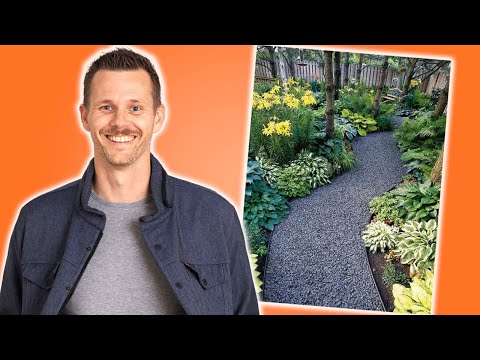
If you want to read more articles like What is the Least Expensive Way to Landscape? Top Tips for Budget-Friendly Gardening, we recommend you check out our Landscaping category.
Leave a Reply
Related Articles