What is the Simple Definition of Landscaping? A Comprehensive Guide to Understanding Landscaping Basics
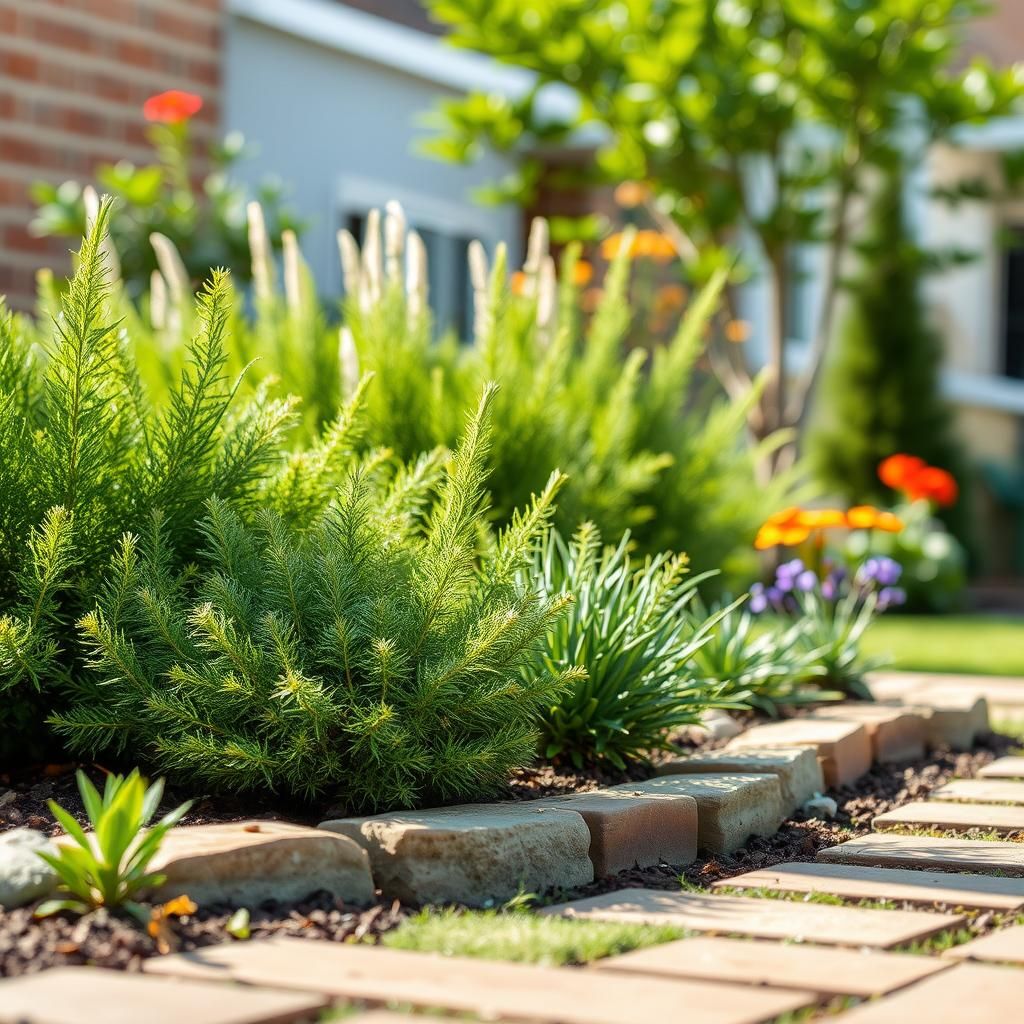
Landscaping is an essential aspect of outdoor design that transforms spaces by harmonizing nature with human creativity. It encompasses a variety of activities, including planting trees, shrubs, and flowers, as well as constructing features like patios, walkways, and water elements. Understanding the fundamentals of landscaping not only enhances the aesthetic appeal of residential and commercial properties but also improves functionality and environmental sustainability. This comprehensive guide delves into the simple definition of landscaping, exploring its key components, techniques, and importance, empowering you to create beautiful and inviting outdoor spaces that reflect your personal style and meet your needs.
What is Landscaping?
Landscaping refers to the art and process of modifying the visible features of an area of land, which includes living elements such as flora (flowers, trees, and shrubs), natural elements (terrain shape and bodies of water), and constructed features (buildings, fences, and paths). The purpose of landscaping is not only to enhance the aesthetic appeal of a space but also to optimize its functionality and sustainability, creating environments that promote both beauty and ecosystem health.
Components of Landscaping
The main components of landscaping include plants, hardscaping, and water features. Plants are crucial for adding color and life, while hardscaping entails the use of non-plant elements like stone pathways, patios, and fences to create functional spaces. Water features, such as ponds and fountains, can provide a sense of tranquility and attract wildlife, enhancing the overall experience of the landscape.
The Importance of Landscaping
Landscaping holds significant importance not only in terms of aesthetics but also for environmental benefits. Well-designed landscapes can improve air quality, conserve water, and support biodiversity. They also increase property values and can have a positive impact on owners' mental well-being, contributing to reduced stress and enhanced outdoor experiences.
Landscaping Techniques
Various techniques are employed in landscaping to achieve specific effects and functionalities. These techniques include grading, which involves adjusting the slope of land for drainage; plant selection, which requires choosing appropriate species for the climate and soil; and ecosystem management, which ensures that the landscaping supports local wildlife and promotes sustainability.
See also:
Types of Landscaping Styles
There are several styles of landscaping, including formal, informal, xeriscaping, and native landscaping. Formal landscaping features symmetrical designs and geometric shapes, while informal styles lean toward more natural and organic layouts. Xeriscaping focuses on water conservation through drought-resistant plants, and native landscaping uses indigenous species to create a low-maintenance, environmentally friendly habitat.
Landscaping Maintenance
Maintenance is a crucial aspect of landscaping that ensures the longevity and health of the landscape. Regular activities include pruning, which promotes healthy plant growth, applying mulch to retain moisture, and weed control to prevent competing plants from taking over. Seasonal tasks, such as fertilizing and soil testing, also play a vital role in maintaining the vibrancy and functionality of a landscaped area.
| Component | Description |
|---|---|
| Plants | Essential for adding color and life to the landscape. |
| Hardscaping | Involves non-plant elements like pathways and patios. |
| Water Features | Enhance tranquility and attract wildlife to the area. |
Understanding the Key Elements of Landscaping
Landscaping refers to the process of modifying the visible features of an area of land, which includes living elements such as flora, fauna, and natural terrain, as well as artificial features like structures, fences, and pathways. It aims to enhance the aesthetic appeal of outdoor spaces, create functional areas for recreation or relaxation, and improve environmental quality. By integrating design principles with ecological awareness, landscaping not only beautifies the environment but also contributes to biodiversity, soil health, and water management.
The Purpose of Landscaping
The main purpose of landscaping is to improve the visual appeal of outdoor areas while also providing functional benefits. This can include creating inviting spaces for social gatherings, enhancing property value, and supporting local ecosystems. Landscaping allows homeowners and landscape professionals to express creativity while ensuring spaces are both beautiful and practical.
Types of Landscaping Styles
There are various styles of landscaping, including traditional, modern, xeriscaping, and formal, each with its own unique characteristics. Traditional landscaping often emphasizes symmetry and classic plant selections, while modern landscaping focuses on minimalism and clean lines. Xeriscaping is a water-efficient approach that uses drought-resistant plants, catering to arid climates. Understanding these styles helps in selecting the appropriate design based on personal preferences and the specific characteristics of the area.
See also:
Essential Landscaping Design Principles
Effective landscaping design requires adherence to key principles like balance, contrast, and harmony. Balance involves the distribution of visual weight in a landscape, ensuring that elements are proportionate and create a sense of stability. Contrast can be achieved through the juxtaposition of different colors, shapes, and textures, while harmony ensures that all elements come together in a cohesive manner. These principles guide designers in creating spaces that are not only attractive but also functional.
Landscaping Maintenance Tips
Maintaining a landscaped area is crucial for ensuring its longevity and aesthetic appeal. Regular tasks include watering, pruning, mulching, and weed control. It is important to follow a maintenance schedule that takes into account seasonal changes, plant types, and local climate conditions. Proper care helps sustain plant health, prevents diseases, and keeps the landscape looking its best throughout the year.
Environmental Impact of Landscaping
Landscaping has a significant impact on the environment, influencing local ecosystems, water management, and even climate regulation. Sustainable landscaping practices, like the use of native plants, can enhance biodiversity, reduce reliance on chemical fertilizers, and minimize water usage. By incorporating environmentally friendly practices into landscaping, individuals and communities can create spaces that not only beautify their surroundings but also contribute positively to the health of the planet.
Questions from Our Readers
What is landscaping?
Landscaping refers to the process of modifying and enhancing the visible features of an area of land. This can include planting trees, shrubs, and flowers, as well as adding features like walkways, patios, and water elements to create an aesthetically pleasing environment.
Why is landscaping important?
Landscaping is important because it improves the appearance of residential and commercial properties, adds value, and can contribute to energy efficiency by providing shade and insulation. Well-designed landscapes can also enhance the natural beauty of the surrounding environment.
See also:
What are the main components of landscaping?
The main components of landscaping typically include plants (such as trees, shrubs, and flowers), hardscape features (like patios and paths), and natural elements (such as rocks and water). Together, these elements work to create a harmonious outdoor space.
Can landscaping be sustainable?
Yes, sustainable landscaping practices focus on using native plants, conserving water, and minimizing chemical use. This approach helps to create landscapes that are not only beautiful but also beneficial for the environment and local ecosystems.

If you want to read more articles like What is the Simple Definition of Landscaping? A Comprehensive Guide to Understanding Landscaping Basics, we recommend you check out our Landscaping category.
Leave a Reply
Related Articles