What Are the Disadvantages of Hawthorn Trees? A Comprehensive Guide

Hawthorn trees, known for their striking beauty and adaptability, are often celebrated in landscaping and natural gardens. However, beneath their charming exterior lies a range of disadvantages that can impact both gardeners and the ecosystems they inhabit. In this comprehensive guide, we will explore the potential drawbacks of hawthorn trees, including issues related to their growth, maintenance challenges, and ecological interactions. From their thorny branches to their susceptibility to pests, understanding these disadvantages is crucial for anyone considering adding this species to their environment. Join us as we delve into the complexities associated with hawthorn trees and how they can affect your gardening experience.
Disadvantages of Hawthorn Trees
While hawthorn trees are often praised for their beauty and ecological benefits, there are significant disadvantages associated with their cultivation. One major concern is their propensity to attract pests, including aphids and spider mites, which can weaken the tree and lead to other plant diseases. Additionally, hawthorn trees can produce a substantial amount of thorns, making them hazardous in densely planted areas or in landscapes frequented by children and pets. Their root systems can also spread aggressively, competing with nearby plants for nutrients and water, while the fruits can create a mess when they fall, attracting unwanted wildlife and insects. Lastly, some hawthorn species can be prone to certain diseases, such as fire blight, which can severely impact their health and aesthetics.
Pest Attraction
Hawthorn trees are notorious for attracting pests like aphids, which can sap the tree's strength and might require chemical treatments to control the infestation. This not only increases maintenance costs for the gardener but can also impact the surrounding vegetation. The attraction of these pests can lead to an imbalance in the local ecosystem, making it a significant disadvantage for those looking for low-maintenance plants.
Thorns and Safety Hazards
The presence of thorns on hawthorn trees poses a safety risk, especially in residential areas where children and pets play. These sharp spines can cause injuries if one comes into contact with them, which can deter homeowners from planting hawthorn near pathways or play areas. Thus, the thorny nature of these trees limits their placement in family-friendly gardens.
Aggressive Root Systems
Hawthorn trees possess extensive root systems that can spread out broadly and compete with other plants for crucial resources. This aggressive growth can overshadow smaller plants, depriving them of light and nutrients, which can lead to the decline of more delicate garden species. For homeowners looking to maintain a diverse garden, this competitive nature can pose a substantial obstacle.
Fruit Mess and Wildlife Attraction
The fruits produced by hawthorn trees can create a mess on lawns and walkways, particularly during their dropping season. This accumulation can attract various wildlife, including rodents and insects, potentially leading to further issues in terms of cleanliness and pest management. Consequently, the nuisance of fallen fruit becomes an additional factor to consider for those who prioritize a tidy garden.
Susceptibility to Diseases
Certain hawthorn species are susceptible to diseases such as fire blight, a bacterial infection that can severely impact their health and vitality. This vulnerability necessitates vigilant monitoring and possible treatment to prevent widespread damage, adding to the maintenance burden associated with these trees. Without proper care, affected hawthorn trees may struggle to thrive, leading to aesthetic and functional issues in the landscape.
| Disadvantage | Description |
|---|---|
| Pest Attraction | Hawthorn trees attract pests like aphids and spider mites, requiring additional maintenance. |
| Thorns | The presence of thorns poses safety hazards for children and pets. |
| Root Systems | Aggressive root systems compete with nearby plants for nutrients and water. |
| Fruit Mess | Fallen fruits create a mess and attract unwanted wildlife. |
| Diseases | Hawthorn species are prone to diseases like fire blight, requiring vigilant care. |
Who should not use hawthorn?
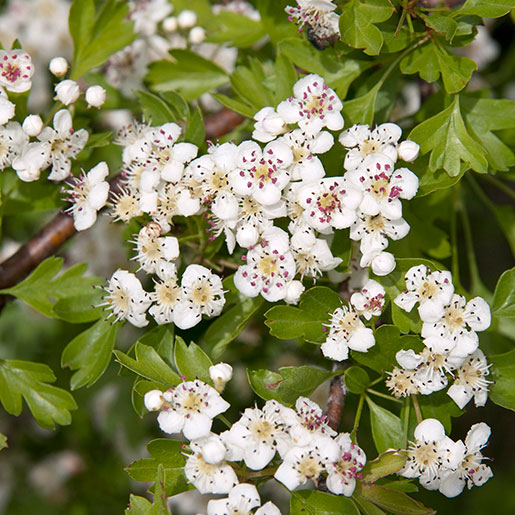
Hawthorn is a popular herbal remedy often used to support cardiovascular health, but there are specific groups of individuals who should exercise caution or avoid using hawthorn altogether. Below are the categories of people who should consider avoiding this supplement.
Individuals with Allergies
Individuals who have known allergies to plants in the Crataegus genus or related species should avoid using hawthorn. Allergic reactions can vary in severity and may include symptoms such as:
- Skin rashes
- Itching
- Respiratory issues
It's important for those with plant allergies to consult healthcare providers before considering hawthorn.
Pregnant and Nursing Women
Hawthorn is not well-studied in pregnant or nursing women, which raises concerns about its safety. Potential risks include:
- Unknown effects on fetal development
- Possible impact on lactation
- Insufficient research on long-term effects
For this population, it's generally recommended to avoid hawthorn unless prescribed by a healthcare professional.
Individuals Taking Certain Medications
Hawthorn may interact with various medications, particularly those affecting heart function. Individuals on the following should avoid it:
See also:
- Anticoagulants (e.g., warfarin)
- Blood pressure medications
- Heart medications (e.g., digoxin)
These interactions can lead to enhanced effects or side effects, making it essential to consult a doctor.
People with Low Blood Pressure
Hawthorn can cause a reduction in blood pressure, which may be harmful for people who already experience low blood pressure. Those affected may face:
- Dizziness
- Fainting spells
- Fatigue
Individuals with hypotension should consult a healthcare provider for alternatives rather than using hawthorn.
Patients with Specific Health Conditions
People with certain medical conditions should be cautious when considering hawthorn:
- Severe heart diseases (without medical guidance)
- Kidney disorders
- Personal or family history of arrhythmias
Consulting a healthcare professional is crucial for these individuals before starting any new regimen involving hawthorn.
What are the cons of the hawthorn tree?
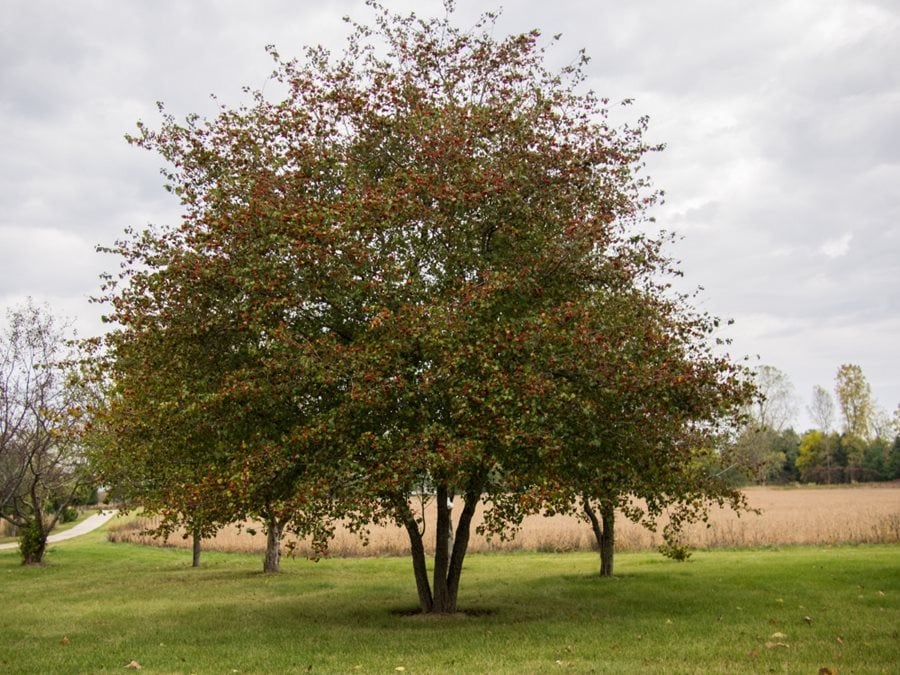
The hawthorn tree, while appreciated for its beauty and utility, comes with several disadvantages that should be considered before planting. Below are some of the notable cons associated with hawthorn trees:
1. Limited Hardiness in Extreme Climates
Hawthorn trees are not as hardy as some other species. They require specific climatic conditions and may struggle in areas with extreme temperatures. This vulnerability can lead to several issues:
- Susceptibility to Frost: Young hawthorns may be damaged by late spring frosts.
- Temperature Sensitivity: They may not thrive in regions with extreme heat or cold.
- Pest and Disease Exposure: Trees can become stressed in unsuitable climates, making them more susceptible to pests and diseases.
2. Prone to Pests and Diseases
Hawthorn trees can attract various pests and are susceptible to several diseases. These health issues can significantly affect the tree’s longevity and aesthetics:
- Hawthorn Lace Bug: This insect can damage foliage, leading to unsightly leaves.
- Fire Blight: A bacterial disease that can kill branches and even the entire tree if not managed properly.
- Powdery Mildew: A fungal infection that affects the tree's health and appearance.
3. Messy Fruits and Thorns
The production of fruit and the presence of thorns contribute to some of the challenges of maintaining hawthorn trees:
- Falling Fruits: The small, berry-like fruits can create a mess on sidewalks and patios.
- Thorns: These can be a nuisance during maintenance and can pose a risk of injury.
- Attracting Wildlife: While this can be beneficial, it can also lead to nuisance animals like squirrels and birds.
4. Slow Growth Rate
Hawthorn trees generally exhibit a slow growth rate, which might not suit everyone’s landscaping needs. Key points include:
- Delayed Maturity: It can take many years for hawthorn trees to reach their full size.
- Aesthetic Wait: Individuals seeking immediate shade or visual impact may be disappointed.
- Competition with Other Plants: Slow growth means less competition with weeds, but it can also be outcompeted by faster-growing species.
5. Limited Wildlife Benefits
While hawthorn trees can provide some benefits to wildlife, they are not as beneficial as some other species. Consider the following:
- Limited Food Sources: Compared to some other fruit-bearing trees, hawthorn produces less nutritious fruits.
- Habitat Preferences: Certain wildlife may prefer other trees or plants for habitat.
- Seasonal Availability: The fruits are not available year-round, reducing the consistent support for wildlife.
Where is the best place to plant a hawthorn tree?
To determine the best place to plant a hawthorn tree, several factors must be considered, including sunlight, soil type, and space. These trees thrive in full sun, which means they require at least six hours of direct sunlight each day. Additionally, they prefer well-drained soil that is rich in organic matter. Planting hawthorn trees away from structures and other large plants is also important to allow for their growth and to prevent crowding.
See also:
Sunlight Requirements
Hawthorn trees require plenty of sunlight to grow vigorously. Full sun conditions promote healthy growth and flowering. Consider the following points when selecting a location:
- Choose a spot that receives at least six hours of direct sunlight per day.
- Avoid shaded areas under larger trees or buildings that may block sunlight.
- Monitor the site throughout the day to assess sun exposure.
Soil Conditions
The type of soil is crucial for the successful growth of a hawthorn tree. They prefer well-drained soil that can retain some moisture without becoming waterlogged. Key considerations include:
- Test the soil pH; hawthorns adapt best to slightly acidic to neutral soil (pH 6.0 to 7.0).
- Avoid heavy clay or overly sandy soils unless amended with organic matter.
- Add compost or well-rotted manure to improve soil structure and nutrient content.
Spacing and Location
Hawthorn trees can grow quite large, so proper spacing is essential. Give them adequate room to thrive:
- Maintain at least 15 feet of space from other trees and structures.
- Consider the mature size of the tree to prevent crowding.
- Plant in an area where their growth will not interfere with power lines or other infrastructure.
Climate Considerations
Hawthorn trees adapt well to various climates but perform best in temperate zones. When selecting a planting location, keep the following climate factors in mind:
- Ensure the location is suitable for your specific climate zone (typically USDA zones 4-8).
- Consider local weather patterns, including frost risks and summer heat.
- Avoid areas prone to extreme flooding or waterlogged conditions.
Pest and Disease Management
Choosing the right location can help minimize pest and disease issues that may affect hawthorn trees. To reduce these risks:
- Plant in a location with good air circulation to prevent fungal diseases.
- Avoid areas heavily populated by pests like aphids and hawthorn lace bugs.
- Regularly inspect the area for signs of infestation before planting.
What are common hawthorn problems?
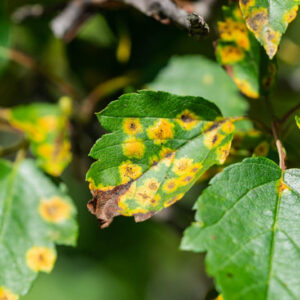
Hawthorns are popular ornamental trees and shrubs, known for their beautiful flowers and berries. However, they can suffer from a variety of problems that can affect their health and aesthetic appeal. Here are some common issues to look out for:
Pests
Pests are one of the most significant problems faced by hawthorn plants. These can include various insects that can harm the tree.
- Spider mites: These tiny pests can cause yellowing of leaves and webbing.
- Scale insects: These can damage the bark and sap, leading to reduced vigor.
- Leaf miners: They create tunnels within the leaves, which can lead to aesthetic damage and weaken the plant.
Diseases
Hawthorns are susceptible to several diseases that can affect their overall health and longevity.
- Fire blight: This bacterial disease can cause wilting, blackening of stems, and dieback.
- Powdery mildew: A fungal infection that results in a white, powdery coating on leaves, often leading to leaf drop.
- Rust fungus: This disease causes orange to reddish lesions on the leaves, affecting photosynthesis and overall health.
Environmental Stress
Hawthorns can experience stress due to environmental conditions, leading to various health issues.
- Overwatering: This can cause root rot, preventing the tree from absorbing nutrients.
- Underwatering: Insufficient water can lead to drought stress, causing leaf drop and stunted growth.
- Extreme temperatures: Sudden temperature fluctuations can damage buds and leaves, leading to poor growth in subsequent seasons.
Soil Issues
The health of a hawthorn can largely depend on soil conditions. Poor soil can lead to nutrient deficiencies.
- Poor drainage: Soil that retains too much water can suffocate roots and promote diseases.
- Nutrient deficiencies: Hawthorns require balanced nutrients; deficiencies can result in poor growth and foliage quality.
- pH imbalance: An incorrect pH level can hinder nutrient uptake, negatively affecting the tree's health.
Cultural Practices
Cultural practices can greatly influence the health of hawthorn trees. Improper care can lead to various issues.
- Improper pruning: Incorrect cuts can lead to open wounds that are susceptible to pests and diseases.
- Insufficient mulching: Lack of mulch can lead to moisture loss and weed competition, stressing the plant.
- Over-fertilizing: Excessive fertilizer can lead to lush foliage but weak branches, making them prone to breakage.
Questions from Our Readers
What are the main drawbacks of planting hawthorn trees?
Hawthorn trees can have several drawbacks when planted, including their tendency to attract pests such as aphids and caterpillars, which can lead to infestations. Additionally, their thorny branches can pose a risk to pedestrians and animals, making them less suitable for certain landscapes, especially in public or recreational areas.
Do hawthorn trees require a lot of maintenance?
Hawthorn trees are relatively low-maintenance, but they do require periodic pruning to maintain their shape and promote healthy growth. They can also be susceptible to diseases like fire blight, necessitating timely care and potential removals of affected branches to maintain the overall health of the tree.
See also:
Can hawthorn trees grow in different soil types?
While hawthorn trees are adaptable, they typically prefer well-drained soils and may struggle in clay-heavy or overly sandy soils. Poor drainage can lead to root rot and other health issues, limiting their growth potential if the soil conditions are not ideal.
Are hawthorn trees invasive in certain regions?
In some areas, hawthorn trees can be considered invasive, particularly if they escape cultivation and spread rapidly in natural habitats. This can disrupt local ecosystems, outcompeting native flora and causing biodiversity loss; therefore, homeowners should consider their local environment before planting.

If you want to read more articles like What Are the Disadvantages of Hawthorn Trees? A Comprehensive Guide, we recommend you check out our Landscaping category.
Leave a Reply
Related Articles