Why is Landscaping so Expensive in Australia? Understanding the Costs and Factors Involved
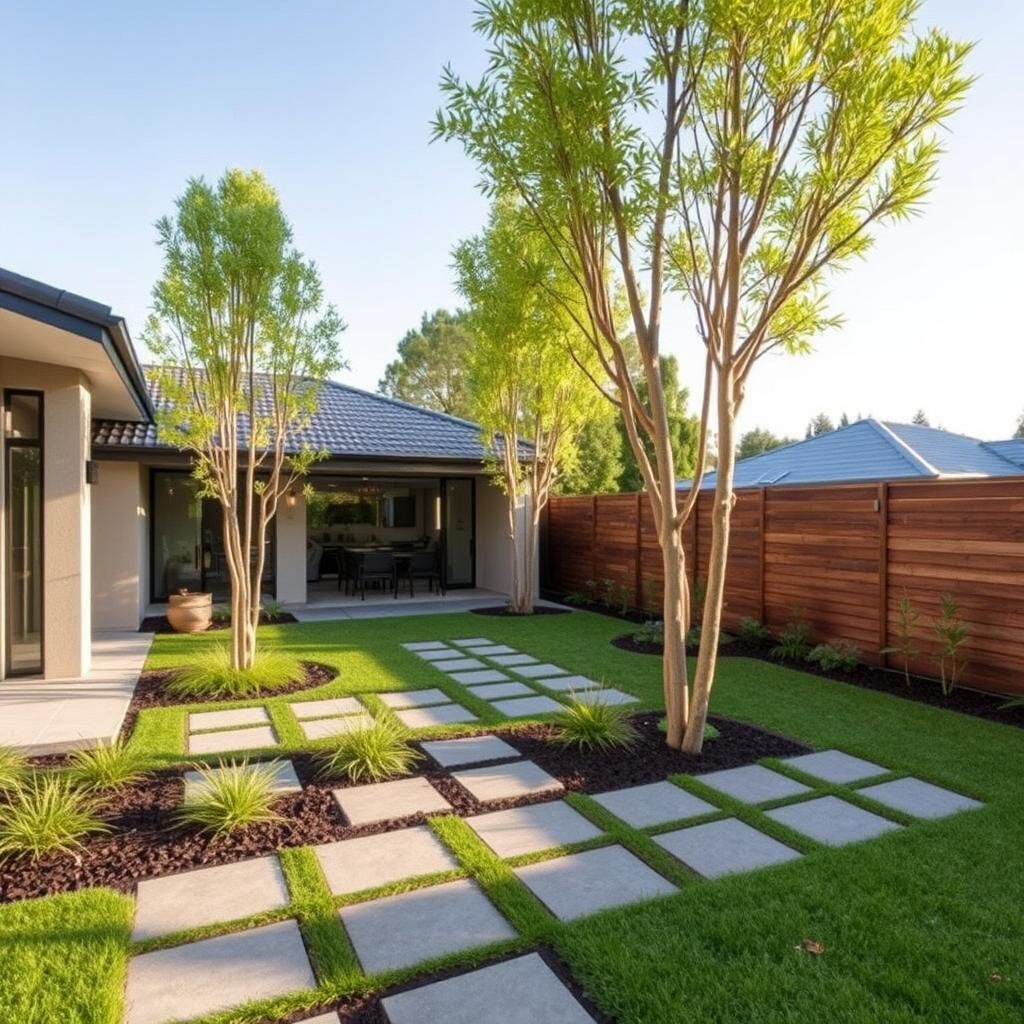
Landscaping in Australia often comes with a hefty price tag, leaving many homeowners wondering about the reasons behind these costs. This article delves into the various factors that contribute to the high expenses associated with landscaping services across the country. From the unique climate conditions and topographical challenges to the availability of skilled labor and the rising costs of materials, understanding these elements can provide valuable insight into why landscaping projects can be so costly. By examining these aspects, homeowners can better prepare for their landscaping endeavors and make informed decisions regarding their outdoor spaces.
Why is Landscaping So Expensive in Australia?
Landscaping in Australia can be expensive due to a variety of factors, including the high cost of materials, a labor shortage in the skilled trades, and unique environmental considerations. The expense of procuring quality native plants and ensuring they are suitable for Australia's diverse climates can drive up costs. Additionally, local regulations and the desire for sustainable practices can add to the financial burden. Installations that require specialized skills, like irrigation systems and intricate hardscaping, further push the pricing out of reach for many homeowners.
High Labor Costs
Labor costs in Australia are significantly higher than in many other countries, particularly in the construction and landscaping sectors. The demand for skilled labor often outstrips supply, leading to increased wages. Professionals in this field typically require comprehensive training and experience, which further contributes to their higher rates. Consequently, homeowners should expect to pay more for quality services and expertise, affecting the bottom line of any landscaping project.
Material Expenses
The cost of materials such as soil, stone, and plants has seen substantial increases in Australia. Many native plants are sourced from local nurseries, which can inflate prices due to limited availability and import restrictions on non-native species. Additionally, the need for durable materials that can withstand Australia's harsh climate often results in a preference for high-quality, premium products. Such choices significantly contribute to overall project costs.
Environmental Considerations
Australia's unique biodiversity and environmental policies can complicate landscaping efforts. Many regions have strict regulations regarding water usage, waste disposal, and plant selection. These regulations often necessitate the use of specialized materials and techniques designed for sustainability, which can drive up costs. Homeowners increasingly seek landscaping that includes features like rain gardens or native plantings, which are often more expensive but beneficial for the local ecosystem.
See also:
Permit and Regulation Fees
Many local governments impose fees for permits related to landscaping projects, especially those that involve significant alterations to land or incorporation of hardscaping elements. Compliance with regional laws can require both time and money, leading to an increased overall budget for homeowners. Understanding and navigating these fees is essential in order to prevent unexpected expenses during the landscaping process.
Customization and Design Complexity
Landscaping is not a one-size-fits-all service, and as a result, projects often include aspects of customization that raise costs. Detailed landscape design plans necessitate the expertise of landscape architects, leading to higher upfront costs. Furthermore, the implementation of complex designs involving paths, decks, or water features adds layers of labor and material expenses. These added enhancements not only beautify a property but can significantly escalate the overall price.
| Factor | Impact on Cost |
|---|---|
| Labor Costs | Higher wages required for skilled workers |
| Material Expenses | Increased prices for native and quality materials |
| Environmental Considerations | Compliance with regulations increases costs |
| Permit Fees | Additional costs for project permits and approvals |
| Customization | Personalized designs lead to higher expenses |
Evaluating the Factors Contributing to Landscaping Costs in Australia
Landscaping in Australia is impacted by a multitude of factors that contribute to its high costs. Among these, the climate variation across the country necessitates the use of specific plants and materials suitable for different environments. Furthermore, the landscape services require skilled labor, which can be hard to find, and this specialized expertise elevates the overall expenses. Landscape projects often encompass numerous elements, such as design, installation, maintenance, and materials that further drive up costs. Additionally, regulations and compliance with local zoning laws can incur extra fees, making the understanding of these factors essential for homeowners planning landscaping work.
Labor Costs in Landscaping
One of the significant contributors to high landscaping costs in Australia is the labor expenses associated with skilled workers. The demand for experienced landscapers can lead to increased rates, particularly in urban areas where the cost of living is higher. Additionally, the need for various specialized professions, such as garden designers, irrigation experts, and hardscape installers, adds another layer of expense. The complexity of a project often requires a team of professionals, increasing both the amount of labor and the associated costs significantly.
Material Expenses and Availability
The choice of materials plays a crucial role in the overall cost of landscaping projects in Australia. Sourcing quality materials such as native plants, stone, and timber can be expensive, especially depending on availability and quality. Further compounding this issue, the importation of certain materials may occur due to the limited local options, incurring shipping and handling fees. This need for sourcing quality and suitable materials can escalate the total cost of any landscaping project considerably.
See also:
Environmental Considerations
Australia's unique environmental conditions require landscaping designs and practices that are both sustainable and suitable for the local flora and fauna. This focus on sustainability often means utilizing specific drought-resistant plants or implementing water-efficient irrigation systems, which may come at a premium cost. Additionally, compliance with environmental regulations can require additional investments in practices that protect natural ecosystems, ultimately affecting the budget of landscaping projects.
Design Complexity and Customization
The level of design complexity in a landscape project can greatly affect its costs. Custom designs that require meticulous planning and additional elements, such as water features, retaining walls, and decorative pathways, can escalate expenses. Homeowners looking for personalized and intricate designs often find that landscape designers charge higher fees for their creative input and the consultation process involved. The more unique and tailored the landscape design, the more the associated costs are likely to increase.
Regulatory Compliance Costs
In Australia, many landscaping projects must adhere to strict local council regulations and building codes, which can contribute to higher costs. Obtaining the necessary permits and ensuring compliance with safety standards can involve extra fees and substantial paperwork. These regulatory requirements are essential to ensure public safety and environmental protection, but they can add significant overhead to landscaping projects, influencing the overall budget for homeowners.
Questions from Our Readers
Why is landscaping so expensive in Australia?
The cost of landscaping in Australia can be attributed to several factors, including labor expenses, material costs, and regulatory requirements. The demand for high-quality landscape design and maintenance services has also driven prices up, as homeowners seek to create aesthetic outdoor spaces.
What are the main factors influencing landscaping prices?
Several elements impact landscaping prices, such as site preparation, plant selection, and the complexity of the design. Additionally, geographical location plays a role, as urban areas often face higher costs due to limited space and increased demand for professional expertise.
See also:
How do seasonal changes affect landscaping costs?
Seasonal variations can significantly influence landscaping costs, as some services may be in high demand during certain times of the year. For example, spring typically sees an influx of projects, leading to increased prices, while during the off-season, companies may offer reduced rates to attract clients.
Are there ways to reduce landscaping expenses?
Yes, there are several ways to lessen landscaping costs, such as opting for native plants that require less maintenance and water, or performing some tasks yourself, like basic planting or yard clean-up. Additionally, comparing quotes from different providers can help you find more affordable options without compromising quality.

If you want to read more articles like Why is Landscaping so Expensive in Australia? Understanding the Costs and Factors Involved, we recommend you check out our Landscaping category.
Leave a Reply
Related Articles