Top Fast Growing Australian Native Screening Plants for Your Garden
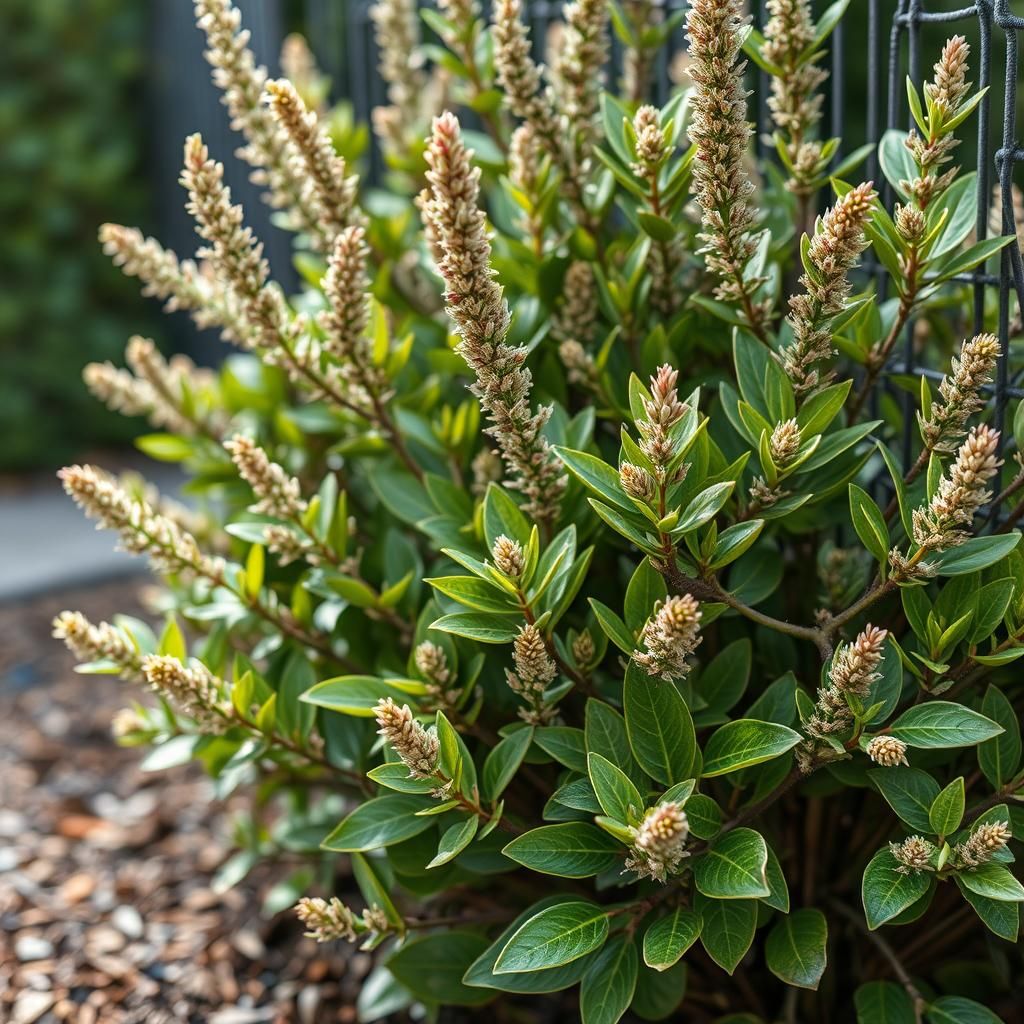
When it comes to enhancing privacy and aesthetics in gardens, native Australian screening plants provide an ideal solution. These fast-growing species not only thrive in local climates but also bring unique textures and vibrant colors to outdoor spaces. By incorporating native plants, gardeners can create natural barriers that attract local wildlife while reducing maintenance efforts. In this article, we will explore some of the top fast-growing Australian native screening plants, highlighting their benefits, growth characteristics, and ideal growing conditions. Discover how these resilient plants can transform your garden into a lush, private sanctuary.
Fast Growing Australian Native Screening Plants
Australian native plants are renowned for their ability to thrive in varied conditions and contribute significantly to biodiversity. Among these, fast-growing screening plants serve a dual purpose; they provide essential privacy and shield from harsh winds while also attracting native wildlife. Selecting appropriate plants not only enhances the aesthetic appeal of a garden but also ensures durability and resilience, particularly in regions that experience extreme climate variations. The beauty of these plants lies in their adaptability to local conditions, their low maintenance requirements, and their contribution to sustainable gardening practices.
Benefits of Using Native Plants for Screening
Using native plants for screening offers numerous benefits, including lower water usage and reduced need for pesticides. These plants are adapted to their local environment, which means they typically require less care compared to exotic species. Additionally, they provide vital habitats, food sources, and shelter for local flora and fauna, promoting biodiversity in every garden.
Top Fast-Growing Native Screening Plants
Some of the fastest-growing native screening plants include the Acacia species, which are known for their quick growth and lush foliage. Other popular choices are the Leptospermum (tea tree) and Callistemon (bottlebrush), both of which can reach full height in just a few years. These plants not only grow quickly but also offer beautiful flowers that attract pollinators, adding both aesthetic and ecological value to your garden.
Planting and Care Tips
When planting screening plants, it’s crucial to consider their soil preferences and watering needs. Most native Australian plants prefer well-drained soils and can tolerate drought once established. It's important to plant them at the right time of year, typically in spring or autumn, to ensure they establish well. Regular pruning may be needed to encourage bushiness and proper growth, allowing them to create an effective screen.
Environmental Impact of Native Screening Plants
Utilizing native screening plants significantly benefits the environment by conserving local ecosystems. These plants require fewer resources and contribute to the reduction of soil erosion. Additionally, they play a crucial role in carbon sequestration and help mitigate effects of climate change. Notably, the use of local flora supports local wildlife, helping maintain and restore habitat.
Incorporating Native Plants into Landscaping
Incorporating fast-growing Australian native screening plants into your landscaping can be done creatively by combining various species for textural diversity and year-round interest. Arranging plants with different heights and foliage shapes can enhance visual privacy while ensuring that the landscape remains vibrant. Furthermore, planting these species in clusters can create an effective barrier against noise and dust, enriching both the experience of the outdoor space and its ecological benefits.
| Plant Name | Growth Rate | Height | Flowering Season |
|---|---|---|---|
| Acacia | Fast | 2-8 m | Spring to Summer |
| Leptospermum | Moderate to Fast | 2-5 m | Spring |
| Callistemon | Moderate to Fast | 1-5 m | Spring to Summer |
| Melaleuca | Moderate to Fast | 2-6 m | Summer |
| Grevillea | Fast | 1-3 m | Spring to Autumn |
What is the fastest growing screening plant in Australia?

The fastest growing screening plant in Australia is generally recognized as the Giant Reed (Arundo donax). This plant is notable for its rapid growth rate, with potential increases of several meters in a single growing season under optimal conditions. Apart from its speed, it serves the purpose of screening due to its dense foliage and tall stature, making it a popular choice for creating privacy screens or windbreaks in gardens and landscapes.
Characteristics of Giant Reed
The Giant Reed exhibits several key characteristics that make it an effective screening plant:
- Height: It can grow up to 3-6 meters tall, providing substantial coverage and privacy.
- Density: The plant has a robust and dense growth habit, which helps block views and reduce noise.
- Adaptability: It thrives in a variety of soils and can tolerate both drought conditions and periodic flooding.
Growth Conditions
To achieve maximum growth, the Giant Reed prefers specific conditions:
- Sunlight: Requires full sun for at least six hours a day to reach optimal heights.
- Water: Benefits from regular moisture, particularly during the growing season, though it can withstand dry spells.
- Soil Type: Adaptable to various soil types, but well-draining soils enhance growth.
Benefits of Using Giant Reed
In addition to its screening capabilities, the Giant Reed offers several benefits:
- Environmental Impact: It can help improve soil erosion control and provide habitat for wildlife.
- Fast Growth: Its rapid growth rate makes it an excellent choice for quick landscaping solutions.
- Low Maintenance: Once established, it requires minimal upkeep compared to other plants.
Potential Challenges
Despite its advantages, there are challenges associated with the Giant Reed:
See also:
- Invasiveness: In some areas, it may become invasive and outcompete local flora.
- Management: Requires regular trimming to prevent unwanted spread and maintain its appearance.
- Pest Resistance: While generally pest-resistant, it may still attract certain insects that could affect its growth.
Alternatives to Giant Reed
If you're considering alternatives to the Giant Reed, several other plants may also serve as fast-growing screening options:
- Bamboo: Different species of bamboo can grow rapidly and create effective screens.
- Ligustrum: Known as privet, this plant grows quickly and provides a dense hedge.
- Photinia: This shrub can provide both height and thickness for screening purposes.
What is the best Australian native screening plant?
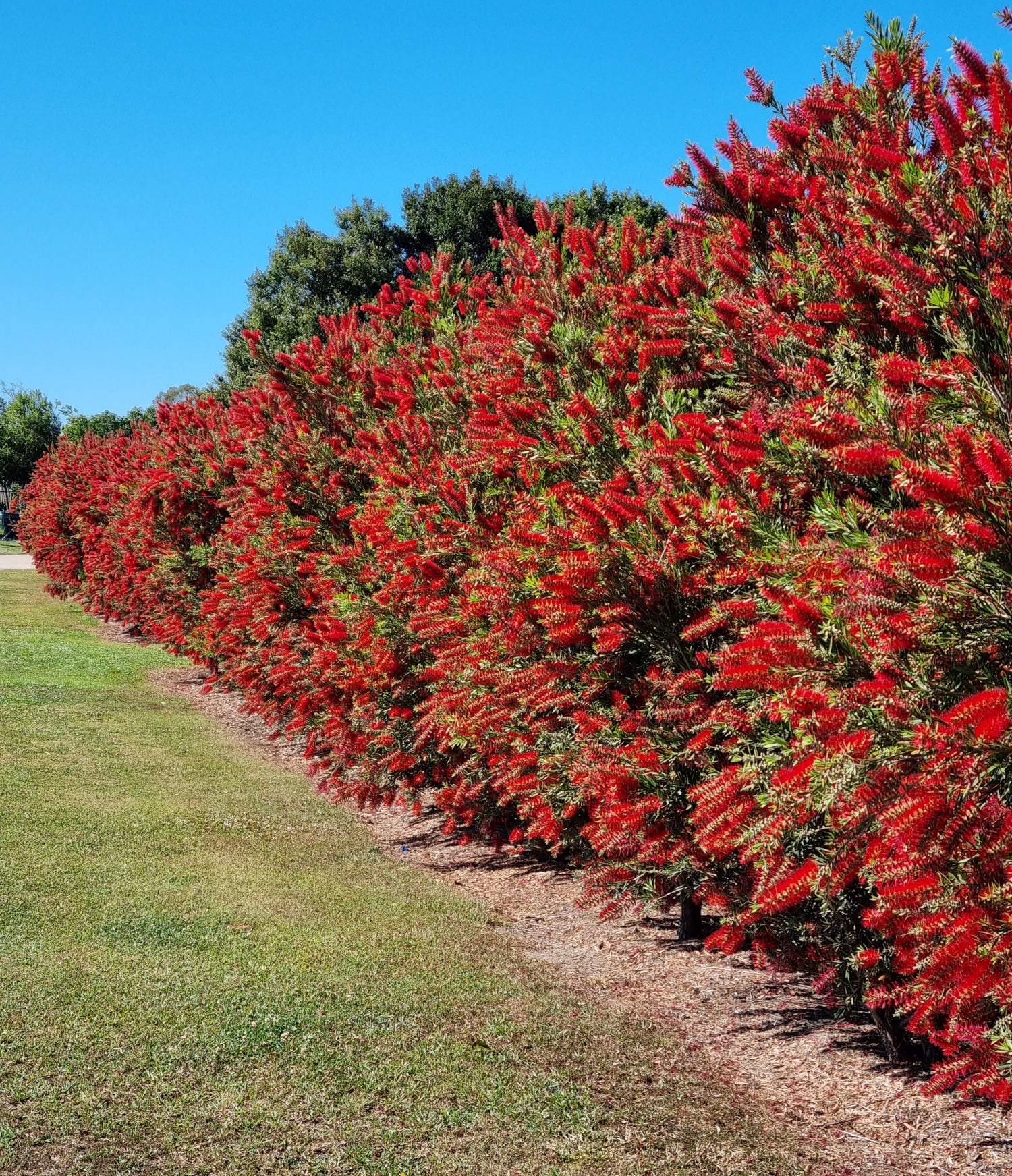
The best Australian native screening plant is often considered to be the Lilly Pilly (Syzygium spp.). This versatile plant is widely appreciated for its dense foliage, making it an ideal choice for privacy screening and hedging in various landscapes. The Lilly Pilly exhibits rapid growth, lush green leaves, and an ability to adapt to different soil types, which contributes to its popularity among gardeners and landscapers.
1. Characteristics of Lilly Pilly
The Lilly Pilly is a fast-growing evergreen that can reach heights of up to 5 meters or more depending on the variety. Here are some of its notable characteristics:
- Dense Foliage: The bushy nature of Lilly Pilly provides excellent cover for screening purposes.
- Variety of Cultivars: There are numerous cultivars available, each with unique leaf shapes and colors, ranging from glossy green to vibrant purple.
- Attractive Flowers: During summer, it features small, fluffy white or pink flowers that are appealing to various pollinators.
2. Benefits of Using Lilly Pilly as Screening
Utilizing Lilly Pilly as a screening plant offers several advantages that enhance the overall appeal of a garden:
- Privacy: Its tall, dense growth provides excellent privacy from neighbors and passersby.
- Noise Reduction: The plant's foliage can help reduce noise pollution, creating a more peaceful environment.
- Wildlife Friendly: Lilly Pilly attracts birds and beneficial insects, promoting biodiversity in your garden.
3. Growing Conditions for Lilly Pilly
For optimal growth, Lilly Pilly prefers specific conditions that cater to its needs:
- Soil: It thrives in well-drained, fertile soils but can tolerate a range of soil types.
- Sunlight: Lilly Pilly does best in full sun to part shade, requiring at least 6 hours of direct sunlight daily.
- Watering: Regular watering is essential, particularly during dry spells, to ensure healthy growth.
4. Maintenance of Lilly Pilly
Proper maintenance practices are necessary to keep your Lilly Pilly healthy and attractive:
- Pruning: Regular pruning helps maintain the desired shape and encourages bushier growth.
- Fertilizing: Applying a balanced fertilizer during the growing season promotes lush foliage and flowering.
- Pest Control: Watch out for common pests like psyllids and take appropriate measures if infestations occur.
5. Alternative Screening Plants to Consider
While Lilly Pilly is highly regarded, there are other native plants that can also serve as effective screening options:
- Grevillea: Known for its unique flowers and bird-attracting properties, making it a great addition to any garden.
- Callistemon: The Bottlebrush plant offers vibrant blooms and forms an excellent screening hedge.
- Acacia: Many Acacia species provide dense foliage and are suitable for various environments.
What is the fast growing Australian native shade tree?
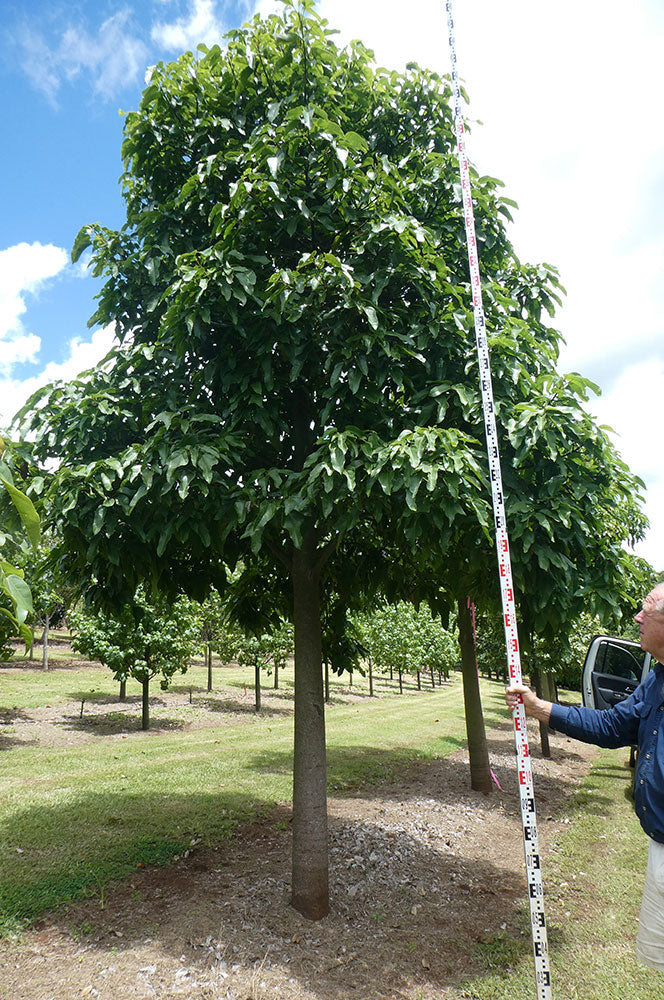
The fast-growing Australian native shade tree is the Immuno-aloe (Acacia melanoxylon), commonly known as the Blackwood Acacia. This tree is highly regarded for its rapid growth and ability to provide ample shade. It can reach heights of up to 30 meters (about 98 feet) and can grow up to 1 meter (3.3 feet) per year under optimal conditions. The Blackwood Acacia not only adds beauty to the landscape but also supports local wildlife by providing habitat and food sources.
Characteristics of Blackwood Acacia
The Blackwood Acacia is characterized by its dense foliage and attractive bark. Its leaves are dark green and feathery, adding to its ornamental appeal. The tree produces yellow flower spikes in late winter to early spring, which are followed by pods containing seeds.
- Height: Can grow up to 30 meters.
- Growth Rate: Up to 1 meter per year.
- Foliage: Dense and dark green, providing excellent shade.
Suitable Growing Conditions
The Blackwood Acacia thrives in a variety of soil types, ranging from well-drained sandy soils to clay. It prefers full sun but can tolerate partial shade. The tree is drought-resistant once established, but regular watering during dry spells can promote faster growth.
- Soil Type: Versatile, tolerates different soil conditions.
- Sunlight: Prefers full sun.
- Drought Resistance: Hardy once established.
Benefits of Planting Blackwood Acacia
Planting the Blackwood Acacia has multiple benefits, including its environmental contribution and aesthetic value. This tree improves air quality, provides shade, and promotes biodiversity by attracting various bird species and insects.
See also:
- Environmental Impact: Enhances air quality.
- Shade Provision: Excellent shade for gardens and parks.
- Biodiversity Support: Attracts wildlife.
Cultural Significance
The Blackwood Acacia holds cultural significance for many Indigenous Australian communities. Traditionally, its wood has been used for crafting tools and art. The tree is often emblematic of strength and resilience, reflecting the connection to the land.
- Use in Craft: Wood used for tools and art.
- Cultural Symbol: Represents strength and resilience.
- Connection to Land: Important in Indigenous culture.
Care and Maintenance
To ensure the Blackwood Acacia remains healthy, regular care is necessary. This includes pruning to remove any dead or diseased branches, monitoring for pests, and providing adequate water during dry spells. Mulching can also help retain soil moisture and reduce competition from weeds.
- Pruning: Regularly remove dead branches.
- Pest Management: Monitor for pest infestations.
- Watering: Water during dry spells for best growth.
What is the fast growing Australian native climber?
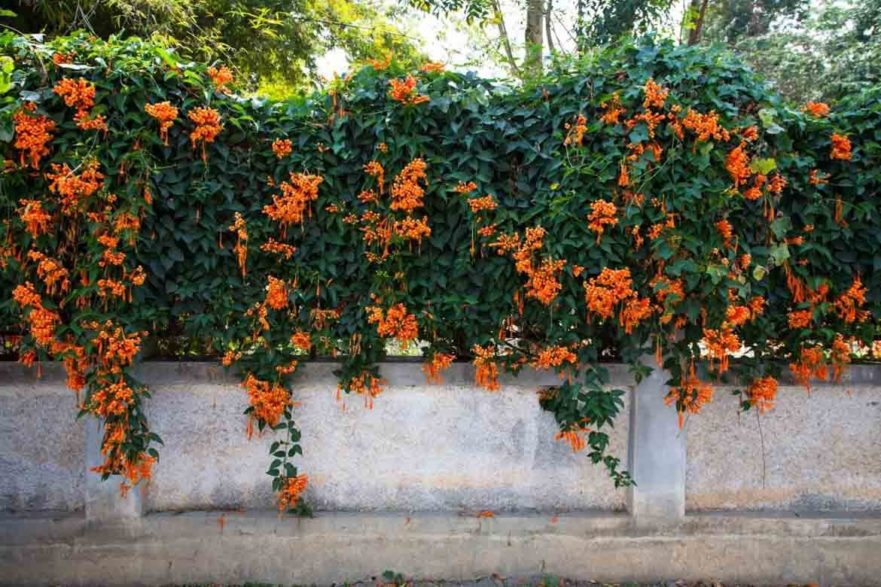
The fast-growing Australian native climber is Pandorea jasminoides, commonly known as the bower vine. This plant is well-liked for its quick growth rate and stunning fragrant blooms, making it a popular choice for gardens and landscaping. Bower vine can reach heights of up to 10 meters and is often used to cover trellises, fences, and walls, providing both aesthetic appeal and privacy.
Characteristics of Pandorea jasminoides
Pandorea jasminoides is a lively and vigorous climber that features distinctive characteristics. Its twining habit allows it to climb swiftly, while its abundant flowers are typically tubular and come in shades of pink, white, or purple.
- Growth Habit: The plant exhibits a fast-growing climbing tendency, perfect for adding vertical interest to gardens.
- Foliage: It has lush, dark green leaves that provide a beautiful backdrop for its colorful flowers.
- Flowers: The bower vine produces clusters of attractive flowers that are highly aromatic and attract pollinators.
Ideal Growing Conditions
For optimal growth, Pandorea jasminoides thrives in conditions that are warm and humid and prefers well-drained soil. It is tolerant of various soil types but flourishes in sandy or loamy conditions with regular irrigation.
- Sunlight: This climber requires full sun or partial shade for the best flowering results.
- Watering: Regular watering helps establish the plant, especially during dry periods.
- Soil Quality: Well-drained soil with organic matter enhances its growth potential.
Landscaping Uses
Pandorea jasminoides is versatile in its applications in landscaping, serving various functions in outdoor spaces. Its rapid growth and appealing flowers make it an essential element for enhancing garden aesthetics.
- Trellises: It is perfect for training on trellises, providing a vibrant focal point.
- Covering Walls: Excellent for covering unattractive walls or fences, creating privacy and shade.
- Garden Borders: Used as a climber along garden paths or borders, it adds vertical diversity.
Cultural Significance
In Australia, Pandorea jasminoides holds cultural significance as an indigenous plant. Its use in traditional landscaping reflects the importance of native flora in creating sustainable gardens.
- Native Flora: Recognizing its value promotes awareness of Australia's biodiversity.
- Cultural Heritage: The bower vine is sometimes featured in Aboriginal stories and artworks.
- Ecological Benefits: Attracts local wildlife, including birds and insects, supporting ecological balance.
Care and Maintenance
To maintain a healthy Pandorea jasminoides, regular care is essential. Pruning, fertilization, and pest management contribute to the plant's longevity and appearance.
- Pruning: Routine pruning encourages bushier growth and more prolific flowering.
- Fertilizing: A balanced fertilizer during the growing season enhances flowering and overall health.
- Pest Control: Monitoring for common pests ensures the plant remains vigorous and free from diseases.
Questions from Our Readers
What are fast growing Australian native screening plants?
Fast growing Australian native screening plants are vegetation species that thrive in Australia's climate and can quickly create a visual barrier or privacy screen. These plants are particularly beneficial for landscaping as they not only provide aesthetic appeal but also support local wildlife and promote sustainability in gardens.
Why choose Australian native plants for screening?
Choosing Australian native plants for screening is advantageous because they are adapted to local conditions, requiring less water and maintenance. Furthermore, they enhance biodiversity, attract native birds and insects, and ensure your garden is more ecologically balanced.
How fast do these plants grow?
The growth rate of fast growing Australian native screening plants can vary, but many can reach significant heights in as little as 1 to 3 years. Factors such as soil quality, sunlight, and water availability can influence their growth, making it essential to provide optimal care for best results.
Can these plants thrive in urban environments?
Yes, fast growing Australian native screening plants can thrive in urban environments, as they are resilient and can withstand city conditions. They can be used in courtyards, balconies, or along fences, providing essential greenery and privacy in often limited spaces.
See also:

If you want to read more articles like Top Fast Growing Australian Native Screening Plants for Your Garden, we recommend you check out our Landscaping category.
Leave a Reply
Related Articles