What is the Easiest Plant to Take Care of Outdoors? Top 5 Low-Maintenance Options for Your Garden
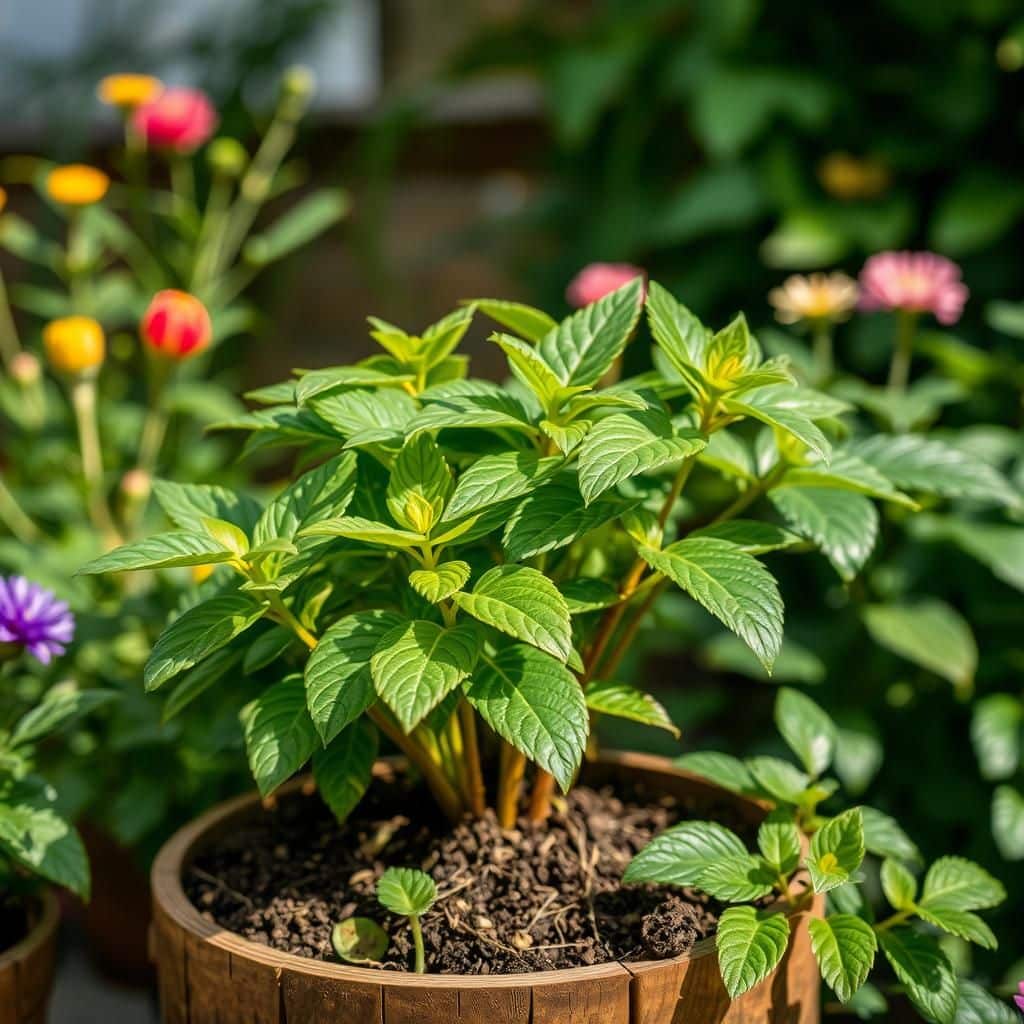
Gardening can be a rewarding hobby, but not everyone has the time or expertise to maintain high-maintenance plants. If you're looking to beautify your outdoor space without the stress of constant care, you're in luck. This article explores the five easiest plants to take care of outdoors, perfect for beginners and those with busy lifestyles. These low-maintenance options thrive with minimal effort, allowing you to enjoy a vibrant garden without extensive upkeep. Discover the ideal plants that can add color and life to your garden while requiring little more than the occasional watering and sunlight.
What is the Easiest Plant to Take Care of Outdoors?
One of the easiest plants to take care of outdoors is the succulent, specifically varieties like agave or aloe vera. These plants are renowned for their ability to thrive in a variety of conditions, requiring minimal watering and care. Their fleshy leaves store water, which makes them incredibly drought-resistant. Succulents can endure both direct sunlight and partial shade, adapting well to different environments. Moreover, their hardiness against pests and diseases makes them an ideal choice for beginners or anyone looking for a low-maintenance outdoor plant.
1. Characteristics of Succulents
Succulents are characterized by their thick, fleshy parts, which are often adapted to store water. This unique trait enables them to survive in arid environments where water is scarce. The variety of shapes, colors, and sizes available makes succulents a versatile choice for outdoor gardens. Moreover, their ability to thrive in both indirect and direct sunlight allows them to fit into various landscapes and gardening styles.
2. Sunlight Requirements
Most succulents prefer full sun but can adapt to partial shade as well. A location that receives at least 6 hours of sunlight daily is ideal for optimal growth. Care must be taken to ensure that they are not exposed to intense afternoon sun, especially in extremely hot climates, as this might scorch their leaves. Succulents can be strategically placed in gardens to benefit from filtered light or provide visual interest in sunnier spots.
3. Watering Needs
One of the main advantages of succulents is their low watering needs. Generally, they should be watered every two to three weeks, depending on the weather conditions and soil type. It's crucial to allow the soil to dry out completely between watering sessions to prevent root rot. Over-watering is often the primary cause of succulent failure, so a good rule of thumb is to stick to a less-is-more philosophy when it comes to watering.
See also:
4. Soil Requirements
Succulents thrive in well-draining soil, as they are susceptible to root rot if the soil retains too much moisture. A soil mix specifically formulated for cacti and succulents is ideal, containing components like sand or perlite to improve drainage. If you wish to use regular garden soil, adding these components will enhance its drainage properties, ensuring a balanced environment for the roots.
5. Common Pests and Diseases
While succulents are generally resistant to diseases and pests, they can occasionally encounter issues such as mealybugs or fungal infections. Regularly inspecting your plants for any signs of pests is essential in keeping them healthy. Additionally, ensuring proper watering and drainage will minimize the risk of fungal infections. Using natural pesticides or insecticidal soaps can help manage pest infestations without harming the plant.
| Plant Type | Watering Needs | Sunlight Requirement | Soil Type |
|---|---|---|---|
| Succulent | Every 2-3 weeks | Full sun to partial shade | Well-draining mix |
Understanding the Benefits of Low-Maintenance Outdoor Plants
Low-maintenance outdoor plants are ideal for gardeners who prefer to enjoy their green spaces without the burden of constant upkeep. These plants often require minimal watering, pruning, and pest management, making them perfect for busy lifestyles or for those who are new to gardening. By selecting the right low-maintenance options, gardeners can create an aesthetic and thriving landscape that enhances their home’s curb appeal while significantly reducing the time spent on plant care. With the right choices, you can enjoy a gorgeous garden that flourishes with little to no effort.
1. Succulents: Resilient and Adaptable
Succulents are known for their ability to store water in their leaves, allowing them to thrive in arid conditions. This trait makes them incredibly resilient and adaptable to various outdoor environments. Minimal watering is required, and they often prefer well-draining soil, which means you can enjoy a vibrant display of colors and shapes without frequent maintenance. Succulents can be planted in garden beds or containers, allowing for flexibility in design.
2. Lavender: Aromatic and Drought-Resistant
Lavender is not only prized for its fragrant flowers but also for its drought-resistant qualities. This plant thrives in sunny locations and thrives with little water once established. Its sturdy nature means it requires minimal additional care and attracts pollinators such as bees, enhancing your garden’s ecosystem. Lavender can double as a beautiful addition to both ornamental and functional gardens.
See also:
3. Ornamental Grasses: Low Water and Maintenance Needs
Ornamental grasses are an excellent choice for those seeking low-maintenance plants that provide texture and visual interest to the garden. They are generally very hardy and can thrive in diverse conditions, requiring minimal water once established. Their ability to grow tall and bushy can create natural screens or visual borders without needing constant pruning, making them very appealing for modern gardens.
4. Daylilies: Hardy Perennials That Flourish
Daylilies are another low-maintenance option that offers a stunning array of colors and bloom durations. These hardy perennials can tolerate a variety of soil types and weather conditions, making them perfect for gardeners with less time to devote to plant care. They thrive on neglect, requiring little attention once they are properly established. Daylilies also multiply over time, providing an even more impressive display without additional effort.
5. Sedums: Groundcovers for Easy Care
Sedums, or stonecrops, are ideal groundcovers that can withstand harsh conditions and require minimal water and nutrients. Their fleshy leaves store moisture, making them drought-resistant and perfect for sun-drenched areas. Sedums can fill in gaps between stones or along pathways, providing both functionality and visual appeal in a hassle-free manner. They are also beneficial for attracting various pollinators, enhancing the biodiversity of your garden space.
Questions from Our Readers
What is the easiest outdoor plant for beginners?
The easiest outdoor plant for beginners is often the succulent. These plants require very little water and can thrive in a variety of conditions. Their low maintenance makes them an ideal choice for those who are new to gardening.
Can I grow herbs outdoors easily?
Yes, many herbs are quite easy to grow outdoors. Plants such as basil, mint, and rosemary are particularly forgiving and can thrive with minimal care, making them perfect for first-time gardeners.
See also:
What types of flowers are low-maintenance outdoors?
Perennials like daylilies, shasta daisies, and lavender are among the low-maintenance flowers that can flourish outdoors. They come back year after year and require less frequent watering and care compared to annuals.
Are there any shrubs that are easy to care for?
Absolutely, shrubs like the boxwood or hydrangea are very easy to maintain. They’re hardy and often require little pruning, making them suitable for gardeners who prefer a more hands-off approach.

If you want to read more articles like What is the Easiest Plant to Take Care of Outdoors? Top 5 Low-Maintenance Options for Your Garden, we recommend you check out our Landscaping category.
Leave a Reply
Related Articles