Can I Use Seed Raising Mix as Potting Soil? Key Differences and Best Uses Explained
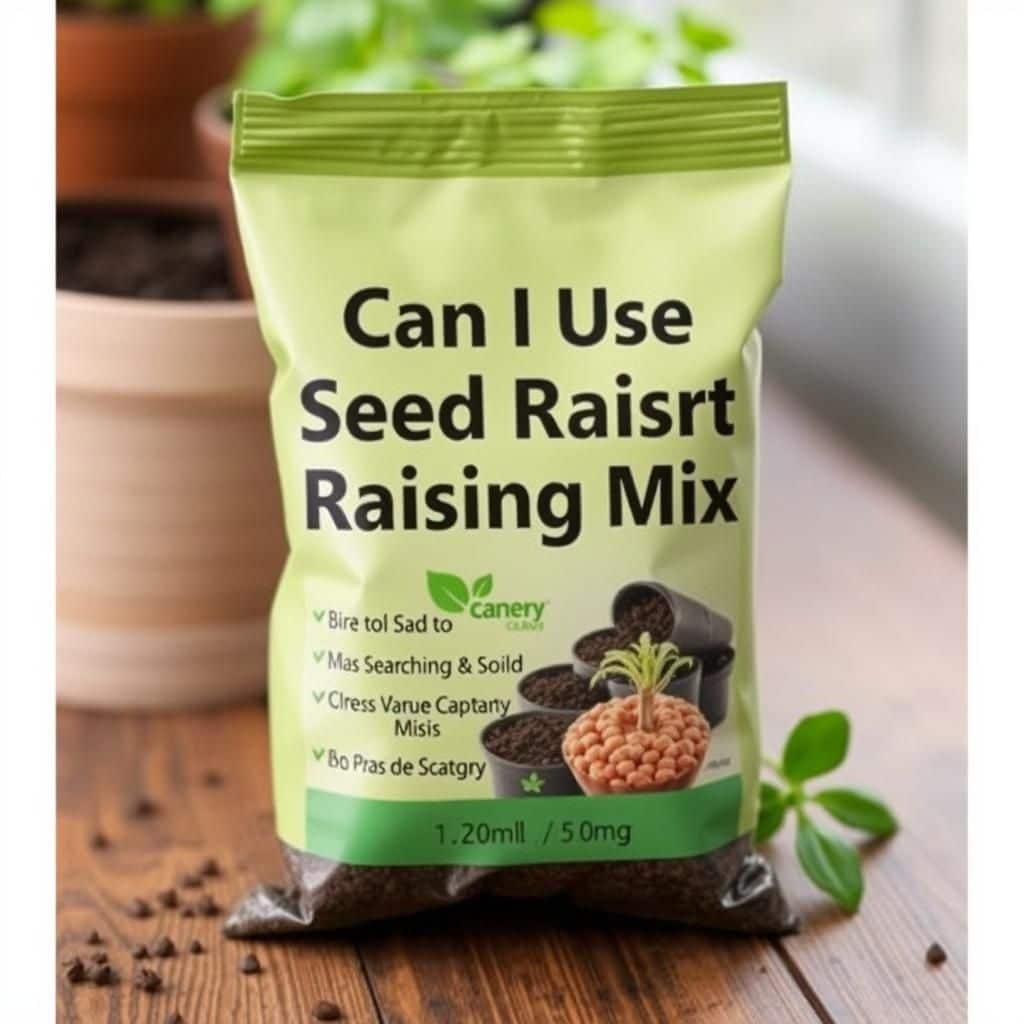
When it comes to gardening, understanding the right type of soil for your plants is crucial for their growth and health. Seed raising mix and potting soil are two common options, each designed for specific purposes. But can you use seed raising mix as potting soil? This article will explore the key differences between these two soil types and discuss their best uses. By the end, you'll have a clearer understanding of when to use each mix, ensuring your plants thrive whether you're starting from seeds or repotting established greenery.
Can I Use Seed Raising Mix as Potting Soil?
Using a seed raising mix as potting soil can be beneficial, but it is important to understand their differences. Seed raising mixes are specifically formulated to provide an ideal environment for germinating seeds, often featuring fine textures and a composition that retains moisture while allowing for proper drainage. On the other hand, potting soil is typically designed for growing established plants, incorporating larger particles and nutrients suited for ongoing growth. While you can use a seed raising mix for potting plants, especially for young seedlings, it may lack the necessary nutrients and structure needed for more mature plants. Therefore, consider supplementing with additional fertilizers or soil amendments if using seed raising mix as potting soil for long-term plant maintenance.
What is Seed Raising Mix?
A seed raising mix is a specialized medium designed primarily for germinating seeds. It usually contains a blend of peat moss, perlite, and sometimes vermiculite. This blend provides the required aeration and moisture retention, ensuring that seeds have the best conditions for sprouting. Because it is lighter and less dense than standard potting soil, it allows young roots to penetrate easily while promoting proper drainage to prevent waterlogging.
What is Potting Soil?
Potting soil is a versatile growing medium designed for container gardening or indoor planting. It typically consists of a blend of organic materials such as compost, coconut coir, and bark alongside minerals like perlite or sand to enhance drainage and aeration. Potting soil is often fortified with nutrients, offering plants the support they need for robust growth. The texture and composition make it suitable for a variety of plants, from houseplants to flowering species.
Differences Between Seed Raising Mix and Potting Soil
The primary differences between seed raising mix and potting soil lie in their formulations and intended uses. Seed raising mix is fine-textured and nutrient-poor, perfect for starting seeds, while potting soil is coarser and infused with nutrients to support established plants. Additionally, seed raising mix focuses more on moisture management and aeration critical for germination, whereas potting soil emphasizes providing a stable, nutrient-rich environment for ongoing plant health.
Can You Use Seed Raising Mix for Potting Plants?
Yes, you can utilize seed raising mix as a growing medium for young plants, particularly seedlings, as it provides excellent aeration and drainage. However, it may not suffice for mature plants due to its lower nutrient content. When transplanting seedlings grown in seed raising mix to larger containers or for ongoing growth, it is advisable to gradually introduce them to enriched potting soil to ensure they receive the essential nutrients necessary for healthy development.
When to Use Seed Raising Mix?
Seed raising mix is ideal for starting seeds, especially those that require specific moisture and air conditions for successful germination. It’s best to use this mix in scenarios where quick sprouting is essential, such as when planting delicate seeds like herbs or flowers. Once seedlings establish roots and begin to grow, transitioning them to potting soil is recommended to support their continued growth and nutrient needs.
| Medium | Primary Use | Texture | Nutrient Content |
|---|---|---|---|
| Seed Raising Mix | Seed Germination | Fine | Low |
| Potting Soil | Ongoing Plant Growth | Coarse | Higher |
Can I use seed starting mix for potting soil?
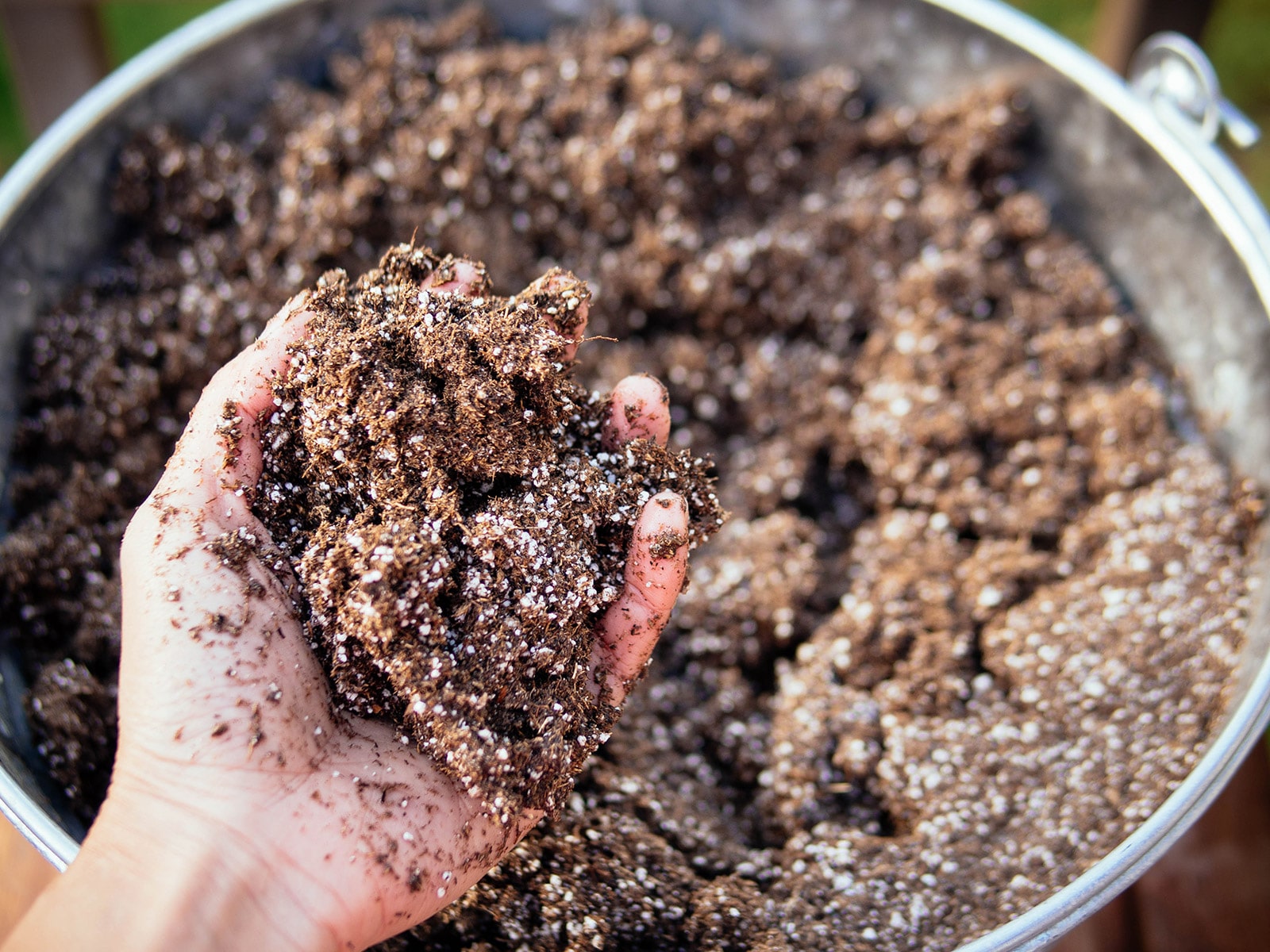
Using seed starting mix for potting soil is a common question among gardeners. The short answer is that while you can use seed starting mix for potting soil, there are key differences between the two that can affect plant growth. Seed starting mixes are typically lighter and designed to promote germination, whereas potting soils are formulated for established plants and often include more nutrients.
Understanding Seed Starting Mix
Seed starting mix is specifically designed to create an ideal environment for germination. It is usually composed of peat moss, vermiculite, and/or perlite, which helps with aeration and drainage. Key characteristics include:
- Lightweight Composition: It's designed to be light, allowing seeds to push through easily.
- Low Nutrient Content: It typically lacks fertilizers, as seeds do not need nutrients until they germinate.
- Aeration Properties: Ensures that seeds have access to oxygen, which is crucial for germination.
Understanding Potting Soil
Potting soil, on the other hand, is formulated for growing plants after their germination phase. It contains higher levels of nutrients and organic material, making it suitable for both indoor and outdoor plants. Its properties include:
- Nutrient-Rich: Often includes fertilizers that provide essential nutrients for healthy growth.
- Higher Density: More compact than seed starting mix, which helps support plants as they grow.
- Moisture Retention: Formulated to retain moisture better, reducing the frequency of watering.
When to Use Seed Starting Mix for Potting Soil
There are specific scenarios where using seed starting mix as potting soil might be beneficial. It can be used effectively:
- For Young Plants: If you’re transplanting seedlings, using seed starting mix can still provide a gentle transition.
- For Seedlings in Small Containers: If you're growing seedlings in smaller containers, seed starting mix might be sufficient.
- For Root Development: It offers excellent aeration, which can benefit young plants’ root systems.
Limitations of Using Seed Starting Mix
While there are advantages to using seed starting mix as potting soil, there are also limitations to consider:
- Lack of Nutrients: Over time, plants may require additional nutrients that seed starting mixes do not provide.
- Quick Depletion: Seed starting mixes can break down faster, leading to poor structure for root support.
- Water Retention Issues: Depending on the blend, it may not retain moisture as effectively as potting soil.
Tips for Using Seed Starting Mix as Potting Soil
If you decide to use a seed starting mix for potting soil, consider these tips:
- Supplement with Fertilizers: Add slow-release fertilizers to the mix to ensure that plants receive adequate nutrition.
- Mix with Potting Soil: Combine seed starting mix with regular potting soil to enhance nutrient content and moisture retention.
- Monitor Moisture Levels: Be proactive about checking the moisture levels, as seed starting mixes tend to dry out quickly.
Is seed raising mix the same as potting mix?
:max_bytes(150000):strip_icc()/difference-between-potting-soil-potting-mix-847812edits-9e6b6dee92a2469d9822355db6151908.jpg)
Seed raising mix and potting mix are not the same, although they are both used in gardening. Here’s a detailed explanation of their differences and applications.
What is Seed Raising Mix?
Seed raising mix is specially formulated to provide the ideal environment for germinating seeds. It typically contains a blend of soil components that promote seed growth. The characteristics of seed raising mix include:
- Fine texture: This allows for easy seed-to-soil contact, which is crucial for germination.
- Low nutrient content: It generally has a lower nutrient content than potting mix, preventing young plants from being overwhelmed by nutrients.
- Sterilized components: Most seed raising mixes are sterilized to minimize the risk of diseases affecting seedlings.
What is Potting Mix?
Potting mix is designed for potted plants and mature plants rather than germination. Its formulation allows for water retention and nutrient provision essential for established plants. Key features include:
- Richer in nutrients: Potting mix typically contains more fertilizers and organic matter to support growing plants.
- Coarser texture: It allows for adequate drainage and airflow, which is vital for root development.
- Variety of ingredients: Potting mix may include peat moss, compost, vermiculite, and perlite for enhanced performance.
Differences in Composition
The composition of seed raising mix and potting mix directly influences their intended uses. The primary differences include:
- Ingredients: Seed raising mix often lacks larger particles that can be found in potting mix, focusing on a very fine consistency.
- Microbial content: Seed raising mixes are usually devoid of organic material that may harbor pests or diseases, whereas potting mixes can contain beneficial microbiota.
- Texture and drainage: Seed raising mixes prioritize moisture retention for young seeds, while potting mixes allow for excess water drainage to prevent root rot.
Best Uses for Each Mix
Understanding when to use each type of mix can enhance your gardening outcomes. Here are the best uses:
- Seed Starting: Use seed raising mix for starting seeds indoors or outdoors as it encourages a high germination rate.
- Transplanting: After the seedlings have developed, switch to potting mix when transferring them to larger containers.
- Container Gardening: Potting mix is best for outdoor or indoor potted plants that require more nutrients and structure.
How to Choose the Right Mix?
Choosing the right mix depends on the phase of plant growth you are addressing. Here are some tips for selecting the appropriate mix:
- Identify the plant stage: Determine if you are planting seeds or nurturing an established plant.
- Consider your goals: If your goal is to germinate seeds, opt for seed raising mix; for growing plants, choose potting mix.
- Assess ingredients: Check the ingredient list to ensure that it suits the specific needs of your plants.
Is growing mix the same as potting soil?
Growing mix is not the same as potting soil, although the terms are often used interchangeably in gardening literature. Both products serve the purpose of providing a suitable medium for plant growth, but they have distinct differences in composition and intended use.
What is Growing Mix?
Growing mix typically refers to a blended media designed specifically for germinating seeds or growing young plants. It generally includes:
- Peat moss: Provides moisture retention and aeration.
- Perlite or vermiculite: Enhances drainage and prevents soil compaction.
- Beneficial additives: May include fertilizers, pH adjusters, or mycorrhizal fungi to help with root development.
This mix is formulated to promote early-stage plant growth due to its lightweight and airy structure.
What is Potting Soil?
Potting soil, in contrast, is designed for container gardening and generally has a heavier composition. It usually consists of:
- Compost: Offers essential nutrients.
- Soil: Provides density and stability to the mix.
- Organic matter: Enhances soil fertility and microbial activity.
Potting soil is meant to support established plants, making it more suitable for mature plants that require a more robust nutrient profile.
Differences in Composition
The main differences in composition between growing mixes and potting soil are significant:
- Organic vs. Inorganic Materials: Growing mixes are lighter and often less organic than potting soil, which contains more compost and soil.
- Texture: Growing mixes are typically finer and more consistent, while potting soil may have chunks of organic material and a denser texture.
- Nutrient Content: Potting soil usually contains more nutrients compared to growing mixes, which may be designed for initial growth phases.
Understanding these differences is crucial for gardeners to select the right type of medium for their plants.
When to Use Each Type
Choosing the right medium depends on the stage of plant growth and specific gardening needs:
See also:
- Seed Starting: Growing mix is preferred for sowing seeds due to its lightweight nature.
- Transplanting: Potting soil is typically used when moving seedlings into larger containers.
- Long-term Container Growth: Plants that will be in containers for extended periods benefit from potting soil’s richer nutrient profile.
Using the right medium at the right stage can significantly affect plant health and growth.
Potential Challenges
While both growing mix and potting soil have their advantages, they also come with potential challenges:
- Water Retention Issues: Growing mixes can dry out quickly, requiring more frequent watering.
- Over-Fertility: Using potting soil with too many nutrients for seedlings can lead to nutrient burn.
- Compaction: Potting soil may compact over time, which can reduce drainage and root health.
Awareness of these challenges enables gardeners to adopt the best practices for maintaining healthy plants.
Can I use seed starting mix for soil blocks?
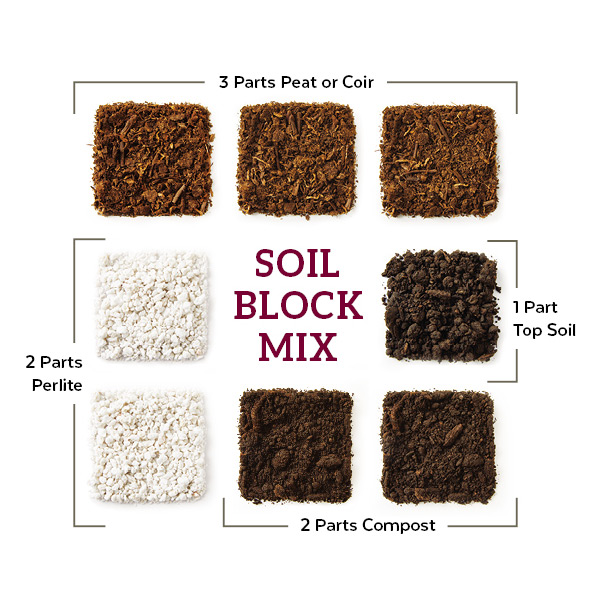
Certainly! Here’s a detailed response to the question about using seed starting mix for soil blocks, along with related subtitles.
Can I Use Seed Starting Mix for Soil Blocks?
Yes, you can use seed starting mix for making soil blocks, but there are some important factors to consider. Seed starting mixes are typically lighter and finer than standard potting soils, which can be advantageous when creating soil blocks. However, the mix should have sufficient organic matter and nutrient content to support healthy seedling growth. An ideal mix for soil blocks would help retain moisture while allowing for good drainage and airflow.
Advantages of Using Seed Starting Mix
Using a seed starting mix for soil blocks comes with several benefits that can enhance your gardening experience:
- Lightweight Composition: Seed starting mixes are generally lighter, making them easier to handle and shape into blocks.
- Fine Texture: The fine particles promote good seed-to-soil contact, which can improve germination rates.
- Moisture Retention: Quality seed starting mixes retain moisture effectively, reducing the need for frequent watering.
Considerations for Soil Block Making
When using seed starting mix for creating soil blocks, you should take into account a few important factors:
- Consistency: Ensure the seed starting mix has a consistent texture for uniform block formation.
- pH Levels: Check the pH level of the mix, as it should be suitable for the type of seeds you are planting.
- Additives: You may consider adding ingredients like compost or perlite to improve nutrient levels and aeration.
Possible Drawbacks
While seed starting mixes can be beneficial, there are also some drawbacks to consider when using them for soil blocks:
- Short-Term Nutrients: Seed starting mixes may have limited nutrients, requiring supplemental fertilization for optimal growth.
- Many Peat-Based Mixes: If the mix is primarily peat, it may not retain moisture as well in dry conditions.
- Mold Growth: Some seed starting mixes can promote mold if kept too moist in a high-humidity environment.
Best Practices for Mixing Soil Blocks
To achieve the best results when using a seed starting mix for soil blocks, consider following these best practices:
- Moisten Before Use: Lightly moisten the mix before forming blocks to help them hold shape better.
- Compression: Ensure that you compress the soil blocks adequately to prevent them from crumbling.
- Storage: Store prepared blocks in a cool, shaded area to prevent drying and temperature stress.
Alternative Soil Options
If you’re hesitant about using a seed starting mix, consider these alternative soil options for soil blocks:
- Compost-Based Mixes: Rich in nutrients, providing stronger growth potential for seedlings.
- Coco Coir: A sustainable option that offers good moisture retention while being lightweight.
- Custom Mixes: Create your own soil blend using various components like vermiculite, perlite, and compost for tailored performance.
Questions from Our Readers
Can I use seed raising mix as potting soil?
Yes, you can use seed raising mix as potting soil, but it's important to note that seed raising mix is formulated primarily for germination. It has finer particles and fewer nutrients compared to general potting soil, which can affect the growth of established plants.
What are the differences between seed raising mix and potting soil?
The main differences lie in their composition and nutrient content. Seed raising mix contains sterile, fine-textured materials to promote germination and prevent damping-off disease, while potting soil is designed to support root growth and provide necessary nutrients for mature plants.
Is it better to use potting soil for transplanted seedlings?
Yes, using potting soil is generally better for transplanted seedlings because it offers a balanced combination of nutrients, drainage, and aeration that supports the growth of young plants as they develop roots and require more sustenance.
Can seed raising mix harm potted plants?
Using seed raising mix for potted plants can potentially harm them if they are established, as it may not provide the necessary nutritional support or drainage required for their growth. Prolonged use of seed raising mix can lead to deficiencies and poor plant health.
See also:

If you want to read more articles like Can I Use Seed Raising Mix as Potting Soil? Key Differences and Best Uses Explained, we recommend you check out our Soil category.
Leave a Reply
Related Articles