Is it Okay to Trim Low Branches on a Tree? Essential Tips and Guidelines
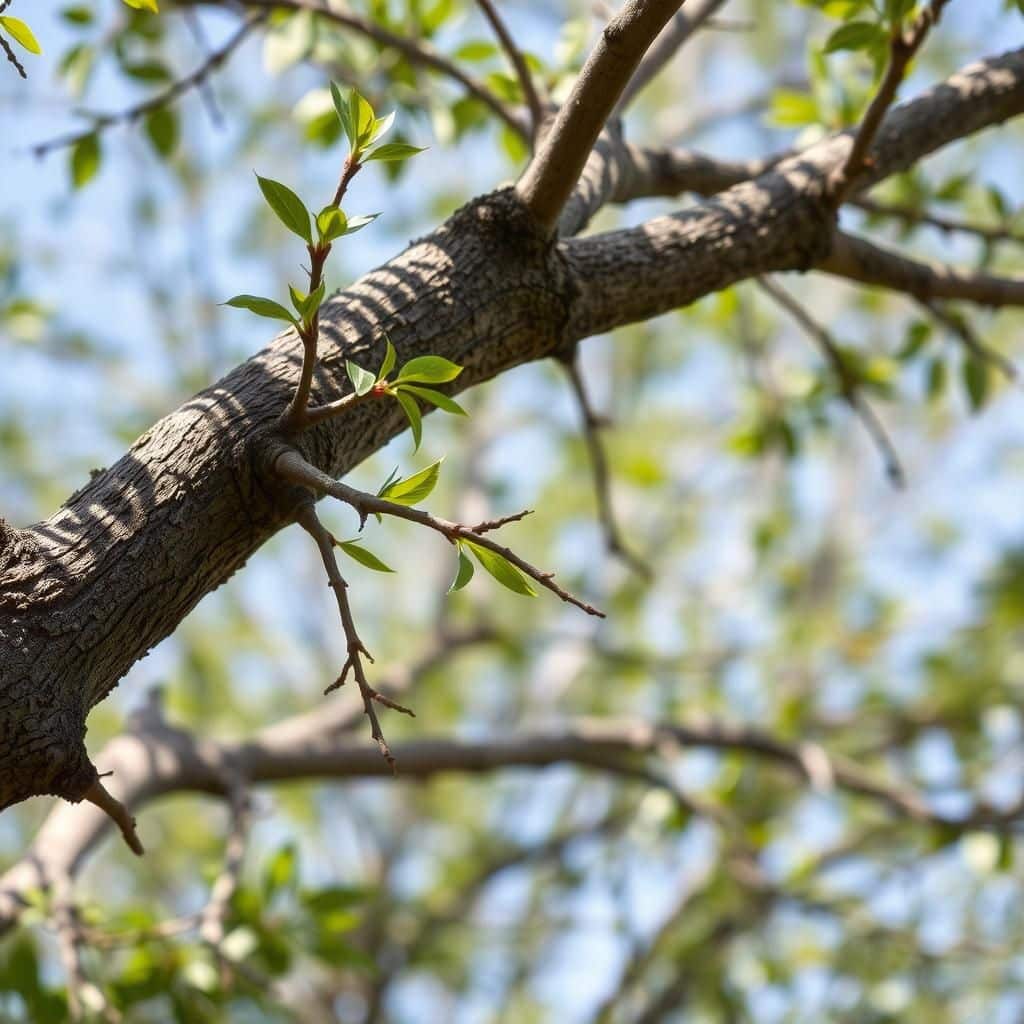
When it comes to maintaining the beauty and health of trees in our landscapes, the question often arises: Is it okay to trim low branches? Understanding the reasons for pruning, the appropriate techniques, and the potential impact on tree health is essential for both novice and experienced gardeners. Low branches can affect aesthetics, safety, and even the growth of the tree itself. In this article, we will explore essential tips and guidelines for trimming low branches while ensuring the tree's health and stability. Whether you're looking to enhance your garden's appearance or promote better growth, this guide will help you make informed decisions.
Is It Okay to Trim Low Branches on a Tree?
Trimming low branches on a tree can be acceptable and even beneficial in certain situations. It is important to consider factors such as the species of the tree, its overall health, and the purpose of the trimming. For instance, if the branches obstruct pathways, vehicle clearance, or the growth of other plants, trimming can help maintain safety and promote accessibility. However, it is crucial to do so carefully to avoid causing damage to the tree. Performing the cuts at the right time and using proper techniques can ensure the tree continues to thrive while enhancing its appearance.
Benefits of Trimming Low Branches
Trimming low branches can provide various benefits such as improving air circulation, allowing more sunlight to reach lower vegetation, and promoting overall tree health. Proper trimming can also enhance the tree's aesthetic appearance, making it look more structured and appealing. Furthermore, it eliminates potential hazards caused by overhanging branches that might interfere with pedestrians or vehicles.
Best Time to Trim Low Branches
The best time to trim low branches is typically during late winter or early spring, before new growth begins. During this dormant season, trees are less susceptible to stress and diseases, making it safer for pruning activities. Additionally, this timing allows for a better view of the branch structure, enabling a more thoughtful approach to determining which branches should be removed for optimal health and growth.
How to Trim Low Branches Safely
To trim low branches safely, one should use proper tools such as pruning shears or a saw, and always make clean cuts to minimize damage. It is advisable to start by removing smaller, weaker branches before tackling larger ones, which require more caution. Always cut at a 45-degree angle, just outside the branch collar, to promote healing. Wearing safety gear like goggles and gloves can also help protect against injuries during the process.
See also:
Common Mistakes to Avoid
Common mistakes when trimming low branches include cutting too much at once, which can stress the tree, and pruning during the wrong season. Additionally, failing to use the right tools or techniques can lead to jagged cuts that may invite disease. It is crucial to avoid removing more than 25% of the foliage in a single year, as excessive pruning can lead to shock and negatively affect the tree's growth and health.
Considerations for Different Tree Species
Different tree species have unique growth patterns and requirements for pruning. For instance, some trees, like maples, may bleed sap if pruned inappropriately during the wrong season. Others, like live oaks, should be pruned during specific months to avoid oak wilt disease. Understanding the specific needs and characteristics of the tree species in question is essential to ensure that trimming is done correctly and at the right time.
| Tree Species | Optimal Pruning Time | Special Considerations |
|---|---|---|
| Maple | Late Winter | Avoid heavy pruning during sap flow |
| Oak | Late Winter to Early Spring | Prune during dry months to prevent oak wilt |
| Pine | Late Spring | Avoid removing more than 25% of the branches |
| Cherry | Summer | Prune after flowering to shape |
| Apple | Late Winter | Focus on removing dead or crowded branches |
Understanding the Right Techniques for Pruning Low Branches
When considering whether it is okay to trim low branches on a tree, it is essential to understand the health of the tree and the techniques involved in pruning. Low branches can sometimes hinder growth, interfere with lawn maintenance, or create hazards for pedestrians. However, improper trimming can lead to injury or stress for the tree. Utilizing the right tools, such as pruning shears or a saw, is critical, along with ensuring that cuts are made at the proper angle to promote healing. It is crucial to follow guidelines regarding when and how to prune, always prioritizing the tree's health and aesthetic appearance.
Benefits of Trimming Low Branches
Trimming low branches can provide several benefits for both the tree and its environment. It can enhance air circulation and sunlight exposure, which are vital for the overall health of the tree. Additionally, it removes any potential obstructions that could hinder lawn care activities and improves the aesthetic appeal of the tree. Proper pruning can also help in managing the tree's growth pattern and ensuring that it does not become too top-heavy, which could lead to structural instability.
When is the Best Time to Prune Trees?
The best time to prune trees typically occurs during the dormant season, usually late fall or winter. During these times, the tree is not actively growing, which minimizes the stress caused by pruning. This period allows for better healing of the wounds associated with cuts and reduces the risk of pest infestations or disease. However, certain trees may have specific timing needs, so it's always advisable to consult information specific to the tree species in question.
See also:
Tools Needed for Trimming Low Branches
To effectively trim low branches, having the right tools is essential. A pair of sharp pruning shears is ideal for small branches, while loppers or a handsaw may be needed for larger limbs. Additionally, using ladders safely or tree climbing gear may be necessary to reach elevated branches. It's crucial to ensure that all tools are clean and disinfected to prevent any potential infection to the tree.
Common Mistakes to Avoid When Pruning
When trimming low branches, several common mistakes can lead to serious damage to the tree. One frequent error is making cuts too close to the trunk or leaving too much of the branch, both of which can hinder the tree’s ability to heal properly. Additionally, failing to disinfect tools can introduce diseases. Pruning during the wrong season can also cause stress to the tree. Understanding these pitfalls can help maintain the tree's vitality.
Impact of Improper Pruning on Tree Health
Improper pruning can have a detrimental impact on tree health. Making excessive or incorrect cuts can lead to stunted growth, weakened structure, and increased vulnerability to pests and disease. Trees rely on their branches for photosynthesis, and cutting too many can reduce their ability to produce energy. Furthermore, unhealed wounds can expose the tree to environmental stressors, making it crucial to adhere to proper pruning techniques for maintaining longevity and vitality.
Questions from Our Readers
Is it legal to trim low branches on a tree?
Yes, it is generally legal to trim low branches on a tree, especially if the tree is on your property. However, it is important to check local regulations, as some areas may have specific laws regarding tree maintenance, particularly for protected species.
Will trimming low branches harm the tree?
In most cases, trimming low branches will not harm the tree if done correctly. Proper pruning techniques can promote healthy growth and improve the tree's structure. However, excessive cutting or improper methods can stress the tree and potentially lead to problems.
See also:
What tools are needed for trimming low branches?
For trimming low branches, you will typically need a pair of pruning shears for small branches, or a chainsaw for larger limbs. Additionally, safety gear such as gloves and goggles is recommended to protect yourself during the process.
When is the best time to trim low branches?
The best time to trim low branches is usually in late winter or early spring before new growth begins. This timing allows the tree to heal faster and minimizes disruption to its growth cycle. Avoid trimming during the growing season to reduce stress on the tree.
If you want to read more articles like Is it Okay to Trim Low Branches on a Tree? Essential Tips and Guidelines, we recommend you check out our Pruning category.
Leave a Reply
Related Articles