What Not to Fill a Raised Garden Bed With? Essential Tips for Healthy Gardening
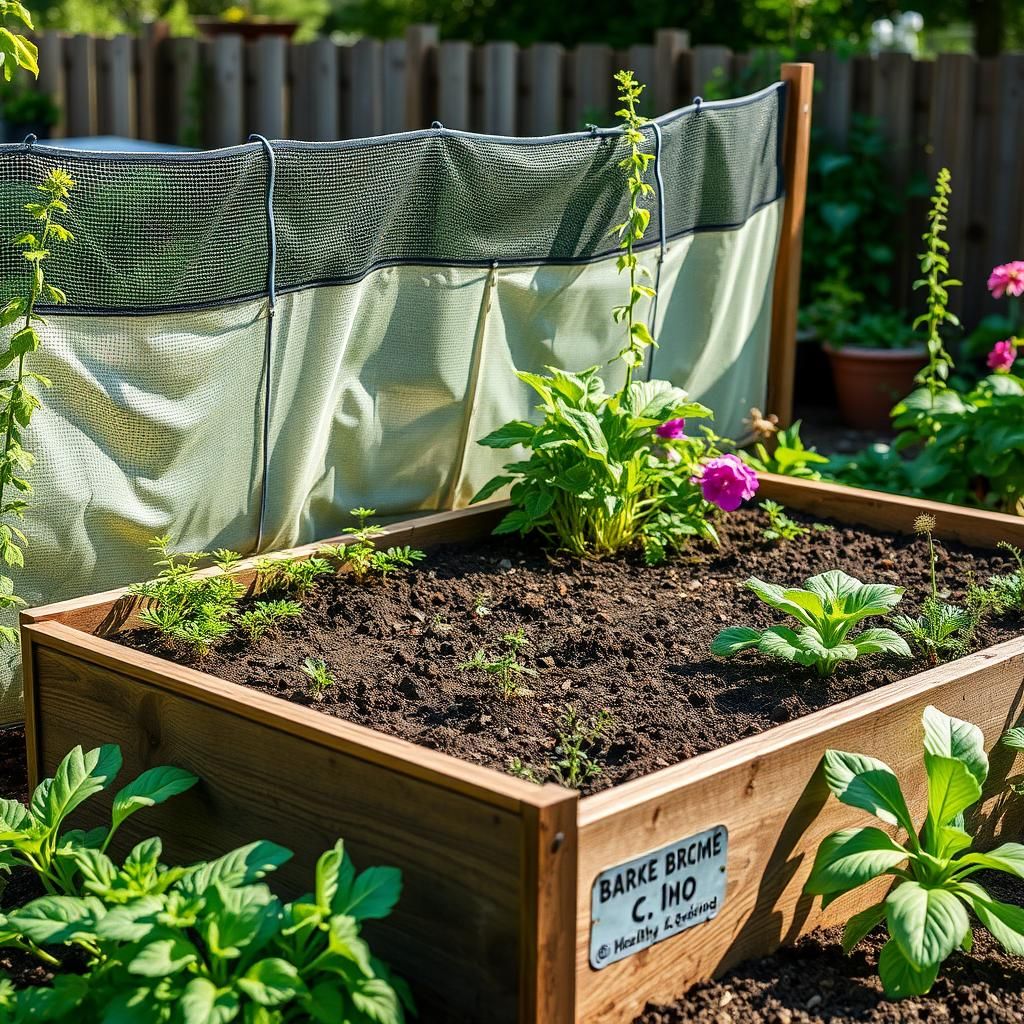
When creating a raised garden bed, the choice of what to fill it with can significantly impact plant health and productivity. While the idea of filling your bed with any available material might seem convenient, certain substances can hinder growth and lead to various issues. Understanding what not to include in your raised garden bed is essential for cultivating a thriving garden. In this article, we’ll explore common mistakes gardeners make when selecting filling materials and provide essential tips to ensure your garden thrives. By making informed choices, you can create the optimal environment for your plants to flourish.
What Not to Fill a Raised Garden Bed With?
When establishing a raised garden bed, it is crucial to consider the right materials to use for filling it, as choosing inappropriate substances can lead to harmful plant growth and soil deterioration. One of the main aspects to avoid is the use of contaminated soil, which may contain harmful pesticides or pollutants that can affect the health of your plants and the ecosystem. Additionally, using fresh manure is not advisable, as it can introduce pathogens and excessive nitrogen, potentially damaging your plants. It's also important to steer clear of heavy metals, often found in untreated woods or urban soils, which can leach into the garden bed and create toxic conditions. Finally, avoid using non-biodegradable materials that may take years to break down and can disrupt the natural soil composition.
Contaminated Soil
Using contaminated soil can severely impact your raised garden bed, as it often holds various pollutants, chemical residues, or pathogens. These can come from various sources, including industrial waste or agricultural runoff, leading to health risks for both plants and those consuming their produce. Testing soil samples for contaminants before use is essential for ensuring a healthy growing environment.
Fresh Manure
While manure can be beneficial in organic gardening, using it fresh can be detrimental due to its high nitrogen content and the risk of introducing harmful bacteria. Fresh manure can lead to plant burn and may yield crops that are unsafe for consumption. Instead, it is recommended to use well-composted manure that has undergone the necessary breakdown process to eliminate pathogens.
Heavy Metals
Raised garden beds filled with soil containing heavy metals can pose significant risks to both plant health and food safety. Heavy metals such as lead, cadmium, and arsenic can be found in urban soil, particularly in areas near roads or industrial sites. Using materials that are tested and free of heavy metal contamination is essential to ensure a safe and productive garden environment.
Non-biodegradable Materials
Incorporating non-biodegradable materials such as plastics, glass, or synthetic fibers can disrupt the beneficial properties of soil. These materials can hinder soil aeration and drainage, resulting in a poor growing environment for plants. Always opt for organic, biodegradable options that will decompose over time and enhance soil structure and fertility.
Invasive Plant Species
Filling your raised garden bed with soil that contains invasive plant species can lead to unwanted growth and competition for resources. These plants can proliferate rapidly, overshadowing your intended crops and disrupting your garden's ecosystem. It's vital to monitor and control any potential invasives before they establish themselves in your garden bed.
| Material | Risk |
|---|---|
| Contaminated Soil | Pollutants and pathogens |
| Fresh Manure | Pathogens and nitrogen burn |
| Heavy Metals | Toxicity to plants and humans |
| Non-biodegradable Materials | Poor soil structure |
| Invasive Plant Species | Resource competition |
What not to put in a raised bed garden?
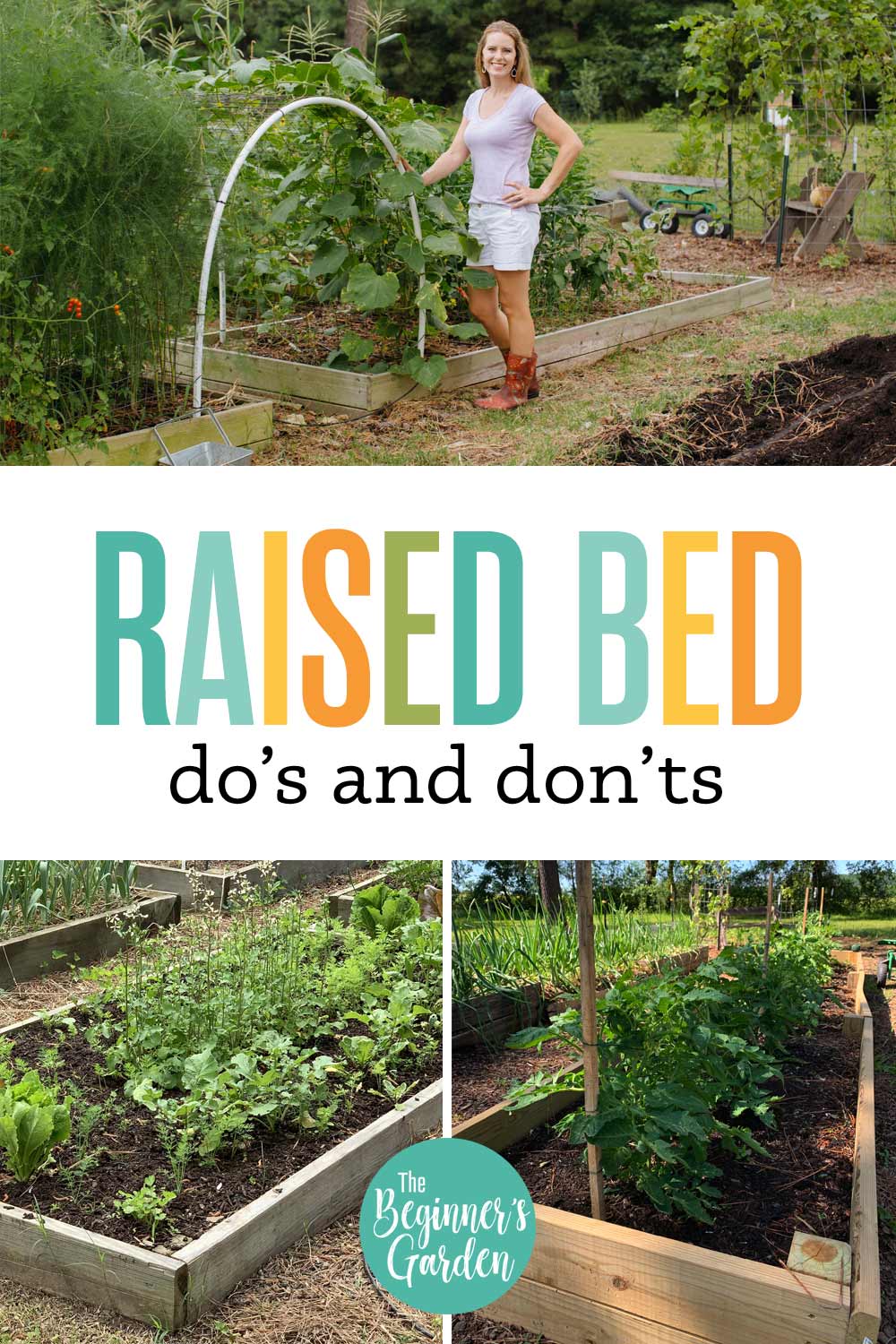
When planning a raised bed garden, it's essential to be mindful of the materials and substances you choose to incorporate. Certain items can hinder plant growth, contaminate the soil, or create an unhealthy environment for your plants. Here are some crucial elements to avoid:
1. Chemical Fertilizers
Using chemical fertilizers can lead to several problems in a raised bed garden. While they may provide a quick boost to plants, they often contain harmful substances that can leach into the soil and impact beneficial soil organisms. Over time, reliance on these fertilizers can degrade soil health, leading to poor crop yields.
- They can kill beneficial bacteria and fungi.
- Excessive use can lead to nutrient imbalances.
- They can contaminate nearby water sources through runoff.
2. Diseased Plant Material
Including diseased plant material in your raised bed can spread pathogens and pests to healthy plants. It's crucial to ensure that any debris or compost you use is free from diseases to maintain a healthy growing environment.
- Diseased plants can infect surrounding healthy plants.
- Fungal spores can proliferate in moist conditions.
- Compromises the overall health of the garden ecosystem.
3. Inorganic Mulches
While mulching helps regulate soil temperature and retain moisture, using inorganic mulches like plastic or rubber can prevent water and nutrients from permeating the soil. These materials can also break down into microplastics, contaminating the soil.
- They can hinder nutrient absorption by plants.
- Decrease soil aeration, leading to compaction.
- Potentially release harmful chemicals as they degrade.
4. Heavy Metals and Contaminated Soils
Incorporating soil or compost that may contain heavy metals can pose serious health risks. Soil from unknown sources might be contaminated with lead, arsenic, or other toxic substances, which can be absorbed by plants and ultimately enter the food chain.
- High levels of lead can lead to neurotoxic effects.
- Unregulated compost can introduce harmful contaminants.
- Legislation often fails to address all possible sources of contaminants.
5. Weeds and Weed Seeds
Adding weeds or their seeds to a raised bed is a surefire way to introduce competition for nutrients and space. Weeds can quickly take over, making it more difficult to maintain your garden and reducing the productivity of your desired crops.
- Weeds compete for water and nutrients.
- They can harbor pests and diseases.
- Removing them can be labor-intensive and challenging.
What is the best filler for raised garden beds?
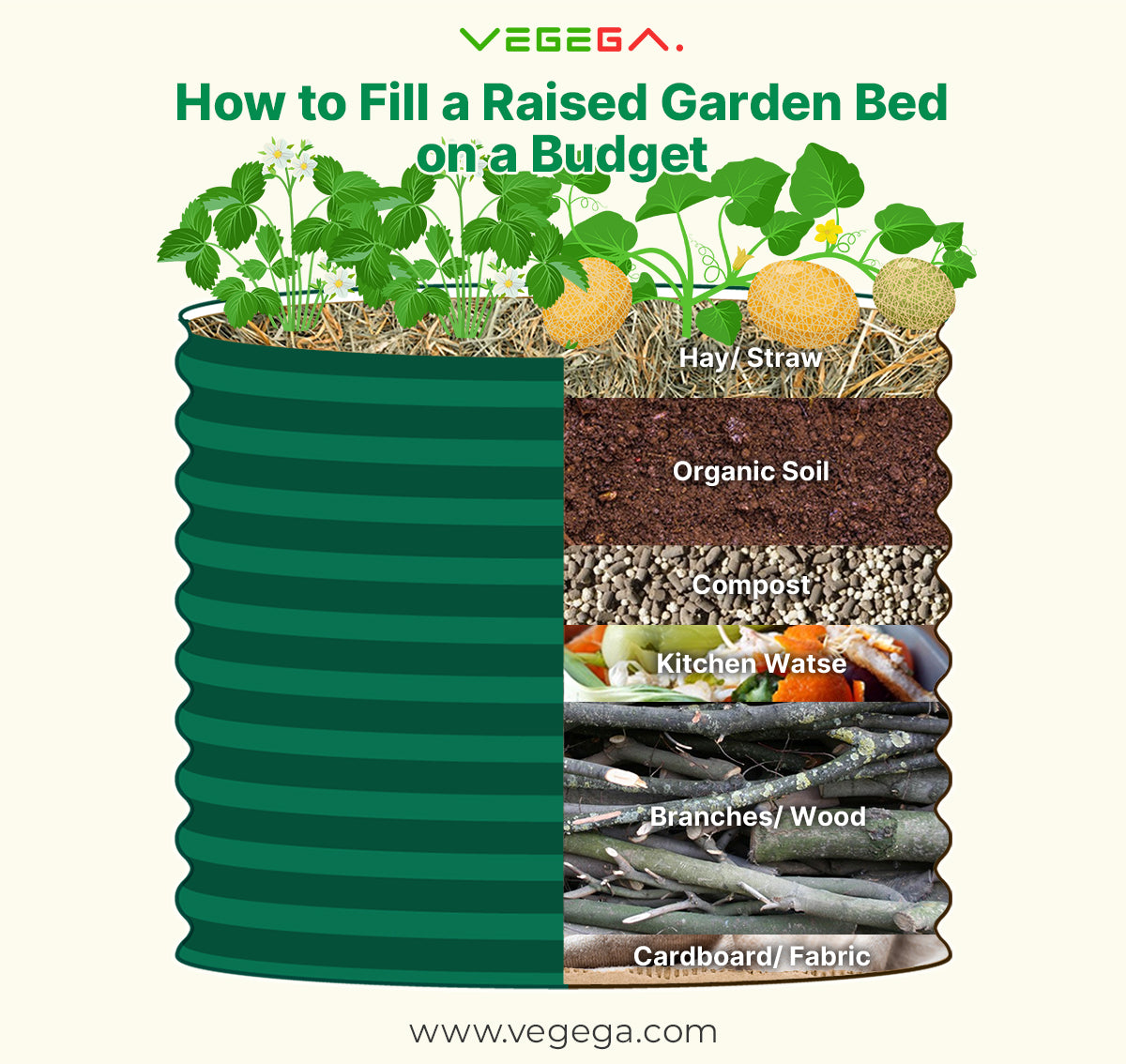
The best filler for raised garden beds can vary depending on what you intend to grow and the environmental conditions of your area. However, a combination of organic matter, compost, and well-draining materials is often recommended. Below are some of the best fillers that can be used effectively.
Types of Fillers
Using the right types of fillers in your raised garden beds is crucial for maintaining healthy soil.
- Topsoil: This is essential as it provides a good base for your plants, retaining moisture and nutrients.
- Compost: Adding compost enriches the soil with nutrients and improves texture.
- Peat Moss: This helps in moisture retention but should be mixed with other materials to avoid acidity issues.
Layering for Optimal Growth
Layering your fillers is a method that can enhance soil performance over time.
- Bottom Layer: Start with larger materials such as branches or straw for drainage.
- Middle Layer: Add a mix of garden soil and compost, which provides nutrients.
- Top Layer: Finish with a layer of mulch or straw to retain moisture and prevent weed growth.
Drainage Considerations
Proper drainage is vital to prevent waterlogging in raised garden beds.
- Gravel: Including a layer of gravel at the bottom can enhance drainage, protecting plant roots.
- Sand: Mixing sand into your filler can help improve drainage capabilities.
- Perlite: This lightweight material helps with soil aeration and drainage.
Organic vs. Inorganic Fillers
Choosing between organic and inorganic fillers can influence the long-term fertility of your garden bed.
- Organic Fillers: These include compost, leaf mold, and aged manure, which improve soil health over time.
- Inorganic Fillers: Materials like crushed stone or bricks can provide structure but may require additional amendments for soil fertility.
- Balance: A balanced approach utilizing both types can yield the best results.
Fillers Based on Plant Needs
Different plants may have unique soil requirements, affecting your choice of filler.
- Vegetables: Nutrient-rich compost and topsoil are recommended for vegetable gardens.
- Flowers: Many flowering plants prefer well-draining soil; adding sand and peat moss can be beneficial.
- Herbs: Herbs generally thrive in lighter soil, so mixing in perlite or vermiculite can improve growth conditions.
What should you put at the bottom of a raised bed?
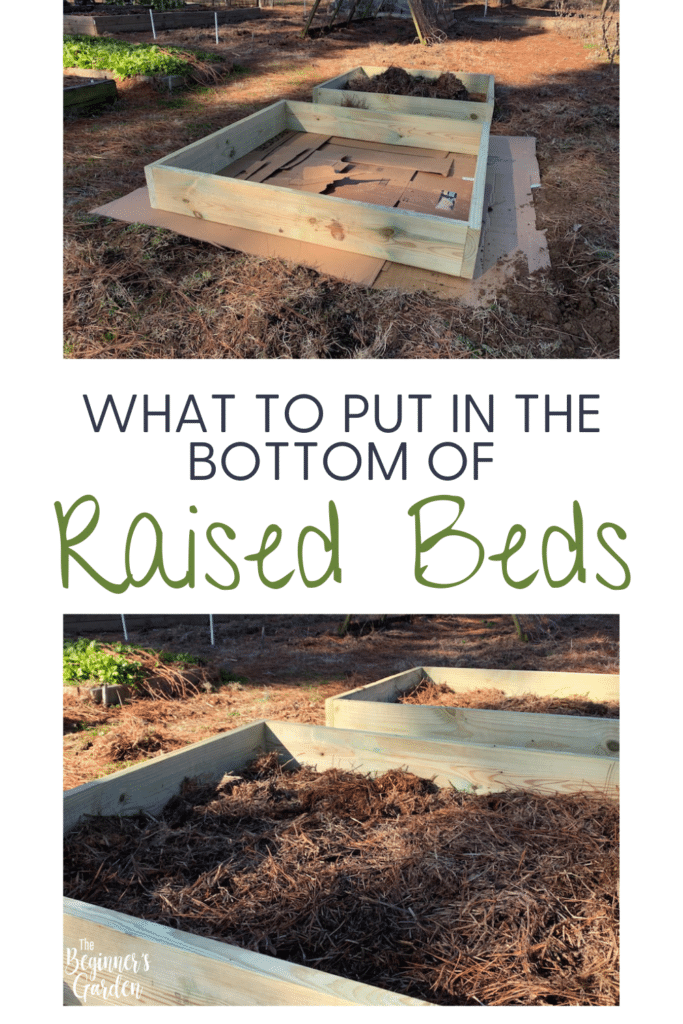
To optimize a raised bed for gardening, it's crucial to consider what materials to put at the bottom. This can affect drainage, soil health, and the overall growth of plants. Here are some recommendations for what to place at the bottom of a raised bed:
1. Cardboard or Newspaper: Using layers of cardboard or newspaper at the bottom can help suppress weeds and retain moisture. Furthermore, as these materials decompose, they enrich the soil.
2. Gravel or Small Rocks: Adding a layer of gravel or small rocks can improve drainage, preventing water from pooling at the bottom of the bed. This is especially important in areas with heavy rainfall.
3. Wood Chips or Straw: Layering wood chips or straw can provide aeration and help retain moisture in the soil. As these materials break down, they contribute organic matter to the soil.
4. Landscape Fabric: Placing landscape fabric at the bottom can help prevent soil erosion while allowing excess water to drain. This can extend the life of your raised bed by reducing soil loss.
5. Compost or Organic Matter: Adding a layer of compost at the bottom can enhance soil structure and nutrient content right from the start. This layer provides essential nutrients for plant roots to access as they grow.
Benefits of Using Cardboard or Newspaper
Using cardboard or newspaper as a foundation has multiple benefits such as:
- Suppressing weed growth effectively.
- Promoting moisture retention in the soil.
- Decomposing to enrich soil structure and nutrients.
Importance of Drainage with Gravel
Incorporating gravel or small rocks is vital for:
- Enhancing drainage and preventing root rot.
- Facilitating airflow in the soil, promoting healthy root growth.
- Creating a stable base that supports the soil above.
Using Wood Chips or Straw as Mulch
Implementing wood chips or straw offers several advantages:
- Providing insulation against temperature extremes.
- Contributing organic matter as they decompose.
- Reducing evaporation and conserving soil moisture.
The Role of Landscape Fabric
Landscape fabric plays an important role in maintaining the integrity of a raised bed:
- Preventing soil erosion during heavy rains.
- Allowing for optimal water drainage while blocking weeds.
- Extending the lifespan of the raised bed materials.
Impact of Compost on Soil Health
Using compost at the bottom is beneficial for plant growth due to:
- Providing a nutrient-rich environment for root development.
- Improving soil texture and structure.
- Encouraging beneficial microbial activity in the soil.
Questions from Our Readers
What materials should not be used to fill a raised garden bed?
Using inappropriate materials for filling a raised garden bed can negatively impact plant growth. It is advisable to avoid using heavy clay or sandy soil alone, as they can hinder drainage and nutrient retention. Additionally, untreated wood can rot and introduce toxins, while construction debris may contain harmful chemicals or sharp objects.
Is it safe to use old potting soil in a raised garden bed?
While it might be tempting to reuse old potting soil, it is generally not recommended. Old potting soil may be depleted of nutrients or infested with pests and diseases that can harm your new plants. It is better to mix it with fresh soil to improve its quality, but relying solely on old potting soil can be detrimental.
Can I use gravel or rocks in a raised garden bed?
Using gravel or rocks as a primary filling material is typically discouraged, as they do not provide the necessary nutrients or support for plant roots. While they can facilitate drainage at the bottom of the bed, excessive gravel can complicate soil maintenance and reduce overall soil volume, limiting plant growth potential.
Should I fill my raised garden bed with compost only?
Filling a raised garden bed solely with compost is not advisable, as it can lead to nutrient imbalances and poor structure. While compost is rich in nutrients, it tends to compact over time, which can impede root growth. Mixing compost with other materials like topsoil or peat moss creates a balanced and effective growing medium.
If you want to read more articles like What Not to Fill a Raised Garden Bed With? Essential Tips for Healthy Gardening, we recommend you check out our Planter category.
Leave a Reply
Related Articles