How Often Should I Water a Succulent Plant: Essential Tips for Optimal Care
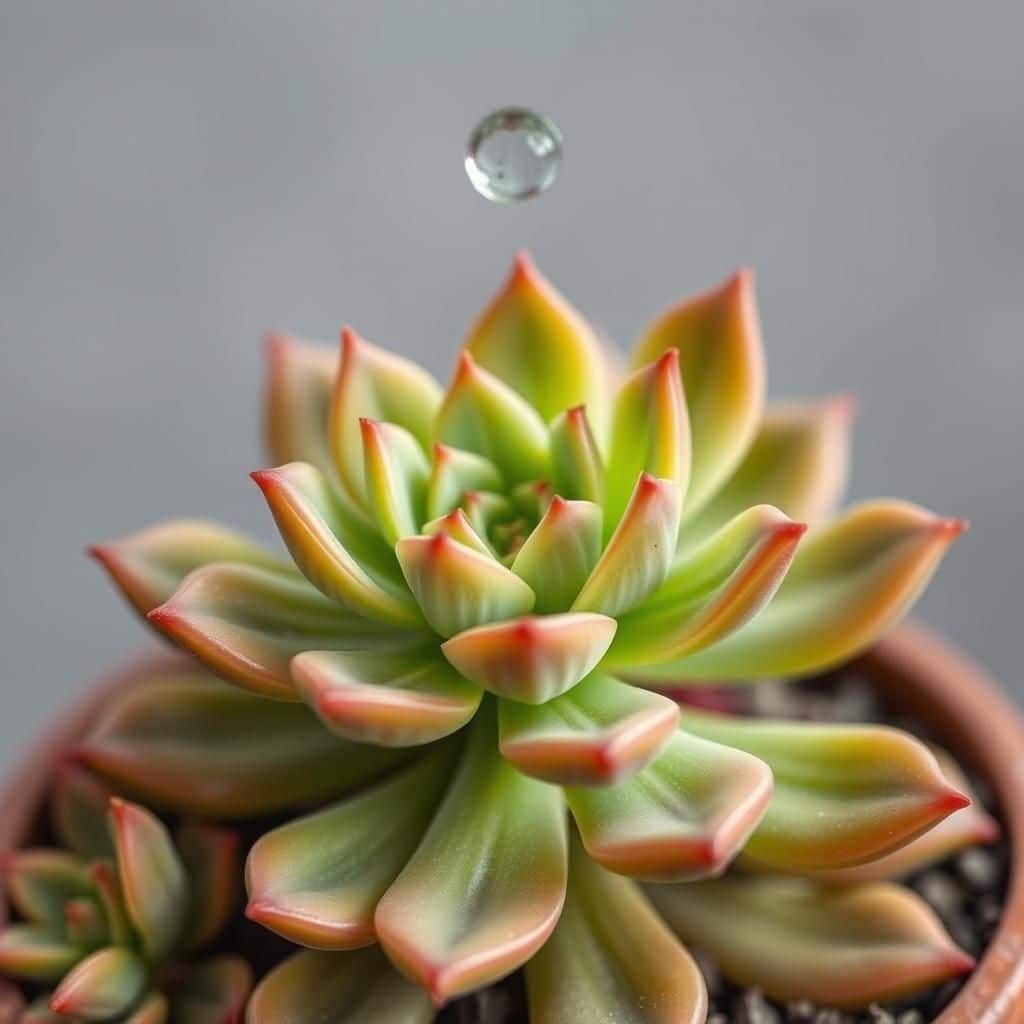
Succulent plants are popular for their unique textures and vibrant colors, making them a cherished addition to many homes. However, one of the most common challenges for succulent owners is determining the right watering schedule. Overwatering can lead to root rot, while underwatering may cause these hardy plants to wither. In this article, we will explore how often you should water your succulent, providing essential tips and insights for optimal care. Understanding the lifestyle and environment of your succulents will empower you to maintain their health and vitality, ensuring they thrive for years to come.
How Often Should I Water a Succulent Plant?
When it comes to watering succulent plants, the general rule of thumb is to allow the soil to dry out completely between waterings. Most succulents thrive in a well-draining potting mix and can be watered every two to three weeks during the growing season, typically spring and summer. In winter, these plants enter a dormant phase and require even less frequent watering, often every month or so. Environmental factors such as light exposure, humidity, and temperature also play a critical role in determining how often to water, so it’s important to observe your plants closely to determine their specific needs.
Understanding Soil Moisture
The moisture level in the soil is a crucial factor in determining when to water your succulent plants. The soil should be checked every week or so, and if it feels dry to the touch, it's an indication that it may be time to water. Conversely, if the soil remains moist, it's best to hold off on watering until it dries out completely. Always use a potting mix designed for succulents to ensure proper drainage, as these plants are particularly sensitive to overwatering.
Seasonal Watering Needs
The season plays a significant role in the watering needs of succulents. During the growing season (spring and summer), succulents typically need more water due to increased temperatures and sunlight. In contrast, in the dormant months of fall and winter, the plants require significantly less water as their growth slows down. Adjusting your watering schedule accordingly can help prevent root rot and other issues associated with excessive moisture.
Environmental Factors
Environmental conditions such as light exposure, humidity, and temperature can drastically influence how often you should water your succulent plants. Succulents in bright, direct light may need more frequent watering than those in shaded or low-light areas. Likewise, in a humid environment, you may find that the soil retains moisture longer, necessitating a less frequent watering schedule. It's essential to tailor your care routine based on the unique conditions of your plant's environment.
Signs of Overwatering
Recognizing the signs of overwatering is critical for the health of succulent plants. Yellowing leaves, mushy stems, or a foul smell from the soil are all indicators that your succulent is getting too much water. In this case, you should allow the soil to dry out completely and, if the problem persists, consider repotting the plant into dry, well-draining soil. Using a pot with drainage holes can also help prevent excess water accumulation and promote better health for your succulents.
See also:
Best Practices for Watering Succulents
To ensure the best care for your succulent plants, consider implementing some best practices for watering. Always water deeply but infrequently, allowing water to soak through the drainage holes before discarding any excess. This promotes healthy root growth and helps establish a strong foundation for your plants. Additionally, utilizing a moisture meter can help you accurately gauge when it's time to water again, providing peace of mind and reducing the chances of under or overwatering.
| Watering Frequency | Season | Indicators |
|---|---|---|
| Every 2-3 weeks | Spring/Summer | Soil is dry |
| Every 4-6 weeks | Fall/Winter | Soil is dry |
| As needed | Depending on environment | Observe plant health |
How do I know if my succulent is happy?

To determine if your succulent is happy, you’ll need to observe several factors that indicate its health and well-being. Happy succulents typically display vibrant colors, healthy growth patterns, and a resistance to pests and diseases. Here are some key signs and factors to consider when assessing your succulent's happiness:
Physical Appearance
The physical appearance of your succulent is one of the most telling signs of its happiness. A healthy succulent should have plump, firm leaves and a well-defined shape. Here are indicators to look for:
- Color: Happy succulents exhibit vibrant colors, which can range from greens to reds, purples, and even blues.
- Leaf Integrity: Leaves should be free of blemishes, tears, or shriveling. Droopy or mushy leaves can indicate overwatering or stress.
- Growth Patterns: A succulent that is flourishing will show signs of new growth, such as new leaves or offsets.
Watering Needs
Understanding your succulent's watering needs is crucial. Over-watering or under-watering can lead to stress. A happy succulent typically shows the right balance in its care routine. Consider the following:
- Soil Moisture: The soil should dry out between watering sessions. Check the top two inches of soil—if it's dry, it may be time to water.
- Leaf Turgor: Well-hydrated succulents will have firm leaves that retain moisture, while shriveled leaves suggest insufficient water.
- Drainage: Ensure that the container used has good drainage to prevent root rot.
Light Exposure
Lighting conditions significantly impact the health of your succulent. They thrive in bright, indirect sunlight. Here are some tips regarding light exposure:
See also:
- Sunlight Hours: A happy succulent usually receives a minimum of 6 hours of indirect sunlight daily.
- Color Change: If the colors are fading, it may indicate insufficient light, whereas bright colors suggest they are getting adequate sunlight.
- Stretching: If your succulent is stretching towards the light, it may not be receiving enough, resulting in leggy growth.
Pest and Disease Observation
Healthy succulents are less prone to pests and diseases. Regularly inspecting your plants can help you catch any issues early. Look for:
- Pest Presence: Check for signs of pests like spider mites or mealybugs, which can signal stress in your succulent.
- Disease Symptoms: Yellowing leaves or fungal growth can indicate disease; a happy succulent should show no such symptoms.
- Physical Inspection: Inspect both the top and bottom of leaves, as pests often hide in less visible areas.
Growth Environment
The environment in which your succulent is kept plays a crucial role in its overall happiness. Factors include temperature, humidity, and potting conditions:
- Temperature: Ideal temperatures for most succulents range from 60°F to 80°F. Extreme temperatures can cause stress.
- Humidity Levels: Succulents prefer low humidity; too much moisture in the air can lead to rot.
- Potting Mix: Use a well-draining mix specifically designed for succulents to allow for proper airflow and prevent water retention.
Questions from Our Readers
How often should I water my succulent plant?
You should water your succulent plant approximately every two to three weeks during the growing season, which is typically in spring and summer. However, this can vary based on the environmental conditions such as temperature and humidity. It's important to ensure the soil is completely dry before watering again to prevent overwatering, which is a common issue with succulents.
What factors influence how often I should water my succulent?
Several factors can influence how often you need to water your succulent, including light exposure, temperature, and humidity levels. If your plant is in a brighter area, it may require more frequent watering, while cooler and more humid conditions will typically mean less frequent watering. Always check the soil moisture to guide your watering schedule.
Is it better to underwater or overwater succulents?
It's generally better to underwater succulents than to overwater them. Succulents store water in their leaves, so they can survive longer periods without water. On the other hand, overwatering can lead to root rot and other severe issues that can kill the plant. Always err on the side of caution and allow the soil to dry out between watering sessions.
Can my watering schedule change in different seasons?
Yes, your watering schedule for succulents should absolutely change with the seasons. During the active growing season in spring and summer, you may need to water more frequently, while in fall and winter, when succulents enter dormancy, you should reduce watering to once a month or even less. Adjusting your schedule according to the season helps maintain the health of your plants.
See also:

If you want to read more articles like How Often Should I Water a Succulent Plant: Essential Tips for Optimal Care, we recommend you check out our Planter category.
Leave a Reply
Related Articles