Do I Need to Put Topsoil Down Before Turf? Essential Tips for a Healthy Lawn

When establishing a lush, green lawn, many homeowners wonder whether they need to lay down topsoil before installing turf. This critical question can significantly impact the success of your landscaping project. Topsoil serves as the foundation for grass, providing essential nutrients and improving soil structure. In this article, we will explore the importance of topsoil in creating a healthy lawn, the conditions under which it is necessary, and essential tips for preparing your yard. Whether you’re a novice gardener or a seasoned landscaper, understanding the role of topsoil is crucial for achieving the vibrant, thriving lawn of your dreams.
Do I Need to Put Topsoil Down Before Turf?
When installing turf, it is highly recommended to put down topsoil beforehand as it serves several beneficial purposes. Topsoil provides a nutrient-rich layer that can greatly enhance soil quality, offering essential minerals and organic matter necessary for grass to establish strong roots. It also helps to create a level surface, improving drainage and creating an optimal environment for the turf to grow. Without the proper preparation and topsoil application, turf may struggle to thrive, resulting in poor growth or uneven patches. Thus, investing in good topsoil can make a significant difference in the overall health and appearance of the lawn.
Benefits of Using Topsoil for Turf Installation
Utilizing topsoil when installing turf provides numerous benefits, such as improved soil structure and increased fertility. A layer of topsoil helps to retain moisture, which is crucial for the survival and growth of the newly installed turf. Additionally, it fosters a more suitable habitat for beneficial microorganisms, which contribute to the decomposition of organic materials and the availability of nutrients. Overall, using topsoil lays a strong foundation for the lawn to flourish.
How to Choose the Right Topsoil
Selecting the appropriate topsoil is essential for successful turf installation. Look for high-quality topsoil that is free from contaminants, such as weeds or chemicals. The best topsoil should have a balanced mix of sand, silt, and clay to ensure proper drainage and aeration. It is also beneficial if the topsoil contains organic matter, which enriches the nutrient content. Testing the topsoil for pH levels and nutrient composition can guide you in making an informed decision that suits the specific requirements of your turf.
Preparation Steps Before Laying Turf
Before laying the turf, several essential preparation steps should be taken to ensure a successful installation. Begin by removing any existing grass, weeds, or debris from the area where the turf will be laid. Next, loosen the soil by tilling it to a depth of approximately 4-6 inches to enhance root penetration. Once the soil is prepared, apply a layer of topsoil to create a smooth, even surface. Finally, lightly compact the topsoil to eliminate air pockets and provide a stable base for the new turf.
Common Mistakes When Applying Topsoil
Some common mistakes to avoid when applying topsoil before turf installation include putting down too little or too much material. Insufficient topsoil can lead to nutrient deficiencies, while excess topsoil may create drainage issues. Additionally, improper leveling can result in uneven surfaces that may affect the turf's growth. It is important to follow proper applying techniques and ensure that the topsoil layer is about 2 to 4 inches thick for optimal results.
Maintenance of Topsoil After Turf Installation
After laying the turf over the topsoil, proper maintenance is crucial to promote healthy growth. Regularly watering the turf ensures that the topsoil retains moisture, which is vital for the establishment of the grass roots. Additionally, applying a fertilizer suitable for new sod can enhance nutrient availability during the initial growth period. Periodic aeration of the turf will also help maintain soil health and prevent compaction, allowing air, water, and nutrients to effectively reach the roots.
| Factors | Importance |
|---|---|
| Soil Quality | Ensures health of turf and root establishment |
| Topsoil Thickness | Affects drainage and growth potential |
| Organic Matter | Enhances nutrient availability for turf |
| Weed Prevention | Reduces competition for resources |
| Moisture Retention | Critical for successful establishment of sod |
Do I need topsoil before laying turf?
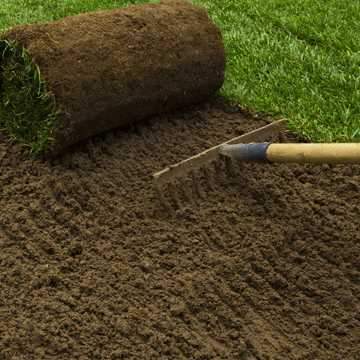
When preparing to lay turf, the question of whether you need topsoil beforehand is crucial. While it is not always mandatory to add topsoil, doing so can significantly improve the condition and health of your new lawn.
Topsoil acts as a growing medium that provides essential nutrients, improves drainage, and enhances soil structure for your turf. If your existing soil lacks organic material, is compacted, or is of poor quality (like clay or sand), incorporating a layer of topsoil can be beneficial. The new turf will establish better roots and grow more vigorously when laid on a suitable base.
What is Topsoil?
Topsoil is the uppermost layer of soil, typically rich in organic matter, nutrients, and microorganisms. It is essential for plant growth and provides the necessary foundation for any lawn.
- Nutrient-Rich: Topsoil contains the nutrients that grass needs to thrive.
- Microbial Activity: The beneficial microbes in topsoil help to break down organic matter, making nutrients more available to plants.
- Soil Structure: It helps in improving soil aeration and drainage, making it easier for turf roots to penetrate.
Benefits of Topsoil Before Laying Turf
Adding topsoil before laying turf can provide various benefits that directly contribute to the success of your new lawn.
- Enhanced Root Growth: Provides a favorable environment for grass roots to spread and establish.
- Improved Nutrient Availability: Supplies essential nutrients that help the turf grow healthier and more robust.
- Better Water Retention: A layer of topsoil can improve the soil's ability to retain moisture, reducing the need for frequent watering.
How to Prepare the Soil Before Adding Topsoil
Preparing the existing soil is critical before applying topsoil. This preparation ensures better integration and establishment of the turf.
- Clear Debris: Remove weeds, rocks, and any old turf to create a clean surface.
- Till the Soil: Loosen the existing soil to a depth of at least 4-6 inches to enhance mixing.
- Level the Surface: Rake the soil to ensure an even surface for the topsoil and subsequent turf laying.
Choosing the Right Topsoil
Selecting the appropriate topsoil is essential for achieving optimal results with your new turf. Not all topsoil is created equal.
- Quality Control: Choose topsoil that is screened and free from contaminants, such as debris and chemicals.
- Organic Matter Content: Ideally, it should contain a significant amount of organic matter for improved nutrient availability.
- Soil Texture: Aim for a loamy texture with a balance of sand, silt, and clay for the best growing conditions.
When Topsoil Might Not Be Necessary
While topsoil can offer many benefits, there are instances when it may not be required for laying turf.
See also:
- Good Quality Soil: If your existing soil is already nutrient-rich and well-structured, topsoil may not be needed.
- Lower Budget: If finances are a concern, forgoing topsoil can help reduce costs.
- Small Area: For very small patches of turf, it might be feasible to work with the existing soil alone.
What should you put down before turf?
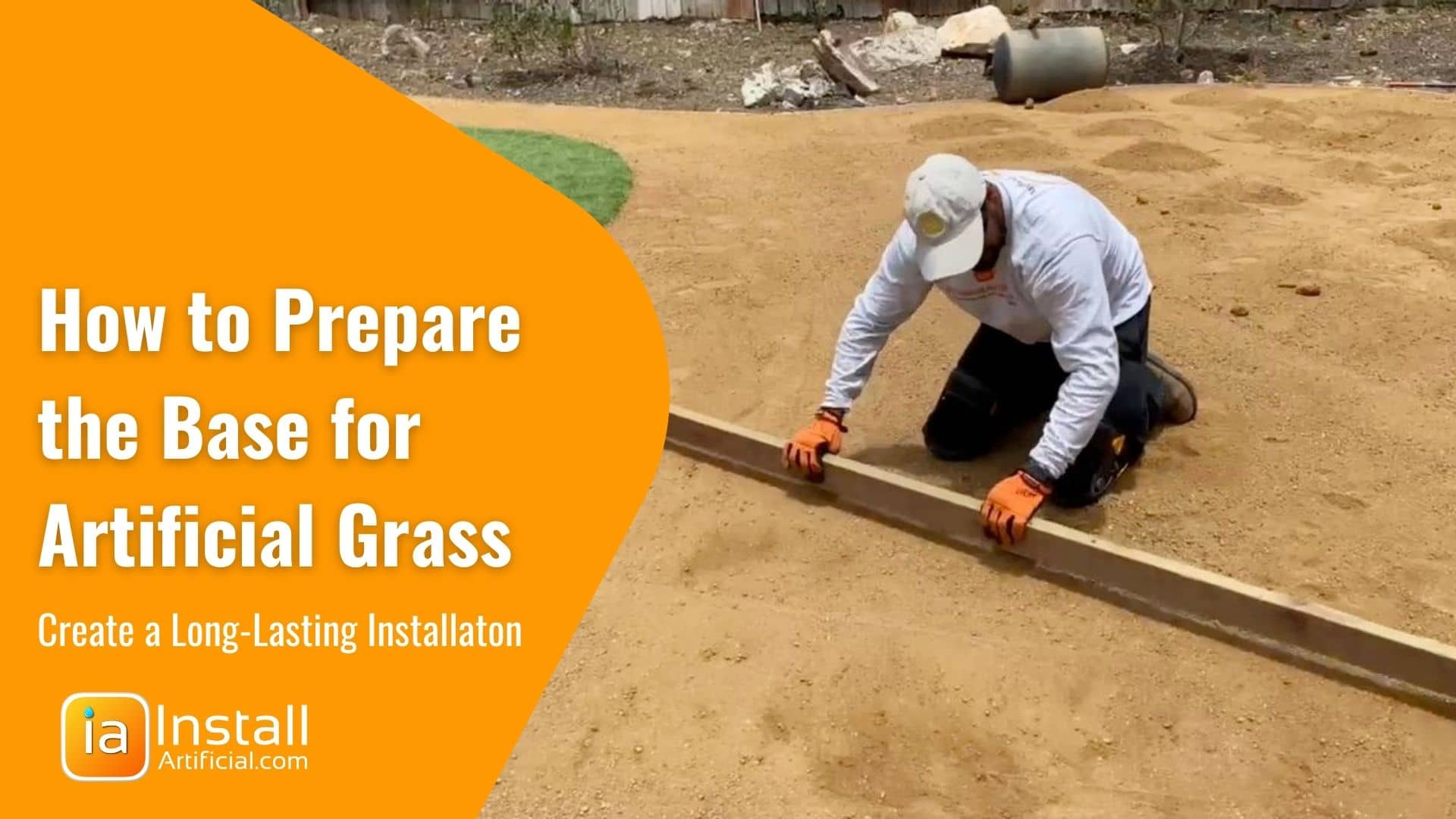
Before laying turf, it is essential to prepare the ground properly to ensure a healthy and lush lawn. The foundation you establish will significantly affect the growth and durability of the turf. Here are several key elements to consider putting down before laying your turf.
1. Soil Preparation
Proper soil preparation is crucial for the success of your turf. You should start by removing any existing vegetation, debris, or rocks from the area. After clearing the space, you may want to check the pH of the soil and amend it if necessary. Here’s a simple list of steps you should follow for soil preparation:
- Clear the area of any old sod, weeds, and debris.
- Loosen the top 4–6 inches of soil using a rototiller or garden fork.
- Amend the soil with compost or organic matter to improve nutrient levels.
2. Leveling the Ground
Leveling the ground is essential to avoid water pooling and ensure even growth of the turf. A properly leveled surface provides a stable foundation and helps prevent issues like uneven patches and stress on the turf. To level the ground, take these steps:
- Fill in low spots with additional soil or sand to create a smooth surface.
- Use a rake to spread the soil evenly across the area.
- Compact the soil gently to ensure it is firm yet porous.
3. Adding Fertilizer
Applying the right fertilizer prior to installing turf can give your grass a strong start. Fertilizers provide essential nutrients that promote quick root establishment and overall health. Choose a starter fertilizer with a balanced nutrient ratio. Here’s how to apply it:
- Select a fertilizer specifically formulated for new turf.
- Spread the fertilizer evenly across the prepared surface according to package directions.
- Mix the fertilizer into the top layer of soil for better absorption.
4. Soil Retention Amendments
Soil retention amendments can enhance the soil's ability to hold moisture and nutrients, which is particularly beneficial for new turf. These amendments can improve the soil structure, making it conducive for establishing roots. Here are some options:
- Incorporate peat moss to improve moisture retention.
- Use hydrogel crystals that expand when wet to hold water in the soil.
- Add organic matter like compost to enhance both drainage and nutrient availability.
5. Weed Barrier Installation
Installing a weed barrier can prevent unwanted plants from taking root beneath your new turf. A barrier helps to minimize weed competition, which is vital during the establishment period of your new lawn. Here’s how to install a weed barrier effectively:
- Choose a landscape fabric that allows water and nutrients to pass through but blocks weeds.
- Lay the fabric over the prepared soil, ensuring that it covers the entire area.
- Secure the edges with landscape staples or soil to keep it in place before laying the turf.
Should I put topsoil down before planting grass?
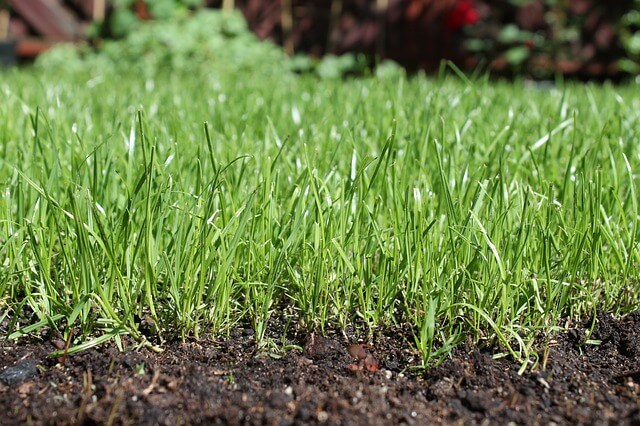
Applying topsoil before planting grass can create an optimal environment for seed germination and root establishment. Here are key reasons why it’s beneficial to consider topsoil application:
1. Improved Soil Quality: Topsoil contains a rich blend of organic matter and nutrients that can significantly enhance the existing soil's fertility. By providing a nutrient-dense layer, grass seeds are more likely to thrive.
2. Enhanced Drainage: Adding topsoil helps to improve drainage, especially if your existing soil is sandy or clay-heavy. This is critical in avoiding waterlogging, which can adversely affect grass growth.
3. pH Balance: New topsoil can help to adjust the pH levels of the soil, making it more suitable for grass cultivation. Most grasses prefer a slightly acidic to neutral pH range.
4. Erosion Prevention: A layer of topsoil can help reduce erosion, particularly on slopes. This ensures that seeds remain in place during rainfall and irrigation, increasing your chances of successful germination.
5. Better Seed-to-Soil Contact: A fine layer of topsoil allows for better seed-to-soil contact, which is vital for water absorption and nutrient access. This can lead to quicker and more robust sprouting of grass seeds.
Benefits of Adding Topsoil
Adding topsoil before planting grass can provide numerous advantages that directly influence the growth and sustainability of your lawn. Here are some key benefits:
See also:
- Rich in Nutrients: Topsoil is often enriched with nutrients that are essential for plant growth, providing a natural fertilizer for your grass seeds.
- Improves Soil Structure: The addition of topsoil improves the overall soil structure, promoting healthy root development and stability.
- Increases Microbial Activity: Healthy topsoil fosters beneficial microbial activity which aids in nutrient breakdown and enhances soil health.
When to Apply Topsoil
Timing is crucial when it comes to applying topsoil for grass planting. Here are some considerations for when to apply:
- Pre-Planting: It is best to apply topsoil right before planting grass seeds to ensure maximum benefits for seed germination.
- After Soil Preparation: Make sure the area is well-prepared—cleared of debris and weeds—before adding topsoil.
- Seasonal Considerations: Spring or early autumn is typically the best time, as the temperatures are mild and moisture is usually more abundant.
How to Apply Topsoil
Proper application of topsoil is essential for effectiveness. Here are the steps to follow for a successful application:
- Calculate the Area: Measure the area where you plan to plant grass to determine how much topsoil you will need.
- Spread Evenly: Use a shovel or a landscaping rake to spread topsoil evenly, aiming for a depth of about 1 to 2 inches.
- Rake and Level: After spreading, use a rake to level the area and remove any large clumps or debris.
Types of Topsoil to Consider
Not all topsoil is created equal. Here are some types you might consider for planting grass:
- Stabilized Topsoil: Often blended with organic matter, this type is designed for stability and nutrient retention.
- Screened Topsoil: This has been filtered to remove debris and rocks, making it ideal for a clean, smooth surface.
- Organic Topsoil: Rich in compost and organic material, this type boosts microbial life and improves nutrient availability.
Potential Drawbacks of Not Using Topsoil
Neglecting to use topsoil can have negative effects on grass planting. Here are some potential drawbacks:
- Poor Germination Rate: Without the nutrient-rich layer of topsoil, seeds may struggle to germinate effectively.
- Inadequate Moisture Retention: Existing soil may not hold moisture as well, leading to dry conditions detrimental to seed growth.
- Weed Competition: Weaker soil can promote weed growth, competing with your grass for essential nutrients and moisture.
Can you lay turf directly on grass?
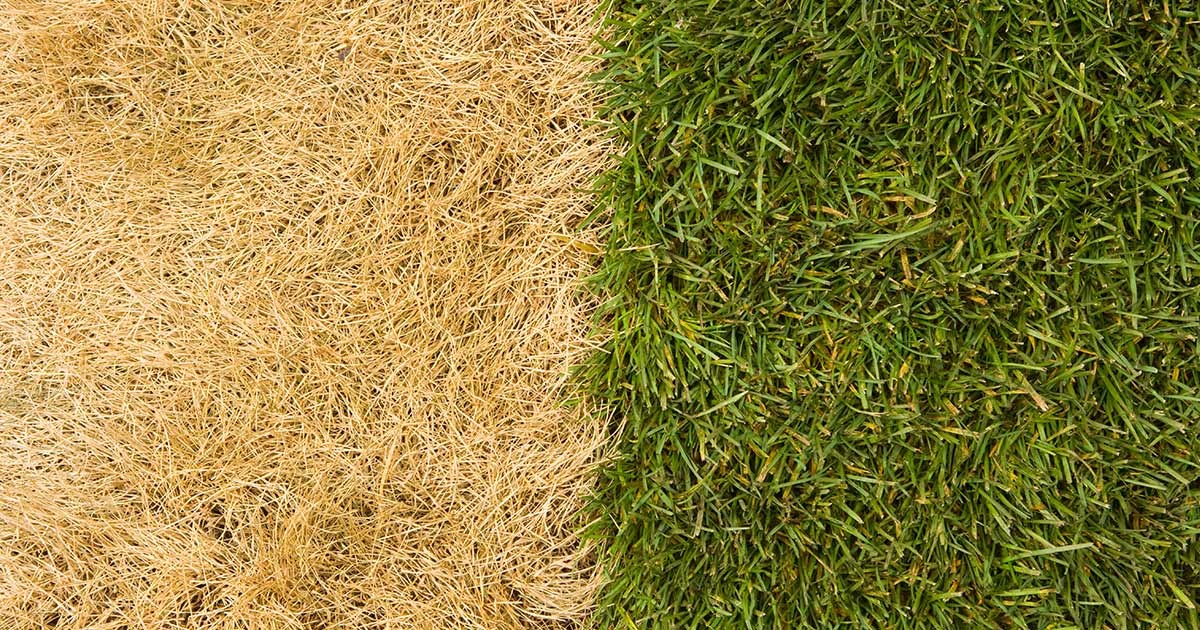
Laying turf directly on existing grass is a practice that many gardeners and landscapers consider, but it requires careful planning and consideration of various factors. While it is technically possible to lay turf on grass, there are several important steps and conditions that must be met to ensure the success of the new sod. Here is a detailed explanation of the topic.
Understanding the Risks of Laying Turf on Grass
Laying turf directly on grass can lead to several challenges that may affect the longevity and health of the new lawn. The primary risks include:
- Competition for Resources: Existing grass can compete with the new sod for essential nutrients, water, and light, leading to poor establishment.
- Thatch Buildup: If the underlying grass is not removed, a layer of thatch may prevent proper root penetration and moisture absorption.
- Weed Growth: The presence of grass may encourage weed growth, potentially taking over the new turf before it has a chance to establish.
Preparation Steps Before Laying Turf
Before laying the turf, thorough preparation is essential to ensure a successful installation. The preparations can include:
- Mowing Existing Grass: Reduce the height of the existing grass to help the new sod make good contact with the soil.
- Clearing Debris: Remove any leaves, stones, or debris which may obstruct the new turf from settling properly.
- Weed Control: Apply a selective herbicide to eliminate any unwanted weeds and reduce competition.
Best Practices for Laying Turf on Grass
If you decide to proceed with laying turf on grass, there are specific best practices to follow for optimal results. These practices include:
- Use a Quality Turf: Ensure that the turf you choose is suitable for your climate and conditions to promote healthy growth.
- Watering Regimen: Water the new sod immediately after installation and maintain consistent moisture levels to support rooting.
- Aeration Techniques: Consider lightly aerating the grass before placing the sod to improve airflow and root penetration.
Alternatives to Laying Turf on Grass
Instead of laying turf directly on grass, you may consider several alternatives that provide better outcomes for your new lawn:
- Removing Existing Grass: Completely remove the old grass layer before laying the new turf to eliminate competition.
- Soil Amendments: Test and amend the soil to improve its nutrient profile and ensure a healthy growing environment for the new sod.
- Seed as an Option: Consider seeding instead of laying turf for a thicker, more uniform lawn tailored to your specific conditions.
Long-Term Care After Laying Turf
After the new turf is installed, ongoing maintenance is crucial for its growth and health. Key practices for long-term care include:
- Regular Mowing: Begin mowing once the grass reaches the appropriate height to encourage thick growth and discourage weeds.
- Fertilization Schedule: Follow a fertilization schedule suitable for your turf type to promote healthy root and blade development.
- Pest and Disease Monitoring: Regularly inspect the lawn for pests and diseases, addressing issues promptly to maintain turf health.
Questions from Our Readers
Do I need to put topsoil down before turf?
Yes, applying topsoil before laying turf is highly recommended as it creates a healthy foundation for the grass to grow. Topsoil improves soil structure, enhances nutrient availability, and ensures better water retention, which is crucial for establishment.
How much topsoil should I apply before laying turf?
The general guideline is to apply about 2 to 4 inches of topsoil, depending on the current soil condition. This thickness allows for proper root development and ensures that the turf has adequate nutrients and moisture for optimal growth.
Can I use existing soil instead of topsoil?
While you can use existing soil, improving its quality by mixing in topsoil is ideal. If the existing soil is compacted, sandy, or low in nutrients, it may hinder the turf's ability to establish strong roots and thrive.
What type of topsoil is best for laying turf?
The best type of topsoil for laying turf is a loamy soil that contains a balanced mixture of sand, silt, and clay. This type of topsoil provides good drainage, excellent nutrient content, and fosters a favorable environment for grass roots.
See also:

If you want to read more articles like Do I Need to Put Topsoil Down Before Turf? Essential Tips for a Healthy Lawn, we recommend you check out our Turf category.
Leave a Reply
Related Articles