How Far Back Should You Cut a Tree Branch? Essential Tips for Proper Pruning
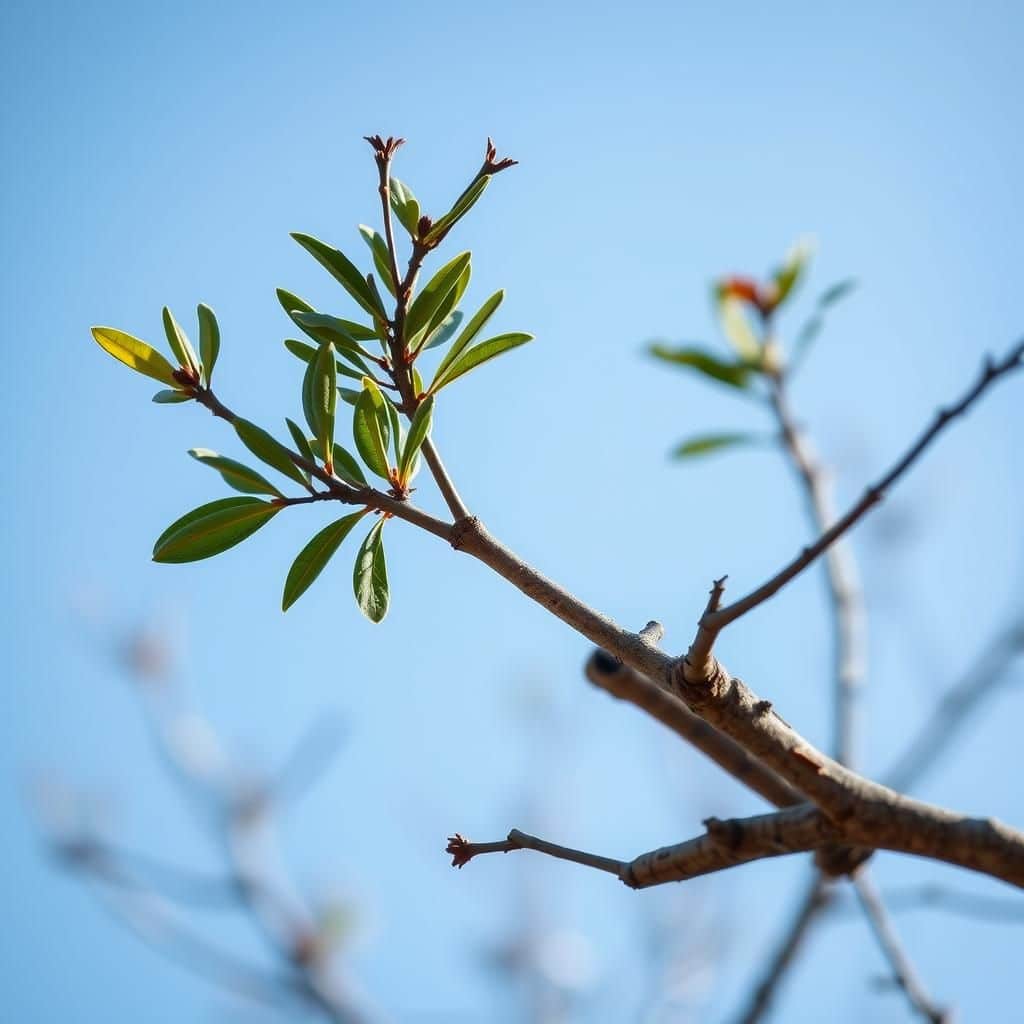
Pruning is a crucial aspect of tree care that promotes healthy growth and enhances the overall appearance of your landscape. Understanding how far back to cut a tree branch is essential for both aesthetics and the tree’s well-being. Improper pruning can lead to damage, disease, or even death of the tree, making it vital to follow proper techniques. This article will provide essential tips on determining the appropriate cutting points, the best tools for the job, and the timing of pruning to ensure you maintain your tree’s health and vitality for years to come.
How Far Back Should You Cut a Tree Branch?
When considering how far back to cut a tree branch, it's crucial to assess the branch's size, health, and position on the tree. Typically, you should aim to cut just beyond the branch collar, which is the swelling that forms at the base of the branch, as this area contains vital cells for healing. Removing a branch too close to the trunk can lead to wound problems and hinder the tree's ability to recover. Conversely, cutting too far from the collar will leave behind a stub, which can also invite pests and diseases. Therefore, assessing the branch and making a cut that allows for proper recovery while maintaining the tree's overall health is essential.
Understanding the Branch Collar
The branch collar is a critical part of the tree's structure, formed where the branch meets the trunk. This collar contains specialized cells that facilitate healing after a cut. When pruning, it's essential to make your cut just outside this collar to allow the tree to close off the wound properly. If you cut too close to the trunk, you risk damaging the collar and may prevent proper healing, potentially leading to decay or disease.
Assessing Branch Size and Health
The size of the branch plays a significant role in determining how far back you should cut it. For smaller branches, you can often cut back to the next lateral branch or bud, which can promote new growth. However, for larger branches, it’s advisable to assess the health of the branch. If the branch is dead or diseased, cutting it back further may be necessary to protect the overall health of the tree. Always prioritize the tree's vitality when making your cuts.
Timing for Pruning
The timing of your pruning is just as important as how far to cut. Generally, late winter or early spring is considered the best time to prune most trees, as it allows them to recover before the growing season begins. During this period, the tree is still dormant, which minimizes stress and allows for robust healing. It’s advisable to avoid cutting during the growing season when the tree is expending energy on new growth.
Common Pruning Techniques
There are several pruning techniques that can be employed when cutting tree branches. Techniques such as thinning (removing entire branches) and tipping (shortening the length of branches) can be used depending on the desired outcome and the health of the tree. Always ensure that your tools are sharp and clean to prevent infection and maintain tree health during the pruning process.
Avoiding Mistakes in Pruning
Pruning can be risky if not done correctly, and common mistakes include cutting branches too close to the trunk or leaving large stubs. Both practices can result in poor healing and expose the tree to pests and diseases. To avoid these issues, it is advisable to familiarize yourself with proper cutting techniques, and if unsure, consult an arborist for guidance to ensure your tree remains healthy and vibrant.
| Aspect | Recommendation |
|---|---|
| Cutting Location | Just outside the branch collar. |
| Branch Health | Assess before cutting; remove diseased branches. |
| Pruning Time | Late winter or early spring. |
| Technique | Use thinning and tipping cautiously. |
| Avoid Mistakes | Avoid cutting too close or leaving stubs. |
How close should you prune a tree branch?

To determine how close to prune a tree branch, it is necessary to consider several factors, including the type of tree, the size of the branch, and the purpose of the pruning. The general guideline is to prune just outside the branch collar, which is the swollen area of the trunk or branch from which the branch grows. This area contains specialized cells that aid in healing, ensuring that the tree can seal off the wound effectively and reduce the risk of disease.
When pruning, it is crucial to avoid cutting too close to the trunk, which can lead to tree stress and increased vulnerability to pests and diseases. Conversely, cutting too far from the trunk can leave a significant portion of the branch stub, which can also cause problems. Therefore, understanding the proper cutting technique is vital for the health and longevity of the tree.
Understanding the Branch Collar
The branch collar is an essential structure that plays a crucial role in tree health during the pruning process. It forms at the base of each branch where it connects to the trunk, providing a natural barrier against disease and injury. Proper pruning techniques involve recognizing this area and ensuring cuts are made just outside it. Here are points to consider:
- The branch collar is slightly swollen and often looks different from the surrounding bark.
- This area contains the tree's defense mechanisms to seal wounds and promote healing.
- Cutting too close will damage the collar, inhibiting the tree’s ability to heal effectively.
Types of Tree Pruning Cuts
There are different types of cuts that can be made when pruning a tree, each serving a specific purpose and requiring a different technique. The most common types include:
- Thinning Cuts - These remove entire branches to reduce density and encourage air circulation.
- Heading Cuts - These shorten branches and are typically used for shaping the tree.
- Raising Cuts - These remove lower branches to raise the canopy of the tree.
Understanding these cuts helps ensure appropriate pruning to promote tree health.
Seasonal Considerations for Pruning
The timing of when you prune can significantly impact the success of your cuts and the health of the tree. Different seasons have unique effects on how and when a tree should be pruned:
See also:
- Late winter and early spring are ideal for most deciduous trees as they are dormant.
- Summer pruning can help control growth, but it should be done cautiously to avoid stressing the tree.
- Avoid pruning in fall, as the wounds can lead to infections and do not have sufficient time to heal before winter.
Pruning at the right time aids recovery and overall tree health.
The Impact of Tree Species on Pruning
Different species of trees have unique pruning requirements based on their growth habits and biological responses. Recognizing these differences can guide appropriate pruning practices:
- Deciduous trees generally benefit from winter pruning.
- Conifers may require different techniques due to their growth patterns.
- Understanding the specific needs of the species helps prevent unnecessary damage during pruning.
Identifying the species aids in selecting the right methods and timing for pruning.
Tools and Techniques for Effective Pruning
Utilizing the right tools and techniques is essential for successful tree pruning. Proper gear ensures clean cuts and minimizes damage to the tree:
- Pruning shears are ideal for smaller branches, providing precise cuts.
- Loppers are useful for thicker branches, allowing for leverage.
- Saws may be necessary for larger limbs, ensuring robust and clean trimming.
Using appropriate tools aids in smoother healing and better tree health outcomes.
What is the 1 3 rule for tree pruning?
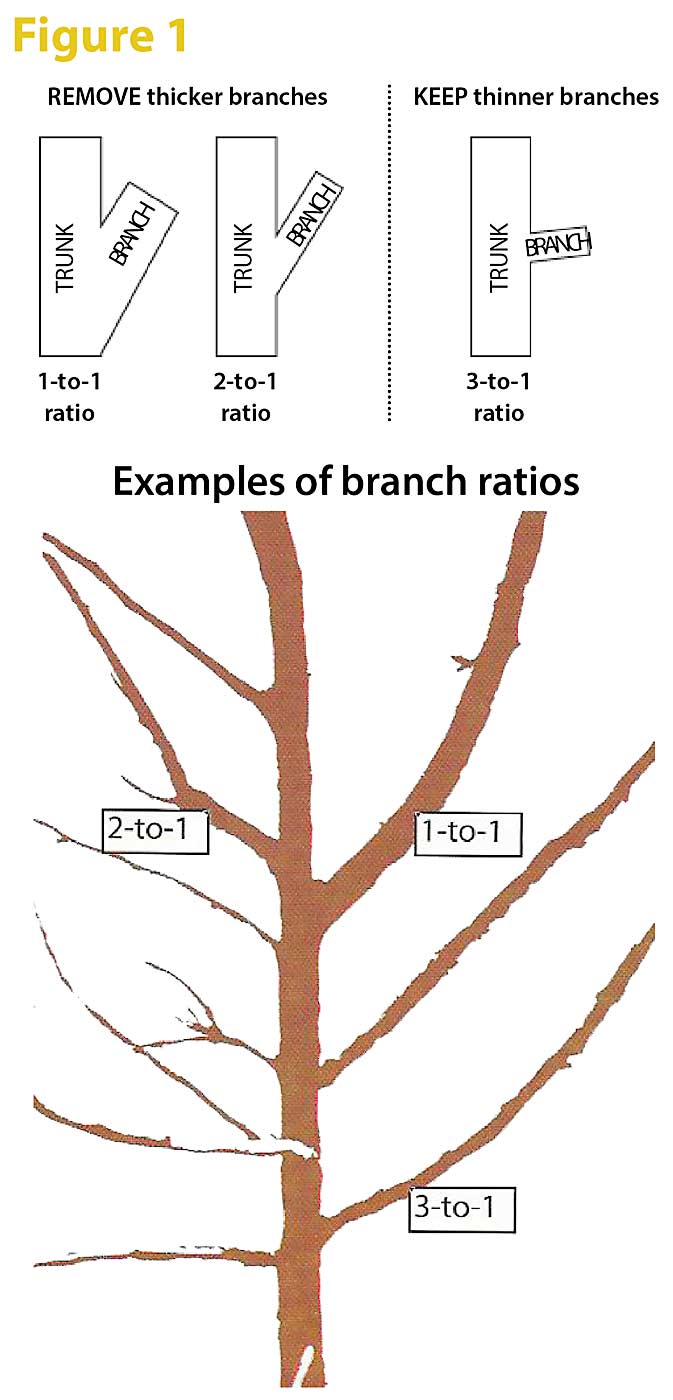
The 1-3 rule for tree pruning is a guideline used mainly for young trees to promote healthy growth, proper shaping, and structural stability as they mature. The rule dictates that for every one cut made on the tree, you should remove up to three of the tree's shoots or branches. This method ensures that any pruning done is balanced and does not overly stress the tree, allowing it to recover efficiently and thrive in its environment.
Purpose of the 1-3 Rule
The primary purpose of the 1-3 rule is to establish a well-structured framework for trees, which aids in their growth and health. By adhering to this rule, one can ensure that a tree develops strong branches and an aesthetically pleasing shape.
- Encourages healthy branching patterns.
- Reduces the likelihood of disease spread.
- Promotes better light penetration and air circulation.
When to Apply the 1-3 Rule
The best time to apply the 1-3 rule is during the dormant season, typically late winter to early spring before new growth begins. This timing minimizes stress on the tree and encourages vigorous new growth once the growing season starts.
- Before the tree begins active growth.
- In cooler weather to minimize sap loss.
- When the tree is free of pests and diseases.
Techniques for Pruning Using the 1-3 Rule
To effectively use the 1-3 rule in practice, specific pruning techniques must be employed. These techniques ensure that the cuts made are clean and beneficial for the tree’s health.
- Use sharp, clean tools to make precise cuts.
- Make cuts at a 45-degree angle to promote quicker healing.
- Remove branches that cross or rub against each other.
Potential Risks of Not Following the 1-3 Rule
Neglecting to adhere to the 1-3 rule can lead to several undesirable outcomes for the tree and its surrounding ecosystem. Over-pruning or improper cuts can result in tree decline.
- Weak branch structure due to excessive pruning.
- Increased risk of disease and insect infestation.
- Stunted growth and poor overall appearance.
Benefits of Adhering to the 1-3 Rule
Sticking to the 1-3 rule offers a multitude of benefits that contribute to the long-term wellness of the tree. Proper adherence can lead to healthier trees that integrate more efficiently into their environment.
- Enhances tree vitality through balanced growth.
- Facilitates a more aesthetically pleasing form.
- Supports a diverse ecosystem by improving tree health.
What part of a tree branch should not be cut?

When considering the parts of a tree branch that should not be cut, it is essential to focus on the cambium layer, buds, and leaf scars. Cutting through these areas can significantly harm the tree's health and impede its growth.
See also:
Importance of the Cambium Layer
The cambium layer is a vital part of a tree's structure, as it is responsible for the production of new vascular tissues. Disrupting this layer can prevent the tree from effectively transporting nutrients and water.
- It serves as the growth layer between the bark and wood.
- Injury to this layer can cause stunted growth or even death.
- Signs of damage include dieback and tree decline.
The Role of Buds
Buds are crucial for a tree's regeneration and are responsible for producing new leaves and flowers. Cutting off buds can prevent the tree from being able to flourish in subsequent seasons.
- Buds play a crucial role in the tree’s reproductive cycle.
- They are necessary for new shoot development.
- Loss of buds can result in reduced foliage and flower production.
Significance of Leaf Scars
Leaf scars indicate the location where leaves have detached from the branch. Cutting too close to these scars can expose vulnerable areas of the tree, leading to disease and pest issues.
- Leaf scars help the tree heal after leaves fall off.
- They protect the interior from external pathogens.
- Exposed leaf scars may lead to increased susceptibility to decay.
Potential Damage from Improper Cuts
Improper cuts on a tree branch can leave wounds that never fully heal, affecting the overall health and growth of the tree.
- Improper cuts can attract pests and diseases.
- They can create weak points that may lead to breakage.
- Injury may result in sap loss, which weakens the tree.
Best Practices for Pruning Branches
Adhering to best practices when pruning branches ensures that the tree remains healthy and vigorous. Proper techniques can help retain crucial parts.
- Make cuts at a 45-degree angle to promote healing.
- Avoid cutting too close to the trunk to protect the cambium.
- Prune during the tree's dormant season to minimize stress.
How much to cut back tree branches?
To determine how much to cut back tree branches, several factors need to be considered, including the type of tree, the purpose of pruning, and the season. In general, it is essential to avoid cutting too much at once, as this can stress the tree and make it vulnerable to disease and pests. A general guideline is to remove no more than 25% of a tree's foliage in one growing season.
Reasons for Pruning Tree Branches
Pruning serves various purposes, and understanding the reasons behind it can help in deciding how much to cut back tree branches. Some common reasons include:
- Health improvement: Removing dead, damaged, or diseased branches helps the tree remain healthy.
- Enhancing aesthetics: Shaping a tree can boost its appearance and fit better into landscape design.
- Promoting growth: Thinning branches can allow more light to reach the interior of the tree, promoting better growth.
Best Time to Prune
The timing of pruning greatly influences how much you should cut back. Different seasons affect tree health and growth differently:
- Late winter to early spring: This is generally the best time for many species, as trees enter dormancy.
- After flowering: For flowering trees, pruning immediately after the blooms can encourage healthy growth for the next season.
- Avoid late summer: Pruning in late summer can stimulate new growth that may not harden off before winter.
Factors to Consider When Pruning
Before cutting back tree branches, several factors should be assessed to ensure the best outcomes:
- Tree species: Different species have different growth patterns and respond uniquely to pruning.
- Tree age: Young trees may require different pruning techniques compared to mature trees.
- Health of the tree: Prune only if the tree is healthy enough to withstand the stress of cutting.
Common Pruning Techniques
Several techniques can be adopted while cutting back tree branches, and the choice often depends on the desired outcome:
- Thinning: Removing select branches to reduce density, allowing light and air to pass through.
- Reducing: Shortening branches to decrease the overall canopy size, which is useful for safety reasons.
- Cutting back: Removing a branch to a lateral branch or node, guiding future growth more effectively.
Signs That Indicate Pruning is Necessary
Recognizing when to prune is crucial for maintaining tree health and safety:
- Dead branches: They should be removed to prevent potential hazards and promote tree health.
- Crowded branches: If branches are overlapping or crossing, it’s a good idea to thin them out.
- Pest or disease signs: Branches showing signs of infestation or illness should be removed to protect the rest of the tree.
Questions from Our Readers
How far back should you cut a tree branch?
To ensure the health of the tree, you should cut a branch back to the branch collar, which is the swollen area where the branch meets the trunk. This area contains cells that help the tree heal, so cutting too far back can lead to decay or disease.
Is there a best time of year to cut tree branches?
The best time to cut tree branches is during late winter or early spring before new growth begins. This allows the tree to heal quickly with minimal stress and reduces the risk of attracting pests or diseases.
See also:
What tools are recommended for cutting tree branches?
For cutting tree branches, it's essential to use sharp, clean tools such as pruning shears for small branches, a hand saw for medium-sized ones, and a chainsaw for larger branches. Always ensure your tools are in good condition to make clean cuts.
Should I seal the cut after pruning?
In most cases, it is not necessary to seal the cut after pruning, as trees have a natural ability to heal. Using a sealant can actually trap moisture and lead to fungal infections. It's best to allow the tree to heal naturally.

If you want to read more articles like How Far Back Should You Cut a Tree Branch? Essential Tips for Proper Pruning, we recommend you check out our Pruning category.
Leave a Reply
Related Articles