What Pruning Techniques Should Be Avoided? Essential Tips for Healthy Plants
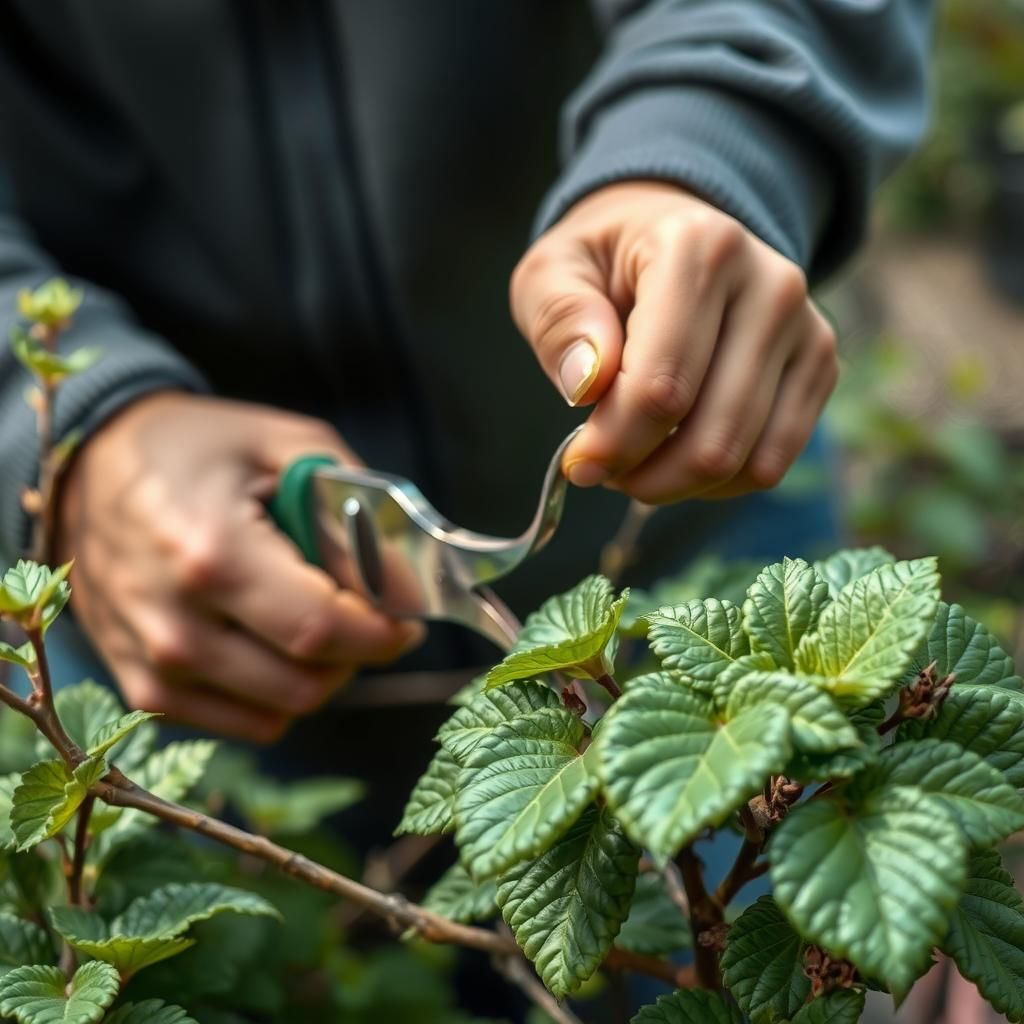
Pruning is an essential practice for maintaining healthy plants, but not all techniques are beneficial. Certain methods can cause more harm than good, leading to stunted growth, increased vulnerability to diseases, and even plant death. Understanding which pruning techniques to avoid is crucial for horticulturists and garden enthusiasts alike. In this article, we will explore common pruning mistakes, highlighting practices that could jeopardize plant health. By following these essential tips, you’ll ensure that your gardening efforts contribute to thriving, resilient plants instead of unintentional harm. Let's delve into the pitfalls of pruning to safeguard your garden's vitality.
Techniques to Avoid in Pruning
When considering pruning, it is essential to avoid certain techniques that can harm the plants rather than help them. One significant practice to steer clear of is topping, which involves cutting the tops of trees or shrubs indiscriminately; this can lead to improper growth patterns and potential decay. Another technique to be cautious of is heavy thinning, which can remove too many branches and leave the plant vulnerable to pests and disease. Additionally, cutting during the wrong season can stress the plant, so always consider the appropriate times for different species. Pruning too much can also be detrimental, as it can lead to reduced foliage and weaken the overall structure of the plant. Finally, failing to use proper tools can lead to unclean cuts that can become entry points for infections.
Avoiding Topping: Why It's Harmful
Topping a tree means cutting off the upper branches, which creates a flat-top effect. This practice is harmful because it disrupts the plant's natural growth and encourages rapid sprouting of water shoots that are weak and susceptible to breakage. Rather than promoting healthy growth, topping can lead to decay and increase the risks of damage from storms or pests. Additionally, it significantly reduces the tree's aesthetic appeal, as it alters its natural form and may leave it looking unsightly.
The Risks of Heavy Thinning
Heavy thinning involves removing a substantial number of branches throughout the plant. This technique should be avoided as it can lead to excessive exposure to sunlight, resulting in sunburn on the remaining foliage and weakening the overall structure. Moreover, this method removes a plant's natural canopy, increasing vulnerability to pests and diseases as it disrupts the ecosystem that supports healthy growth. Proper balance is key; instead of heavy thinning, selective pruning should be employed.
Cuts Made in the Wrong Season
Pruning during inappropriate seasons can severely impact a plant's health. Each species requires specific timing for pruning; for instance, many spring-blooming plants should be pruned right after their flowering season, while summer-bloomers can be cut in late winter or early spring. Cutting at the wrong time can lead to stunted growth or even the death of flowers for the following season, as it may remove more than just excess branches—it can inhibit the plant's ability to flourish.
Over-Pruning: A Common Mistake
Over-pruning, or cutting away too much foliage, should be avoided as it can lead to reduced vitality of the plant. This can severely impact its capacity for photosynthesis, which is crucial for healthy growth and development. A diminished leaf count translates to lower energy reserves, making the plant more frail and susceptible to environmental stressors and diseases. It's essential to remember that a little pruning can be beneficial, but moderation is the key.
Improper Tools Can Cause Damage
Using improper or dull tools can lead to jagged cuts and increased wounds, making plants more susceptible to infection. Clean, sharp tools allow for precise and smooth cuts, aiding in the plant's recovery and the prevention of pathogens. Avoiding the use of unsterilized equipment is also crucial, as it can lead to the transmission of diseases from one plant to another. For the best results, always invest in proper tools and ensure they are well maintained before starting any pruning tasks.
| Technique | Reason to Avoid |
|---|---|
| Topping | Disrupts natural growth and creates weak shoots. |
| Heavy Thinning | Weakens plant structure and exposes it to disease. |
| Wrong Season | Can inhibit flowering and stunt overall growth. |
| Over-Pruning | Reduces vitality and makes plants more fragile. |
| Improper Tools | Can cause jagged cuts and increase infection risk. |
Which type of pruning should be avoided and why?
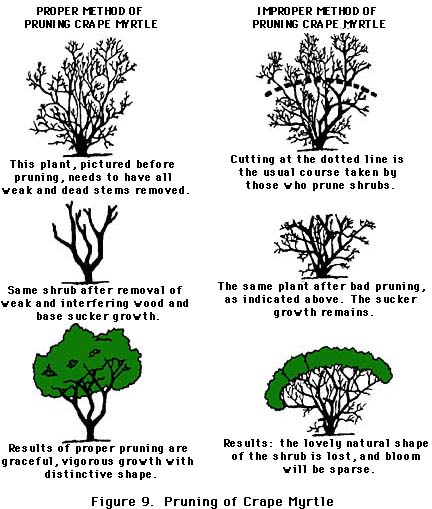
When it comes to pruning, certain types should be avoided due to their potential to harm the plant or tree, hinder growth, or promote disease. Topping is one of the most detrimental types of pruning that should be strictly avoided. Topping involves cutting back the main stems of a tree or shrub to a certain height without consideration for the natural shape or growth patterns of the plant. This practice leads to various issues that can compromise the health and aesthetics of the plant.
Understanding Topping
Topping is the severe cutting back of the main branches or leaders of a tree, often resulting in a drastic change to its structure. This method is not only harmful but can also lead to several complications:
- Weak growth: New branches that sprout after topping are often weakly attached and could break easily.
- Increased vulnerability: Topping opens the tree to pests and diseases due to exposed wounds.
- Poor shape: Eliminating the natural growth pattern results in an unattractive and unnatural appearance.
Consequences of Topping
The consequences of topping can be severe for the health and longevity of the tree. The practice impacts various factors:
- Sunlight exposure: The new, weak growth may grow in a disorganized manner, blocking sunlight from reaching the inner parts of the tree.
- Energy drain: The tree expends energy to produce excessive amounts of new growth, diverting resources away from vital processes.
- Decay and disease: Open wounds can lead to fungal infections and wood decay, further endangering the tree's health.
Alternatives to Topping
Instead of topping, several less harmful pruning techniques can be utilized to enhance a tree's structure and health:
- Selective pruning: Remove only the necessary branches to improve shape and health.
- Thinning: This method involves removing select branches to decrease crown density while maintaining the tree's natural shape.
- Crown reduction: Reduce the height of the tree without removing main branches or leaders to preserve its overall structure.
Pruning Seasons and Timing
The timing of pruning plays a significant role in its effectiveness and influence on plant health:
See also:
- Winter pruning: Best for most deciduous trees, encouraging vigorous growth in spring.
- Summer pruning: Helps to control size and shape without inducing excessive new growth.
- Post-flowering: This timing for flowering plants allows for the removal of spent blooms while promoting new growth.
Professional Guidance
Engaging with professional arborists can greatly improve the outcomes of your pruning efforts. Their expertise can offer several benefits:
- Proper techniques: Knowledge of the right pruning techniques suited for specific species and conditions.
- Health monitoring: Professionals can identify and suggest treatments for diseases or weaknesses within the tree structure.
- Long-term planning: Guidance on maintaining tree health and aesthetics through informed pruning schedules.
What is a bad tree trimming technique?

A bad tree trimming technique can lead to wounds, disease, and overall decline in the health of the tree. One common poor practice is known as topping, which involves cutting the upper branches of a tree indiscriminately. This technique severely compromises the tree’s structure and can lead to a myriad of problems, including the potential for decay, weak branch growth, and an inability to recover properly. Topping removes a significant portion of the tree’s leaf area, which is essential for photosynthesis and overall tree vitality.
Improper Cuts
Making incorrect cuts is a significant issue in bad tree trimming techniques. Proper pruning involves making cuts that promote healing and minimize damage. However, poor cuts can leave stubs or tears in the bark, which can invite pests and diseases.
- Type of cut - Using a saw instead of pruning shears can leave larger wounds.
- Cut location - Pruning too close to the trunk removes the branch collar, which is essential for healing.
- Angle of cut - Cuts made at the wrong angle can lead to water pooling, increasing rot risk.
Over-Pruning
Over-pruning is another detrimental technique that removes too much foliage from the tree. Each branch contributes to the overall health of the tree, and excessive removal can lead to stress and vulnerability.
- Foliage removal - Cutting back too many leaves decreases the tree’s ability to photosynthesize.
- Seasonal timing - Pruning during wrong seasons can disrupt growth cycles.
- Tree species considerations - Different species have varying tolerances for pruning; some require minimal trimming.
Ignoring Tree Health
One of the hallmarks of a bad tree trimming technique is ignoring the overall health of the tree itself. Without recognizing signs of disease or decay, improper techniques can further escalate these issues.
- Disease signs - Failing to identify fungal growth or signs of rot can worsen problems.
- Pest infestations - Not addressing insect issues before pruning can spread pests during trimming.
- Nutritional needs - Neglecting the nutritional status of a tree can lead to weak growth post-pruning.
Neglecting Safety Practices
Bad tree trimming often involves overlooking necessary safety protocols. This can lead not only to damage to the tree but also pose safety risks to the individuals performing the trimming.
- Lack of protective gear - Not wearing helmets or goggles can lead to serious injuries.
- Improper ladder use - Mistakes can happen when using ladders without proper stabilization.
- Working near electrical lines - Ignoring power line clearances can cause dangerous situations.
Utilizing Inadequate Equipment
Using the wrong tools can contribute to poor tree trimming results. Equipment choice can directly affect the quality of cuts and overall health of the tree.
- Dull blades - Tools that are not sharp can crush branches instead of making clean cuts.
- Improper size tools - Using equipment not suited for the tree's size may lead to ineffective pruning.
- Lack of maintenance - Failing to maintain tools can result in tools that cause more harm than good.
What is an example of bad pruning?
An example of bad pruning is when a plant is excessively pruned, resulting in the removal of too many branches and leaves that can significantly harm the plant's health. This kind of pruning can lead to stress, increased susceptibility to pests and diseases, and, in some cases, even the death of the plant.
Understanding Overpruning
Overpruning occurs when too much foliage is removed from a plant, leaving it vulnerable and weakened. This can happen for various reasons, including a lack of knowledge about proper pruning techniques or trying to force rapid growth.
- Removing Too Many Leaves: Leaves are essential for photosynthesis. Without sufficient leaves, a plant cannot efficiently produce energy.
- Cutting Back Vital Branches: Branches that produce flowers or fruit should be carefully evaluated before pruning.
- Ignoring Plant Type: Different plants have unique growth patterns and requirements; not all plants respond well to drastic pruning.
Signs of Stress from Bad Pruning
Plants that suffer from bad pruning exhibit various signs of stress. Identifying these signs early can help mitigate further damage and improve care strategies.
- Yellowing Leaves: A clear signal that the plant is not receiving enough nutrients or sunlight.
- Stunted Growth: Poor growth can indicate that the plant is struggling to recover from severe pruning.
- Increased Pest Infestation: Weakened plants are often more attractive to pests and diseases.
Consequences of Bad Pruning
The consequences of poor pruning techniques can ripple through the plant's entire system and impact long-term health and productivity.
See also:
- Reduced Flowering or Fruiting: A pruned plant may fail to produce flowers or fruit for a season or more.
- Vulnerability to Disease: Open wounds from excessive cuts can invite pathogens into the plant.
- Death of the Plant: In severe cases, overpruning can lead the plant to die, particularly if it is a young or sensitive species.
Tips to Avoid Bad Pruning
To ensure that pruning is done correctly, it is crucial to follow certain practices that promote the well-being of the plant.
- Learn Proper Techniques: Seek out resources or training on how to prune specific types of plants.
- Use Sharp Tools: Clean, sharp pruning tools make clean cuts, which are less stressful for the plant.
- Prune at the Right Time: Timing is essential; prune during the plant's dormant season to minimize shock.
When to Seek Professional Help
Sometimes, the knowledge and experience of a professional can make a significant difference in maintaining a plant's health.
- Signs of Advanced Issues: If you see persistent problems, it may be best to consult an expert.
- Complex Pruning Needs: Some species require special pruning techniques best handled by professionals.
- Large Scale Work: For large trees or extensive landscapes, hiring an arborist may be necessary.
Which is not a best practice tree trimming technique?
One technique that is not a best practice in tree trimming is the practice known as topping. Topping involves cutting off large portions of the tree’s crown or limbs to reduce the tree’s height. This method is often performed with the intention of making trees safer or more manageable; however, it leads to several detrimental effects on the tree's health and overall structure.
What is Topping?
Topping is an aggressive trimming technique where the upper branches and foliage of a tree are drastically cut back.
- It usually involves removing large limbs that provide the tree's structure.
- This technique is often mistakenly believed to improve tree safety by reducing the risk of branch failure.
- While it may provide a temporary solution for height management, the long-term consequences can be severe.
Consequences of Topping
Topping can lead to numerous negative consequences affecting the tree's health and longevity.
- It removes the tree's ability to photosynthesize effectively, leading to stress and possible decline.
- New growth that emerges following topping is often weak and poorly structured, increasing the risk of limb failure.
- Topped trees are more susceptible to pests and diseases due to the wounds created during the topping process.
Alternatives to Topping
Instead of topping, there are more effective and sustainable tree trimming methods available.
- Selective pruning focuses on removing specific branches to enhance the tree's natural shape.
- Crown reduction is another technique that decreases the height of the tree without removing large branches, promoting healthy growth.
- Deadwooding entails removing dead or dying branches to improve tree health without compromising structural integrity.
How to Identify Topping
Identifying topping can help in advocating for better trimming practices in your area.
- Look for cuts that are made just above a set of leaves or buds that severely shorten the tree's natural shape.
- Check for multiple stubs on limbs where the tree has been cut, indicating prior topping practices.
- Observe the growth patterns—trees that have been topped often exhibit rapid regrowth of weak, competing leaders.
Educating the Public on Tree Care
Public education is essential in promoting better tree care practices.
- Provide information and resources on the importance of proper tree trimming techniques.
- Encourage community workshops where professionals demonstrate best practices in tree care.
- Work with local authorities to promote guidelines emphasizing the dangers of topping and promoting healthier alternatives.
Questions from Our Readers
What are some common pruning techniques to avoid?
Avoid techniques such as topping, which involves cutting off the top of a tree or shrub, as it can lead to weak growth and increased risk of disease. Instead, focus on more natural forms of pruning that promote health and proper structure.
Why should I avoid using dull pruning tools?
Using dull pruning tools can cause ragged cuts that may lead to tree damage and increase susceptibility to pests and diseases. Always ensure your tools are sharp for clean, precise cuts.
Is it advisable to prune during the wrong season?
Yes, pruning during the wrong season can harm the plant, particularly if it’s done in late fall or winter for certain species. Always check the best season for pruning specific plants to ensure optimal health and growth.
What should I consider when pruning flowering plants?
When pruning flowering plants, avoid cutting off buds that are set to bloom, as this can reduce or eliminate flowers for the next season. It’s essential to know whether the species blooms on old or new wood before making cuts.
See also:

If you want to read more articles like What Pruning Techniques Should Be Avoided? Essential Tips for Healthy Plants, we recommend you check out our Pruning category.
Leave a Reply
Related Articles